


Nicotine and Viruses
Explore nicotine and viruses, human nicotinic acetylcholine receptors, Dr. Bryan Ardis’s work, Long COVID cases, PET imaging and results reported by 231 nicotine-patch users.
The relationship between nicotine and viruses reaches far beyond nicotine’s familiar association with smoking.
The human body naturally contains nicotinic acetylcholine receptors—specialized communication gateways found throughout the brain, nervous system, immune system, muscles, blood vessels and cellular structures. These receptors respond naturally to acetylcholine, one of the body’s essential signaling molecules. They can also be activated by nicotine.
Emerging research proposes that certain viruses or viral proteins may interact with nicotinic acetylcholine receptors and interfere with normal cholinergic communication. This has led researchers, physicians and independent health educators—including Dr. Bryan Ardis—to explore an important possibility:
Could carefully delivered, non-inhaled nicotine help restore receptor activity and relieve symptoms associated with viral or postviral illness?
The strongest human evidence currently relates to low-dose nicotine patches and Long COVID. Published case reports, outcomes reported by 231 patch users and objective PET brain imaging have created a meaningful human signal that deserves attention.
Human Nicotinic Acetylcholine Receptors
The receptors involved in this research are properly called nicotinic acetylcholine receptors, commonly abbreviated as nAChRs.
They are sometimes casually called “nicotine receptors,” but nicotine did not create them. They are natural components of the human body, and acetylcholine is their primary biological messenger. They received the name “nicotinic” because nicotine can also bind to and activate them.
Different nicotinic receptor subtypes—including α4β2, α7 and others—participate in:
Attention, learning and memory
Neurotransmitter release
Autonomic nervous-system regulation
Muscle activation
Cellular energy regulation
Immune-cell communication
Blood-vessel function
Inflammatory signaling
The cholinergic anti-inflammatory pathway
These receptors are present in neurons, immune cells, epithelial cells and other tissues. Some nicotinic receptor subtypes have also been identified on mitochondrial membranes, creating a possible connection among cholinergic signaling, cellular energy, oxidative stress and cell-survival processes.
Because these receptors operate across so many systems, disruption of their normal activity could contribute to a wide range of neurological, immune, vascular, muscular and autonomic symptoms.
Acetylcholine and Whole-Body Communication
Acetylcholine is one of the body’s most important chemical messengers. It helps nerves communicate, muscles contract, the brain process information and the autonomic nervous system regulate internal functions.
Nicotinic acetylcholine receptors act as gated channels. When properly activated, they allow charged particles to move across cellular membranes and help coordinate communication within and between cells.
This signaling influences:
Cognitive processing
Alertness and attention
Speech and movement
Heart-rate regulation
Blood-vessel tone
Digestion
Immune activity
Inflammatory balance
Mitochondrial function
The body’s response to physical exertion
When cholinergic communication is impaired, symptoms may appear in several systems simultaneously. This is one reason nicotinic receptors have become an important area of investigation in complex postviral conditions.
Do Viruses Interact With Nicotinic Receptors?
Evidence indicates that some viruses or viral proteins can bind to or influence nicotinic acetylcholine receptors.
Rabies provides one of the clearest historical examples. Rabies-virus glycoprotein can bind to nicotinic receptors at the neuromuscular junction, helping the virus enter peripheral nerves.
Researchers have also identified structural similarities among portions of certain viral proteins, nicotinic-receptor-binding toxins and other molecules capable of influencing cholinergic signaling.
Nicotinic-receptor interactions have been explored in connection with:
Rabies
HIV
SARS-CoV-2
Influenza-related pathways
Several animal and insect viruses
Each virus interacts with the body in its own way, but the growing receptor research reveals an important pattern: nicotinic acetylcholine receptors may be involved in how multiple viruses influence neurological, immune and autonomic function.
SARS-CoV-2 Spike Protein and Nicotinic Receptors
A segment of the SARS-CoV-2 spike glycoprotein contains an amino-acid sequence with similarities to proteins found in certain cholinergic toxins.
Laboratory research has reported that spike-derived material can interact with α7 nicotinic acetylcholine receptors and influence their function. Researchers have observed both potentiating and inhibitory effects depending on factors such as concentration, receptor subtype and receptor configuration.
Other studies have investigated α4β2 and additional nicotinic receptor subtypes.
These receptors contain multiple binding regions and can shift among open, closed, sensitized and desensitized states. The biological relationship may therefore involve receptor occupancy, receptor shape, receptor sensitivity and the availability of different binding sites.
The developing hypothesis is that persistent viral proteins may interfere with normal receptor signaling, contributing to neurological, immune, inflammatory, mitochondrial, vascular or autonomic symptoms.
SARS-CoV-2 Spike Ectodomain Targets α7 Nicotinic Acetylcholine Receptors
Functional Interaction Between SARS-CoV-2 Spike and α7 Nicotinic Receptors
Cholinergic Disruption and Long COVID
Long COVID can involve symptoms that appear disconnected but may share underlying neurological, immune, vascular or cellular pathways.
Reported symptoms include:
Brain fog
Memory difficulties
Poor concentration
Post-exertional malaise
Persistent fatigue
Altered smell or taste
Dizziness
Rapid heart rate
POTS-like symptoms
Temperature-regulation problems
Muscle weakness
Sleep disturbance
Headaches
Speech or language difficulties
Digestive changes
Inflammatory symptoms
Altered immune responses
Nicotinic acetylcholine receptors participate in many of the systems affected by these symptoms. Researchers have therefore proposed that impaired cholinergic neurotransmission may be one important part of the Long COVID picture.
This receptor-centered explanation can connect with other findings involving viral persistence, immune dysregulation, autoantibodies, neuroinflammation, microvascular changes, mast-cell activation and mitochondrial dysfunction.
Cholinergic disruption may help explain how several of these processes become connected.
Why Nicotine Patches Are Being Investigated
Nicotine has a strong affinity for nicotinic acetylcholine receptors. When delivered through a patch, it enters the circulation gradually and steadily rather than producing the rapid arterial increase associated with inhalation.
Researchers have proposed several ways low-dose transdermal nicotine might support recovery:
Activating receptors whose signaling has become impaired
Producing beneficial receptor conformational changes
Increasing the availability of receptor-binding sites
Supporting acetylcholine-orchestrated neurological communication
Influencing the cholinergic anti-inflammatory pathway
Supporting autonomic and immune signaling
Potentially displacing persistent viral material from affected receptors
The proposed displacement mechanism gained important support when symptom recovery was accompanied by increased receptor availability on PET imaging.
Four Long COVID Cases Reported in 2023
A 2023 peer-reviewed case series described four people with persistent post-COVID symptoms who used low-dose transdermal nicotine.
Symptoms included:
Fatigue
Cognitive impairment
Poor concentration
Sleep disturbance
Loss of smell or taste
Muscle weakness
Other persistent neurological or physical symptoms
The paper documented substantial improvement across the cases, with complete symptom remission reported in multiple participants.
One participant mistakenly received a higher initial dose and discontinued the patch within hours, yet the paper still reported eventual symptom remission. This experience also demonstrated that individual sensitivity can vary and that more nicotine is not necessarily more effective.
All four participants experienced substantial improvement. The consistency and speed of these changes opened an important new direction in Long COVID research.
Read the 2023 Long COVID case series
2025 PET Imaging Provided Objective Evidence
A 2025 paper published in Bioelectronic Medicine presented an especially important Long COVID case involving a 44-year-old teacher who had experienced disabling symptoms for approximately three and a half years.
Her symptoms included:
Severe speech-fluency impairment
Brain fog and cognitive overstimulation
Fatigue
Post-exertional malaise
Dizziness
Cold extremities
Numb fingers
Burning or irritated eyes
Other neurological and functional difficulties
The patient received continuous low-dose transdermal nicotine at 7 mg per 24 hours for seven consecutive days.
Researchers used a specialized PET tracer called (-)-[18F]Flubatine to examine the availability of α4β2 nicotinic acetylcholine receptors before and after treatment.
The follow-up PET scan was performed after nicotine had been discontinued and a cotinine test confirmed that nicotine’s principal metabolite was no longer present. This helped researchers distinguish a sustained change in receptor availability from the immediate presence of nicotine occupying the receptors.
Following the treatment period, the researchers reported:
A 7.6% increase in brain tracer distribution volume
Increased availability of α4β2 receptor-binding sites
Major neurological improvement
Full restoration of speech formation
Improved overall functioning
A return to teaching without the previous impairment
Changes in receptor availability were also observed in several areas outside the brain, including muscles, liver and vertebral tissue. This is especially interesting because nicotinic acetylcholine receptors are distributed throughout the body rather than being confined to the nervous system.
This deeply documented human case connected clinical recovery with measurable biological changes, making it one of the most compelling findings in the emerging research.
Read the complete 2025 open-access paper
Outcomes Reported by 231 Patch Users
The same 2025 publication included a descriptive analysis of 231 people who had used low-dose transdermal nicotine while experiencing Long COVID, ME/CFS or related postviral symptoms.
The results were notable:
73.5% reported significant symptom improvement.
Approximately one-third reported remission.
Improvements were reported across fatigue, cognition, post-exertional symptoms and overall functioning.
Side effects were generally described as minor.
The authors characterized low-dose transdermal nicotine as promising, affordable and worthy of continued clinical investigation.
This was a patient-outcomes survey rather than a placebo-controlled trial, but its size considerably expanded the human evidence beyond the original case reports.
The experiences of 231 people are meaningful. Patient-reported outcomes are often how promising therapeutic directions first become visible.
The survey demonstrates that the original case-series participants were not the only people reporting substantial improvement. Some individuals living with difficult, persistent illness reported regaining meaningful parts of their lives—and approximately one-third described their improvement as remission.
Dr. Bryan Ardis and the Nicotine Conversation
Dr. Bryan Ardis, a retired chiropractor, author and health educator, has played a prominent role in bringing the possible relationship among viruses, nicotinic receptors and nicotine to a wider public audience.
He has drawn attention to:
Nicotinic acetylcholine receptors throughout the human body
Research connecting certain viral proteins with nicotinic receptors
The 2023 Long COVID case series
Human experiences involving nicotine patches and gum
The difference between pharmaceutical nicotine and cigarette smoke
The possibility that nicotine has overlooked therapeutic applications
Dr. Ardis did not conduct the 2023 case series or the 2025 PET-imaging research. His contribution has been interpreting, connecting and publicly amplifying this body of work.
His advocacy has encouraged many people to reconsider nicotine as a molecule rather than viewing it only through the history of cigarettes. He has also encouraged greater public interest in nicotinic acetylcholine receptors and the ways viral proteins may interfere with them.
His work belongs in this conversation because he helped bring a relatively overlooked scientific possibility into public view.
Dr. Ardis’s Reported Family Experience With Nicotine Gum
In a detailed interview, Dr. Ardis described his wife’s experience with persistent symptoms following COVID-19.
According to his account, she experienced symptoms for approximately two years, including:
Loss of taste and smell
Ringing in the ears
Dizziness
POTS-like difficulty when standing
Problems that had not resolved through other approaches they tried
Dr. Ardis reported that these symptoms resolved within three days after she began using nicotine gum.
He also openly described his own different response to gum. He reported experiencing nausea, dizziness and digestive discomfort even with a lower-dose product.
These contrasting experiences illustrate an important part of the nicotine conversation: people can respond differently to the same form of nicotine.
His wife’s recovery is part of the human story that led Dr. Ardis to continue advocating for greater attention to nicotine and nicotinic-receptor research.
Read the Dr. Bryan Ardis interview transcript
Nicotine Gum and Postviral Symptoms
Nicotine gum delivers nicotine without smoke, tar or combustion. Unlike a patch, gum produces shorter periods of nicotine exposure followed by declining levels.
Published Long COVID research has focused principally on patches, while the developing gum evidence comes from individual experiences, including the recovery described by Dr. Ardis’s wife.
These experiences help identify patterns that future research can explore.
The current evidence includes:
Published human evidence involving patches
Patient and family experiences involving gum
A developing biological explanation involving nicotinic receptors
Meaningful opportunities for gum-specific human research
Why Continuous Patch Delivery May Matter
The difference between a patch and gum may involve more than convenience.
A patch supplies nicotine slowly and continuously, while gum produces shorter periods of exposure. The authors of the 2025 paper proposed that continuous transdermal delivery may be particularly relevant to their receptor-displacement hypothesis.
If persistent viral material is attached to affected receptors, short periods of nicotine exposure might allow that material to reattach after nicotine levels decline. Sustained transdermal delivery could provide more continuous receptor engagement while displaced material is processed by the immune system.
This proposed explanation helps clarify why published Long COVID research has focused more heavily on patches than gum.
It also demonstrates why the form, timing and delivery pattern of a substance can matter as much as the substance itself.
Can Nicotine Protect Receptors From Viruses?
The receptor hypothesis raises two related possibilities:
Nicotine may occupy or activate nicotinic receptors in ways that influence viral-receptor interactions.
Nicotine may help restore signaling after viral or spike-related material has disrupted receptor function.
The strongest human evidence currently involves symptom improvement and receptor restoration in people experiencing Long COVID or related postviral illness.
A large French clinical trial was registered to investigate whether nicotine patches could reduce SARS-CoV-2 infections among healthcare workers. The registered trial reflects serious scientific interest in whether continuous nicotine-receptor engagement could influence susceptibility to infection.
View the NICOVID-PREV trial registration
A precise way to express the developing evidence is:
Certain viruses or viral proteins may interact with nicotinic acetylcholine receptors. Nicotine may influence receptor availability, activation and signaling, and emerging human evidence suggests that low-dose transdermal nicotine may help people experiencing Long COVID or related postviral illness.
Why Nicotine Patches and Smoking Are Different
The emerging research concerns pharmaceutical nicotine—not cigarette smoking.
Smoking exposes the body to:
Combustion products
Carbon monoxide
Tar
Fine particles
Tobacco-specific nitrosamines
Polycyclic hydrocarbons
Numerous toxic chemicals
Smoking also delivers nicotine to the brain within seconds, producing a rapid reward response that differs substantially from the slow, steady delivery of a transdermal patch.
A review discussed in the 2025 paper evaluated 33 studies involving transdermal nicotine in nonsmokers or former smokers. The review reported that the studies did not observe withdrawal symptoms or addictive behavior following patch use.
Longer follow-up in nonsmokers also found no craving for inhaled nicotine or movement toward another nicotine source after transdermal treatment ended.
Route, speed, amount and context of delivery matter.
Nicotine should be studied as its own biologically active molecule rather than treated as though it is identical to smoking.
Cholinergic Anti-Inflammatory Pathway
The vagus nerve and nicotinic acetylcholine receptors participate in a regulatory system known as the cholinergic anti-inflammatory pathway.
Activation of α7 nicotinic receptors on immune cells may influence the release of inflammatory messengers such as tumor necrosis factor, interleukin-6 and other cytokines.
This pathway gives researchers another possible explanation for reported improvements involving:
Inflammation
Brain fog
Immune overactivation
Mast-cell-related symptoms
Autonomic imbalance
Post-exertional symptoms
Persistent fatigue
Nicotine’s possible effects in postviral illness may therefore involve both receptor restoration and wider changes in neurological and immune communication.
Explore the related page: Nicotine, Inflammation and Immune Signaling
Mitochondria, Energy and Postviral Fatigue
Several nicotinic receptor subtypes have been identified on mitochondrial membranes.
Mitochondria produce most of the usable energy required by cells. They also participate in calcium regulation, oxidative-stress control and cell-survival signaling.
If nicotinic-receptor disruption affects mitochondrial communication, it could contribute to:
Reduced cellular energy
Persistent fatigue
Post-exertional malaise
Muscle weakness
Poor exercise tolerance
Increased oxidative stress
Slow recovery after exertion
This offers another possible connection between cholinergic dysfunction and the deep physical exhaustion reported in Long COVID and ME/CFS.
A Hopeful Interpretation of the Evidence
The nicotine-receptor hypothesis has progressed through several meaningful stages:
Established knowledge of human nicotinic acetylcholine receptors
Biological plausibility based on cholinergic physiology
Structural and laboratory evidence involving viral proteins
A four-person Long COVID case series
Repeated patient-reported experiences
A 231-person survey
Significant improvement reported by 73.5% of respondents
Remission reported by approximately one-third
Objective PET imaging showing increased receptor availability
Restoration of speech and return to work in a deeply impaired patient
This is no longer an idea supported only by molecular theory.
Continued studies can help identify which people are most likely to respond, which symptoms may improve, what delivery patterns are most effective and how lasting the improvements may be.
Hope does not require dismissing what has already happened while waiting for every future study.
People who had been ill for months or years reported meaningful improvement. Some reported remission. One patient experienced profound recovery accompanied by measurable changes in nicotinic receptor availability.
Those outcomes deserve to be seen, studied and honored.
How to Explore Nicotine Wisely
Nicotine is biologically active, and individual responses can differ. Some people tolerate patches or gum well, while others may experience nausea, dizziness, sleep changes, skin irritation or digestive discomfort.
The research discussed on this page involves low-dose pharmaceutical nicotine rather than smoking, vaping or high-dose exposure.
Anyone exploring nicotine for a health purpose should consider the form, amount, existing nicotine exposure, personal health history and individual response.
Explore the companion page: Nicotine Gum and Patches
Questions and Answers
Does the human body naturally have nicotine receptors?
The body naturally contains nicotinic acetylcholine receptors. Acetylcholine is their primary natural messenger. They are called nicotinic receptors because nicotine can also bind to and activate them.
Do viruses attack nicotinic acetylcholine receptors?
Some viruses or viral proteins can bind to or influence nicotinic acetylcholine receptors. Rabies provides a recognized example, and laboratory research supports interactions involving SARS-CoV-2 spike material. Nicotinic receptors may be one pathway through which viruses affect neurological, muscular, immune and autonomic function.
Can a nicotine patch help protect against viral infection?
Nicotine’s ability to occupy and activate nicotinic receptors has led researchers to investigate its preventive potential. A French nicotine-patch prevention trial was registered, while the strongest published human results currently involve Long COVID recovery.
Have nicotine patches helped people with Long COVID?
Yes. Published case reports describe substantial improvement and remission. A 2025 survey found that 73.5% of 231 users reported significant improvement, with approximately one-third reporting remission.
Is there objective evidence beyond personal reports?
Yes. A 2025 clinical case used PET imaging before and after low-dose transdermal nicotine. Researchers reported increased availability of α4β2 nicotinic receptor-binding sites alongside significant neurological and functional recovery.
What happened to the patient in the PET-imaging case?
The patient had been impaired for approximately three and a half years. Following low-dose transdermal nicotine, her speech was fully restored, her neurological condition improved and she returned to teaching without the previous impairment.
Does nicotine remove spike protein from receptors?
Competitive displacement is one proposed mechanism. The 2025 PET study found increased receptor availability after treatment alongside substantial neurological recovery, providing measurable support for the receptor-restoration hypothesis.
Why might patches work differently from gum?
Patches provide slow, continuous nicotine delivery. Gum produces shorter periods of exposure. Researchers have proposed that continuous receptor engagement may be particularly relevant to the receptor-displacement process.
Has nicotine gum helped people with Long COVID?
Dr. Bryan Ardis and other individuals have reported meaningful improvement associated with nicotine gum. Dr. Ardis stated that his wife’s persistent symptoms—including loss of taste and smell, tinnitus, dizziness and POTS-like symptoms—resolved within three days.
Did Dr. Bryan Ardis conduct the Long COVID studies?
Dr. Ardis helped bring attention to and interpret the research. The published case series, survey and PET-imaging work were conducted by other researchers.
Is nicotine the same as smoking?
No. Nicotine is one biologically active molecule. Cigarette smoke contains combustion products, carbon monoxide, tar, particles and numerous toxic chemicals. Pharmaceutical patches and gum deliver nicotine without combustion.
Are nicotine patches addictive in people who have never smoked?
A review of 33 transdermal nicotine studies involving nonsmokers or former smokers reported no withdrawal symptoms or addictive behavior. Slow transdermal delivery affects the brain differently from rapidly inhaled nicotine.
What is the most important takeaway?
Nicotinic acetylcholine receptors may provide an important biological connection among viral illness, neurological symptoms, autonomic dysfunction, inflammation and postviral fatigue. Human findings involving low-dose nicotine patches are hopeful, measurable and deserving of continued attention.
Closing Perspective
The human body contains an extraordinary communication network built around acetylcholine and its receptors. As researchers continue examining how viruses may interfere with that network, nicotine has emerged as an unexpected molecule of interest.
Its story is being separated from the story of smoking.
The 2023 case reports opened an important door. The 2025 PET findings added objective biological evidence. The experiences reported by 231 patch users showed that meaningful improvement was not confined to one patient or one small case series.
Dr. Bryan Ardis helped bring these ideas and experiences into public conversation. Researchers are exploring the mechanisms. Patients are contributing observations that may help shape the next generation of studies.
The research has already given people something deeply valuable: a new direction, a biological explanation worthy of investigation and evidence that recovery may remain possible even after years of illness.
Continue Exploring
Nicotine Gum and Patches
Nicotine, Inflammation and Immune Signaling
Nicotine and the Brain
Nicotine and the Human Body
Tobacco, Nicotine and Human Health
Ivermectin and Long COVID, Inflammation, Viral Persistence, Immunity and Emerging Research
Scientific sources:
2025 Long COVID paper with PET imaging and 231-person survey
2023 four-person Long COVID case series
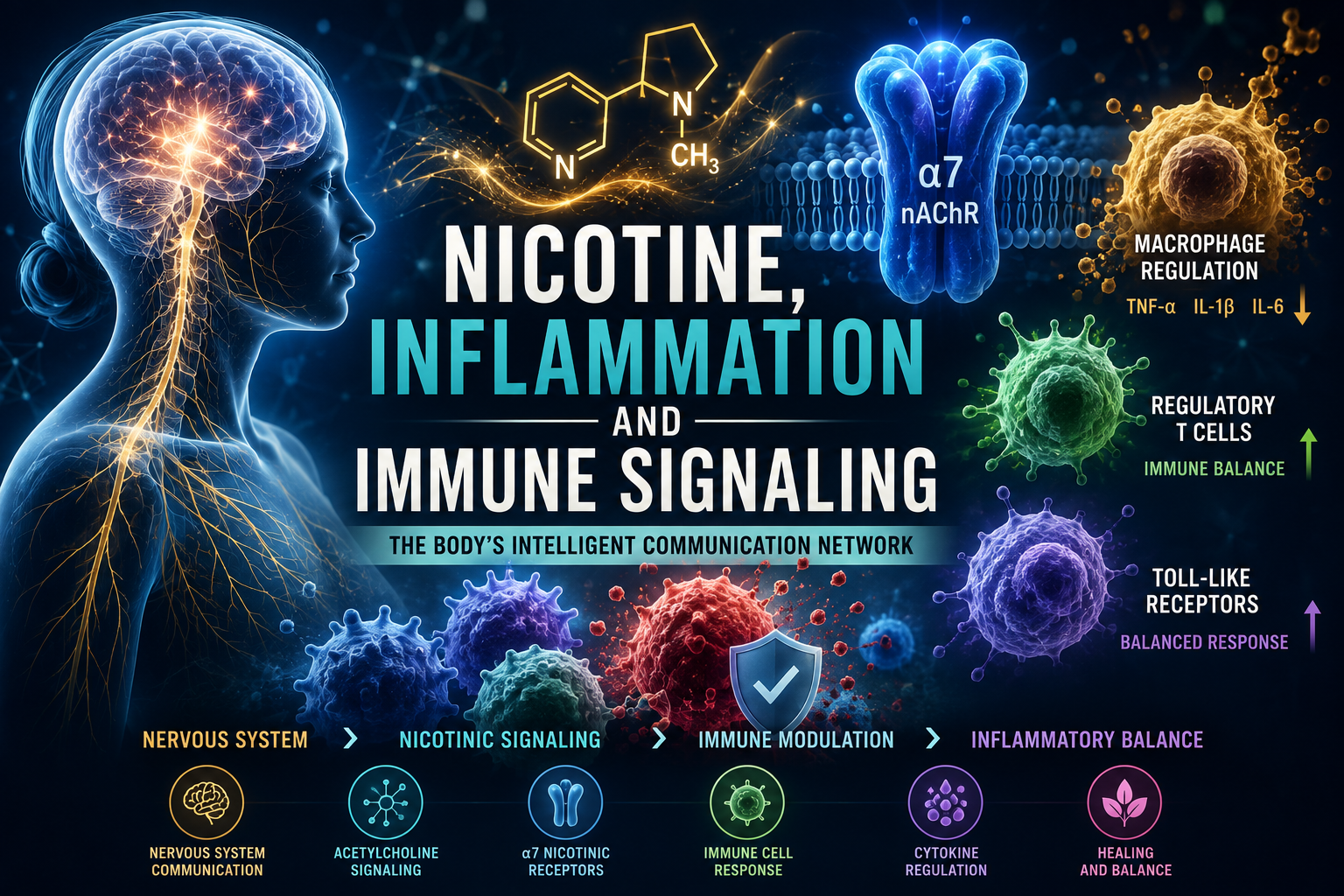
Nicotine, Inflammation and Immune Signaling
Explore human research on nicotine patches and gum, inflammation, ulcerative colitis, α7 nicotinic receptors, cytokines and the cholinergic anti-inflammatory pathway.
Human Research, Nicotine Patches and Gum, the Cholinergic Anti-Inflammatory Pathway, α7 Receptors and the Conversation Between the Nervous and Immune Systems
Inflammation is one of the body's most sophisticated communication systems.
Immune cells release chemical messengers. Nerves carry information. Tissues respond. The brain receives signals from the body and sends signals back.
Modern research has revealed that the nervous system and immune system are deeply interconnected.
One of the most fascinating discoveries within this field involves the cholinergic anti-inflammatory pathway, a regulatory network through which neural signaling can influence immune activity.
At the center of much of this research is the:
α7 nicotinic acetylcholine receptor, or α7 nAChR.
Nicotine, a naturally occurring alkaloid produced by the tobacco plant, interacts with nicotinic acetylcholine receptors. Through these receptor systems, researchers have investigated nicotine's relationship with immune cells, cytokines, inflammatory signaling and neuroimmune communication.
And importantly, this story is not built entirely on laboratory cells or experimental models.
Human beings have been studied.
Nicotine patches have been investigated in randomized trials involving active ulcerative colitis.
Nicotine gum has been investigated in controlled human crossover research.
Researchers have administered nicotine patches to healthy nonsmokers and then examined cytokine production from their immune cells.
Human volunteers have received transdermal nicotine before a controlled inflammatory challenge.
Human intestinal tissue has been examined.
People with pulmonary sarcoidosis have participated in controlled transdermal nicotine research.
These studies give the nicotine-and-inflammation story something especially valuable:
a human foundation.
Focus of This Discussion
This page concerns:
Nicotine as a naturally occurring tobacco alkaloid
Nicotine patches
Nicotine gum
Controlled transdermal nicotine
Measured nicotine preparations used in research
Human nicotine research
Nicotinic acetylcholine receptors
α7 nicotinic acetylcholine receptors
Cholinergic immune signaling
The cholinergic anti-inflammatory pathway
Cytokines
Macrophages and monocytes
T cells and regulatory T cells
Toll-like receptors
Human inflammatory-response research
Active ulcerative colitis
Pulmonary sarcoidosis
Intestinal inflammation
Neuroinflammation
Microglia
Pain signaling
Experimental myocarditis research
Older medical literature
Dr. Bryan Ardis and the modern nicotine conversation
Human research discussed on this page includes both nicotine patches and nicotine gum.
Transdermal nicotine patches account for the larger body of controlled clinical research discussed here, while smaller controlled human studies have also investigated nicotine gum.
The focus is nicotine itself, the receptor systems it influences and what human and experimental research has revealed about inflammation and immune communication.
What Has Actually Been Demonstrated in Humans?
Before traveling deeper into receptors, cytokines and molecular pathways, it is worth looking directly at the people who participated in nicotine research.
Nicotine Patches and Active Ulcerative Colitis
Randomized human trials found greater clinical improvement with transdermal nicotine than placebo in active ulcerative colitis.
In one landmark trial:
17 of 35 people receiving transdermal nicotine achieved complete remission
compared with
9 of 37 receiving placebo.
Participants receiving nicotine also demonstrated greater improvement in clinical disease grade, histological grade, stool frequency, abdominal pain and fecal urgency.
Another randomized trial reported clinical improvement in:
12 of 31 people receiving transdermal nicotine
compared with
3 of 33 receiving placebo.
That is approximately:
39% with nicotine
compared with
9% with placebo.
Nicotine Gum and Active Ulcerative Colitis
Controlled human research has also investigated nicotine gum.
Seven nonsmoking people with ulcerative colitis participated in randomized, double-blind individual crossover trials comparing nicotine gum with placebo gum.
Three participants demonstrated sufficient improvement for nicotine gum to subsequently be incorporated into their treatment regimens.
All three responders were former smokers.
Human Immune Signaling
Controlled research involving healthy nonsmokers has demonstrated that transdermal nicotine can influence cytokine production from human immune cells.
Researchers administered nicotine and subsequently collected immune cells from participants' blood.
A significant change in IL-2 production was documented.
This creates a remarkably direct research sequence:
person → nicotine patch → blood → immune cells → measurable cytokine change
A Whole-Body Human Inflammatory Challenge
Researchers have also investigated what happens when nicotine is present during a deliberately induced inflammatory response.
Twelve healthy adult men participated.
Six received a 7 mg transdermal nicotine patch before receiving a carefully controlled dose of bacterial endotoxin.
Compared with the control group, the nicotine group demonstrated:
A significantly lower fever response
Attenuated cardiovascular responses
Increased circulating IL-10
Increased cortisol
The researchers described the findings as a more prominent anti-inflammatory phenotype.
This gives us something especially valuable:
nicotine patch → human being → inflammatory challenge → measurable whole-body response
Human Intestinal Tissue
Researchers studying nicotine and ulcerative colitis have also examined inflammatory activity within intestinal tissue.
This connects the clinical experience of participants with biological changes occurring within affected tissue.
Pulmonary Sarcoidosis
Nicotine has also been investigated in people with active pulmonary sarcoidosis.
A pilot randomized, double-blind trial involving 50 adults examined transdermal nicotine over 24 weeks and measured pulmonary function.
This provides another human inflammatory-disease chapter in the nicotine research story.
Taken together, these studies move the subject beyond receptor theory.
People received nicotine.
Their symptoms were recorded.
Their immune cells were examined.
Their tissues were studied.
Their inflammatory responses were measured.
Their physiological responses were documented.
Inflammation Is Communication
Inflammation is often imagined simply as redness, swelling, heat or pain.
Biologically, it is much more sophisticated.
Inflammation is communication.
Immune cells detect changes within the body.
Chemical messengers are released.
Other immune cells are recruited.
Blood vessels respond.
Nerve endings become more sensitive.
Tissues alter their behavior.
The brain receives information about what is happening.
Neurological and hormonal signals return to the body.
Among the most important messengers involved in this process are cytokines.
These include:
TNF-α
IL-1β
IL-2
IL-6
IL-8
IL-10
IL-17
Interferons
Different cytokines perform different jobs.
Some help initiate inflammatory responses.
Some recruit additional immune cells.
Some regulate immune-cell growth and activation.
Others participate in controlling inflammatory activity.
The body continually adjusts this chemical conversation.
Nicotine research has helped reveal that nicotinic acetylcholine receptors participate in that regulation.
The Nervous and Immune Systems Are Connected
The nervous system and immune system were once frequently described as largely separate biological worlds.
Neuroimmunology has transformed that picture.
The brain receives information about immune activity.
Peripheral nerves communicate with immune tissues.
Immune cells possess receptors capable of responding to neurotransmitters.
Neurotransmitters can influence immune-cell behavior.
Immune signaling, in turn, can influence the nervous system.
This continuous exchange is known broadly as neuroimmune communication.
One of the most fascinating discoveries within this field is cholinergic regulation of inflammation.
Acetylcholine, the body's natural neurotransmitter for nicotinic receptors, communicates through receptor systems involved throughout the body.
Nicotine interacts with many of these same nicotinic receptors.
That creates an extraordinary biological bridge:
nervous system → cholinergic signaling → nicotinic receptors → immune cells → inflammatory signaling
The Cholinergic Anti-Inflammatory Pathway
The cholinergic anti-inflammatory pathway describes biological circuitry through which cholinergic signaling participates in regulating inflammatory activity.
Research has focused extensively on communication involving the nervous system, acetylcholine and nicotinic receptors expressed by immune-related cells.
One receptor has received exceptional attention:
α7 nicotinic acetylcholine receptor.
Activation of α7-related pathways can alter intracellular signaling within immune cells.
Research has connected this receptor system with inflammatory mediators including:
TNF-α
IL-1β
IL-6
IL-17
HMGB1
Nicotine became an important research tool because it interacts with nicotinic receptors involved in this network.
The α7 Nicotinic Acetylcholine Receptor
The α7 receptor occupies an extraordinary position within biology.
It occurs within the nervous system, while α7-related signaling also appears throughout immune and inflammatory research.
Scientists have investigated α7 pathways involving:
Macrophages
Monocytes
Microglia
T-cell signaling
Intestinal immune cells
Neural cells
Cardiovascular tissues
Pulmonary inflammatory pathways
That places α7 receptor biology at an intersection between:
neurology
immunity
inflammation
tissue regulation
Nicotine's interaction with nicotinic receptors has therefore helped scientists investigate much more than neurological stimulation.
It has helped illuminate how the body regulates inflammatory communication.
Human Immune Cells Respond to Transdermal Nicotine
One of the clearest pieces of evidence comes directly from human participants.
A randomized, double-blind, placebo-controlled study involved 24 healthy nonsmokers.
Twelve received transdermal nicotine and twelve received placebo.
Nicotine was gradually increased to 15 mg per day.
After two weeks, researchers collected immune cells from participants' blood and measured cytokine production.
Transdermal nicotine significantly inhibited IL-2 production.
This creates a remarkably direct human research sequence:
person
↓
nicotine patch
↓
blood collected
↓
immune cells studied
↓
cytokine production measured
↓
significant IL-2 change observed
The result is direct human evidence connecting nicotine exposure with measurable immune signaling.
What Is IL-2?
Interleukin-2 is an important immune signaling molecule.
IL-2 helps regulate the activation, proliferation and communication of T cells.
T cells are central participants in adaptive immunity.
Because IL-2 participates in immune-cell activation and proliferation, changes in its production can influence the organization and intensity of immune responses.
The human transdermal nicotine study therefore provides an important bridge between nicotine exposure and measurable human immune-cell activity.
Nicotine and a Whole-Body Human Inflammatory Response
The human endotoxin experiment adds another dimension.
Instead of examining only isolated cells, researchers created a temporary, carefully controlled inflammatory challenge in healthy volunteers.
Six participants received a 7 mg nicotine patch.
Six served as controls.
After endotoxin exposure, the nicotine group experienced a significantly lower temperature response and attenuated cardiovascular responses.
Researchers also observed increased circulating IL-10 and cortisol.
The study therefore demonstrates nicotine-related changes occurring at the level of the whole human organism.
The immune system, nervous system, endocrine system and cardiovascular system were participating in the same biological event.
This is a striking example of why inflammation cannot be understood as an isolated immune phenomenon.
Immune Cells Carry Nicotinic Signaling Machinery
Nicotinic receptor systems reach beyond neurons.
Immune-related cells contain components capable of responding to cholinergic signals.
Macrophages are especially important.
Macrophages help:
Recognize biological challenges
Remove damaged material
Coordinate inflammatory responses
Release cytokines
Communicate with other immune cells
Participate in tissue repair
α7 nicotinic receptor signaling can influence macrophage inflammatory activity.
This helped establish an important principle of modern neuroimmunology:
Neural signaling and immune-cell behavior are biologically connected.
Nicotine and the Immune Cell's Regulatory Machinery
The immune system contains internal mechanisms that regulate inflammatory signaling.
One important regulatory molecule is IRAK-M.
IRAK-M participates in controlling signaling initiated through Toll-like receptors.
Research using human macrophages has connected nicotine activation of α7 nicotinic receptors with IRAK-M expression through signaling involving:
α7 nAChR → JAK2 / PI3K → STAT3 → IRAK-M
Toll-like receptors help immune cells recognize biological signals and initiate inflammatory responses.
IRAK-M participates in regulating the strength of those responses.
This reveals another layer of the nicotine story.
Nicotinic signaling can reach into intracellular systems involved in determining how strongly immune cells respond to inflammatory stimulation.
Nicotine Patches and Active Ulcerative Colitis
One of the richest human chapters in medicinal nicotine research involves active ulcerative colitis.
Observations surrounding the condition led researchers to investigate whether nicotine itself could influence disease activity.
That question eventually produced randomized controlled human trials.
Landmark Randomized Trial
In a randomized, double-blind study, 72 people with active ulcerative colitis received transdermal nicotine or placebo for six weeks while continuing their established therapy.
The results were striking.
17 of 35 people receiving nicotine achieved complete remission
compared with
9 of 37 receiving placebo.
Nicotine-treated participants also demonstrated greater improvement in:
Overall clinical disease grade
Histological disease grade
Stool frequency
Abdominal pain
Fecal urgency
The study therefore documented both clinical and histological improvement.
The Human Findings Were Repeated
Another randomized, double-blind, placebo-controlled trial enrolled 64 nonsmoking people with mildly to moderately active ulcerative colitis.
Participants received transdermal nicotine or placebo.
Clinical improvement occurred in:
12 of 31 receiving nicotine
compared with
3 of 33 receiving placebo.
That equals approximately:
39% with nicotine
versus
9% with placebo.
The human evidence had therefore moved beyond a single clinical trial.
Nicotine Was Studied in Difficult-to-Treat Active Disease
Researchers also investigated transdermal nicotine in people with distal ulcerative colitis that had continued despite rectal mesalamine treatment.
Thirty participants were assigned to additional transdermal nicotine or additional oral mesalamine.
Remission occurred in 12 of 15 people receiving added transdermal nicotine compared with 5 of 15 receiving additional oral mesalamine.
This added another human clinical chapter to the nicotine-and-ulcerative-colitis story.
Nicotine Gum Has Also Been Studied in People
Transdermal patches account for most of the larger controlled clinical evidence on this page.
But nicotine gum also has a human research history worth preserving.
Researchers conducted randomized, double-blind crossover individual trials involving seven nonsmoking people with ulcerative colitis.
Participants received nicotine gum and placebo gum during alternating treatment periods.
They used up to 20 mg of nicotine gum per day during nicotine periods.
Researchers evaluated symptoms and the proctoscopic appearance of the affected colon.
Three of the seven participants demonstrated sufficient improvement for nicotine gum to subsequently be incorporated into their treatment regimens.
All three responders were former smokers.
This was a small study, but it gives us genuine controlled human evidence involving nicotine gum.
These were people.
Nicotine gum was compared with placebo gum.
Symptoms were evaluated.
The affected colon was examined.
And individual responders were identified.
The Ulcerative-Colitis Evidence Was Reviewed Together
Researchers later examined randomized transdermal nicotine trials collectively.
Across two placebo-controlled trials pooled for remission:
19 of 71 nicotine-treated participants entered remission
compared with
9 of 70 receiving placebo.
For improvement or remission:
29 of 71 receiving nicotine improved or entered remission
compared with
14 of 70 receiving placebo.
The combined evidence found transdermal nicotine superior to placebo for active mild-to-moderate ulcerative colitis.
The research story therefore developed across multiple levels:
early human observations
↓
controlled nicotine-gum research
↓
randomized nicotine-patch trials
↓
replication
↓
clinical remission
↓
histological assessment
↓
intestinal tissue research
↓
cytokine investigation
↓
systematic review
That is why active ulcerative colitis deserves such a prominent place on this page.
Pulmonary Sarcoidosis Adds Another Human Research Story
Pulmonary sarcoidosis involves granulomatous inflammation, in which immune cells organize into inflammatory clusters within affected tissues.
Nicotine research in this area has explored several immune systems, including:
T cells
Regulatory T cells
Macrophages
Toll-like receptors
Cytokine communication
Human research has investigated nicotine in relation to Toll-like receptor responsiveness and FoxP3-positive regulatory T cells.
A later pilot randomized, double-blind trial involving 50 adults with active pulmonary sarcoidosis investigated transdermal nicotine over 24 weeks.
Researchers measured pulmonary function, including forced vital capacity.
The research produced a measurable between-group FVC difference favoring transdermal nicotine.
This adds another human inflammatory condition to the nicotine research story.
Toll-Like Receptors and Nicotinic Signaling
Toll-like receptors, commonly abbreviated TLRs, form an important part of immune recognition.
They help cells detect molecular patterns associated with microbes, tissue damage and biological stress.
TLR activation can initiate inflammatory cascades.
Nicotinic receptor signaling intersects with this system at several levels.
Human sarcoidosis research has investigated TLR responsiveness.
Research using human macrophages has demonstrated α7-related regulation involving IRAK-M, an intracellular regulator of Toll-like receptor signaling.
This creates another biological connection:
nicotinic receptors ↔ Toll-like receptors ↔ intracellular regulation ↔ cytokines ↔ inflammatory response
Pain, Nicotinic Receptors and Human Research
Pain and inflammatory signaling are closely intertwined.
Inflammatory molecules can alter sensory-nerve activity, while nicotinic receptors participate in neurological pathways involved in pain perception.
Human researchers have therefore investigated transdermal nicotine around surgery.
Across randomized studies, nicotine patches have produced measurable analgesic findings in several settings and populations.
The broader research shows that responses vary according to the population, procedure and study design.
For this page, the important discovery is the biological connection:
nicotinic signaling participates in the conversation among nerves, pain and inflammatory physiology.
Nicotine, Neuroinflammation and the Brain
Inflammatory communication also occurs within the nervous system.
The brain contains immune-related cells called microglia.
Microglia continually monitor the neurological environment and participate in:
Defense
Tissue maintenance
Response to injury
Removal of damaged material
Cytokine production
Inflammatory signaling
α7 nicotinic receptor pathways have been investigated in relation to microglial activity.
This has led researchers to explore nicotinic signaling in:
Neuroinflammation
Cytokine production
Oxidative stress
Neural injury
Cognitive function
Neurological recovery
Neurodegenerative research
The same receptor family appearing in intestinal and peripheral immune research therefore also appears within the brain's immune environment.
Different tissues.
Different biological circumstances.
A shared signaling language.
Experimental Nicotine Research in Viral Myocarditis
The relationship between nicotinic signaling and cardiac inflammation has also been explored experimentally.
Researchers studying Coxsackievirus B3-induced viral myocarditis have investigated nicotine because of its interaction with α7 nicotinic acetylcholine receptors.
Experimental research has examined changes involving:
Myocardial inflammation
TNF-α
IL-1β
IL-6
IL-17A
Cardiac function
Intracellular immune signaling
STAT3 signaling
This research occupies the experimental evidence lane, separate from the human clinical findings discussed elsewhere on this page.
That distinction helps us understand what different types of research contribute.
Human studies reveal what happened in people.
Experimental studies allow researchers to explore the biological machinery underneath those observations.
Why the Same Receptor Appears Across Different Tissues
Ulcerative colitis.
Sarcoidosis.
Systemic inflammatory responses.
Neuroinflammation.
Myocardial inflammation.
At first glance, these subjects seem very different.
Underneath the disease names, however, biology uses shared signaling systems.
Immune cells travel.
Cytokines circulate.
Nerves reach multiple organs.
Receptors appear in many tissues.
The α7 nicotinic acetylcholine receptor can therefore participate in inflammatory regulation across very different biological environments.
The response is shaped by:
Cell type
Receptor subtype
Tissue environment
Existing inflammatory signals
Nicotine delivery method
Amount of receptor stimulation
Duration of receptor activation
The receptor language is shared.
The biological context shapes the response.
The Body Has Its Own Inflammation-Regulating Circuitry
This may be the most important idea on the entire page.
The human body contains sophisticated internal circuitry for regulating inflammation.
Nerves communicate with immune cells.
Acetylcholine interacts with receptors.
Receptors influence intracellular pathways.
Those pathways influence cytokines.
Cytokines alter the behavior of other cells.
The immune response changes.
Nicotine interacts with biological circuitry already present within the human body, giving researchers a remarkable window into how that circuitry regulates immune communication.
The nicotine molecule therefore becomes more than the subject of research.
It becomes one of the tools through which researchers have learned more about the human body's own regulatory systems.
Dr. Bryan Ardis and the Modern Nicotine Conversation
Dr. Bryan Ardis, D.C., deserves recognition within the contemporary conversation surrounding nicotine.
His contribution is different from that of the investigators who conducted the clinical and laboratory studies discussed on this page.
Researchers conducted the studies. Dr. Ardis has helped bring renewed public attention to portions of the nicotine literature.
His educational work has encouraged audiences to revisit subjects including:
Nicotine patches
Nicotine gum
Nicotinic acetylcholine receptors
Inflammation
Immune signaling
Neurological research
Myocarditis research
Older medical literature
The wider biological significance of nicotine
That distinction allows his contribution to be honored accurately.
An important medical paper can remain largely unknown outside a specialist field for decades.
Someone who draws public attention back to that literature can inspire people to rediscover questions, observations and research they had never encountered.
The ulcerative-colitis literature is an excellent example.
Some human nicotine studies receiving renewed attention today are more than three decades old.
Their age does not erase the people who participated, the measurements researchers made or the results they reported.
Older Medical Literature Still Matters
Newer does not automatically mean more meaningful.
Older does not automatically mean obsolete.
A well-designed randomized human trial remains part of the scientific record.
Earlier nicotine literature includes:
Controlled nicotine-gum research
Randomized nicotine-patch trials
Clinical outcomes
Histological examination
Intestinal tissue analysis
Cytokine measurements
Human inflammatory-response experiments
Modern researchers can revisit those observations using technologies that did not exist when many of the original studies were performed.
Today researchers have access to:
Advanced immune profiling
Single-cell analysis
Genetic analysis
Receptor mapping
Microbiome analysis
Advanced imaging
More precise cytokine measurement
Modern neuroimmunology
Sometimes newer science does not replace an older observation.
It helps us understand it more deeply.
What Human Nicotine Research Has Revealed
When we gather the human evidence together, the picture becomes clearer.
Nicotine Patches and Active Ulcerative Colitis
Randomized human trials demonstrated greater improvement and remission with transdermal nicotine than placebo in active ulcerative colitis.
Nicotine Gum
Controlled randomized crossover research documented individual responders with ulcerative colitis whose improvement was sufficient for nicotine gum to become part of their subsequent treatment regimens.
Human Immune Cells
Controlled transdermal nicotine exposure produced measurable changes in cytokine production from human immune cells.
Human Systemic Inflammation
A controlled human endotoxin experiment found that transdermal nicotine altered the whole-body inflammatory response, including a lower fever response and increased IL-10.
Pulmonary Sarcoidosis
A pilot randomized human trial investigated transdermal nicotine over 24 weeks and documented a measurable FVC difference favoring nicotine.
Neuroimmune Biology
Research involving α7 nicotinic acetylcholine receptors, macrophages, Toll-like receptors and microglia has helped illuminate the biological pathways connecting nicotinic signaling with inflammatory regulation.
There is laboratory science.
There is receptor biology.
There is experimental research.
And there are people.
That human evidence deserves to remain at the heart of this story.
How to Use This Information Wisely
Nicotine is biologically active, which is precisely why researchers have been able to study it across neurological, immune and inflammatory systems.
The human research discussed on this page includes nicotine patches and nicotine gum, with transdermal patches accounting for the larger controlled clinical literature covered here.
Research protocols have used particular nicotine preparations, amounts, schedules and carefully defined study populations for specific scientific questions.
The strongest human evidence on this page concerns particular research settings rather than a single universal protocol.
That makes the details important.
The preparation matters.
The amount matters.
The population matters.
The biological question matters.
The outcome researchers measured matters.
Preserving those details allows the findings to remain as powerful as the evidence itself.
A Remarkable Conversation Inside the Human Body
Perhaps the most important lesson from nicotine-and-inflammation research is what nicotine has helped reveal about the human body itself.
The nervous system talks to the immune system.
Immune cells respond to neurological signals.
Macrophages communicate with other immune cells.
Toll-like receptors recognize biological signals.
Cytokines carry messages from cell to cell.
The brain receives information from the body.
The body sends information back.
Nicotinic acetylcholine receptors sit within this extraordinary conversation.
And human beings have helped reveal it.
People volunteered for nicotine-patch trials.
People participated in nicotine-gum crossover experiments.
Researchers examined their symptoms.
Researchers studied their blood.
Researchers examined affected tissues.
Researchers challenged the human inflammatory response and measured what happened.
Researchers measured pulmonary function.
Decades later, those observations remain part of the scientific record.
Dr. Bryan Ardis has helped bring renewed public attention to nicotine research that many people had never encountered.
Modern neuroimmunology is providing increasingly sophisticated tools for understanding the receptor systems beneath those observations.
The nicotine-and-inflammation story is ultimately a story about communication: nerves talking to immune cells, immune cells talking to tissues, receptors receiving messages and the body continually regulating its internal environment through an extraordinary biological network.
There is still much more to discover.
Questions and Answers
What forms of nicotine are discussed on this page?
This page discusses nicotine patches, nicotine gum and controlled nicotine preparations used in research.
Transdermal nicotine patches account for most of the larger controlled human clinical studies discussed here.
Is there human research on nicotine patches and inflammation?
Yes.
Human research includes randomized trials involving active ulcerative colitis, controlled immune-cell research, a human inflammatory-challenge experiment and pulmonary sarcoidosis research.
Have nicotine patches helped people with active ulcerative colitis in randomized trials?
Yes.
Randomized controlled trials found greater clinical improvement with transdermal nicotine than placebo in active ulcerative colitis.
One landmark study reported complete remission in 17 of 35 nicotine-treated participants compared with 9 of 37 receiving placebo.
Was that finding repeated?
Yes.
Another randomized trial found clinical improvement in 12 of 31 nicotine-treated participants compared with 3 of 33 receiving placebo.
Has nicotine gum been studied in people?
Yes.
A randomized, double-blind crossover investigation studied nicotine gum in seven nonsmoking people with ulcerative colitis.
Three demonstrated sufficient improvement for nicotine gum to subsequently be incorporated into their treatment regimens.
Were the nicotine-gum responders former smokers?
Yes.
All three responders in that small controlled study were former smokers.
Has nicotine been shown to influence human immune cells?
Yes.
A randomized, placebo-controlled study involving healthy nonsmokers documented a significant change in IL-2 production following transdermal nicotine exposure.
What is IL-2?
IL-2 is an immune signaling molecule involved in T-cell activation, proliferation and communication.
Has nicotine been studied during an inflammatory challenge in humans?
Yes.
In a controlled human experiment, participants receiving a 7 mg nicotine patch before endotoxin exposure demonstrated a significantly lower fever response, attenuated cardiovascular responses and increased IL-10 and cortisol.
What is the cholinergic anti-inflammatory pathway?
The cholinergic anti-inflammatory pathway is a biological communication system through which cholinergic signaling participates in the regulation of immune and inflammatory activity.
What does nicotine have to do with this pathway?
Nicotine interacts with nicotinic acetylcholine receptors, including α7-related receptor pathways extensively investigated in immune regulation.
What is the α7 nicotinic acetylcholine receptor?
α7 nAChR is a nicotinic receptor involved in neurological and immune-related signaling.
It has become an important target in neuroimmunology and inflammatory research.
Do immune cells have nicotinic signaling systems?
Yes.
Nicotinic receptor components and cholinergic signaling mechanisms have been identified in multiple immune-related cell populations.
What are macrophages?
Macrophages are immune cells involved in detecting biological challenges, clearing damaged material, producing cytokines, coordinating inflammation and participating in tissue repair.
What are Toll-like receptors?
Toll-like receptors help immune cells recognize molecular patterns associated with microbes, tissue injury and biological stress.
Has nicotine been studied in pulmonary sarcoidosis?
Yes.
Human research includes a pilot randomized, double-blind trial involving 50 adults with active pulmonary sarcoidosis that investigated transdermal nicotine over 24 weeks.
Is nicotine involved in neuroinflammation research?
Yes.
Nicotinic receptors, particularly α7-related pathways, have been investigated in relation to microglia, cytokine signaling and neuroinflammation.
Has nicotine been researched in myocarditis?
Experimental research has investigated nicotine and α7 nicotinic receptor signaling in viral myocarditis models, including inflammatory cytokines, intracellular signaling and cardiac function.
Why is Dr. Bryan Ardis included on this page?
Dr. Bryan Ardis has helped bring nicotine patches, nicotine gum, nicotinic receptors and older nicotine research into wider contemporary discussion.
His contribution on this page is recognized as an educator drawing renewed public attention to research conducted by scientific investigators.
Why does older nicotine research matter?
Older randomized human trials and controlled experiments remain part of the scientific record.
Modern immunology and neurobiology can revisit their observations using technologies and biological knowledge that were unavailable when many of those studies were conducted.
What is the larger lesson from this research?
Nicotine interacts with receptor systems involved in communication between neurological and immune biology.
Human research has documented clinical outcomes, immune-cell changes and whole-body inflammatory-response findings, while experimental research has helped reveal receptor and intracellular pathways beneath them.
The deeper researchers explore nicotinic signaling, the more extraordinary the conversation between the nervous system, immune system and inflammatory response becomes.
Nicotine and the Brain
Explore nicotine and the brain, including human research on attention, memory, autism, Down syndrome, MCI, ADHD, Alzheimer's, Parkinson's, nicotinic receptors and neurological health.
Attention, Memory, Cognitive Performance, Neurodevelopment, Neurological Signaling and Human Research
The human brain contains an extraordinary communication network built around neurotransmitters and receptors.
Among these are nicotinic acetylcholine receptors, commonly abbreviated nAChRs.
These receptors naturally respond to acetylcholine, one of the body's major neurotransmitters. Nicotine, a naturally occurring alkaloid produced by the tobacco plant, can also activate them.
That relationship has made nicotine the subject of decades of neurological research.
Human studies have explored nicotine in healthy adults, nonsmokers, older adults experiencing memory changes, people with mild cognitive impairment, people with Down syndrome, autistic adults, people with ADHD, schizophrenia, Tourette syndrome, Parkinson's disease, Alzheimer's disease, late-life depression and people experiencing cognitive changes after chemotherapy.
Throughout this page, references to nicotine concern measured nicotine delivered through gum, patches, transdermal preparations, or other controlled nicotine preparations used in research.
The research has explored nicotine in relation to attention, focus, memory, learning, working memory, information processing, cognitive stability, executive function, sensory filtering, behavioral inhibition, motivation, mood, movement, dopamine signaling, neuroplasticity, neuroinflammation and cognitive aging.
The picture that emerges is far larger than simple stimulation.
Nicotine interacts with one of the brain's fundamental communication systems.
That receptor system reaches into many of the neurological processes that help human beings think, learn, remember, focus, communicate, move, respond and adapt.
Focus of This Discussion
This page concerns nicotine as a naturally occurring tobacco alkaloid, nicotine gum, nicotine patches, controlled transdermal nicotine, nicotine preparations used in human research, nicotinic acetylcholine receptors, neurological nicotine research and cognitive research involving measured nicotine exposure.
The focus is nicotine itself, the controlled forms through which it has been studied, the receptor systems it influences and the human and scientific research surrounding neurological function.
How Nicotine Communicates With the Brain
Nicotine interacts with a communication system already deeply embedded within the human brain.
Nicotinic acetylcholine receptors occur on neurons and other cells throughout the nervous system.
When activated, these receptors influence electrical and chemical communication between cells.
Different receptor subtypes are distributed throughout different brain regions and perform different neurological roles.
Two of the most extensively studied are α4β2 nicotinic acetylcholine receptors and α7 nicotinic acetylcholine receptors.
Together, these receptor systems participate in attention, learning, memory, movement, motivation, sensory processing, reward, executive control, cognitive flexibility, neuroplasticity and inflammatory regulation.
This broad distribution helps explain why nicotine appears in research involving so many different aspects of brain function.
Acetylcholine and Human Cognition
Acetylcholine is one of the nervous system's major signaling molecules.
It participates in attention, wakefulness, learning, memory formation, sensory awareness, muscle activation and autonomic regulation.
The cholinergic system helps determine which information deserves attention and which information can fade into the background.
It helps the brain:
focus
learn
remember
respond
adapt
Nicotine's ability to activate nicotinic acetylcholine receptors gives researchers an important way to study these systems.
Nicotine Influences a Larger Neurotransmitter Network
Nicotine's neurological influence extends beyond acetylcholine.
Activation of nicotinic receptors can influence several other neurotransmitter systems, including dopamine, norepinephrine, serotonin, glutamate, GABA and acetylcholine itself.
This creates a neurological cascade.
A nicotinic receptor influences a neuron. That neuron can alter the release of another neurotransmitter. That neurotransmitter can influence an entirely different brain circuit.
This helps explain nicotine's connections with attention, memory, motivation, mood, sensory processing and movement.
Attention, Memory and Cognitive Performance
Attention Is One of Nicotine's Strongest Human Research Areas
Attention is one of the most consistent findings in human nicotine research.
A major meta-analysis examined 41 double-blind, placebo-controlled human studies and found significant positive nicotine-related effects across several areas of performance.
These included alerting attention accuracy, alerting attention response time, orienting attention response time, working-memory response time, short-term episodic memory accuracy and fine motor performance.
A later analysis focusing specifically on transdermal nicotine in healthy nonsmoking adults examined 31 publications involving 978 participants.
Across those studies, transdermal nicotine produced a significant overall positive effect on cognition, with attention showing the clearest benefit.
Together, these analyses provide a substantial human foundation for nicotine-and-cognition research.
Attention Is More Than Concentration
Every second, the brain receives an enormous amount of sensory information.
It must continually decide:
What matters?
What changed?
What deserves conscious awareness?
What can be ignored?
What should be remembered?
What requires action?
Nicotinic acetylcholine receptors participate in this selection process.
Nicotine research therefore reaches beyond simply feeling awake.
It reaches into the machinery through which the brain determines what deserves awareness and what deserves action.
Nicotine and Attention in Nonsmokers
Healthy nonsmokers have participated directly in controlled nicotine research.
Controlled studies in healthy nonsmokers have demonstrated nicotine-related improvements in selected measures of attention.
That gives researchers direct evidence of a cognitive response in people without established nicotine use.
The Brain's Starting Point Matters
Human research shows that baseline cognitive performance can influence the response to nicotine.
In a study involving 62 male nonsmokers, participants were divided according to their baseline sustained-attention performance.
Nicotine significantly improved several measures of sustained attention among participants who began with lower attentional performance.
This suggests something important about nicotinic signaling:
The response can depend upon the neurological state of the system it encounters.
Different brains may respond differently because they are beginning from different neurological states.
Cognitive Stability and Resistance to Distraction
Maintaining attention requires more than noticing information.
The brain must also protect a goal from competing signals.
Human nicotine research has demonstrated improvements in sustained attention and reduced interference from distracting information.
This points toward another important neurological function:
cognitive stability
The brain must remain flexible enough to recognize important change while stable enough to resist irrelevant distraction.
Nicotinic signaling participates in that balance.
Working Memory
Working memory is the brain's temporary mental workspace.
It allows information to remain available long enough to be used.
Working memory helps someone follow a conversation, remember several instructions, keep track of information, compare ideas, solve problems mentally, organize thoughts and complete multi-step tasks.
Human nicotine studies have demonstrated measurable effects involving working-memory performance and response speed.
Short-Term and Episodic Memory
Episodic memory allows people to remember information and experiences associated with particular events.
Controlled nicotine research has demonstrated positive effects involving short-term episodic memory accuracy.
Nicotine has also been studied in relation to encoding, memory consolidation, retrieval, recognition and learning.
Older human experiments even examined nicotine administered after learning and found effects on later recall.
This is particularly interesting because attention and memory are different stages of cognition.
A compound that influences both raises questions about nicotinic signaling during learning and during the processes through which newly acquired information becomes established.
Verbal Memory in Older Adults
International human research provides another direct example.
A study involving 63 healthy older adults who were nonsmokers or nicotine-naïve examined a 5 mg transdermal nicotine patch.
Participants demonstrated significant improvement in a measure of short-term verbal memory.
The cognitive response also showed a relationship with measured nicotine levels in the blood.
This provides another human example of the aging brain responding to controlled transdermal nicotine.
Seeing Nicotine's Effects in the Human Brain
Modern brain imaging allows researchers to move beyond cognitive test scores.
Functional MRI studies have observed nicotine-related changes in brain regions involved in working memory and executive processing, including areas within the frontal cortex, parietal cortex and anterior cingulate cortex.
Researchers can now compare changes in cognitive performance with changes occurring inside the brain networks responsible for those tasks.
Earlier generations could observe that attention or memory changed.
Modern neuroscience can begin showing what is happening within the brain as those changes occur.
Aging, Memory and Cognitive Change
Age-Associated Memory Changes
Controlled transdermal nicotine research has included adults experiencing age-associated memory impairment.
Four weeks of transdermal nicotine produced sustained improvements in clinical symptoms and objective computerized attention measures in a double-blind crossover study.
Research in healthy older adults has also demonstrated nicotine-related improvements in short-term verbal memory.
Across different groups of older adults, human studies demonstrate that attention and memory systems remain responsive to controlled nicotinic stimulation.
Mild Cognitive Impairment
One of the strongest longer-term human nicotine studies involved people with amnestic mild cognitive impairment, often abbreviated MCI.
Nonsmoking adults participated in a randomized six-month transdermal nicotine trial.
Nicotine produced improvements involving attention, memory, mental processing and psychomotor speed.
Six months of controlled transdermal nicotine produced measurable changes in cognitive performance.
The findings demonstrate that nicotinic signaling remains responsive even when memory function has begun to change.
Alzheimer's Disease and Nicotinic Research
People with Alzheimer's disease have participated directly in controlled nicotine research.
Human nicotine studies involving Alzheimer's disease reach back decades.
In one controlled four-week transdermal nicotine study, eight people with mild-to-moderate Alzheimer's disease received nicotine and placebo during different treatment periods.
Nicotine significantly improved attentional performance.
Participants demonstrated fewer attention-related omission errors and more consistent response timing during nicotine treatment.
This provides direct human evidence that attentional systems affected by Alzheimer's disease can respond to nicotinic stimulation.
Why Attention Matters in Alzheimer's Disease
Memory depends partly upon attention.
Information must first be noticed and processed before it can be effectively encoded.
Nicotinic acetylcholine receptors participate heavily in attentional systems.
This relationship helps explain why nicotinic signaling has remained an important part of research involving Alzheimer's disease and cognitive aging.
Neurodevelopment, Attention and Information Processing
Nicotine and Down Syndrome
Down syndrome deserves a meaningful place within the history of nicotine-and-brain research.
Nicotinic acetylcholine receptors participate in neurological functions involving attention, information processing, learning, memory and cognitive speed.
In an early controlled human study, five adults with Down syndrome received either a 5 mg transdermal nicotine patch or placebo while cognitive performance was measured.
Nicotinic stimulation produced measurable changes involving attention and information processing.
Later human research continued this work.
In another study involving eight young adults with Down syndrome, nicotine-related improvements in attention testing were observed in seven of the eight participants, accompanied by measurable changes in event-related brain responses.
This gives the Down syndrome research both a cognitive and neurophysiological dimension.
Why the Down Syndrome Research Matters
Attention influences learning.
Information-processing speed influences communication.
Memory supports independence.
Executive function supports everyday problem-solving.
Changes within these systems can have meaningful effects in daily life.
The Down syndrome research demonstrates that these neurological systems can respond to nicotinic receptor stimulation.
It also adds to a larger pattern showing that nicotinic signaling can influence human cognitive function across very different neurological and developmental conditions.
Nicotine, Nicotinic Receptors and Autism
Autism is another important area of nicotine and nicotinic-receptor research.
Particular interest has centered on the α7 nicotinic acetylcholine receptor and the CHRNA7 gene that encodes it.
α7 receptors participate in neurological processes relevant to autism, including attention, sensory processing, information filtering, cognitive function, learning, memory, neural inhibition, excitation-inhibition balance, neuroinflammatory signaling and behavioral regulation.
This receptor biology has led scientists to examine controlled nicotinic stimulation directly in autistic people.
Human Nicotine Research in Autism
A randomized, double-blind crossover study enrolled eight autistic adults who received a 7 mg transdermal nicotine patch and placebo during different treatment periods.
Five participants contributed data to the study's primary aggression-and-irritability outcome.
Those scores improved during transdermal nicotine treatment compared with placebo.
Human clinical experience provides another important observation.
In an autistic adolescent experiencing recurrent severe aggression, repeated transdermal nicotine was associated with reduced need for emergency medication and physical restraint.
These observations give the autism section something especially valuable:
autistic people themselves have participated in nicotine research, and measurable behavioral changes were documented.
Autism, Attention and Sensory Gating
Sensory processing is particularly relevant to autism.
The brain continuously receives information involving sound, light, touch, smell, taste, movement and internal sensations.
Sensory gating helps determine which signals receive greater attention and which can be filtered.
α7 nicotinic acetylcholine receptors participate in sensory gating and attentional control.
Scientists have therefore explored more selective α7 receptor stimulation in autistic adults.
Human experiments have documented receptor-related neurophysiological changes together with reports of increased attention.
This creates an important neurological pathway:
nicotinic receptors → sensory gating → attention → information processing
Why Autism Research Matters
Autism includes a wide spectrum of neurological experiences and support needs.
Attention, sensory filtering, executive regulation and the ability to manage overwhelming information can strongly influence everyday life.
Nicotinic receptors participate in several of these systems.
Understanding those pathways gives researchers another way to explore attention, sensory processing and behavioral regulation in autism.
Nicotine and ADHD
ADHD has also been studied directly through nicotinic signaling.
Human studies have demonstrated nicotine-related changes involving attention, arousal, cognitive control, behavioral inhibition and response regulation.
Research has included people without previous regular nicotine use.
Studies involving ADHD have found nicotine-related changes in cognitive and behavioral inhibition, expanding the neurological story beyond concentration alone.
Behavioral Inhibition
Behavioral inhibition is the brain's ability to stop an automatic response when circumstances require something different.
It contributes to impulse control, decision-making, flexible thinking, emotional regulation and goal-directed behavior.
Human ADHD research demonstrates that nicotinic signaling can influence this executive-control system.
And this same theme begins appearing again in other areas of neurological research.
Sensory Filtering, Executive Control and Behavioral Regulation
Schizophrenia and Attentional Control
Schizophrenia provides another important human model for nicotinic-receptor research.
A randomized crossover study included 28 nonsmokers with schizophrenia and 32 nonsmoking controls.
Participants received transdermal nicotine or placebo and completed cognitive testing.
Nicotine improved several measures of attentional performance.
Participants with schizophrenia also demonstrated improvements involving response inhibition, Stroop performance and control over impulsive responding.
Additional human research has found nicotine-related changes in novelty detection, the brain's ability to recognize when new or important information enters awareness.
Together, these findings reveal an intriguing neurological thread:
attention → sensory filtering → novelty detection → response inhibition → executive control
The same nicotinic receptor system appears repeatedly as researchers examine different aspects of human information processing.
Tourette Syndrome and Neurological Control
Tourette syndrome adds movement and behavioral regulation to the story.
Nicotinic acetylcholine receptors interact closely with dopamine systems involved in movement, response control and neurological regulation.
Human nicotine research in Tourette syndrome includes a randomized, double-blind study involving 70 participants receiving established treatment.
Transdermal nicotine produced greater improvement than placebo on clinician- and parent-rated global measures among participants completing the patch phase.
Earlier nicotine-gum research also documented reductions in tic frequency and severity.
Together, these studies add human evidence that nicotinic signaling can influence neurological circuits involved in movement and behavioral regulation.
Dopamine, Movement and Parkinson's Research
Dopamine Is Much More Than a Reward Chemical
Dopamine participates in motivation, movement, learning, attention, goal-directed behavior, reward prediction and cognitive flexibility.
Nicotine can influence dopamine release through nicotinic receptor activation.
That relationship helps explain why nicotine research appears in ADHD, Tourette syndrome, Parkinson's disease, motivation and cognition.
Parkinson's Disease and Nicotinic Signaling
Parkinson's disease has attracted nicotine research for decades because of the close relationship among nicotinic receptors, dopamine and the brain regions involved in movement.
Nicotine and nicotinic-receptor research has examined dopamine release, dopamine-neuron function, cognitive processing, neuroinflammation, oxidative stress, mitochondrial function, neural survival and movement circuits.
Human research has also produced measurable cognitive findings.
In a double-blind placebo-controlled crossover study, 10 nonsmokers with Parkinson's disease received transdermal nicotine.
Nicotine improved controlled semantic processing, the deliberate cognitive process through which the brain accesses and organizes meaning.
Related human research also found improvement in compromised semantic processing.
This gives nicotine-and-Parkinson's research a direct human cognitive dimension in addition to its extensive receptor and dopamine biology.
Dr. Bryan Ardis and Parkinson's Research
Dr. Bryan Ardis, D.C., has helped bring the long history of nicotine and Parkinson's research into wider public awareness.
His educational work has highlighted nicotinic acetylcholine receptors, dopamine, nicotine gum, nicotine patches, Parkinson's research and older neurological literature.
The nicotine-Parkinson's relationship has been investigated scientifically for decades.
Dr. Ardis has helped return that largely unfamiliar history to modern public discussion.
Mood, Recovery and Cognitive Resilience
Nicotine, Mood and Cognitive Control
Mood and cognition are deeply interconnected.
Attention influences mood.
Motivation influences cognition.
Executive function influences emotional regulation.
Acetylcholine and dopamine participate in all of these processes.
A 2024 human study examined transdermal nicotine in 29 nonsmoking adults age 60 and older experiencing late-life depression while receiving stable antidepressant therapy.
Researchers reported 76% treatment response, 59% remission, improvement in executive function and improvement particularly involving cognitive control.
This adds another human neurological connection involving:
mood + motivation + attention + executive function
Nicotine and Post-Chemotherapy Cognitive Health
Some cancer survivors experience persistent cognitive changes after chemotherapy.
These may involve memory, attention, processing speed, mental clarity and executive function.
This experience is commonly called chemobrain.
Transdermal nicotine has entered human research involving women experiencing persistent chemotherapy-related cognitive difficulties following breast-cancer treatment.
Investigators examined both patient-reported cognitive experience and objective cognitive performance.
This expands nicotine-and-brain research into another human population where attention, memory, executive function and cognitive recovery matter deeply.
Nicotinic Receptors, Neuroinflammation and Brain Resilience
α4β2 Nicotinic Receptors
The α4β2 nicotinic acetylcholine receptor is one of the brain's most abundant high-affinity nicotinic receptor subtypes.
It participates in attention, memory, cognitive performance, dopamine release, reward and sensory processing.
Human brain imaging gives scientists the ability to examine these receptor systems directly.
Nicotine's neurological activity can therefore be studied at both behavioral and biological levels.
α7 Nicotinic Receptors
The α7 nicotinic acetylcholine receptor has attracted particular interest in learning, memory, sensory gating, synaptic plasticity, neuroinflammation, immune signaling, neuroprotection, autism research and schizophrenia research.
α7 receptors occur on neurons and on cells involved in immune and inflammatory processes within the nervous system.
That creates an important bridge between cognition and inflammation.
Nicotine and Neuroinflammation
The brain has its own immune environment.
Microglia help monitor neurological tissue and participate in defense, repair, inflammatory signaling and response to injury.
Nicotinic acetylcholine receptors can influence microglial activity.
This has created an important research field involving neuroinflammation, cytokine signaling, oxidative stress, neural injury, recovery and neurodegenerative conditions.
Nicotine therefore gives researchers another way to investigate communication between the nervous system and the brain's immune environment.
Neuroprotective Research
Neuroprotection involves preserving neurological structure and function when nerve cells encounter biological stress.
Nicotine and nicotinic-receptor research has examined pathways involving α7 receptors, α4β2 receptors, dopamine neurons, mitochondrial function, oxidative stress, inflammatory signaling and cellular survival pathways.
These pathways continue helping scientists map the receptor systems involved in neurological resilience.
Neuroplasticity
The human brain is constantly changing.
Connections strengthen.
Connections weaken.
Neural networks adapt to experience.
This ability is known as neuroplasticity.
Acetylcholine helps signal when the brain should pay attention and learn.
Because nicotine activates nicotinic acetylcholine receptors, nicotinic signaling has been studied in relation to synaptic strength, learning, memory formation, attention-driven plasticity and network adaptation.
This provides another possible biological explanation for nicotine's cognitive effects.
Nicotinic signaling can influence immediate communication and processes through which neural networks adapt over time.
What Human Nicotine Research Has Revealed
Across decades of research, controlled nicotine exposure has produced measurable human findings across a remarkable range of neurological functions.
Attention: Human research has demonstrated positive effects involving sustained, alerting and orienting attention.
Resistance to distraction: Nicotine has influenced cognitive stability and resistance to competing information.
Working memory: Controlled nicotine has affected the ability to hold and manipulate information.
Episodic and verbal memory: Human studies have demonstrated changes in short-term episodic memory and verbal memory.
Aging and memory: Healthy older adults and people experiencing age-associated memory changes have shown measurable cognitive responsiveness to nicotine.
Mild cognitive impairment: A six-month transdermal nicotine study found improvements involving attention, memory and mental processing.
Alzheimer's disease: Controlled human patch research has demonstrated sustained improvements in attentional performance.
Down syndrome: Human transdermal studies have demonstrated cognitive and neurological responsiveness involving attention and information processing.
Autism: Human transdermal nicotine research has documented behavioral changes, while α7 receptor research connects nicotinic signaling with sensory processing and attention.
ADHD: Human research has demonstrated changes involving attention, behavioral inhibition and executive control.
Schizophrenia: Nonsmokers receiving transdermal nicotine have demonstrated changes involving attention, novelty detection and inhibition of impulsive responses.
Tourette syndrome: Human nicotine research has documented changes involving tic severity and broader behavioral measures.
Parkinson's disease: Human nicotine studies have demonstrated changes involving controlled semantic processing and cognition.
Mood and executive function: Late-life depression research has reported substantial changes involving treatment response, remission and cognitive control.
Post-chemotherapy cognitive health: Human research has explored nicotine in people experiencing persistent cognitive changes following cancer treatment.
Taken together, these findings reveal an extensive and diverse human nicotine-and-brain research history.
Older Neurological Research Still Matters
Many important nicotine studies were conducted years or decades ago.
Their observations remain part of the scientific record.
Older research preserves human responses, cognitive changes, clinical observations, early receptor hypotheses and neurological questions still being explored today.
Modern researchers now have tools earlier investigators could only imagine, including PET imaging, functional MRI, genetic analysis, advanced receptor mapping, more precise biomarkers and improved cognitive testing.
Sometimes an observation recorded decades ago becomes even more interesting when later science discovers biological pathways capable of explaining it.
Old research does not cease to matter because the calendar changed.
It becomes part of the foundation upon which newer research is built.
Dr. Bryan Ardis and the Modern Rediscovery of Nicotine
Dr. Bryan Ardis, D.C., deserves meaningful recognition within the modern nicotine-and-brain conversation.
His educational work has repeatedly highlighted nicotinic acetylcholine receptors, nicotine and cognition, attention, memory, brain fog, Parkinson's research, neurological health, nicotine gum, nicotine patches, older medical literature, and tobacco and nicotine history.
His extensive nicotine presentations have encouraged a broad modern audience to revisit assumptions about nicotine and explore neurological research that often receives little attention in everyday health conversations.
Dr. Ardis has helped bring older and overlooked nicotine research back into public awareness.
Scientific studies can remain buried within specialist journals for decades.
Public educators can help people discover that those studies exist and encourage readers to examine them.
Dr. Ardis has done that repeatedly with nicotine.
Following the Research Trail
When Parkinson's disease enters the conversation, decades of dopamine and nicotinic-receptor research are available.
When cognition is discussed, controlled attention and memory studies provide human evidence.
When nicotine patches are discussed, transdermal research across multiple neurological populations becomes relevant.
When sensory processing is discussed, α7 receptor and sensory-gating research offer another trail.
When aging and memory are discussed, human MCI and Alzheimer's studies add depth.
When neurodevelopment enters the conversation, Down syndrome and autism research show that nicotinic receptor responsiveness reaches into still more areas of human neurological function.
This approach honors both the educators who help people find the research and the researchers who generated the evidence.
How to Use This Information Wisely
Nicotine is biologically active, which is precisely why researchers have been able to study it across so many areas of neurological function.
Human neurological studies have used measured nicotine amounts and controlled delivery methods selected for the population and question being explored.
Within the research discussed on this page, nicotine has primarily been delivered through transdermal patches, nicotine gum and other measured research preparations.
These forms create different patterns of exposure involving timing, duration, amount and receptor engagement.
Research protocols provide valuable examples of how nicotine has been investigated.
Individual health history, medications, age, neurological condition and sensitivity can help guide thoughtful personal decisions when nicotine is being considered for a health purpose.
A Remarkable Molecule and an Even More Remarkable Brain
Perhaps the most fascinating part of nicotine research is what nicotine has helped reveal about the human brain itself.
The receptors were already there.
They already participated in:
Attention.
Memory.
Learning.
Movement.
Motivation.
Sensory processing.
Executive control.
Mood.
Inflammation.
Adaptation.
Nicotine gave scientists another way to interact with those systems and discover what they can do.
Human studies have measured changes in cognition.
Brain imaging has revealed changes inside neurological networks.
People living with very different neurological and developmental conditions have demonstrated measurable responses.
Older research opened doors that modern neuroscience can now explore with far greater precision.
Families and patients continue asking important questions.
Researchers continue identifying receptor subtypes and signaling pathways.
Dr. Bryan Ardis has helped return overlooked nicotine research to modern public discussion.
And the human brain continues demonstrating an extraordinary capacity to respond, communicate, learn and adapt.
The nicotine-and-brain story is ultimately a story about the remarkable complexity and responsiveness of human neurological function.
There is still much more to discover.
Questions and Answers
What forms of nicotine are discussed on this page?
This page focuses on measured nicotine preparations used in human and neurological research, particularly nicotine patches, nicotine gum, controlled transdermal nicotine and other measured research preparations.
What does nicotine do in the brain?
Nicotine interacts with nicotinic acetylcholine receptors naturally present throughout the brain.
Activation of these receptors influences neurological systems involved in attention, memory, sensory processing, movement, motivation and neurotransmitter signaling.
What is acetylcholine?
Acetylcholine is a neurotransmitter naturally produced by the body.
It participates in attention, learning, memory, muscle activity and autonomic regulation.
Does nicotine affect attention?
Yes.
Human studies have repeatedly demonstrated nicotine-related effects involving sustained, alerting and orienting attention.
Large analyses of controlled research identify attention as one of nicotine's most consistent cognitive effects.
Has nicotine been studied in healthy nonsmokers?
Yes.
Hundreds of healthy nonsmokers have participated in controlled nicotine-and-cognition research.
Studies have demonstrated measurable effects involving attention, memory and other cognitive functions.
Does a person's starting level of attention matter?
Human research indicates that it can.
In one study involving 62 male nonsmokers, participants beginning with lower sustained-attention performance demonstrated improvements on several attention measures following nicotine.
Can nicotine influence resistance to distraction?
Yes.
Human research has found nicotine-related changes involving sustained attention and reduced interference from distracting information.
This connects nicotinic signaling with cognitive stability.
Does nicotine affect memory?
Human research has demonstrated effects involving working memory, short-term episodic memory, verbal memory and other memory-related processes.
Has nicotine been studied in older adults?
Yes.
Controlled human research involving healthy older adults and people experiencing age-associated memory changes has demonstrated measurable effects involving attention and memory.
Has nicotine been studied for mild cognitive impairment?
Yes.
A six-month randomized study involving nonsmoking adults with amnestic mild cognitive impairment found improvements in several cognitive measures involving attention, memory and mental processing.
Has nicotine been studied in Alzheimer's disease?
Yes.
People with Alzheimer's disease have participated directly in controlled transdermal nicotine research.
A four-week study involving eight people with mild-to-moderate Alzheimer's disease found sustained improvement in attentional performance during nicotine treatment.
Has nicotine been studied in Down syndrome?
Yes.
Human transdermal nicotine research involving people with Down syndrome has demonstrated measurable effects involving attention, information processing and neurological activity.
Why is Down syndrome included in nicotine research?
Nicotinic acetylcholine receptors participate in attention, learning, memory and information processing.
Human research demonstrates that these neurological systems in people with Down syndrome can respond to nicotinic stimulation.
Has nicotine been studied in autism?
Yes.
A randomized crossover study directly examined transdermal nicotine in autistic adults and documented improvement in aggression-and-irritability scores among participants contributing data to the primary outcome.
A separate human clinical report described reduced need for emergency medication and physical restraint during repeated transdermal nicotine use in an autistic adolescent experiencing severe aggression.
Why are nicotinic receptors important in autism research?
Nicotinic receptors, particularly α7 receptors, participate in attention, sensory processing, sensory gating, neural inhibition, learning, memory and inflammatory signaling.
These systems are important areas of autism research.
Has nicotine been studied for ADHD?
Yes.
Human studies involving ADHD have demonstrated nicotine-related changes in attention, cognitive control and behavioral inhibition.
What is behavioral inhibition?
Behavioral inhibition is the brain's ability to stop an automatic or impulsive response when circumstances call for a different action.
Nicotinic signaling has been studied directly in connection with this executive function.
Has nicotine been studied in schizophrenia?
Yes.
Controlled transdermal nicotine research involving nonsmokers with schizophrenia has demonstrated changes involving attention, novelty detection and inhibition of impulsive responses.
Has nicotine been studied for Tourette syndrome?
Yes.
Human research includes controlled transdermal nicotine studies and earlier nicotine-gum research reporting changes involving tic severity and broader behavioral measures.
Has nicotine been studied for Parkinson's disease?
Yes.
Nicotine and nicotinic acetylcholine receptors have been studied extensively in Parkinson's research.
Human studies have demonstrated changes involving semantic processing and cognitive function.
Has nicotine been studied for cognitive problems after chemotherapy?
Yes.
Human research has explored transdermal nicotine in cancer survivors experiencing persistent cognitive difficulties following chemotherapy.
Does nicotine affect dopamine?
Yes.
Nicotinic receptor activation can influence dopamine release.
Dopamine participates in movement, motivation, attention, learning and goal-directed behavior.
What is the α4β2 nicotinic receptor?
α4β2 is one of the brain's major high-affinity nicotinic acetylcholine receptor subtypes.
It participates in attention, cognition, dopamine signaling and sensory processing.
What is the α7 nicotinic receptor?
The α7 nicotinic acetylcholine receptor participates in learning, memory, sensory gating, neuroplasticity, immune communication and inflammatory regulation within the nervous system.
Is nicotine being studied for neuroinflammation?
Yes.
Nicotine and nicotinic receptor pathways are being studied in relation to microglia, inflammatory signaling and neurological function.
What is neuroplasticity?
Neuroplasticity is the brain's ability to reorganize and adapt its neural connections in response to experience.
Acetylcholine and nicotinic signaling participate in attention-driven learning and adaptation.
Has brain imaging been used in nicotine research?
Yes.
Functional MRI and PET research allow scientists to examine nicotine-related changes in brain activity and nicotinic receptor systems.
Why does older nicotine research matter?
Older human studies preserve decades of neurological observations.
Modern imaging, receptor mapping, genetics and biomarkers allow scientists to investigate many of those observations with increasingly sophisticated tools.
Why is Dr. Bryan Ardis included on this page?
Dr. Bryan Ardis has helped bring nicotine, nicotinic receptors, cognition, Parkinson's research, nicotine gum and patches and older neurological literature into wider public discussion.
His educational work has encouraged many people to rediscover research that has existed for decades.
Why are researchers interested in nicotine and the brain?
Nicotinic acetylcholine receptors participate in fundamental neurological functions involving attention, learning, memory, movement, sensory processing, executive function, mood and inflammatory regulation.
Studying nicotine provides another way to understand these systems.
What is the larger lesson from nicotine-and-brain research?
Nicotine has helped researchers uncover the importance of a receptor system already deeply embedded within human neurological function.
Attention, memory, learning, sensory processing, movement, mood, executive control and inflammatory regulation all intersect with nicotinic signaling.
The more researchers explore nicotinic biology, the more they discover about the remarkable architecture of the human brain.

Nicotine Gum and Patches
Explore nicotine gum and patches, human research on cognition, memory, ulcerative colitis, Long COVID, inflammation, mood, nicotinic receptors and controlled nicotine delivery.
Controlled Nicotine Delivery, Human Research, Cognition, Inflammation and Emerging Health Possibilities
Nicotine is a naturally occurring alkaloid produced by the tobacco plant. When nicotine is provided through gum or a transdermal patch, it becomes possible to deliver a measured amount and study its effects in a controlled way.
That simple change has opened an unexpectedly broad field of human research.
Nicotine gum and patches have been explored in studies involving attention, memory, mild cognitive impairment, neurological function, ulcerative colitis, inflammatory signaling, cardiovascular health, mood, Long COVID and post-infectious symptoms.
A systematic review identified 33 studies involving 987 nonsmokers or former smokers who received transdermal nicotine for longer than 48 hours. The research included randomized trials, crossover studies and additional clinical investigations across multiple conditions.
That history invites a larger question:
What can controlled nicotine teach us about the human body and the nicotinic receptor system it interacts with?
Focus of This Discussion
This page explores:
Nicotine as a naturally occurring tobacco alkaloid
Nicotine gum
Nicotine patches
Controlled nicotine delivery
Nicotinic acetylcholine receptors
Human research involving people without regular nicotine use
Attention, focus and cognition
Memory and mild cognitive impairment
Mood and late-life cognitive health
Neurological research
Ulcerative colitis and inflammatory signaling
Long COVID and post-infectious research
Cardiovascular research
Nicotine delivery and dependence
Dr. Bryan Ardis and the modern nicotine conversation
Practical differences between gum and patches
Possibilities still being explored in medicinal nicotine research
The focus is nicotine itself, measured gum and patch preparations, and the human and scientific research surrounding them.
Nicotine Connects With a System Already Within the Human Body
Nicotine interacts with nicotinic acetylcholine receptors, usually abbreviated nAChRs.
These receptors are naturally present throughout the human body. Their natural signaling molecule is acetylcholine, one of the body's major neurotransmitters.
Nicotinic receptors participate in processes involving:
Attention
Alertness
Learning
Memory
Movement
Sensory processing
Motivation
Autonomic function
Muscle activation
Digestion
Pain signaling
Immune communication
Inflammatory regulation
Different nicotinic receptor subtypes appear in different tissues and perform different functions.
This helps explain something that initially seems surprising: researchers interested in the brain, digestive tract, immune system and post-infectious illness can all find themselves studying the same nicotine-responsive receptor family.
Nicotine gives researchers a way to interact with this remarkable signaling system.
Why Controlled Delivery Changes the Story
Nicotine gum and nicotine patches contain nicotine, but they create distinctly different exposure patterns.
Nicotine gum provides shorter, adjustable exposure through absorption primarily across the lining of the mouth.
Nicotine patches provide gradual transdermal delivery across many hours.
That gives each preparation its own character.
Nicotine GumNicotine PatchOral absorptionTransdermal absorptionShorter exposureSustained exposureTiming can be individually controlledGradual delivery across many hoursUseful for intermittent exposureUseful for steady exposureCommonly available in measured strengthsAvailable in graduated strengths
This difference is important because nicotine's biological effects are influenced by how quickly it arrives, how much is delivered and how long receptors encounter it.
The molecule matters.
The delivery matters too.
Nicotine Gum
Nicotine gum contains nicotine bound to a resin known as nicotine polacrilex.
Rather than functioning like ordinary chewing gum, it is designed to allow nicotine to be absorbed through the tissues of the mouth.
Commercial gum is available in measured strengths, making intermittent nicotine exposure possible.
This creates an important practical difference from a patch:
Gum allows greater control over timing.
Researchers have used oral nicotine in studies of cognition, attention and neurological performance because a defined amount can be administered and its effects observed over a shorter period.
Nicotine Patches
A nicotine patch takes a different approach.
Nicotine gradually passes through the skin into systemic circulation, creating sustained exposure across many hours.
That makes the patch particularly interesting when researchers want prolonged nicotinic receptor engagement rather than a shorter exposure.
Human studies have explored transdermal nicotine in connection with:
Attention
Memory
Mild cognitive impairment
Age-related cognitive changes
Mood and cognition
Neurological conditions
Ulcerative colitis
Inflammatory signaling
Long COVID
Post-infectious symptoms
Cardiovascular response
The breadth of this research is one of the clearest indications that nicotine's biological story reaches far beyond one organ system.
Nearly 1,000 Nonsmokers in Transdermal Nicotine Research
One of the most valuable pieces of evidence for understanding controlled nicotine comes from a systematic review of transdermal nicotine in nonsmokers.
Researchers reviewed 35 publications representing 33 studies.
Together, those studies included 987 nonsmokers, including never-smokers and former smokers.
Sixteen were randomized trials, seven were crossover studies, and additional clinical study designs were also represented.
This provides a substantial human research history in which nicotine itself could be examined through a controlled transdermal preparation.
Researchers were able to ask what happened when people encountered nicotine under measured conditions.
Nicotine and Human Cognitive Performance
One of nicotine's most consistently interesting research areas is cognition.
A major meta-analysis examined 41 double-blind, placebo-controlled human laboratory studies.
Researchers found significant positive nicotine-related effects across six performance domains:
Fine motor performance
Alerting attention accuracy
Alerting attention response time
Orienting attention response time
Short-term episodic memory accuracy
Working-memory response time
The analysis included research designed to help distinguish direct cognitive effects from effects related simply to relief of nicotine withdrawal.
Together, these findings provide a substantial human foundation for continued investigation of nicotine and cognitive performance.
Attention May Be One of Nicotine's Most Interesting Effects
Attention sounds simple until we consider what the brain is actually doing.
At every moment, enormous amounts of sensory information compete for awareness.
The brain must decide:
What deserves attention?
What changed?
What should be remembered?
What requires action?
Nicotinic acetylcholine receptors participate in these processes.
That helps explain why attention repeatedly appears in human nicotine research.
Controlled nicotine studies have reported measurable effects involving alerting attention, orienting attention and response speed.
This points toward nicotine's interaction with the machinery the brain uses to select and process information.
Memory and Mental Processing
Attention and memory work together.
Information must first be noticed and processed before it can become useful memory.
Researchers have therefore explored nicotine in connection with:
Working memory
Episodic memory
Recognition
Information processing
Reaction time
Learning
Cognitive flexibility
Some of the most intriguing findings have come from older adults experiencing measurable changes in memory.
Mild Cognitive Impairment
A particularly important human study followed nonsmoking adults with amnestic mild cognitive impairment for six months.
Participants were randomly assigned to transdermal nicotine or placebo.
Researchers evaluated attention, memory, processing and broader cognitive performance.
The nicotine group demonstrated significant improvements in several measures involving attention, memory and psychomotor speed.
Six months is meaningful.
This was sustained controlled exposure rather than a single brief laboratory experiment.
It demonstrated that prolonged transdermal nicotine can produce measurable changes in human cognitive performance.
Mood and Late-Life Cognitive Health
Controlled transdermal nicotine has also entered human research involving mood and cognition together.
A 2024 study examined transdermal nicotine as an augmentation approach in 29 nonsmoking adults age 60 and older experiencing late-life depression while taking stable antidepressant therapy.
Over 12 weeks, researchers reported a 76% treatment-response rate and 59% remission rate.
Participants also showed improvement in executive function, particularly cognitive control, along with several self-reported affective measures.
This adds another intriguing human dimension to controlled nicotine research.
Mood, motivation, attention and cognitive processing involve overlapping neurological systems, including pathways influenced by nicotinic acetylcholine receptors.
The findings provide another reason to continue investigating nicotine's relationship with neurological and cognitive health.
Older Research Still Has Something to Teach Us
Therapeutic interest in nicotine and cognition did not begin recently.
Researchers have investigated nicotine, memory and neurological performance for decades.
That history deserves attention because older medical literature preserves observations that modern researchers can revisit with tools earlier investigators never had:
Advanced brain imaging
More precise receptor mapping
Genetic information
Improved cognitive testing
Better inflammatory biomarkers
Modern neurological imaging
Larger datasets
Scientific tools improve.
The observations recorded in older studies remain part of the research history.
Sometimes an old question becomes more valuable when a new generation finally has better ways to investigate it.
Ulcerative Colitis Gives Us Remarkable Human Evidence
One of the strongest examples of direct medicinal nicotine research involves ulcerative colitis.
In a landmark randomized, double-blind trial, researchers studied 72 people with active ulcerative colitis.
Participants received either transdermal nicotine or placebo for six weeks while continuing their existing therapy.
The results were striking.
Seventeen of 35 people receiving nicotine achieved complete symptomatic relief compared with 9 of 37 receiving placebo.
The nicotine group also experienced greater improvement in global clinical grade and histological grade, along with improvements in stool frequency, abdominal pain and urgency.
This is meaningful human clinical evidence.
People with an inflammatory intestinal disease received controlled transdermal nicotine, and researchers measured changes in symptoms and tissue-level disease assessment.
Ulcerative Colitis Research Continued
Researchers continued exploring this connection.
A later randomized, double-blind, placebo-controlled trial enrolled 64 nonsmoking people with mildly to moderately active ulcerative colitis and examined transdermal nicotine in relation to clinical disease activity.
Together, these studies established ulcerative colitis as one of the most important historical examples of nicotine being investigated medicinally.
And they opened another door.
Researchers began asking:
Why could nicotine influence inflammatory intestinal activity?
Nicotine, Immunity and Inflammation
The ulcerative-colitis research expanded interest in the relationship among:
nicotine → nicotinic receptors → immune cells → inflammatory signaling
Nicotinic receptors are part of communication networks extending far beyond the brain.
The immune system responds to chemical messages.
The nervous system produces chemical messages.
And the two systems communicate continuously.
This has led researchers toward the broader field of cholinergic immune regulation, including particular interest in the α7 nicotinic acetylcholine receptor.
Our companion page on Nicotine, Inflammation and Immune Signaling will explore this remarkable biology much more deeply.
For this page, the important finding is clear:
Controlled nicotine has produced measurable inflammatory and clinical responses in human research.
Long COVID Opened a New Nicotine Research Chapter
Long COVID brought nicotine patches into a very different area of human investigation.
Persistent post-infectious illness can involve combinations of:
Fatigue
Brain fog
Memory problems
Altered smell and taste
Exercise intolerance
Pain
Sleep disruption
Muscle weakness
Neurological symptoms
Autonomic symptoms
In 2023, German physician Marco Leitzke published a hypothesis and four clinical cases involving transdermal nicotine in people with post-COVID syndrome.
The observations introduced an intriguing research question involving nicotinic acetylcholine receptor signaling and persistent post-infectious symptoms.
Long COVID Research Expanded
A 2025 publication in Bioelectronic Medicine took the investigation considerably further.
Researchers examined low-dose transdermal nicotine in relation to Long COVID and ME/CFS symptoms and incorporated patient-reported outcomes alongside receptor imaging.
Across the survey population, 73.5% reported significant improvement in their symptoms following low-dose transdermal nicotine.
The publication also described PET imaging involving nicotinic acetylcholine receptors.
Following a ten-day course of transdermal nicotine in the reported patient, researchers observed a significant increase in available nicotinic receptor ligand-binding sites, alongside clinical improvement.
Together, the patient outcomes and receptor imaging provide an important human research signal linking transdermal nicotine, nicotinic receptor availability and post-infectious recovery.
It gives researchers something tangible to explore:
nicotine exposure + human improvement + measurable receptor-related change
Humans Often Show Us Where to Look Next
Long COVID provides a fascinating example of how discovery can develop.
People experience something.
Someone notices a pattern.
A clinician documents it.
Researchers develop a hypothesis.
Imaging or laboratory tools begin looking for measurable biological changes.
Larger human studies can then explore the pattern further.
Human experience and formal research can complement one another.
A person's experience can reveal what happened.
Research can begin investigating how it happened.
Both can contribute to discovery.
Cardiovascular Research With Controlled Nicotine
Nicotine patches have also been studied directly in people with cardiovascular disease.
This gives researchers valuable information because they can observe cardiovascular responses to measured nicotine delivered gradually through the skin.
Controlled human studies have examined transdermal nicotine in people with cardiovascular disease and coronary artery disease, including cardiac events, myocardial ischemia and heart rhythm.
These studies contribute valuable human information about controlled nicotine exposure in cardiac populations.
They also open interesting questions about delivery speed, receptor activity, inflammation and individual cardiovascular physiology.
An Emerging Heart-Inflammation Story
Nicotine research also reaches into experimental cardiovascular inflammation.
Researchers studying viral myocarditis have investigated nicotine's interaction with the α7 nicotinic acetylcholine receptor and the cholinergic anti-inflammatory pathway.
Experimental research has reported findings involving:
Reduced myocardial inflammation
Reduced inflammatory cytokines
Improved left-ventricular function
Improved survival in studied models
Changes in inflammatory immune signaling
This creates an intriguing biological connection between nicotine-responsive receptors and inflammatory processes occurring within heart tissue.
Dr. Bryan Ardis has helped bring public attention to nicotine and myocarditis research through his educational work on heart health.
The findings provide another reason to study nicotinic signaling beyond the nervous system.
Nicotine Delivery and Dependence
The question of dependence becomes more interesting when nicotine delivery is examined carefully.
Dependence is influenced by several factors:
Delivery speed
Amount
Frequency
Duration
Previous exposure
Reinforcement pattern
Individual neurobiology
A transdermal patch provides particularly gradual delivery.
The systematic review of transdermal nicotine research in nonsmokers reported no withdrawal symptoms or addictive behavior in the reviewed studies.
That observation deserves attention because hundreds of people without regular nicotine use were represented in the research.
It also illustrates why discussing nicotine without discussing delivery method can miss an important part of the story.
Gum and Patches Offer Different Possibilities
Gum and patches each provide distinct advantages depending upon the desired pattern of nicotine exposure.
Nicotine gum offers:
Measured oral nicotine
Shorter exposure
Flexible timing
Intermittent use
Greater control over when nicotine is introduced
Nicotine patches offer:
Measured transdermal nicotine
Gradual delivery
Sustained exposure
More stable nicotine availability
A useful research tool for prolonged receptor engagement
The larger lesson is simple:
Delivery changes the biological experience of nicotine.
Dr. Bryan Ardis and the Modern Nicotine Conversation
Dr. Bryan Ardis, D.C., deserves recognition in the modern conversation surrounding nicotine.
Through presentations, interviews and educational work, Dr. Ardis has encouraged audiences to look again at nicotine, nicotinic acetylcholine receptors and older medical literature and to consider whether the nicotine story contains possibilities deserving renewed attention.
His work has brought greater public attention to:
Nicotine gum
Nicotine patches
Nicotinic receptors
Neurological research
Cognition
Inflammation
Post-infectious illness
Heart-related nicotine research
Medicinal history of nicotine and tobacco
Older research deserving renewed examination
His contribution is especially valuable as a public educator drawing attention to research trails that many people may never otherwise encounter.
Researchers conduct studies.
Clinicians observe patients.
Patients contribute lived experience.
Educators help discoveries reach a wider audience.
Dr. Ardis has encouraged many people to return to a wonderfully simple question:
What does the nicotine research actually say?
That question is worth asking.
Nicotine Research Reaches Far Beyond One Condition
When the literature is viewed together, an interesting pattern appears.
Nicotine has been investigated across several areas of human health.
Brain function
Attention, memory, cognitive processing, mood and neurological function.
Digestive and inflammatory health
Ulcerative colitis, immune signaling and cholinergic inflammatory regulation.
Post-infectious illness
Long COVID, neurological symptoms and nicotinic receptor hypotheses.
Cardiovascular physiology
Controlled transdermal exposure in people with cardiovascular disease and experimental research involving inflammatory heart conditions.
Receptor biology
How nicotine interacts with nicotinic acetylcholine receptors throughout the human body.
These subjects begin to look much less disconnected once we recognize their common thread:
Nicotinic acetylcholine receptors are distributed throughout human biology.
Nicotine interacts with this network.
That is why nicotine research can travel from the brain to the intestine, immune system, heart and beyond.
Beginning Gently
Human transdermal research has used measured nicotine exposure, with investigators selecting amounts and schedules according to the population and biological question being studied.
This offers a valuable principle:
A biologically active compound can be respected through measured, thoughtful exposure.
Individual response varies.
Someone unfamiliar with nicotine may experience a particular amount differently from someone with previous exposure.
The goal is understanding the response rather than chasing intensity.
How Nicotine Gum Is Used
Nicotine gum is designed for oral absorption.
The commonly used technique is known as chew and park:
Chew slowly until the nicotine sensation becomes noticeable.
Rest the gum between the cheek and gum.
Allow absorption through the lining of the mouth.
Resume gentle chewing as the sensation fades.
Continue according to the particular product directions.
This technique allows nicotine to be absorbed gradually through oral tissues.
How Nicotine Patches Work
Nicotine patches deliver nicotine across the skin.
Commercial products are available in graduated strengths, allowing measured transdermal delivery.
A patch is generally placed on clean, dry skin according to the particular product's directions.
The slow-release design is what makes the patch especially interesting in research.
Instead of repeatedly introducing nicotine throughout the day, researchers can create a sustained period of receptor exposure.
How to Use It Wisely
Nicotine is biologically active, and individual response can vary according to amount, delivery method, previous exposure and personal sensitivity.
Human studies involving nicotine-naïve participants have used measured transdermal exposure, allowing researchers to observe responses over time.
Beginning gently respects the potency of nicotine while allowing individual response to guide the experience.
Gum and patch products are available in different strengths, making measured delivery possible. Product directions provide guidance for their labeled use, while research protocols investigating other applications may use different amounts and schedules.
When nicotine is being considered for a medical condition or another off-label purpose, individualized guidance from a knowledgeable healthcare professional can help connect the research with a person's particular circumstances.
What Controlled Nicotine Has Given Researchers
Nicotine gum and patches have created something extraordinarily useful.
Researchers can take a naturally occurring tobacco alkaloid and control:
Amount.
Delivery.
Duration.
Timing.
Then they can observe what happens in humans.
Attention can be measured.
Memory can be tested.
Mood can be followed.
Inflammatory disease can be observed.
Symptoms can be recorded.
Receptor availability can be imaged.
Cardiovascular responses can be studied.
Quality of life can be measured.
That is why gum and patches represent much more than two nicotine products.
They are research windows into nicotinic acetylcholine biology.
A Story That Is Still Unfolding
The nicotine research story spans generations.
Older physicians investigated inflammatory bowel disease.
Neuroscientists explored attention and memory.
Researchers studied older adults experiencing cognitive changes.
Investigators have explored mood and executive function.
Modern researchers are studying Long COVID and receptor availability.
Experimental researchers are examining inflammatory pathways reaching into the heart and immune system.
Patients continue contributing their experiences.
And people such as Dr. Bryan Ardis continue drawing public attention toward research that might otherwise remain buried in medical journals.
Different generations are asking different questions about the same remarkable molecule.
The answers continue revealing just how deeply nicotinic signaling is woven into human biology.
Nicotine gum and patches allow that story to be explored in measured, controlled and increasingly sophisticated ways.
There may still be much more to discover.
Questions and Answers
What is nicotine gum?
Nicotine gum is a measured oral preparation containing nicotine polacrilex. Nicotine is absorbed primarily through tissues in the mouth using the chew-and-park technique.
What is a nicotine patch?
A nicotine patch is a transdermal delivery system that releases nicotine gradually through the skin across many hours.
What is the biggest difference between nicotine gum and patches?
Nicotine gum provides shorter, adjustable exposure, while patches provide slower and more sustained exposure.
This gives each preparation different possibilities for controlled nicotine delivery.
Have nicotine patches been studied in people who did not regularly use nicotine?
Yes.
A systematic review identified 33 studies involving 987 nonsmokers receiving transdermal nicotine for longer than 48 hours.
Does nicotine affect attention?
Human research has found measurable positive effects involving several aspects of attention.
Controlled studies have reported effects involving alerting attention, orienting attention and other areas of cognitive performance.
Has nicotine been studied for memory?
Yes.
Researchers have explored nicotine in relation to working memory, episodic memory, age-associated memory changes and mild cognitive impairment.
Has nicotine been studied in people with mild cognitive impairment?
Yes.
A six-month randomized trial in nonsmoking adults with amnestic mild cognitive impairment found significant improvements in several cognitive measures involving attention, memory and mental processing.
Has transdermal nicotine been studied for mood?
Yes.
A 2024 study involving 29 nonsmoking older adults with late-life depression reported a 76% treatment-response rate and 59% remission rate during 12 weeks of transdermal nicotine augmentation.
Researchers also reported improvement in executive function, particularly cognitive control.
Has nicotine been studied for ulcerative colitis?
Yes.
Randomized human trials have investigated transdermal nicotine for active ulcerative colitis.
In a landmark trial, 17 of 35 people receiving nicotine achieved complete symptomatic relief compared with 9 of 37 receiving placebo, with additional improvements in clinical and histological measures.
Why would nicotine affect an inflammatory intestinal condition?
Nicotinic acetylcholine receptors participate in communication involving both the nervous and immune systems.
Research into nicotine and ulcerative colitis helped expand interest in cholinergic regulation of inflammatory signaling.
Is nicotine being researched for Long COVID?
Yes.
Published clinical observations and subsequent research have investigated transdermal nicotine, nicotinic acetylcholine receptors and persistent post-infectious symptoms.
A 2025 publication reported significant symptom improvement among 73.5% of surveyed participants following low-dose transdermal nicotine.
Has receptor imaging been used in nicotine and Long COVID research?
Yes.
The 2025 research included PET imaging and reported increased availability of nicotinic acetylcholine receptor ligand-binding sites following a ten-day course of transdermal nicotine in the studied patient, alongside clinical improvement.
Have nicotine patches been studied in people with cardiovascular disease?
Yes.
Controlled transdermal nicotine has been studied directly in people with cardiovascular disease, providing human information about gradual nicotine exposure in cardiac populations.
Is nicotine being researched in relation to heart inflammation?
Yes.
Experimental viral-myocarditis research has investigated nicotine and the α7 nicotinic acetylcholine receptor pathway, including effects involving inflammatory signaling and cardiac outcomes in studied models.
What has research found about dependence among nonsmokers using nicotine patches?
A systematic review of transdermal nicotine research involving nonsmokers reported no withdrawal symptoms or addictive behavior in the reviewed studies.
Why does nicotine delivery matter?
Delivery affects how quickly nicotine becomes available, how long exposure continues and how nicotinic receptors encounter it.
Gum and patches therefore create different biological exposure patterns.
Why is Dr. Bryan Ardis important to the nicotine conversation?
Dr. Bryan Ardis has helped bring nicotine gum and patches, nicotinic receptor biology, older nicotine research, neurological research, inflammation and emerging nicotine applications into wider public discussion.
His educational work has encouraged people to revisit research and explore questions that deserve continued investigation.
Is older nicotine research still valuable?
Yes.
Older clinical trials and human observations preserve important information. Modern imaging, biomarkers and receptor science give researchers additional tools for revisiting those discoveries.
Does nicotine need to create a strong physical sensation to be biologically active?
Nicotine can engage nicotinic receptor systems at biologically active exposures even when the physical sensation is subtle.
Why are researchers still interested in nicotine?
Nicotinic acetylcholine receptors participate in an extraordinary range of human functions involving cognition, neurological communication, movement, digestion, immune regulation and inflammation.
Controlled nicotine provides researchers with a way to investigate this system.
What is the larger lesson from nicotine gum and patch research?
Controlled delivery changes the story.
Once nicotine can be measured and delivered predictably, researchers can investigate the compound itself, observe human responses and study the remarkable receptor system with which nicotine interacts.
Decades of research have already produced meaningful human findings.
There is still much more to discover.
Echinacea: Immune, Respiratory, Inflammation, Skin & Whole-Body Support
Explore echinacea benefits for immunity, respiratory health, colds, inflammation, skin, oral health, anxiety, viral defense, wound healing, blood sugar and more.
Echinacea is one of North America’s most treasured medicinal plants, a striking purple wildflower with a long history of being used when the body needs extra support.
Most people know echinacea for immune health and seasonal respiratory wellness, but its story reaches much further.
Modern research is exploring how compounds within echinacea interact with immune cells, inflammatory signaling, viruses, oxidative stress, skin, oral tissues, the nervous system, glucose metabolism, vascular pathways, the microbiome, wound repair, and cellular biology.
Its strongest human evidence continues to center on immune and respiratory health. Yet newer clinical research is beginning to reveal something larger:
Echinacea may be less of a simple “immune booster” and more of an immune-modulating botanical that helps influence how the body recognizes, coordinates, and responds to challenges.
That distinction makes this beautiful plant even more interesting.
What Is Echinacea?
Echinacea is a genus of perennial flowering plants belonging to the Asteraceae family, the same broad botanical family as sunflowers and daisies.
It is native to North America and is commonly known as coneflower because of the raised, cone-shaped center of its flowers.
Three species are used most often in herbal preparations:
Echinacea purpurea
Echinacea angustifolia
Echinacea pallida
Among these, Echinacea purpurea has received the greatest amount of modern clinical research.
Echinacea products may contain:
roots
flowers
leaves
stems
aerial portions
whole-plant extracts
combinations of different species or plant parts
This botanical diversity matters because different portions of the plant contain different concentrations of active compounds.
Two bottles labeled “echinacea” may therefore be chemically quite different.
A Native North American Botanical Tradition
Long before echinacea appeared in capsules, tinctures, teas, and lozenges, Indigenous peoples of North America used species of the plant in traditional healing practices.
Historical uses included preparations for:
respiratory complaints
throat discomfort
tooth pain
wounds
bites
inflammatory conditions
infections
irritated tissues
Echinacea later became prominent within American herbal and Eclectic medical traditions.
Its history is especially fascinating because many areas now being investigated scientifically, including respiratory health, inflammation, oral tissues, wounds, and immune activity, reflect uses observed generations ago.
What Makes Echinacea Biologically Active?
Echinacea is not powered by one isolated ingredient.
It contains an intricate mixture of plant compounds that can vary with species, plant part, growing conditions, harvesting, extraction, and preparation.
Among its most studied constituents are:
Alkamides
Alkamides are particularly abundant in certain echinacea roots and extracts.
They can enter circulation and appear capable of interacting with biological signaling systems involved in immunity, inflammation, skin health, and nervous-system activity.
Some echinacea alkamides interact with cannabinoid-related pathways, particularly CB2-associated signaling connected with immune and inflammatory regulation.
Chicoric Acid
Chicoric acid is one of the better-known phenolic compounds found especially in Echinacea purpurea.
It has been investigated for:
antioxidant activity
immune effects
inflammatory balance
metabolic activity
cellular protection
Echinacoside
Echinacoside occurs prominently in some echinacea species, especially Echinacea angustifolia and Echinacea pallida preparations.
Research has examined it in relation to:
antioxidant activity
inflammation
tissue protection
wound repair
cellular resilience
Caffeic Acid Derivatives
These include compounds such as:
caffeic acid
caftaric acid
chicoric acid
echinacoside
Together they contribute to echinacea’s diverse phytochemical profile.
Polysaccharides
Complex carbohydrates within echinacea can interact with immune cells and are being investigated for their role in innate immunity and gut-associated immune pathways.
Flavonoids and Other Polyphenols
These plant compounds contribute additional antioxidant and inflammatory-modulating activity.
The result is not a single-action herb.
It is a botanical network of interacting compounds.
Echinacea and Immune Health
Immune health is the heart of echinacea research.
The immune system is sometimes described as though stronger activity is always better.
In reality, healthy immunity requires balance.
The body must be able to:
recognize potential threats
activate appropriate defenses
coordinate immune cells
produce signaling molecules
control unnecessary inflammation
resolve the immune response when the challenge has passed
Echinacea compounds have been studied for effects involving:
macrophages
natural killer cells
cytokines
innate immune activity
inflammatory mediators
immune-cell communication
That is why immune modulation may describe echinacea more accurately than simply saying it “boosts” the immune system.
Everyday Immune Resilience
Newer human research has explored whether echinacea can influence measurable immune function even when people are not already sick.
Clinical studies using standardized Echinacea purpurea extracts have reported changes in immune markers including natural killer cell activity and cytokine responses.
This expands the echinacea story beyond the familiar question:
Can it help once a cold has already started?
Researchers are also asking:
Can echinacea help support immune readiness and regulation before or during periods of increased exposure?
That is an important evolution in echinacea research.
Echinacea and Respiratory Health
Respiratory wellness remains echinacea’s best-known and most extensively studied modern use.
Research has examined echinacea for:
seasonal respiratory challenges
common colds
upper respiratory infections
recurrent respiratory infections
throat discomfort
viral load
illness duration
respiratory complications
prevention
Results across decades of studies have not always been identical.
That is largely because “echinacea” does not refer to one standardized preparation.
Studies may use different:
species
plant parts
extracts
concentrations
doses
treatment durations
timing
These differences can dramatically influence outcomes.
What Newer Respiratory Research Suggests
Recent systematic reviews and randomized trials continue to find meaningful benefits with selected echinacea preparations, including improvements in areas such as:
duration of respiratory illness
number of respiratory episodes
recurrent infections
viral clearance
respiratory complications
antibiotic use in children
The newer body of research supports a more nuanced conclusion than simply saying echinacea either works or does not work.
The preparation matters.
The species, chemical profile, dose, timing, and purpose of use may all influence results.
Echinacea and Recurrent Respiratory Challenges
Some research suggests echinacea may be particularly useful to study in people who experience recurring respiratory illnesses.
Clinical trials and pooled analyses have reported reductions in recurrent respiratory infections and some related complications.
Researchers believe several mechanisms may contribute, including:
immune modulation
antiviral activity
inflammatory regulation
mucosal support
This may help explain why echinacea has remained especially popular during seasons when respiratory illnesses circulate heavily.
Echinacea, Children and Antibiotic Use
One particularly interesting area of research involves respiratory prevention in children.
Some randomized controlled research has found that preventive echinacea use was associated with fewer respiratory infections and lower antibiotic use.
This does not mean echinacea replaces antibiotics when antibiotics are needed.
The more interesting possibility is that supporting respiratory resilience and preventing some infections may reduce the number of situations that later lead to an antibiotic prescription.
That makes this a meaningful area of both family wellness and public-health research.
Echinacea and Viral Defense
Echinacea’s antiviral research is one of the reasons its respiratory story remains so interesting.
Certain echinacea extracts have shown activity against respiratory viruses in laboratory research.
Human trials have also examined outcomes such as viral load and viral clearance during acute respiratory illnesses.
Researchers have identified particular echinacea compounds, especially certain alkylamides, that appear capable of interacting with respiratory viruses while also influencing inflammatory signaling.
Viruses studied in experimental research include:
rhinoviruses
influenza viruses
other respiratory viruses
Rhinoviruses are among the major causes of ordinary colds, making this line of research especially relevant to echinacea’s traditional use.
This research reinforces another important lesson:
Different echinacea extracts may have very different antiviral activity depending on their chemical composition.
Echinacea for Sore Throat and Throat Comfort
The throat is another area where traditional practice and modern research meet.
Echinacea appears in:
throat sprays
lozenges
herbal syrups
teas
combination formulas
Clinical research involving echinacea-containing throat preparations has reported improvements in symptoms and reductions in throat viral load.
Some formulations combine echinacea with herbs such as sage, making them especially interesting as multi-herb respiratory preparations.
Echinacea’s role in throat support may involve several overlapping effects:
local immune activity
inflammatory balance
soothing plant compounds
antiviral activity
mucosal support
Echinacea and Inflammatory Balance
Inflammation is one of the body’s most important protective systems.
When tissue is injured or the immune system detects a challenge, inflammation helps recruit immune cells, repair damage, and defend vulnerable tissues.
Wellness depends not on eliminating inflammation, but on helping inflammatory responses remain appropriately regulated.
Echinacea compounds have demonstrated activity involving several inflammatory pathways.
Research has examined effects on:
cytokines
macrophages
inflammatory enzymes
prostaglandin-related pathways
NF-κB-related signaling
cannabinoid CB2 signaling
oxidative stress
These findings may help explain why echinacea research touches seemingly different areas such as immunity, respiratory health, skin, wounds, oral tissues, and emotional stress.
Echinacea, Antioxidants and Cellular Protection
Normal metabolism continuously creates reactive molecules.
The body has powerful antioxidant defenses that help keep these molecules balanced.
Plants can contribute additional antioxidant compounds.
Echinacea contains several antioxidant phytochemicals, including:
chicoric acid
echinacoside
caffeic acid
caftaric acid
flavonoids
other polyphenols
These compounds may help influence oxidative balance and cellular resilience.
Antioxidant activity is only one part of echinacea’s chemistry, but it adds another layer to its whole-body biological activity.
Echinacea and Skin Health
Skin health is one of echinacea’s most interesting expanding research areas.
The skin is not simply an outer covering.
It is an active immune organ containing:
immune cells
nerve endings
lipids
microorganisms
inflammatory mediators
barrier proteins
Echinacea appears capable of interacting with several of these systems.
Research involving specialized echinacea extracts and alkylamides has investigated:
inflammatory skin responses
epidermal barrier function
skin hydration
irritation
redness
lipid restoration
tissue recovery
Human research involving atopic eczema has also reported encouraging findings with specialized topical preparations.
The research is still developing, but it provides scientific depth to echinacea’s long history of topical use.
Echinacea and the Endocannabinoid System
One of the most fascinating areas of echinacea chemistry involves the endocannabinoid system.
This biological network participates in regulating processes including:
immune activity
inflammation
stress responses
pain signaling
skin biology
nervous-system communication
Certain echinacea alkylamides can interact with cannabinoid-related signaling pathways, particularly those associated with the CB2 receptor.
CB2 activity is closely connected with immune and inflammatory function.
This may provide part of the biological bridge connecting echinacea’s different effects.
Immune health, inflammatory regulation, skin biology, and emotional responses may share some of the same underlying cellular communication systems.
Echinacea and Wound Healing
Traditional healers used echinacea on injured or irritated tissues long before scientists could measure collagen, inflammatory markers, or cellular repair pathways.
Modern research has examined echinacea and individual constituents such as echinacoside for effects involving:
inflammatory control
tissue repair
collagen-related processes
wound closure
cellular migration
antioxidant protection
blood-vessel formation during healing
Human research remains more limited than laboratory and animal evidence, but the findings provide plausible biological explanations for echinacea’s historical relationship with wound care.
This remains an exciting developing area.
Echinacea and Oral Health
Echinacea’s relationship with the mouth deserves far more attention than it usually receives.
Traditional use included tooth and throat discomfort, while modern research has explored several areas of oral wellness.
These include:
gum inflammation
periodontal tissues
dental plaque
oral microorganisms
mouth ulcers
inflammatory oral conditions
throat health
Echinacea and Gum Health
Echinacea-containing topical products have been studied for localized gum inflammation.
Research suggests these botanical preparations may help support inflammatory balance within gingival tissues.
Some studies use echinacea alongside other herbs, so this remains an evolving area rather than a single-herb established use.
Echinacea and Mouth Ulcers
Clinical research involving recurrent minor aphthous ulcers has reported improvements in areas such as:
lesion number
pain
healing
recurrence
This creates an intriguing connection between echinacea’s immune, inflammatory, and mucosal effects.
Echinacea and Oral Lichen Planus
Human research has also examined echinacea for oral lichen planus, an inflammatory condition affecting tissues inside the mouth.
Clinical studies have reported reductions in pain with echinacea preparations.
This adds another human evidence lane supporting echinacea’s relationship with inflammatory oral tissues.
Echinacea, Stress Response and Emotional Calm
One of the most surprising areas of modern echinacea research involves anxiety and emotional stress.
At first glance, immune health and emotional calm may appear unrelated.
The plant’s chemistry suggests otherwise.
Echinacea alkamides can interact with signaling pathways connected with the endocannabinoid system.
Several human studies have now investigated specialized echinacea extracts for anxiety.
Some randomized controlled trials have reported improvements in anxiety measures compared with placebo.
This does not mean every echinacea tea or capsule functions as an anxiety supplement.
The preparations studied can be highly specific.
What the research reveals is more fascinating:
Echinacea chemistry may influence communication between the immune system, inflammatory pathways, and the nervous system.
Echinacea and Women’s Cervical Health
An emerging research area involves echinacea, immune function, HPV, and cervical tissue health.
Human research has examined women with low-grade squamous intraepithelial lesions, or L-SIL/CIN-1, associated with HPV.
One clinical intervention combined oral Echinacea angustifolia and Echinacea purpurea extracts with vaginal hyaluronic acid.
Researchers reported greater HPV and lesion clearance among women receiving the intervention.
Because echinacea was used as part of a combination approach, the results cannot establish that echinacea alone produced the changes.
The findings are nevertheless fascinating because they connect several areas of echinacea biology:
immune surveillance
viral defense
mucosal health
inflammatory regulation
This is an important area for continued research.
Echinacea and HPV Research
Persistent high-risk HPV infection is closely connected with the development of cervical cellular abnormalities.
The research involving low-grade cervical lesions provides an intriguing human connection between echinacea-containing interventions and the body’s response to persistent viral infection.
This research does not establish echinacea as a stand-alone HPV treatment.
What it does show is that echinacea-containing approaches are being investigated in clinically meaningful areas well beyond ordinary seasonal colds.
Echinacea and Blood Sugar Research
Another lesser-known area involves glucose metabolism.
Experimental studies of Echinacea purpurea extracts and caffeic-acid derivatives have identified activity involving enzymes and pathways connected with carbohydrate digestion and glucose regulation.
Researchers are exploring possible effects involving:
post-meal glucose metabolism
carbohydrate-processing enzymes
oxidative stress
cellular glucose regulation
metabolic signaling
Human trials demonstrating major improvements in fasting glucose, A1C, insulin resistance, or diabetes outcomes are still limited.
For now, echinacea is best understood as an intriguing metabolic research plant whose chemistry interacts with glucose-related pathways.
Echinacea and Heart and Circulatory Research
Echinacea is not traditionally regarded as a primary cardiovascular herb, but experimental research has uncovered mechanisms relevant to heart and circulatory wellness.
Research has identified activity involving angiotensin-converting enzyme, or ACE, one of the biological systems involved in blood-pressure regulation.
Other cardiovascular-relevant areas include:
antioxidant activity
inflammatory balance
oxidative-stress protection
cellular protection
vascular signaling
Human trials showing that echinacea meaningfully lowers blood pressure or prevents cardiovascular disease are not yet strong enough to make that a primary use.
For now, the heart-health connection belongs in the emerging research lane, where it adds another intriguing dimension to echinacea’s whole-body chemistry.
Echinacea and Cancer Research
Cancer research involving echinacea has largely taken place in laboratory and animal models.
Scientists have investigated areas including:
natural killer cell activity
immune surveillance
leukemia models
cancer-cell signaling
apoptosis
inflammation
oxidative stress
immune regulation
Natural killer cells are particularly interesting because they form part of the immune system’s surveillance network and help recognize abnormal or infected cells.
Experimental research has explored whether echinacea compounds can influence these cells and other aspects of tumor biology.
Echinacea is not established as a treatment or cure for cancer.
Its value in this area lies in the growing understanding of how botanical compounds may interact with:
immunity
cellular signaling
inflammation
oxidative balance
immune surveillance
This makes echinacea an important subject of continued cancer-related research.
Echinacea, HPV and Cancer-Prevention Biology
The cervical-health research adds another meaningful dimension.
Persistent infection with high-risk HPV is a major contributor to cervical precancerous changes.
Research involving echinacea-containing interventions has focused on low-grade cervical abnormalities rather than cervical cancer, but the findings regarding viral and lesion clearance provide another reason scientists are interested in the relationship between immunity, persistent viral infection, and cellular health.
This belongs most naturally within immune support and prevention-oriented research, rather than cancer treatment.
Echinacea and the Gut-Immune Connection
A large portion of the body’s immune activity is associated with the gastrointestinal system.
The gut contains:
immune cells
microorganisms
mucosal barriers
signaling molecules
lymphatic tissue
Plant polysaccharides and other phytochemicals can interact with this environment before or while being absorbed.
Experimental echinacea research is increasingly exploring:
gut-associated immune responses
intestinal barrier function
microbial populations
inflammatory signaling
antioxidant activity
interactions between plant polysaccharides and intestinal microbes
Most of this research remains preclinical.
Still, it opens a fascinating possibility:
Part of echinacea’s immune activity may begin within the gut.
Echinacea and the Microbiome
One of the most fascinating discoveries in echinacea research is that the plant itself does not exist biologically in isolation.
Like humans, plants live in relationship with microorganisms.
Bacteria associated with echinacea roots, tissues, and surrounding soil may influence the biological activity of the finished botanical preparation.
Researchers have found that growing conditions and plant-associated microorganisms can affect immune-related activity measured in echinacea root extracts.
This creates an extraordinary picture of medicinal-plant complexity.
The activity of an echinacea preparation may be influenced by:
species → genetics → soil → microorganisms → plant part → harvest → extraction → storage
This may help explain why apparently similar echinacea products can behave differently.
The plant is not merely a collection of isolated chemicals.
It is the product of an entire living ecosystem.
Why Different Echinacea Studies Reach Different Conclusions
This is one of the most important things to understand about echinacea.
A clinical trial involving one preparation cannot automatically predict how every echinacea product will behave.
Several variables matter.
Species
Echinacea purpurea, Echinacea angustifolia, and Echinacea pallida contain different phytochemical profiles.
Plant Part
Roots can contain different proportions of compounds than flowers, leaves, and stems.
Fresh or Dried Material
Processing can change the phytochemical profile.
Extraction Method
Alcohol, water, pressed plant juice, and other extraction methods pull different compounds from the plant.
Concentration
Different products may contain dramatically different quantities of active plant constituents.
Growing Conditions
Soil, climate, microorganisms, plant health, and harvest timing can influence the finished herb.
Dose
The amount used in clinical research can differ considerably from one preparation to another.
Timing
Preventive use and use after symptoms begin are biologically different strategies.
Storage
Heat, light, oxygen, and time can influence plant compounds.
This variability does not diminish echinacea.
It reveals how sophisticated botanical medicine can be.
Choosing an Echinacea Product
The label can tell you a great deal.
Look for a product that identifies the botanical species, such as:
Echinacea purpurea
or
Echinacea angustifolia
A detailed label may also identify:
root
aerial portions
whole plant
fresh-plant extract
standardized extract
extraction ratio
concentration
A product simply labeled “echinacea blend” gives the consumer much less information.
Independent quality testing can also help confirm botanical identity, purity, and label accuracy.
Ways to Use Echinacea
Echinacea is available in several forms.
Echinacea Tincture
Liquid extracts are among the most widely used modern preparations.
They allow flexible serving sizes and may contain substantial concentrations of alkylamides and other compounds depending on the extraction process.
Echinacea Capsules and Tablets
Capsules and tablets provide a convenient measured serving.
Many clinical studies use precisely standardized extracts, making the exact formulation particularly important when comparing research.
Echinacea Tea
Tea offers a gentle, traditional way to enjoy echinacea.
Warm liquid can also provide soothing comfort during throat and respiratory challenges.
Water extracts different compounds than alcohol, so tea and tinctures are not chemically identical.
Echinacea Lozenges
Lozenges place botanical compounds directly in contact with mouth and throat tissues.
They are commonly used for:
throat comfort
seasonal respiratory support
early respiratory symptoms
oral wellness
Echinacea Syrups
Echinacea appears in many seasonal respiratory syrups, often alongside other herbs and nutrients.
Topical Echinacea
Creams, gels, patches, and other topical preparations have been investigated for:
skin health
barrier support
inflammatory skin responses
oral tissues
tissue repair
When People Commonly Reach for Echinacea
Echinacea is frequently used:
during seasonal respiratory challenges
when respiratory illnesses are circulating
after increased exposure to respiratory infections
at the earliest feeling of throat discomfort
during periods when additional immune support is desired
as part of short-term seasonal wellness routines
Some studies have also explored longer preventive courses.
Preventive use and treatment during an active illness should not automatically be considered the same strategy.
How Much Echinacea?
There is no single universal echinacea dose because preparations vary considerably.
A tincture, dried root capsule, pressed juice, tea, standardized extract, and lozenge can contain very different amounts and proportions of active plant compounds.
Clinical trials have likewise used a wide range of formulations and doses.
For everyday use, the serving guidance for the specific product and preparation is generally more meaningful than applying one arbitrary milligram amount to every form of echinacea.
How to Use Echinacea Wisely
Echinacea is generally well tolerated by many adults when used appropriately.
Some people may experience:
digestive discomfort
nausea
stomach upset
temporary skin reactions
Because echinacea belongs to the Asteraceae botanical family, people who are highly sensitive to plants such as ragweed, daisies, chrysanthemums, or related plants may wish to introduce echinacea thoughtfully.
People using medications that intentionally suppress or significantly modify immune activity may also want to review echinacea use with a healthcare professional.
Pregnancy research is more nuanced than is sometimes assumed. Limited research on some Echinacea purpurea and Echinacea angustifolia preparations has not identified major concerns with short-term use, while information during breastfeeding is still limited.
The goal is not to fear a biologically active plant.
It is to respect the plant enough to use the right preparation, in the right context, for the right person.
Who May Be Most Interested in Echinacea?
Echinacea may be particularly appealing to people interested in natural approaches to:
immune resilience
seasonal wellness
respiratory health
throat comfort
recurrent respiratory challenges
inflammatory balance
antioxidant support
skin health
oral wellness
traditional botanical medicine
Its emerging research may also interest those exploring:
stress and emotional calm
wound and tissue repair
gut-immune communication
metabolic health
cardiovascular pathways
women’s cervical health
viral defense
cellular biology
cancer-related research
The strength of evidence differs across these areas, but together they reveal how broadly researchers are examining this remarkable plant.
Echinacea Evidence at a Glance
Strongest Human Research
The largest body of human research centers on:
upper respiratory infections
seasonal immune health
common colds
recurrent respiratory challenges
respiratory prevention
Newer systematic reviews continue to identify meaningful benefits with selected preparations.
Growing Human Research
Human studies have also explored:
measurable immune activity
viral clearance
sore throat
anxiety
oral lichen planus
mouth ulcers
gingival inflammation
atopic eczema
pediatric respiratory prevention
reduced antibiotic use
HPV-associated low-grade cervical changes
These areas range from early clinical evidence to promising emerging research.
Laboratory and Animal Research
Important developing areas include:
antioxidant activity
inflammatory pathways
wound repair
glucose metabolism
ACE-related cardiovascular pathways
antiviral mechanisms
natural killer cell biology
cancer-cell signaling
microbiome interactions
These studies help researchers understand how echinacea may work, while human trials determine which effects translate into meaningful real-world outcomes.
Traditional Knowledge
Historical use includes:
respiratory complaints
throat discomfort
tooth discomfort
wounds
bites
irritated tissues
inflammatory conditions
Traditional knowledge and modern research are different forms of understanding, but the places where they intersect can be especially illuminating.
Frequently Asked Questions About Echinacea
What are the main benefits of echinacea?
Echinacea is best known for immune and respiratory support.
Research has also explored its relationship with inflammation, viral defense, skin health, oral tissues, emotional calm, antioxidant activity, wound repair, the microbiome, and other areas of whole-body wellness.
Is echinacea good for the immune system?
Yes, immune health is the most extensively studied area of echinacea research.
Human and laboratory studies indicate that echinacea can influence several components of immune function, including immune-cell communication, natural killer cells, macrophages, and inflammatory signaling.
Does echinacea boost immunity?
Immune modulation is a better description.
The immune system does not simply need to become stronger.
It needs appropriate communication, activation, coordination, and resolution.
Echinacea appears capable of influencing several parts of that process.
Does echinacea help colds?
Some clinical trials and systematic reviews have reported benefits involving:
respiratory illness duration
number of respiratory episodes
recurrent infections
complications
symptom burden
Other studies have shown smaller effects.
The exact echinacea preparation appears to matter greatly.
Can echinacea help prevent respiratory infections?
Some human research suggests selected echinacea preparations may reduce recurrent or seasonal respiratory illnesses.
Preventive use has shown particularly interesting results in people prone to respiratory infections.
Is echinacea antiviral?
Certain echinacea extracts and individual plant compounds have demonstrated antiviral activity in laboratory research.
Human respiratory studies have also investigated viral load and viral clearance.
Can echinacea help a sore throat?
Echinacea is commonly used in throat preparations.
Clinical studies involving echinacea-containing lozenges and formulas have reported improvements in throat symptoms and viral load.
Can echinacea reduce inflammation?
Echinacea compounds interact with several inflammatory signaling pathways.
This may help explain its research connections with respiratory tissues, skin, wounds, oral health, immunity, and emotional stress.
Is echinacea an antioxidant?
Yes.
Echinacea contains antioxidant compounds including:
chicoric acid
echinacoside
caffeic-acid derivatives
flavonoids
other polyphenols
Is echinacea good for skin?
Research suggests certain echinacea extracts can support inflammatory balance and epidermal barrier function.
Specialized topical preparations have also been investigated for atopic eczema.
Does echinacea interact with the endocannabinoid system?
Certain echinacea alkylamides can interact with cannabinoid-related signaling pathways, particularly CB2-associated pathways.
These systems participate in immune regulation, inflammation, skin health, and stress-related responses.
Can echinacea help anxiety?
Several human studies have investigated specialized echinacea extracts for anxiety.
Some randomized trials have reported improvements in anxiety measurements compared with placebo.
The results apply to specific extracts and should not automatically be generalized to every echinacea preparation.
Is echinacea good for gums?
Echinacea-containing topical preparations have been studied for gum inflammation.
Research suggests potential support for inflammatory balance within gingival tissues.
Can echinacea help mouth ulcers?
Human research involving recurrent minor mouth ulcers has reported improvements in:
lesion number
pain
healing
recurrence
This is a promising area of oral-health research.
Has echinacea been studied for HPV?
Yes.
Clinical research has investigated echinacea-containing interventions in women with HPV-associated low-grade cervical abnormalities.
Some studies have reported improved viral and lesion clearance.
Because these studies used combination approaches, they do not establish echinacea alone as an HPV treatment.
Can echinacea lower blood sugar?
Experimental research suggests echinacea compounds can interact with glucose-related pathways and carbohydrate-processing enzymes.
Human evidence for diabetes treatment or major A1C reductions is not yet established.
Can echinacea lower blood pressure?
Experimental research has identified activity involving ACE, an enzyme involved in blood-pressure regulation.
Human trials showing that echinacea treats hypertension remain limited.
Does echinacea fight cancer?
Echinacea has been investigated in laboratory and animal cancer research involving:
natural killer cells
immune surveillance
inflammatory signaling
oxidative stress
abnormal cellular behavior
Human evidence has not established echinacea as a cancer treatment.
Its importance in this field lies in understanding how plant compounds may interact with immunity and cellular biology.
Which type of echinacea is best?
Echinacea purpurea has the largest modern clinical research base.
Echinacea angustifolia and Echinacea pallida also have significant traditional histories and scientific research.
The best preparation depends on the intended use because species, plant part, extraction method, and chemical profile all matter.
Is echinacea root different from the flower?
Yes.
Roots, flowers, leaves, and stems can contain different proportions of active constituents.
Roots may be particularly rich in certain alkylamides, while aerial portions contain different concentrations of phenolic compounds.
Is echinacea tea the same as echinacea extract?
No.
Water and alcohol extract different plant compounds.
Tea, tinctures, capsules, pressed juice, and standardized extracts can therefore have very different chemical profiles.
Can echinacea be taken every day?
Some clinical studies have evaluated daily preventive use for weeks or months, while traditional use is often shorter-term or seasonal.
The most appropriate approach depends on the preparation and purpose.
Can children use echinacea?
Echinacea has been studied in children, particularly for respiratory wellness.
Selected preparations have shown promising results involving respiratory infections and antibiotic use.
Age, dose, formulation, and individual circumstances remain important.
Can echinacea be combined with other wellness nutrients?
Echinacea frequently appears alongside nutrients and botanicals such as:
vitamin C
zinc
elderberry
garlic
quercetin
medicinal mushrooms
probiotics
Each provides different biological activity, so combinations are best understood as complementary rather than simply stacking more immune stimulation.
Echinacea Is Much More Than a Cold Herb
For decades, echinacea has often been reduced to a tiny corner of herbal wellness:
Take echinacea when you feel a cold coming.
That barely touches the plant’s story.
Echinacea sits at the crossroads of:
immune intelligence
respiratory resilience
viral defense
inflammatory balance
antioxidant protection
skin-barrier health
oral wellness
tissue repair
endocannabinoid signaling
emotional calm
gut-immune communication
microbial ecology
and emerging cellular research.
Some of these areas already have human clinical evidence.
Others are still unfolding.
That is exactly what makes echinacea so fascinating.
Science does not have to exaggerate this plant for it to be extraordinary.
Researchers are discovering that a flower used for generations across North America contains a remarkably complex collection of compounds capable of interacting with several of the body’s most important regulatory systems.
Even the soil, microorganisms, species, roots, flowers, extraction method, and way the plant is prepared can influence the final botanical product.
Echinacea is therefore not simply a purple flower inside an immune supplement.
It is a living botanical system, carrying generations of traditional knowledge into a new era of immunology, phytochemistry, microbiome science, and human clinical research.
And there is still much more to discover.
Related Wellness Pages
Readers interested in echinacea may also enjoy exploring:
Elderberry for seasonal respiratory and immune wellness
Vitamin C for immune and antioxidant support
Zinc for immune function and respiratory defense
Quercetin for antioxidant and inflammatory support
Garlic for immune and cardiovascular wellness
Probiotics for the gut-immune connection
Green Tea for polyphenols and cellular protection
Reishi Mushroom for immune modulation and resilience
Spirulina for antioxidant and nutritional support
Chamomile for calm and inflammatory balance
Cacao for cardiovascular and antioxidant wellness
Stinging Nettle for inflammatory and mineral-rich support
Oil Pulling: Healthier Gums, Fresher Breath and Oral Microbiome Support
Explore oil pulling benefits for healthier gums, plaque, oral bacteria, fresh breath and the oral microbiome, plus human studies, coconut vs sesame oil and how to oil pull.
Oil pulling is an ancient oral wellness practice with a remarkably modern story.
A small amount of edible oil is gently moved throughout the mouth, between the teeth, around the gumline, across the tongue, and along the inner cheeks before being spit out.
Simple as that sounds, researchers have now studied oil pulling directly in people and documented measurable changes involving plaque, gingival health, oral bacteria, cavity-associated microorganisms, bad breath, periodontal inflammation, and the oral microbiome.
Coconut and sesame oils have received particular attention, while sunflower, rice bran, and olive oils have also been investigated.
Oil pulling does not need an extravagant explanation to be interesting.
Its value lies in something beautifully practical: supporting the living environment of the mouth.
The mouth contains one of the body's most complex microbial ecosystems. Caring for that environment may help support healthier gums, cleaner teeth, fresher breath, and better oral wellness while complementing brushing, interdental cleaning, tongue care, nutritious eating, and regular dental care.
What Is Oil Pulling?
Oil pulling involves placing food-grade oil in the mouth and gently moving it around for several minutes.
As the oil mixes with saliva, it becomes thinner and increasingly emulsified.
The oil travels around the gums, tongue, teeth, cheeks, and spaces surrounding the teeth before being discarded.
Traditional oil pulling is commonly associated with sesame oil. Coconut oil has become especially popular in modern wellness routines and now has an expanding body of human research behind it.
The practice can be wonderfully uncomplicated:
oil → gently pull and swish → spit → continue normal oral care
Ancient Ayurvedic Roots
Oil pulling has deep roots in Ayurveda, the traditional medical system of India.
Two related oral practices are commonly described.
Gandusha generally involves filling the mouth with oil or another liquid and holding it.
Kavala uses a smaller amount that can be moved throughout the mouth.
Modern oil pulling more closely resembles kavala because the oil is actively moved around the teeth and oral tissues.
Sesame oil has a particularly long history within these traditions.
What makes oil pulling fascinating today is that researchers can investigate this ancient practice using measurements unavailable to earlier generations:
plaque indexes
gingival measurements
bacterial colony counts
periodontal measurements
Streptococcus mutans levels
inflammatory markers
antioxidant measurements
halitosis scores
oral microbiome analysis
An ancient oral ritual has become a subject of modern clinical research.
The Mouth Is a Living Ecosystem
The mouth is far more than teeth.
It contains saliva, enzymes, immune compounds, proteins, bacteria, fungi, viruses, and hundreds of microbial species living across many different surfaces.
Together, these microorganisms form the oral microbiome.
Different communities live on:
the teeth
tongue
gums
cheeks
palate
dental plaque
areas between teeth
saliva
A healthy mouth does not mean eliminating every microorganism.
The goal is balance.
When the oral environment becomes unfavorable, certain microbial communities can flourish excessively. Plaque accumulation, gum inflammation, dental caries, unpleasant breath, and periodontal disease can follow.
Oil pulling is especially interesting because research suggests it may influence parts of this microbial ecosystem.
Oil Pulling and the Oral Microbiome
Modern microbiome science gives us an entirely new way to understand an ancient practice.
Rather than viewing oil pulling simply as "cleaning the teeth," we can think of it as interacting with an entire microbial environment.
Human research has found reductions in salivary bacterial colony counts following oil pulling.
Microbiome research has also shown that organisms collected during oil pulling can represent microorganisms from throughout the oral cavity, demonstrating how broadly the oil travels through the mouth.
Newer periodontal research has gone even further, finding changes in microbial communities following coconut-oil use.
This creates an exciting possibility:
oil pulling may help support a healthier oral environment by influencing microbial burden and the conditions surrounding the gums and teeth.
The goal is not a sterile mouth.
It is a thriving, balanced oral ecosystem.
How Oil Pulling May Work
Oil pulling probably does not operate through a single mechanism.
Several processes may work together.
Mechanical Cleansing
Moving oil continuously around the mouth creates prolonged rinsing action.
The oil travels across surfaces, around the gumline, and through spaces surrounding the teeth, helping move saliva, food particles, microorganisms, and loosely attached material.
Emulsification
Oil gradually mixes with saliva and breaks into increasingly small droplets.
This dramatically increases the surface area of the oil and its contact with oral tissues.
Biofilm Interaction
Dental plaque is not simply leftover food.
It is an organized microbial biofilm.
The prolonged movement involved in oil pulling may help disturb portions of this biofilm and reduce its accumulation.
Fatty Acids
Different oils contain different fatty-acid profiles.
Coconut oil is particularly rich in lauric acid, which has attracted substantial antimicrobial research.
Sesame oil contains its own mixture of fatty acids, lignans, antioxidants, and other plant compounds.
Microbial Adhesion
Researchers have proposed that oils and their components may affect the ability of certain microorganisms to attach to teeth and oral tissues.
Oil-Specific Plant Compounds
Coconut, sesame, sunflower, olive, and rice bran oils each contain different naturally occurring compounds.
This may help explain why multiple oils have demonstrated oral-health effects while producing somewhat different results.
Oil pulling may therefore represent a combination of:
movement + prolonged rinsing + emulsification + biofilm disruption + fatty acids + plant compounds
The simplicity of the practice hides surprisingly interesting biology.
Human Studies Give Oil Pulling Scientific Weight
Oil pulling is sometimes presented as though it survives entirely through tradition and personal experience.
Modern research tells a richer story.
Researchers have tested oil pulling directly in people through randomized controlled trials and clinical studies.
Human research has investigated:
plaque
gingivitis
periodontitis
oral bacteria
Streptococcus mutans
halitosis
oral microbiome changes
inflammatory markers
antioxidant activity
periodontal health in people with type 2 diabetes
This human evidence deserves an important place in the oil-pulling story.
Human Research on Plaque
Plaque is a sticky microbial biofilm that continually develops on tooth surfaces.
When it remains around the gumline, it can contribute to gingivitis, tartar formation, tooth decay, and periodontal problems.
Multiple human trials have found improvements in plaque measurements following regular oil pulling.
A 2025 randomized controlled trial compared sesame-oil pulling with water rinsing over eight weeks.
The sesame-oil group experienced approximately a 19% median reduction in full-mouth plaque, compared with approximately 10% in the water-rinsing group.
Researchers also observed particularly interesting improvements on several surfaces, including areas between neighboring teeth.
Earlier human studies using coconut oil have likewise reported significant plaque reductions.
This makes plaque support one of oil pulling's most practical research-backed benefits.
Healthier Gums
Healthy gums provide the living foundation surrounding the teeth.
When plaque remains near the gumline, the immune system responds to microbial activity. This can produce redness, swelling, tenderness, and bleeding associated with gingivitis.
Oil pulling has repeatedly been studied for gingival health.
Clinical trials involving coconut, sesame, and sunflower oils have reported improvements in gingival measurements.
A 2024 triple-blind randomized clinical trial directly compared coconut, sesame, and sunflower oils.
All three groups improved.
Coconut oil produced the greatest gingival improvement within that particular study.
Systematic reviews examining the available clinical research have also found encouraging evidence for gingival health.
A newer 2026 review of traditional oral-hygiene practices again identified reduced microbial load and improved gingival health among the benefits observed with coconut- and sesame-oil pulling.
For someone interested in natural oral wellness, healthier gums are one of the strongest reasons to explore oil pulling.
Streptococcus mutans and Cavity-Associated Bacteria
One microorganism appears repeatedly in oil-pulling research:
Streptococcus mutans.
This bacterium can metabolize dietary sugars and produce acids that contribute to enamel demineralization and dental caries.
Human studies using both sesame and coconut oil have reported reductions in S. mutans.
An early study in children found reductions in S. mutans in both plaque and saliva following sesame-oil pulling.
Later human research found significant reductions with coconut oil.
And in 2024, a randomized controlled study involving 60 children again investigated cold-pressed coconut-oil pulling and salivary S. mutans.
The continuing appearance of this organism in human studies makes cavity-associated bacteria one of the most intriguing areas of oil-pulling research.
Oil Pulling and Cavity Support
Cavities develop through a complex interaction involving:
oral bacteria
sugars and fermentable carbohydrates
saliva
enamel strength
repeated acid exposure
oral hygiene
time
Because oil pulling has repeatedly been associated with reductions in S. mutans, it offers an interesting addition to a cavity-conscious oral-care routine.
The strongest approach combines multiple layers:
oil pulling + brushing + cleaning between teeth + tongue care + healthy saliva + nutritious eating + thoughtful sugar exposure + regular dental care
Small protective habits can work beautifully together.
Fresher Breath
Bad breath often begins with microorganisms living on the tongue, gums, teeth, and other oral surfaces.
Certain organisms break down proteins and produce volatile compounds responsible for unpleasant odors.
Oil pulling has been tested directly for halitosis in people.
Human studies using sesame oil have found improvements in bad-breath measurements along with reductions in microorganisms associated with halitosis.
Rice bran oil has also demonstrated benefits in human halitosis research.
This is important because oil pulling approaches breath differently from simply adding a mint flavor.
Rather than merely covering odor, it may help influence part of the microbial environment contributing to it.
For many people, fresher morning breath may be one of the first noticeable benefits.
Cleaner, Smoother-Feeling Teeth
People who oil pull frequently describe their teeth as feeling unusually smooth afterward.
That makes sense.
The mouth continually accumulates saliva proteins, microorganisms, food material, and plaque.
Oil pulling creates prolonged movement across the tooth surfaces before ordinary brushing even begins.
The result can be a noticeably cleaner feeling.
And because human studies have documented measurable plaque reductions, that smooth sensation may sometimes reflect genuine changes in the amount of material coating the teeth.
A Naturally Brighter-Looking Smile
Oil pulling has developed a reputation as a natural teeth-whitening technique.
Its beauty benefit is better understood as cleaning rather than bleaching.
Reducing plaque and surface buildup may allow the natural appearance of enamel to show more clearly.
Teeth may consequently appear cleaner, smoother, and brighter.
That is still a lovely benefit without asking oil pulling to become something it was never designed to be.
Periodontal Wellness
Gingivitis involves inflammation near the gum surface.
Periodontitis reaches deeper into the tissues and bone supporting the teeth.
Because periodontal disease involves both microbial imbalance and inflammation, newer oil-pulling studies in this area are particularly interesting.
A 2025 human study involving people with periodontitis found that coconut-oil use influenced portions of the oral microbiome and reduced inflammatory markers.
Researchers measured changes involving inflammatory signaling molecules including IL-6 and TNF-alpha.
This represents an important evolution in oil-pulling research.
Instead of merely asking whether there is less plaque, scientists are beginning to investigate:
What happens biologically inside the periodontal environment?
That opens an entirely new research lane.
Oil Pulling, Inflammation and Antioxidant Activity
Inflammation is a natural part of immune defense.
When the gums experience persistent microbial challenge, however, inflammatory signaling can become chronic.
Newer human studies are investigating whether oil pulling influences this environment.
Coconut-oil research in periodontitis has reported reductions in inflammatory markers.
Sesame-oil research has also examined antioxidant and inflammatory measurements.
This gives oil pulling another intriguing dimension.
The practice may influence more than what can be seen on the tooth surface.
Researchers are beginning to study changes occurring within the microbial, immune, and inflammatory environment of the mouth.
Oil Pulling and Type 2 Diabetes Research
Diabetes and periodontal health have an especially important relationship.
People with diabetes can experience greater susceptibility to periodontal problems, while significant periodontal inflammation can make metabolic health more difficult to manage.
This makes a 2025 human study particularly interesting.
Researchers studied sesame-oil pulling in people with periodontitis, including participants with type 2 diabetes.
Oil pulling was used alongside periodontal treatment.
Researchers examined plaque, bacteria, antioxidant activity, inflammation, and systemic measurements.
The study reported favorable oral-health effects along with changes in C-reactive protein and triglycerides.
This provides an intriguing early human research lane connecting:
oral wellness → periodontal inflammation → metabolic health
Future research can help determine how meaningful these systemic effects may become over longer periods.
Heart and Circulatory Wellness
Oral health and cardiovascular wellness increasingly belong in the same scientific conversation.
Periodontal disease has been associated with cardiovascular conditions, and researchers continue exploring pathways involving chronic inflammation, immune signaling, and oral microorganisms.
Oil pulling research is now beginning to touch this larger picture.
The 2025 human study involving periodontal disease and type 2 diabetes reported changes in C-reactive protein and triglycerides, measurements that also have relevance to cardiometabolic wellness.
This is early research, but it represents an important development.
Researchers are beginning to look beyond the mouth and measure what happens elsewhere in the body when periodontal health improves.
The mouth is not an isolated island.
It is part of the same biological landscape as the rest of us.
Coconut Oil
Coconut oil has become the modern favorite for oil pulling.
There are good reasons.
It is:
widely available
mild tasting
easy to use
solid at cooler room temperatures but quickly melts in the mouth
naturally rich in lauric acid
increasingly well studied
Human research involving coconut-oil pulling has reported changes in:
plaque
gingival health
S. mutans
oral microbial burden
periodontal inflammation
the oral microbiome
For someone trying oil pulling for the first time, virgin or extra-virgin food-grade coconut oil is an excellent place to begin.
Lauric Acid
One reason coconut oil receives so much scientific interest is its lauric-acid content.
Lauric acid and compounds derived from it have demonstrated antimicrobial activity in laboratory research.
Coconut oil's story does not end in the laboratory, however.
Human oil-pulling studies have reported improvements involving oral bacteria, plaque, gingival health, and periodontal markers.
That gives coconut oil both:
a plausible biological mechanism
and
actual human clinical research.
Sesame Oil
Sesame oil is the traditional elder of the oil-pulling world.
It has deep Ayurvedic roots and appears in many human oil-pulling studies.
Research involving sesame oil has reported improvements involving:
plaque
gingival measurements
Streptococcus mutans
bad breath
halitosis-associated microorganisms
periodontal measurements
antioxidant activity
inflammatory measurements
The newer research involving people with periodontal disease and type 2 diabetes adds another fascinating dimension to sesame oil's story.
Choose plain food-grade sesame oil for pulling.
Strongly toasted sesame oil can stay in the kitchen with the noodles. 🙂
Sunflower Oil
Sunflower oil has received less research attention than coconut and sesame oil, but human evidence exists.
In a 2024 randomized clinical trial directly comparing coconut, sesame, and sunflower oils, all three improved gingival health.
This suggests that part of oil pulling's value may come from the process itself, while different oils contribute their own unique fatty acids and plant compounds.
Rice Bran Oil
Rice bran oil has been studied specifically for bad breath.
Human research found significant improvements in halitosis following rice-bran-oil pulling.
Although it has a smaller research base than coconut or sesame oil, it provides another example of an edible oil producing measurable oral-health effects.
Olive Oil
Extra-virgin olive oil has also entered the modern oil-pulling research landscape.
A 2025 study investigating extra-virgin olive-oil pulling reported improvements in oral-hygiene measurements after several weeks.
Olive oil contains its own collection of fatty acids and polyphenolic compounds, making it another interesting candidate for future research.
Which Oil Is Best for Oil Pulling?
There is no need to make choosing an oil complicated.
Coconut oil
A modern favorite with substantial human research, abundant lauric acid, and a mild flavor.
Sesame oil
The traditional Ayurvedic choice with a long history and a strong human research base.
Sunflower oil
Supported by comparative human research involving gingival health.
Rice bran oil
Studied particularly for halitosis.
Extra-virgin olive oil
An emerging research option with interesting plant compounds.
For most beginners, coconut or sesame oil remain the simplest choices.
Candida and Fungal Balance
The oral microbiome contains fungi as well as bacteria.
One of the most familiar is Candida albicans.
Candida can live naturally within the mouth as part of the normal microbial ecosystem.
Coconut oil has demonstrated antifungal activity against Candida species in laboratory research.
More recently, human research has begun exploring coconut-oil pulling in circumstances involving fungal balance, inflammation, and oral tissue health.
This gives coconut oil another fascinating research lane and demonstrates how much more there is to learn about the relationship between edible oils and the oral microbiome.
Oral Wellness During Cancer Care
Another interesting area of human research involves supportive oral care during cancer treatment.
A 2025 human study investigated coconut-oil pulling in people experiencing radiation-associated oral mucositis.
Researchers reported beneficial findings involving oral inflammation, discomfort, fungal activity, and mucositis.
This research is valuable because oral health can become particularly challenging during certain cancer treatments.
Here, oil pulling is being explored not as an anticancer therapy, but as a supportive oral-care practice helping protect comfort and oral wellness during treatment.
That is a meaningful distinction and an exciting area for continued research.
Cancer Research and the Oral Microbiome
The larger relationship between the oral microbiome and cancer has become an important area of scientific investigation.
Researchers are studying associations between periodontal disease, oral microbial patterns, inflammation, and cancers occurring both inside and outside the mouth.
Particular oral organisms have attracted attention because they have been identified in association with certain tumors.
This research reinforces a larger lesson:
the microbial environment of the mouth matters far beyond cosmetic oral care.
Oil pulling's place within that story begins with supporting oral wellness and continues through emerging research into microbial and inflammatory balance.
Tongue Health
The tongue is one of the largest microbial habitats in the mouth.
Its textured surface contains countless tiny niches where microorganisms, food material, proteins, and shed cells can accumulate.
Much ordinary bad breath originates from microbial activity on the tongue.
Oil pulling naturally moves oil across this entire surface.
For a wonderfully thorough oral routine, oil pulling can be combined with gentle tongue cleaning.
Dry Mouth and Oral Comfort
Saliva is one of the mouth's great natural protectors.
It helps:
lubricate tissues
neutralize acids
control microorganisms
support enamel minerals
protect the gums
begin digestion
Oil naturally coats oral tissues, and some people find oil pulling especially soothing when the mouth feels dry upon waking.
It does not duplicate everything saliva does, but it can create a pleasant lubricating sensation throughout the mouth.
What Might You Notice First?
Different benefits may appear on different timelines.
Some changes may be noticed quickly:
fresher breath
a cleaner-feeling tongue
smoother teeth
a refreshed mouth
Clinical measurements generally require more time.
Human studies have detected changes in bacterial counts, plaque, and gingival measurements over periods ranging from approximately one week to several weeks.
The 2025 sesame-oil plaque trial continued for eight weeks and demonstrated substantial plaque improvement.
Oil pulling therefore carries a useful lesson:
consistency matters more than intensity.
Five or ten comfortable minutes practiced regularly can be far more valuable than forcing a complicated routine that quickly disappears.
How to Oil Pull
Oil pulling is beautifully simple.
1. Choose Your Oil
Begin with food-grade coconut or sesame oil.
2. Start Small
About one teaspoon is comfortable for most beginners.
Traditional routines sometimes use approximately one tablespoon, but the oil increases in volume as it mixes with saliva.
3. Let Coconut Oil Melt Naturally
If the coconut oil is solid, simply place it in your mouth.
Body temperature will quickly melt it.
4. Move the Oil Gently
Push and pull it around:
the teeth
between the teeth
the gumline
the tongue
the inner cheeks
Gentle movement is enough.
5. Begin with Five Minutes
There is no need to begin with a marathon.
Five minutes is a wonderful starting point.
As the practice becomes comfortable, increase toward 10 to 20 minutes if desired.
6. Spit It Out
Spit the used oil into the trash when finished.
This also helps prevent cooking oils from accumulating in household plumbing.
7. Finish Your Oral Routine
Continue with brushing, interdental cleaning, and tongue care.
Oil pulling adds another layer to excellent oral care.
A Beautiful Morning Routine
Morning is the traditional and most popular time to oil pull.
Saliva production naturally decreases during sleep, which contributes to the distinctive feeling of the mouth upon waking.
A simple morning sequence can be:
Oil pull
Spit
Brush
Clean between the teeth
Clean the tongue
Rinse
A few quiet minutes devoted to the mouth can become a surprisingly peaceful way to begin the day.
How Often Should You Oil Pull?
Daily oil pulling is common in both traditional practice and clinical research.
But wellness does not have to become another rigid checklist.
Oil pulling can comfortably fit into life:
every morning
several times each week
as part of a more extensive oral-care routine
whenever additional mouth freshness feels welcome
A practice you genuinely enjoy is much easier to continue.
How Long Should You Oil Pull?
Traditional routines commonly suggest approximately 10 to 20 minutes.
Beginners can start with five.
There is no magical switch that flips at exactly twenty minutes.
The jaw should stay relaxed and comfortable.
Think gentle movement, not cheek Olympics. 🙂
Before or After Brushing?
Many people prefer:
oil pull → spit → brush → clean between the teeth
This creates a satisfying sequence in which prolonged oil movement comes first and ordinary mechanical cleaning finishes the routine.
Consistency matters more than ritual perfection.
Oil Pulling and Brushing Work Together
A toothbrush and oil pulling perform different jobs.
Brushing physically disrupts plaque attached to tooth surfaces.
Interdental cleaning physically contacts areas between teeth.
Tongue cleaning works directly on one of the mouth's largest microbial habitats.
Oil pulling provides prolonged movement and contact throughout the oral cavity.
There is no need to choose between them.
They work beautifully together.
Can Oil Pulling Reach Between Teeth?
Oil can move into spaces surrounding and between teeth during pulling.
Interestingly, the 2025 sesame-oil clinical trial found significant plaque reductions on several tooth surfaces, including some interproximal surfaces between neighboring teeth.
That makes the traditional word "pulling" feel unexpectedly appropriate.
Can Oil Pulling Remove Tartar?
Plaque begins as a soft microbial biofilm.
If it remains long enough, minerals from saliva can harden it into calculus, commonly called tartar.
Oil pulling is most valuable earlier in this process, while supporting a cleaner oral environment and helping reduce plaque accumulation.
Established mineralized tartar generally requires physical removal.
Choosing a Good Oil
Keep it wonderfully uncomplicated.
Look for an oil that is:
food grade
fresh
pleasant tasting
well tolerated
free from unnecessary additives
Virgin or extra-virgin coconut oil is an excellent choice.
Plain food-grade sesame oil is another.
You do not need an expensive bottle labeled "oil pulling formula."
Ordinary edible oils are the foundation of most of the research.
How to Use Oil Pulling Wisely
Oil pulling should be comfortable and gentle.
There is no benefit to swishing so aggressively that the jaw becomes tired.
Choose an edible oil that agrees with you and naturally avoid oils connected with any personal food allergy.
The used oil is intended to be spit out after pulling.
Anyone who has difficulty coordinating swallowing or is prone to accidentally inhaling liquids can choose oral-care practices that feel easier and more comfortable.
Persistent tooth pain, facial swelling, loose teeth, substantial gum bleeding, or suspected infection deserve proper dental attention.
Natural oral care and excellent dentistry make wonderful partners.
What Human Research Shows
Taken together, modern human studies give oil pulling a meaningful scientific foundation.
Research has reported encouraging findings involving:
Plaque
Human trials have documented measurable reductions following regular oil pulling.
Gingival health
Coconut, sesame, and sunflower oils have all produced favorable gingival changes in clinical research.
Oral bacterial load
Systematic reviews and clinical studies have found reductions in bacterial measurements.
Streptococcus mutans
Multiple human studies have reported reductions in this important cavity-associated microorganism.
Halitosis
Human trials have documented improvements in bad breath and associated microorganisms.
Periodontal inflammation
Newer studies are showing changes in the oral microbiome and inflammatory markers.
Antioxidant activity
Emerging human research is examining oxidative balance alongside periodontal health.
Type 2 diabetes and periodontal wellness
A 2025 human study found favorable oral and systemic measurements when sesame-oil pulling accompanied periodontal treatment.
Supportive oral care during radiation treatment
Human research has explored coconut-oil pulling for oral mucositis, fungal activity, inflammation, and oral comfort.
And a 2026 review continues to identify reductions in microbial load and improvements in gingival health across the oil-pulling literature.
The research continues evolving.
And that is part of what makes this ancient practice so interesting.
A Small Ritual with Remarkable Possibilities
Oil pulling requires very little.
A spoonful of oil.
A few minutes.
A little consistency.
Yet those quiet minutes take place inside one of the body's most extraordinary ecosystems.
Microorganisms interact there.
Immune cells communicate there.
Saliva protects there.
Food meets digestion there.
Plaque forms there.
Gums defend and support there.
And researchers are discovering that the health of this environment connects with increasingly diverse areas of human wellness.
Oil pulling offers a simple way to give that environment a little more attention.
Cleaner teeth.
Healthier gums.
Fresher breath.
Better microbial balance.
A more intentional oral-care routine.
Sometimes wellness does not arrive through complexity.
Sometimes it begins with something beautifully small, repeated with care.
Oil Pulling Questions and Answers
What are the main benefits of oil pulling?
Human research most strongly supports benefits involving plaque reduction, gingival health, oral bacterial balance, reductions in Streptococcus mutans, and fresher breath. Newer research is also exploring periodontal inflammation, antioxidant activity, and the oral microbiome.
Has oil pulling actually been studied in humans?
Yes. Human research includes randomized controlled trials and other clinical studies involving adults and children, including people with gingivitis, periodontitis, and type 2 diabetes.
What is the best oil for oil pulling?
Coconut and sesame oils have the strongest combination of traditional use and modern clinical research. Sunflower, rice bran, and olive oils have also been studied.
Is coconut oil or sesame oil better?
Both are excellent choices. Sesame oil has the deeper Ayurvedic tradition, while coconut oil has become particularly prominent in modern human research. A 2024 clinical trial comparing coconut, sesame, and sunflower oils found improvements with all three and the greatest gingival improvement with coconut oil in that particular study.
Why is coconut oil popular for oil pulling?
Coconut oil is mild tasting, melts easily, contains abundant lauric acid, and has been studied in people for plaque, gum health, oral bacteria, periodontal inflammation, and microbiome changes.
How much oil should I use?
About one teaspoon is an easy starting amount. Some traditional routines use approximately one tablespoon.
How long should I oil pull?
Five minutes is an excellent starting point. Many people gradually work toward approximately 10 to 20 minutes.
Do I really have to oil pull for 20 minutes?
No. Twenty minutes is a traditional practice length rather than a magical threshold.
Should I oil pull every day?
Daily oil pulling is common in traditional practice and research. Several times each week can also create a consistent routine.
Should I oil pull before brushing?
Many people enjoy oil pulling first and then brushing, cleaning between the teeth, and caring for the tongue.
Can oil pulling help plaque?
Yes. Multiple human studies have found reductions in plaque measurements, including a 2025 randomized controlled trial that found greater full-mouth plaque reduction with sesame-oil pulling than water rinsing.
Can oil pulling help gums?
Gingival health is one of oil pulling's strongest research areas. Human trials using coconut, sesame, and sunflower oils have reported improvements.
Can oil pulling help bleeding gums?
When bleeding is related to plaque-induced gingival inflammation, improving plaque control and gum health may help create a healthier environment. Persistent bleeding deserves dental evaluation so its cause can be understood.
Can oil pulling help bad breath?
Yes. Human research has found improvements in halitosis measurements and reductions in microorganisms associated with unpleasant breath.
Can oil pulling reduce Streptococcus mutans?
Human studies using coconut and sesame oil have reported reductions in S. mutans, an organism strongly associated with dental caries.
Can oil pulling support cavity prevention?
Its effects on plaque and cavity-associated bacteria make oil pulling an interesting supportive addition to a broader cavity-conscious oral-care routine.
Can oil pulling help periodontal health?
Emerging human research is particularly interesting. Newer studies have documented changes in periodontal measurements, oral microbial communities, and inflammatory markers.
Has oil pulling been studied in people with type 2 diabetes?
Yes. A 2025 human study included people with periodontitis and type 2 diabetes and reported favorable oral-health, inflammatory, antioxidant, and metabolic measurements when sesame-oil pulling accompanied periodontal treatment.
Can oil pulling help inflammation?
Human periodontal studies have reported changes in inflammatory markers, making this an important emerging area of oil-pulling research.
Can oil pulling help Candida?
Coconut oil has demonstrated antifungal activity against Candida species, and emerging human research is exploring its potential within broader oral-care settings.
Has oil pulling been studied during cancer treatment?
Yes. Human research has examined coconut-oil pulling as supportive oral care during radiation treatment, including its effects on oral mucositis, fungal activity, inflammation, and discomfort.
Does oil pulling whiten teeth?
Oil pulling may leave teeth looking cleaner and brighter by helping reduce plaque and surface buildup. It is best understood as oral cleansing rather than chemical bleaching.
Can oil pulling remove tartar?
Oil pulling is more useful for supporting plaque control before plaque mineralizes. Established tartar generally requires physical removal.
Can children oil pull?
Oil pulling has been studied in children. A child should be old enough to comfortably swish the oil and reliably spit it out.
Can I use olive oil for oil pulling?
Yes. Extra-virgin olive oil has entered modern clinical research, although coconut and sesame oil currently have larger research histories.
Can I use sunflower oil?
Yes. Sunflower oil improved gingival measurements in a randomized clinical trial comparing it with coconut and sesame oils.
Can I use rice bran oil?
Yes. Rice-bran-oil pulling has been studied in humans and has shown interesting results for halitosis.
Should I swallow the oil after pulling?
The used oil is intended to be spit out.
How quickly can oil pulling work?
A cleaner-feeling mouth and fresher breath may be noticed relatively quickly. Human studies have measured changes in plaque, bacteria, and gingival health over approximately one to several weeks.
Is oil pulling worth trying?
For someone interested in natural oral wellness, oil pulling offers a simple, inexpensive practice with ancient roots and a growing collection of human clinical research supporting meaningful oral-health benefits.
Related Wellness Topics
Coconut Oil
Explore lauric acid, fatty acids, antimicrobial research, skin applications, traditional use, and the many ways coconut oil has been studied.
Probiotics
Discover the remarkable microbial communities living throughout the body and their relationships with digestion, immunity, oral health, and whole-body wellness.
Vitamin C
Explore vitamin C's essential roles in collagen production, connective tissue, antioxidant protection, immunity, and healthy gums.
CoQ10
Discover CoQ10's roles in cellular energy, antioxidant protection, cardiovascular wellness, and emerging gum-health research.
Green Tea
Explore green tea catechins, antioxidants, oral wellness, metabolic health, circulation, and cardiovascular support.
Cranberry
Discover cranberry's unique plant compounds and fascinating research involving bacterial adhesion and microbial balance.
Cilantro
Discover cilantro benefits for digestion, blood sugar, heart health, antioxidants, brain wellness, immunity, detoxification, heavy metals, and whole-body vitality.
Ancient Green Support for Digestion, Blood Sugar, Heart Health, Detoxification, and Vitality
Sometimes some of the most remarkable things in wellness are already sitting quietly in the kitchen.
Cilantro is one of them.
Fresh, fragrant, intensely green, and used across cultures for thousands of years, cilantro brings much more to the table than flavor. Within its delicate leaves and stems is a rich collection of antioxidants, carotenoids, flavonoids, vitamins, minerals, aromatic compounds, and other phytochemicals that interact with the body in fascinating ways.
Known botanically as Coriandrum sativum, this ancient plant has attracted modern research involving digestion, blood sugar regulation, insulin resistance, cholesterol, cardiovascular health, oxidative stress, inflammation, microbial balance, brain and nervous-system health, migraine, liver and kidney protection, and the body's relationship with environmental metals.
The same plant also gives us coriander seed, a warm, aromatic spice with its own distinctive chemistry and an expanding body of human research.
Cilantro reminds us that nourishment does not always arrive through something rare, complicated, or expensive.
Sometimes it arrives as a handful of green leaves.
One Plant, Two Extraordinary Foods
Coriandrum sativum gives us both cilantro and coriander.
In the United States, cilantro generally refers to the fresh leaves and tender stems.
Coriander refers to the dried fruits commonly called seeds.
They come from the same plant, but each has its own personality.
Fresh cilantro is bright, green, citrusy, and intensely aromatic.
Coriander seed is warm, slightly sweet, earthy, and softly citrus-like.
Their chemistry differs too.
Fresh cilantro leaves contain aromatic aldehydes, carotenoids, flavonoids, chlorophyll, vitamins, minerals, and phenolic compounds.
Coriander seeds are particularly rich in volatile oils, including linalool, along with other aromatic compounds and polyphenols.
This gives the plant remarkable versatility.
Some research focuses specifically on the fresh leaves.
Other studies use coriander seed, extracts, or traditional preparations.
Together, they reveal a plant with an unusually broad biological story.
An Ancient Herb Carried Through Generations
Coriander is among humanity's oldest cultivated culinary herbs.
Its history stretches through the Mediterranean, Middle East, Persia, India, Asia, North Africa, Europe, Latin America, and other regions where food and traditional wellness developed side by side.
Generations valued coriander for:
digestion
appetite
abdominal comfort
gas and bloating
headaches
aches and discomfort
aromatic cleansing
general vitality
Long before laboratories could identify linalool, quercetin, carotenoids, phenolic compounds, or aromatic aldehydes, people knew the plant was useful.
Modern science is now beginning to uncover some of the chemistry beneath those traditions.
Cilantro Nutrition
Fresh cilantro packs considerable nutritional diversity into an exceptionally light food.
It provides:
vitamin K
vitamin C
provitamin A carotenoids
folate
potassium
calcium
magnesium
manganese
iron
vitamin E
choline
Vitamin K is particularly notable.
This nutrient participates in normal blood clotting and activates proteins involved in maintaining healthy bones.
Cilantro also contains valuable carotenoid pigments, including:
lutein
zeaxanthin
beta-carotene
beta-cryptoxanthin
These compounds contribute to antioxidant protection while supporting tissues throughout the body.
A little cilantro may seem insignificant.
But nutrition is built through accumulation.
Different herbs.
Different vegetables.
Different fruits.
Different spices.
Different colors.
Each brings something slightly different.
The Remarkable Plant Compounds Inside Cilantro
Cilantro and coriander contain a botanical library of active compounds.
Researchers have identified:
flavonoids
polyphenols
phenolic acids
carotenoids
phytosterols
terpenes
aromatic aldehydes
volatile oils
fatty acids
other secondary plant compounds
Several deserve special attention.
Quercetin
Quercetin is a powerful and widely studied flavonoid associated with antioxidant activity, vascular health, cellular protection, and healthy inflammatory signaling.
Cilantro contributes quercetin naturally alongside many other plant compounds.
Rutin
Rutin is another flavonoid with antioxidant properties and particular scientific interest in circulation and blood-vessel health.
Linalool
Linalool is especially abundant in coriander seed oil.
Researchers have explored this fragrant compound for its relationship with:
nervous-system activity
relaxation
inflammation
oxidative stress
microbial activity
Aromatic Aldehydes
Fresh cilantro leaves contain distinctive aldehydes responsible for much of their unmistakable fragrance.
These compounds are also biologically interesting.
One called (E)-2-dodecenal has demonstrated particularly strong antibacterial activity against Salmonella in laboratory research.
Cilantro's fragrance is part of its chemistry.
Antioxidant Protection Throughout the Body
One of coriander's most consistent research themes is antioxidant activity.
Every cell in the body continually performs chemical reactions necessary for life.
These reactions naturally produce reactive molecules. The body has sophisticated antioxidant systems for maintaining balance, and colorful plant foods contribute additional protective compounds.
Coriandrum sativum provides several:
flavonoids
carotenoids
phenolic compounds
vitamin C
vitamin E
aromatic phytochemicals
Experimental research has repeatedly demonstrated antioxidant activity from coriander preparations.
Human evidence has now begun appearing as well.
In a randomized clinical study involving adults with type 2 diabetes, coriander seed powder improved total antioxidant capacity while reducing a marker associated with oxidative stress.
That matters because oxidative balance touches nearly every system in the body.
The heart.
Brain.
Blood vessels.
Liver.
Kidneys.
Skin.
Metabolism.
Healthy aging.
Cilantro adds another layer of antioxidant diversity to the foods we eat.
Supporting Healthy Inflammatory Balance
Inflammation is part of the body's natural healing intelligence.
It allows tissues to respond to injury, infection, and stress.
Coriander contains multiple compounds researchers are studying for their influence on inflammatory pathways, including flavonoids, phenolic compounds, volatile oils, and antioxidants.
This research intersects with several other areas of coriander science:
cardiovascular health
metabolic health
brain health
joint and tissue comfort
cellular protection
healthy aging
The larger lesson is simple.
Herbs bring far more to food than flavor.
They bring chemistry.
Digestion and Abdominal Comfort
Digestion may be one of coriander's oldest wellness traditions.
For generations, coriander has been associated with:
gas
bloating
abdominal fullness
digestive discomfort
appetite
intestinal cramping
sluggish digestion
Aromatic herbs and seeds have traditionally been used around meals throughout the world, and modern research offers clues as to why.
Coriander preparations can influence gastrointestinal smooth muscle and digestive activity.
Its aromatic compounds may also participate in the digestive response.
Then there is cilantro's wonderfully practical contribution.
It makes nourishing food taste good.
Beans, lentils, vegetables, whole grains, eggs, fish, soups, salads, and other wholesome foods can become completely different meals with cilantro, lime, garlic, onion, cumin, ginger, or peppers.
Supporting digestion sometimes begins before the first bite.
It begins by wanting to eat the food in front of you.
IBS, Bloating, and Digestive Research
Coriander has even entered human research involving irritable bowel syndrome.
A small randomized clinical study investigated an herbal preparation containing:
coriander
spearmint
lemon balm
Participants experienced improvements in abdominal pain and bloating.
Because several herbs were used together, the study represents evidence for the combination rather than coriander alone.
Still, it provides modern clinical support for something traditional cultures have recognized for generations: aromatic herbs can play a meaningful role in digestive comfort.
Cilantro and the Gut Microbiome
Inside the digestive tract lives an enormous microbial ecosystem.
Trillions of microorganisms interact with food, plant compounds, immune cells, intestinal tissues, and one another.
Researchers are beginning to investigate coriander's relationship with this microbiome.
Animal research suggests coriander consumption can influence microbial populations alongside metabolic and cardiovascular changes.
This opens another fascinating possibility.
The benefits of herbs may not come only from compounds absorbed into the bloodstream.
Some may begin through interactions taking place directly within the gut.
A varied diet rich in herbs, vegetables, fruits, legumes, whole grains, nuts, seeds, spices, and fermented foods gives that microbial world an extraordinary range of compounds to work with.
Blood Sugar Support
Coriander's metabolic research has become particularly exciting.
Earlier laboratory and animal studies suggested that Coriandrum sativum could influence:
blood glucose
insulin activity
glucose utilization
insulin sensitivity
lipid metabolism
oxidative stress
Human research is now beginning to support those observations.
In a randomized, double-blind clinical trial involving adults with type 2 diabetes, participants received coriander seed powder daily for six weeks.
Researchers reported improvements in:
fasting blood glucose
fasting insulin
insulin resistance
total cholesterol
LDL cholesterol
triglycerides
antioxidant capacity
oxidative-stress markers
The study used coriander seed powder, giving us important insight into another part of the same remarkable plant.
This emerging human evidence makes metabolic wellness one of the most promising areas of modern coriander research.
Insulin Sensitivity and Metabolic Balance
Insulin helps move glucose from the bloodstream into cells where it can be used for energy.
When cells become less responsive to insulin, the body may compensate by producing increasingly large amounts.
Supporting healthy insulin sensitivity is therefore an important part of long-term metabolic wellness.
The human coriander study found improvement in fasting insulin and HOMA-IR, a measure associated with insulin resistance.
Earlier experimental research points in a similar direction.
Coriander appears to interact with metabolism through more than one pathway, which makes this an especially valuable area for continued study.
Cholesterol and Triglycerides
Coriander has also developed an interesting research history around blood lipids.
Studies have explored its relationship with:
total cholesterol
LDL cholesterol
HDL cholesterol
triglycerides
lipid oxidation
atherosclerosis-related processes
Human coriander-seed research has reported favorable changes in total cholesterol, LDL cholesterol, and triglycerides.
A separate clinical study involving people with cardiovascular disease also found favorable changes in several cardiovascular risk measures following coriander-seed supplementation.
This brings together years of experimental research with a growing human evidence base.
Heart Health and Cardiovascular Support
Coriander's heart-health story is remarkably broad.
Research has explored:
blood pressure
cholesterol
triglycerides
circulation
vascular function
oxidative stress
atherosclerosis-related pathways
cardiac protection
heart rhythm
The heart depends on an entire network of healthy systems.
Glucose matters.
Blood vessels matter.
Lipids matter.
Movement matters.
Sleep matters.
Nutrition matters.
Coriander's research touches several of these systems at once.
Fresh cilantro adds another advantage that is impossible to measure in a capsule.
It makes simple food wonderful.
Cilantro, garlic, lime, onion, cumin, tomatoes, avocado, beans, vegetables, and whole grains can turn an ordinary meal into something vibrant.
When nourishing food tastes extraordinary, eating well becomes easier to sustain.
Blood Pressure and Healthy Circulation
Coriander has demonstrated blood-pressure-related effects in experimental research, and human coriander-seed research has also reported favorable changes in systolic blood pressure.
Flavonoids and antioxidants within the plant may contribute to vascular wellness.
Healthy circulation carries life throughout the body.
Oxygen.
Nutrients.
Hormones.
Immune cells.
Heat.
Metabolic products.
Everything depends upon movement.
Supporting the heart and blood vessels therefore supports far more than the cardiovascular system alone.
Natural Antimicrobial Compounds
Fresh cilantro leaves possess an especially fascinating antimicrobial chemistry.
Researchers examining coriander leaf compounds discovered significant antibacterial activity.
One compound, (E)-2-dodecenal, demonstrated powerful activity against Salmonella under laboratory conditions.
Other coriander compounds and preparations have been studied against additional bacteria and fungi.
This research reveals something beautiful about plants.
Many of the compounds we experience as aroma and flavor evolved as part of the plant's own defense system.
What makes cilantro smell like cilantro is connected to how the plant interacts with the living world around it.
Antifungal Research
Coriander essential oil and extracts have demonstrated antifungal activity in laboratory research.
Linalool and other volatile compounds appear to contribute.
Researchers are increasingly interested in these naturally occurring plant compounds for applications ranging from food preservation to future antimicrobial research.
Antiparasitic Research
Coriander has also entered experimental research involving parasites.
Animal and veterinary studies have reported activity against certain gastrointestinal protozoa and other organisms.
This research is still developing, but it adds another dimension to coriander's broad antimicrobial profile.
The plant continues to surprise.
Immune Wellness
Cilantro contributes to immune wellness through nutrition and plant chemistry.
It provides vitamin C, carotenoids, antioxidants, flavonoids, and other phytochemicals involved in maintaining healthy tissues and normal immune function.
Provitamin A carotenoids help support the epithelial barriers lining areas such as the respiratory and digestive tracts.
Vitamin C participates in numerous immune processes.
Polyphenols interact with oxidative and inflammatory pathways.
No single food carries the immune system.
But every nourishing food adds something.
Cilantro adds its own green signature.
Brain and Nervous-System Wellness
Coriander has generated an unexpectedly rich body of neurological research.
Scientists have explored:
neuroprotection
memory
learning
anxiety
relaxation
seizure activity
pain pathways
oxidative stress in nervous tissue
migraine
Aromatic compounds such as linalool have attracted particular attention.
Researchers are also exploring how coriander's antioxidant and inflammation-related effects may influence the nervous system.
This reinforces an important truth about wellness.
The body is not a collection of isolated departments.
Metabolism affects the brain.
Circulation affects the brain.
Digestion affects the brain.
Sleep affects the brain.
Nutrition affects everything.
Calm and Relaxation
Coriander has a long traditional association with calm.
Experimental research has found calming and anxiolytic activity from certain coriander preparations.
Linalool and related aromatic compounds may participate in these effects through nervous-system pathways.
Scent itself is remarkably powerful.
Aromatic molecules communicate with sensory systems almost instantly.
Plants have been part of that relationship between scent, food, memory, and emotion throughout human history.
Migraine Support
Migraine is particularly interesting because coriander has reached human clinical research.
Studies using medicinal coriander preparations have reported improvements in:
migraine frequency
migraine severity
migraine duration
Reviews of herbal migraine research have described coriander's findings as promising.
This is an exciting example of traditional plant knowledge moving into formal human investigation.
The preparations studied were medicinal coriander formulations, giving researchers another path for exploring how this ancient plant interacts with neurological systems.
Memory and Cognitive Wellness
Experimental research has examined coriander in relation to memory, learning, and oxidative protection of nervous tissue.
These findings are particularly interesting when considered alongside the plant's cardiovascular and metabolic research.
The brain relies on healthy circulation.
It relies on stable energy.
It relies on oxygen.
It relies on nutrients.
It relies on sleep and restorative processes.
Foods supporting whole-body wellness may therefore contribute indirectly to the environment in which cognitive health is maintained.
Liver Support and Natural Cleansing
The liver is one of the body's great biochemical workhorses.
Every day it helps:
process nutrients
transform hormones
metabolize medications
process alcohol
produce bile
store nutrients
manage metabolic byproducts
transform compounds so they can be eliminated
Experimental coriander research has demonstrated liver-protective and antioxidant activity.
This gives cilantro and coriander a natural place within a lifestyle designed to nourish the body's own cleansing and renewal systems.
The beauty is not that cilantro must perform the liver's job.
It supplies plant compounds while the body performs the extraordinary work it already knows how to do.
Kidney Support
The kidneys continually filter the blood while helping regulate:
fluid balance
electrolytes
blood pressure
acid-base balance
waste elimination
Experimental coriander research has found antioxidant and tissue-protective effects involving the kidneys, particularly under oxidative or toxic stress.
This area also intersects with coriander's environmental-metal research, where scientists have explored how the plant may influence metal accumulation and tissue protection.
Cilantro and Heavy-Metal Detoxification
Cilantro's relationship with environmental metals has fascinated researchers and wellness traditions for decades.
Studies have explored whether compounds within coriander can influence the way the body handles metals such as:
lead
mercury
aluminum
other environmental contaminants
Experimental research suggests coriander may influence tissue accumulation, oxidative damage, binding, or elimination under certain conditions.
Older human observations also helped generate interest in cilantro's relationship with metal excretion.
This remains an evolving research area, and there is still much to discover about exactly which compounds are involved and how they behave in humans.
What makes the subject so interesting is that cilantro may support more than one part of the equation.
Its antioxidants can help address oxidative stress while other compounds may interact with metals themselves.
That combination continues to attract scientific attention.
Cilantro and Lead
Lead is one of the more extensively explored metals in coriander research.
Animal studies have found that coriander can influence lead accumulation and oxidative injury in tissues.
Researchers have examined protective effects involving:
liver tissue
kidney tissue
reproductive tissue
antioxidant systems
These findings have helped make coriander an interesting plant in environmental toxicology research.
Cilantro and Mercury
Mercury helped propel cilantro into modern detox conversations.
Early observations suggested cilantro consumption might influence mercury excretion, prompting further interest in its potential relationship with metal handling.
Mercury exists in different chemical forms and can behave differently throughout the body, making this an especially complex research area.
Cilantro's role continues to deserve investigation.
Cilantro and Chlorella
Cilantro is frequently paired with chlorella in integrative wellness traditions.
The general idea is that cilantro may help mobilize certain metals while chlorella may interact with substances within the digestive tract.
Formal human research has not yet caught up with the popularity of this practice, leaving an interesting area for future investigation.
Supporting the Body's Natural Detoxification Systems
The human body is continually cleansing, processing, transforming, filtering, and renewing itself.
The liver transforms.
The kidneys filter.
The digestive tract eliminates.
The lungs release.
The bloodstream transports.
The lymphatic system moves fluid.
Cells use antioxidant enzymes and countless other mechanisms to maintain balance.
Nutrition supplies the raw materials.
Cilantro brings antioxidants, carotenoids, flavonoids, minerals, vitamins, and aromatic compounds into that larger system.
Rather than thinking of detoxification as one dramatic event, it can be understood as something the body is quietly doing every moment.
Nourishment helps it do that work.
Cancer Research
Coriander has also entered the world of cancer research.
Scientists have investigated coriander extracts and compounds in several experimental cancer models.
Areas of interest include:
apoptosis
cell proliferation
oxidative stress
inflammatory signaling
cellular communication
tumor-related pathways
Coriander has been studied in cancer-cell models including prostate cancer research.
This work remains largely within the laboratory and preclinical stages, where scientists can examine how specific plant compounds interact with altered cells.
That early research matters.
Many discoveries begin with a simple observation:
something happened.
Then researchers ask why.
Which compound caused it?
Which pathway changed?
Does the effect occur elsewhere?
Could it eventually matter in people?
Coriander has given researchers enough interesting answers to keep those questions alive.
Men's Wellness
Cilantro supports several systems particularly important to long-term men's health:
cardiovascular wellness
circulation
glucose regulation
insulin sensitivity
antioxidant protection
metabolic health
Experimental research has also explored coriander's influence on male reproductive tissues under oxidative and environmental stress.
Studies involving lead exposure have reported protective effects involving antioxidant defenses and reproductive measures.
This opens another interesting research direction into how plant antioxidants may help protect sensitive tissues.
Women's Wellness
Cilantro contributes nutrients important throughout a woman's life, including:
folate
vitamin K
carotenoids
vitamin C
minerals
polyphenols
Its metabolic and cardiovascular research is equally relevant because blood sugar regulation, insulin sensitivity, cholesterol, blood pressure, and circulation remain important throughout adulthood and after menopause.
Traditional wellness systems have also incorporated coriander into women's herbal preparations for generations.
There is still much modern research to be done in this area.
Bone Strength
Cilantro provides vitamin K, an essential nutrient involved in proteins important to bone metabolism.
Bone health depends upon far more than calcium alone.
Vitamin K.
Vitamin D.
Magnesium.
Protein.
Movement.
Hormonal health.
Strength-bearing activity.
All contribute.
Cilantro adds another small but useful source of vitamin K to the diet.
Eye Health
Cilantro contains several carotenoids associated with eye nutrition:
lutein
zeaxanthin
beta-carotene
beta-cryptoxanthin
Lutein and zeaxanthin are especially interesting because they accumulate within the macula of the eye.
There they participate in antioxidant protection and help manage incoming light.
Colorful plants feed colorful chemistry.
Skin Wellness
Skin health begins long before anything is applied to the surface.
It depends upon nutrition, circulation, hydration, collagen production, antioxidant protection, sleep, hormones, and environmental exposure.
Cilantro contributes:
vitamin C
carotenoids
vitamin E
flavonoids
polyphenols
These nutrients and compounds participate in the larger nutritional systems supporting healthy skin.
Healthy Aging and Vitality
Healthy aging is not about finding one miraculous anti-aging substance.
It is about supporting the body year after year.
Metabolism.
Heart health.
Circulation.
Movement.
Muscle.
Brain health.
Sleep.
Nutrition.
Oxidative balance.
Meaning.
Connection.
Purpose.
Cilantro contributes to that landscape through something wonderfully simple: nourishment.
Every meal is another opportunity to provide the body with the compounds it uses to maintain itself.
Fresh herbs make that opportunity richer.
Why Cilantro Tastes Like Soap to Some People
Cilantro may be one of nature's strangest dinner-table experiments.
One person tastes citrusy freshness.
Another tastes soap.
The difference is partly genetic.
Cilantro contains aromatic aldehydes, and variations in odor-receptor genes can make some people much more sensitive to those compounds.
Their sensory system interprets cilantro differently.
Nobody is wrong.
But one side definitely gets to enjoy more salsa.
Can You Learn to Love Cilantro?
Sometimes.
Repeated exposure can change flavor perception.
Preparation can help too.
Try cilantro:
finely chopped
blended into salsa
mixed into guacamole
paired with lime
cooked into soup
stirred into rice
blended into green sauce
combined with garlic and onion
And remember that coriander seed tastes completely different.
Someone who cannot tolerate fresh cilantro may adore coriander.
Raw or Cooked Cilantro
Both are wonderful.
Raw cilantro preserves its brightest aroma.
It shines in:
salsa
guacamole
tacos
salads
grain bowls
chutneys
dressings
green sauces
Cooking softens the flavor and lets cilantro melt into the meal.
Try using it twice.
Add some during cooking.
Then scatter fresh leaves over the finished dish.
One becomes the foundation.
The other becomes the spark.
Cilantro Leaves, Stems, and Seeds
Almost every culinary part of the plant deserves attention.
Leaves
Tender, bright, and perfect for finishing dishes.
Stems
Completely edible and intensely flavorful.
Use them in:
salsa
curry
soups
marinades
sauces
dressings
Seeds
Warm, citrusy, and aromatic.
Use coriander seeds whole, crushed, or ground in:
curries
lentils
soups
roasted vegetables
beans
breads
marinades
spice blends
One plant gives us an entire flavor cabinet.
Easy Ways to Bring More Cilantro Into Your Life
Cilantro pairs beautifully with:
black beans
pinto beans
lentils
rice
eggs
avocado
tomatoes
salsa
tacos
fish
chicken
shrimp
soups
curries
roasted vegetables
potatoes
quinoa
salads
grain bowls
yogurt sauces
hummus
It especially loves:
lime,
garlic,
onion,
cumin,
ginger,
chile,
coconut,
tomato,
and avocado.
Cilantro Green Sauce
A green sauce is one of the easiest ways to turn a large handful of cilantro into part of a meal.
Blend cilantro with any combination of:
olive oil
lime
garlic
avocado
jalapeño
yogurt
tahini
pumpkin seeds
sunflower seeds
Spoon it over vegetables, beans, fish, chicken, rice, potatoes, tacos, or grain bowls.
Simple food suddenly becomes something worth looking forward to.
Cilantro Tea
Fresh cilantro leaves can be steeped in hot water for a gentle herbal infusion.
Coriander seeds can also be lightly crushed and steeped.
Coriander-seed tea has a warmer flavor and a long traditional association with digestion.
It can be enjoyed after a meal or simply as another way to experience the plant.
Cilantro Smoothies and Fresh Juices
Cilantro blends beautifully with:
cucumber
lemon
lime
pineapple
apple
celery
ginger
leafy greens
A small handful can brighten an entire drink.
There is no need for enormous quantities.
The goal is nourishment, not turning dinner into an endurance sport.
Choosing Fresh Cilantro
Look for:
vivid green leaves
crisp stems
fresh fragrance
minimal yellowing
little bruising
Fresh cilantro should look alive.
Storing Cilantro
Cilantro can be surprisingly dramatic once it reaches the refrigerator.
One afternoon it looks ready for a magazine cover.
Two mornings later, it has apparently given up on civilization.
A simple storage method can help.
Trim the stem ends and stand the cilantro in a jar with a small amount of water.
Loosely cover the leaves and refrigerate.
Another option is to wrap clean, thoroughly dried cilantro in a slightly damp paper towel and place it inside a container.
The goal is gentle moisture without sogginess.
Can Cilantro Be Frozen?
Yes.
Frozen cilantro loses some of its fresh texture but remains wonderful in cooked foods.
Chop it and freeze small portions with water or olive oil.
Later, add them to:
soups
beans
curry
rice
stews
sauces
Nothing needs to go to waste.
How to Use Cilantro Wisely
For most people, cilantro is wonderfully simple.
Eat it as food.
Use the leaves.
Use the stems.
Explore coriander seed.
Enjoy it regularly if you love it.
Concentrated coriander products such as extracts, capsules, powders, and essential oils contain much greater concentrations than ordinary culinary use.
People using medications that influence blood sugar, blood pressure, or blood clotting can simply keep that difference in mind when considering concentrated products.
Cilantro also contains vitamin K, so people using warfarin generally benefit from keeping their intake of vitamin K-containing foods reasonably consistent.
Food first keeps cilantro beautifully uncomplicated.
Frequently Asked Questions
What are the benefits of cilantro?
Cilantro provides antioxidants, carotenoids, vitamin K, vitamin C, flavonoids, phenolic compounds, minerals, and aromatic phytochemicals.
Research involving Coriandrum sativum has explored digestion, blood sugar, insulin resistance, cholesterol, heart health, blood pressure, oxidative stress, inflammation, antimicrobial activity, brain health, migraine, liver and kidney protection, and environmental metals.
Is cilantro the same as coriander?
Yes.
Both come from Coriandrum sativum.
Cilantro generally refers to the fresh leaves and stems, while coriander commonly refers to the dried seeds.
Is cilantro good for digestion?
Coriander has a long traditional history of supporting digestion, particularly gas, bloating, abdominal discomfort, and appetite.
Modern research also suggests effects on gastrointestinal activity.
Can cilantro help with bloating?
Coriander has traditionally been used for bloating and gas.
A small human study using a coriander-containing herbal combination also found improvements in abdominal pain and bloating.
Is cilantro good for the gut?
Cilantro supplies phytochemicals to the digestive environment, while emerging research suggests coriander may influence the gut microbiome.
Can coriander help blood sugar?
Human research using coriander seed powder has reported improvements in fasting glucose, insulin, and insulin resistance.
Can coriander support insulin sensitivity?
Emerging human research suggests coriander seed may support healthy insulin sensitivity and metabolic balance.
Can coriander help cholesterol?
Human studies involving coriander seed have reported favorable changes in total cholesterol, LDL cholesterol, and triglycerides.
Is cilantro good for the heart?
Coriander research has explored blood pressure, cholesterol, triglycerides, circulation, vascular function, oxidative stress, and other cardiovascular pathways.
Can coriander support healthy blood pressure?
Experimental research and some human evidence suggest coriander may help support healthy blood-pressure regulation.
Is cilantro an antioxidant?
Yes.
Cilantro and coriander contain numerous antioxidant compounds, including flavonoids, carotenoids, phenolic compounds, and vitamins.
Human coriander-seed research has also demonstrated improvements in antioxidant measures.
Is cilantro anti-inflammatory?
Coriander contains multiple compounds being studied for their ability to support healthy inflammatory balance.
Is cilantro antibacterial?
Fresh cilantro leaves contain aromatic compounds with impressive antibacterial activity in laboratory research.
(E)-2-dodecenal is one of the best studied.
Is cilantro antifungal?
Coriander extracts and essential oils have demonstrated antifungal activity in laboratory research.
Is cilantro antiparasitic?
Experimental animal and laboratory research has reported antiparasitic activity from coriander preparations.
This remains an emerging area of study.
Does cilantro support immunity?
Cilantro supplies vitamin C, carotenoids, antioxidants, and other phytochemicals involved in normal immune and tissue function.
Is cilantro good for the brain?
Coriander research has explored memory, neuroprotection, anxiety, relaxation, migraine, seizure activity, pain pathways, and oxidative protection of nervous tissue.
Can coriander help migraines?
Human studies using medicinal coriander preparations have reported improvements in migraine frequency, duration, and severity.
Can coriander support relaxation?
Experimental research has found calming activity from certain coriander preparations, with aromatic compounds such as linalool receiving particular attention.
Is cilantro good for the liver?
Experimental research has demonstrated antioxidant and liver-protective activity from coriander preparations.
Is cilantro good for the kidneys?
Experimental coriander research has shown antioxidant and tissue-protective effects involving kidney health.
Does cilantro support detoxification?
Cilantro supplies antioxidants and phytochemicals while the liver, kidneys, digestive tract, lungs, and cellular systems perform the body's continuous detoxification work.
Researchers are also studying coriander's interaction with certain environmental metals.
Can cilantro help with heavy metals?
Experimental research suggests coriander may influence the handling, accumulation, oxidative effects, or elimination of certain metals.
Lead and mercury have received particular research interest.
What is the connection between cilantro and lead?
Animal studies have reported effects involving lead accumulation and oxidative injury, making coriander an interesting subject in environmental toxicology research.
What is the connection between cilantro and mercury?
Early observations suggested cilantro might influence mercury excretion.
The relationship continues to attract interest and deserves further human investigation.
Why are cilantro and chlorella used together?
They are commonly paired in integrative wellness protocols involving environmental metals.
The proposed roles differ, with cilantro often used for mobilization and chlorella for binding within the digestive tract.
Is cilantro being researched for cancer?
Yes.
Laboratory studies have examined coriander extracts and compounds in several cancer-cell models, exploring apoptosis, cell proliferation, oxidative stress, and cellular signaling.
Is cilantro good for men?
Cilantro contributes to cardiovascular, metabolic, and antioxidant wellness.
Experimental research has also explored coriander's effects on reproductive tissues under oxidative and environmental stress.
Is cilantro good for women?
Cilantro provides folate, vitamin K, vitamin C, carotenoids, minerals, and other phytochemicals while supporting a nutrient-rich dietary pattern.
Is cilantro good for bones?
Yes.
Cilantro provides vitamin K, which participates in normal bone metabolism.
Is cilantro good for the eyes?
Cilantro contains lutein, zeaxanthin, beta-carotene, and beta-cryptoxanthin, carotenoids important to antioxidant nutrition and eye wellness.
Is cilantro good for the skin?
Cilantro provides vitamin C, carotenoids, vitamin E, flavonoids, and other antioxidants that contribute to the nutritional foundation of healthy skin.
Why does cilantro taste like soap?
Genetic differences in odor perception make some people especially sensitive to cilantro's aromatic aldehydes.
Are cilantro stems edible?
Absolutely.
Cilantro stems are tender, flavorful, and excellent in salsa, soups, sauces, curries, dressings, and marinades.
Can cilantro be eaten every day?
Yes, most people can enjoy cilantro regularly as part of a varied diet.
Is raw or cooked cilantro better?
Both.
Raw cilantro preserves more of its bright aroma, while cooked cilantro blends beautifully into meals.
What is the best way to use cilantro?
Use the entire culinary plant.
Fresh leaves for finishing.
Tender stems for sauces and cooking.
Coriander seeds for spice.
Pair cilantro with lime, garlic, onion, avocado, tomatoes, beans, rice, eggs, fish, vegetables, soups, and curries.
Bringing Cilantro Into Everyday Wellness
Cilantro is easy to underestimate.
Perhaps that is part of its beauty.
It does not arrive wrapped in luxury packaging.
It does not need an elaborate ritual.
It grows from the earth, fills the air with fragrance, and asks only to become part of the meal.
Inside its delicate green leaves is a remarkable collection of antioxidants, carotenoids, flavonoids, aromatic aldehydes, vitamins, minerals, chlorophyll, and other plant compounds.
Its seeds reveal another side of the same plant, rich in linalool and aromatic oils.
For thousands of years, people carried coriander through kitchens, gardens, markets, cultures, and healing traditions.
Today, science is beginning to understand more of what generations before us experienced through observation.
Research now reaches into digestion, blood sugar, insulin resistance, cholesterol, heart health, circulation, migraine, brain wellness, oxidative protection, microbial balance, liver and kidney health, and environmental metals.
And there is still more waiting to be discovered.
That is worth remembering.
Wellness does not always have to be complicated.
Sometimes it is a glass of clean water.
Sometimes it is sunlight touching the skin.
Sometimes it is walking.
Sometimes it is rest.
And sometimes it is a handful of cilantro scattered over dinner.
The natural world gives us an astonishing abundance of foods, plants, light, movement, water, and nourishment to work with.
The more we understand what these simple gifts contain, the easier it becomes to stop overlooking them.
Cilantro may be small.
Its contribution does not have to be.

Iodine
Explore iodine benefits for thyroid function, metabolism, brain and cognition, heart health, cholesterol, blood sugar, pregnancy, breast health, fibrocystic breasts, cancer research, food sources, selenium, and whole-body wellness.
Essential Support for Thyroid, Brain, Breast, Heart, Metabolism, and Cellular Health
Iodine is needed in extraordinarily small amounts, yet its influence reaches through nearly every system in the body.
Most people know iodine as the mineral required by the thyroid, but that description only begins the story. Iodine becomes part of thyroid hormones themselves, helping create the chemical messengers that influence metabolism, energy production, body temperature, circulation, digestion, growth, brain development, reproduction, cholesterol metabolism, glucose regulation, and the way cells use nutrients and oxygen.
Its story also extends well beyond the thyroid. Breast tissue actively transports iodine, as do the salivary glands and stomach. Iodine participates in antimicrobial chemistry, antioxidant activity, cellular signaling, and tissue regulation, while molecular iodine is being investigated in breast and prostate biology for effects involving cellular proliferation and programmed cell death.
Human research has also connected iodine sufficiency with cognitive development, pregnancy, breastfeeding, cardiovascular metabolism, cholesterol regulation, and broader metabolic health.
Iodine is therefore much more than a mineral added to salt. It is a foundational trace element woven through endocrine signaling, human development, cellular metabolism, and some remarkably sophisticated biological systems.
What Iodine Is
Iodine is an essential trace element found naturally in seawater, marine foods, certain soils, and foods produced in iodine-rich environments. Because the human body cannot manufacture iodine, it must come from food, iodized salt, fortified foods, or supplementation when appropriate.
Much of the iodine we consume ultimately becomes available as iodide, a form that can be absorbed through the digestive tract and transported through the bloodstream. The thyroid actively gathers iodide from circulation and uses it to manufacture thyroid hormones.
That relationship has been understood for generations. What has become increasingly fascinating is that the thyroid is not the body's only iodine-handling tissue.
The Sodium-Iodide Symporter
One of the keys to understanding iodine biology is a specialized transport protein known as the sodium-iodide symporter, or NIS.
NIS moves iodide into cells. In the thyroid, it allows the gland to concentrate iodine from the bloodstream so thyroid hormones can be produced. Similar iodine-handling systems are also found outside the thyroid, including in the salivary glands, stomach, lactating breast, small intestine, and other specialized tissues.
The presence of this transport system helps explain why iodine appears in parts of the body that might otherwise seem unrelated. Breast tissue does not simply encounter iodine by accident. Neither do the stomach or salivary glands. These tissues possess mechanisms designed to gather and use it.
In the lactating breast, part of that purpose is clear because iodine must be transferred into breast milk for the nursing infant. In the stomach and salivary glands, research continues to uncover roles involving local tissue protection, antioxidant activity, and antimicrobial chemistry.
This broader transport system gives us one of the clearest clues that iodine's biology extends far beyond thyroid hormone production.
Iodine and the Thyroid
The thyroid gland sits at the front of the neck, but the hormones it produces communicate throughout the body.
Iodine becomes part of the structure of the two principal thyroid hormones. T4, or thyroxine, contains four iodine atoms, while T3, or triiodothyronine, contains three.
The thyroid produces primarily T4, which can then be converted in tissues throughout the body into T3, the more biologically active form.
Without sufficient iodine, normal thyroid hormone production cannot continue indefinitely. When intake falls too low, the brain can increase thyroid-stimulating hormone, or TSH, encouraging the thyroid to work harder and capture more iodine. Over time, persistent deficiency can contribute to thyroid enlargement, goiter, and inadequate thyroid hormone production.
Iodine is therefore not merely associated with thyroid function. It is physically built into the hormones the thyroid creates.
Why Thyroid Hormones Matter Throughout the Body
Thyroid hormones help regulate an enormous range of physiological processes. They influence resting metabolic rate, cellular energy production, body temperature, heart rate, cardiac output, blood-vessel function, cholesterol metabolism, carbohydrate and fat metabolism, protein synthesis, digestion, muscle function, growth, brain development, reproduction, and cellular oxygen use.
This is why iodine nutrition can influence systems that seem far removed from the thyroid itself.
The thyroid may be the manufacturing center, but its messages travel almost everywhere.
Iodine and Metabolism
Iodine's metabolic importance comes primarily through thyroid hormones, especially T3.
T3 helps regulate how quickly cells perform many of their normal functions and influences how the body uses carbohydrates, fats, proteins, and oxygen. It also affects mitochondrial activity, connecting iodine indirectly with the energy-producing machinery inside cells.
Through this relationship, iodine contributes to the regulation of:
Energy expenditure
Heat production
Fat metabolism
Carbohydrate metabolism
Oxygen consumption
Protein turnover
Mitochondrial activity
Resting metabolic rate
When iodine deficiency becomes significant enough to reduce thyroid hormone production, metabolism can slow. Restoring adequate iodine in a deficient person supports the thyroid's ability to return toward normal hormone production.
The goal is not to force metabolism higher. Iodine's deeper role is to help the body maintain normal metabolic rhythm and regulation.
Iodine and Cellular Energy
Iodine is sometimes described as an energy nutrient, but its role is more sophisticated than that of a stimulant.
Thyroid hormones help determine how efficiently cells use oxygen and nutrients to create ATP, the usable energy that powers biological activity. When thyroid hormone production becomes inadequate, fatigue, cold sensitivity, weakness, sluggishness, and changes in physical or mental energy can follow.
Adequate iodine supports the hormonal machinery that helps turn nourishment into cellular energy. That influence reaches muscles, organs, the nervous system, the heart, and virtually every metabolically active tissue.
Iodine, Brain Development, Cognition, and Learning
Few roles of iodine are more important than its relationship with the brain.
Thyroid hormones participate in neuronal development, neuronal migration, myelination, synapse formation, hearing development, motor development, and cognitive development. Their influence begins before birth and continues as the nervous system matures.
During early pregnancy, the developing baby depends heavily on maternal thyroid hormone. Later, the fetal thyroid begins producing its own hormones, but iodine remains essential because it is one of their fundamental building materials.
Severe iodine deficiency during pregnancy and early childhood can profoundly affect neurological development. Yet the brain story does not end with infancy.
Iodine and Cognition in Children
Controlled human research has examined what happens when iodine-deficient school-age children receive iodine, and randomized studies have found improvements in particular measures of cognitive and motor performance after deficiency is corrected.
Research involving mildly iodine-deficient children has also demonstrated improvement in aspects of cognitive performance following supplementation.
These findings deepen our understanding of iodine. It helps support the developing brain before birth, but adequate iodine remains important as children continue growing, learning, processing information, and developing neurological capacity.
The lesson is not that ever-higher iodine intake makes someone more intelligent. It is that a developing brain needs the nutritional building blocks required for normal thyroid hormone production.
Iodine During Pregnancy
Pregnancy places new demands on iodine from several directions at once. A mother's thyroid increases hormone production, her kidneys clear iodine more rapidly, and the developing baby begins relying on iodine for thyroid and neurological development.
Together, these changes raise iodine requirements during pregnancy and make adequate intake particularly meaningful during the earliest stages of brain and nervous-system formation.
The U.S. recommended dietary allowance is approximately:
220 micrograms per day during pregnancy
Adequate iodine supports both maternal thyroid function and the hormonal environment needed for normal fetal development.
Iodine During Breastfeeding
Iodine remains important after birth because the nursing infant continues to depend on it for thyroid hormone production and neurological development.
The lactating breast actively concentrates iodine and transfers it into breast milk, demonstrating how deliberately the body directs this mineral toward a developing child.
The U.S. recommended dietary allowance during breastfeeding rises to approximately:
290 micrograms per day
The breast's ability to gather iodine has also helped inspire broader scientific interest in iodine's relationship with breast tissue outside lactation.
Iodine and Children's Growth
As children grow, thyroid hormones continue to influence brain maturation, bone development, muscle function, energy metabolism, protein synthesis, and overall growth.
Long-standing deficiency can therefore affect both physical and neurological development.
The introduction of iodized salt and other iodine-fortification strategies dramatically reduced severe deficiency disorders in many parts of the world, demonstrating just how powerful adequate iodine nutrition can be across an entire population.
Everyday Ways to Get More Iodine
Iodine can come from a surprisingly ordinary collection of foods, which means supporting iodine intake does not require an elaborate diet.
Useful sources can include:
Sea fish
Shellfish
Eggs
Dairy products
Iodized salt
Seaweed and sea vegetables
Certain fortified foods
Some breads and grain products
Seafood is naturally connected to iodine because the oceans contain iodine and marine life can concentrate it. Dairy foods and eggs can also provide meaningful amounts, making them familiar everyday sources for many people.
Iodized salt offers another simple option. It was developed specifically to provide a dependable source of iodine and can make a meaningful contribution even when used in modest amounts.
Sea vegetables such as nori, wakame, dulse, kombu, and kelp can also provide iodine. Their iodine content varies considerably, which is why a small amount of one sea vegetable may provide very different amounts than another.
People following plant-based diets can build iodine into their routine through iodized salt, fortified foods, selected sea vegetables, fortified plant milks, and standardized supplements when appropriate.
The encouraging part is that iodine can fit easily into ordinary life. Depending on someone's diet, it may come from eggs with breakfast, yogurt or milk, fish or shellfish with dinner, a little iodized salt used in cooking, nori added to a meal, or an iodine-fortified plant-based food.
The goal is not to chase iodine throughout the day. It is simply to give dependable iodine sources a regular place in the diet.
Iodine and Breast Health
Breast tissue has a particularly fascinating relationship with iodine.
During lactation, the breast actively transports iodine so it can be delivered to the infant. Researchers have also explored whether iodine contributes to other aspects of breast biology, including cellular differentiation, oxidative balance, tissue signaling, estrogen-related pathways, cellular proliferation, and programmed cell death.
This research has helped transform iodine from a purely thyroid-centered nutrient into a much broader subject of cellular biology.
Iodine and Fibrocystic Breast Changes
One of the most compelling areas of human iodine research outside the thyroid involves fibrocystic breast changes and cyclical breast pain.
Fibrocystic changes can involve tenderness, fullness, nodularity, lumpiness, cyclical discomfort, and breast pain that changes with the menstrual cycle.
Researchers have studied several forms of iodine, particularly molecular iodine, in women experiencing these symptoms. Clinical trials have reported improvements in breast discomfort and related measures at certain studied doses, while additional research involving combination formulas containing iodine has reported changes in breast nodularity.
These findings do not suggest that every breast symptom has the same cause or response, but they do strengthen the case that iodine plays a genuine biological role in breast tissue and deserves continued study.
Molecular Iodine
The breast-health research leads naturally to an important distinction: not all forms of iodine behave identically.
Molecular iodine, written I₂, differs chemically from iodide and has attracted particular attention in breast and prostate research. Experimental studies suggest that molecular iodine may participate in pathways involving cellular proliferation, oxidative signaling, mitochondrial activity, apoptosis, angiogenesis, tissue differentiation, and iodine-derived lipid messengers.
This gives molecular iodine a biological identity that extends beyond simply serving as raw material for thyroid hormones.
Iodine and Cancer Research
Cancer research has opened one of the most intriguing chapters in the modern iodine story.
The most developed work outside thyroid cancer involves molecular iodine and tissues that naturally possess iodine-handling machinery, particularly the breast.
Iodine and Breast Cancer Research
Laboratory research involving molecular iodine has demonstrated effects relevant to cancer biology, including reduced proliferation of certain breast-cancer cells, changes in mitochondrial function, modulation of oxidative signaling, effects on pathways related to angiogenesis, and activation of programmed cell death.
Programmed cell death, or apoptosis, is an orderly biological process that allows the body to remove cells that are damaged, unnecessary, or functioning abnormally. Cancer cells can acquire ways of resisting these normal instructions, which is why apoptosis remains such an important area of cancer research.
Experimental iodine studies have explored whether molecular iodine can influence the signaling systems involved in restoring those cellular instructions.
Iodine-Derived Signaling Molecules
Researchers have also investigated iodine-containing compounds known as iodolactones.
These lipid-derived molecules appear capable of participating in cellular signaling, and experimental research suggests that some may influence proliferation and apoptosis.
That raises a fascinating possibility: certain tissues may not simply transport iodine for storage or thyroid-related purposes. They may transform it into new compounds with their own biological functions.
Human Breast Cancer Research
The breast-cancer story has also moved beyond laboratory models.
Small human clinical studies have investigated oral molecular iodine alongside conventional neoadjuvant breast-cancer therapy. Researchers have reported changes involving treatment response, tumor biology, and the immune environment surrounding breast tumors.
This work remains early, but it is important because iodine has crossed from experimental cellular research into preliminary human investigation.
Molecular iodine is therefore an emerging area of breast-cancer research with intriguing laboratory and early clinical findings that deserve continued study.
Iodine and Prostate Research
Prostate tissue has also become part of the iodine research landscape.
Experimental studies suggest that prostate cells can interact with iodine and that molecular iodine may influence cellular proliferation, oxidative balance, prostate enlargement, apoptosis, and other pathways involved in tissue regulation.
The human evidence is much less developed here than the research surrounding thyroid nutrition or breast health, but the findings reinforce a larger theme: iodine appears capable of participating in tissue-specific biology far beyond the thyroid.
Iodine and Stomach Health
The stomach is another organ capable of concentrating iodine.
Cells in the gastric lining possess iodine-transport machinery, suggesting that iodine serves deliberate functions there as well. Researchers have explored possible roles involving antioxidant activity, mucosal protection, local antimicrobial chemistry, cellular regulation, and maintenance of healthy gastric tissue.
The stomach's relationship with iodine remains one of the lesser-known parts of iodine biology, but it adds another layer to the growing understanding that iodine distribution throughout the body is purposeful.
Iodine and Stomach Cancer Research
Because stomach tissue actively handles iodine, researchers have also explored iodine in relation to gastric disease and gastric cancer biology.
Much of this work remains observational, mechanistic, or experimental, but the question itself is important because it may eventually help explain why the stomach evolved the ability to concentrate iodine in the first place.
Iodine and Thyroid Cancer
There is one cancer setting in which iodine already has a firmly established medical role.
Thyroid cells naturally absorb iodine, and medicine can use that biological characteristic to selectively deliver radioactive iodine to thyroid tissue.
Radioactive iodine has long been used in selected forms of differentiated thyroid cancer and certain cases of hyperthyroidism.
This is entirely different from ordinary dietary iodine, but it provides a striking demonstration of how powerful and selective the thyroid's iodine-transport system can be.
Iodine and Apoptosis
Apoptosis deserves its own place in the iodine story because it sits at the intersection of cellular health and emerging cancer research.
Healthy organisms continually remove damaged, unnecessary, or dysfunctional cells through this highly organized process. Molecular iodine and certain iodine-derived compounds have influenced apoptosis-related pathways in experimental models, with mitochondria appearing to participate in some of those responses.
Researchers are continuing to investigate how iodine-related signaling may affect the balance between cellular survival, proliferation, differentiation, and programmed cell death.
This remains an emerging field, but it adds depth to the idea that iodine can participate directly in cellular regulation rather than serving only as a nutrient precursor.
Iodine and Antioxidant Activity
Iodine also has an intriguing relationship with oxidative balance.
Under certain biological conditions, iodide can react with oxidizing molecules and participate in antioxidant defense. This may be particularly relevant in tissues that naturally concentrate iodine, including the thyroid, breast, stomach, and salivary glands.
The thyroid itself generates hydrogen peroxide as part of normal thyroid hormone production, making antioxidant control especially important within the gland.
Iodine chemistry is unusual because the same element can participate in both oxidative reactions and antioxidant protection depending on its form, concentration, surrounding enzymes, and cellular environment.
The body does not simply collect iodine. It carefully manages how and where iodine chemistry occurs.
Iodine and Selenium
Iodine works within a nutritional network, and one of its most important partners is selenium.
Iodine provides the structural material needed to create thyroid hormones. Selenium supports enzymes known as deiodinases, which help activate and deactivate those hormones as the body needs them.
Selenium-dependent antioxidant enzymes also help protect thyroid tissue from oxidative stress generated during hormone production.
A simple way to understand the partnership is:
Iodine helps build thyroid hormones. Selenium helps regulate them and protect the system that produces them.
Iron also contributes to this process because thyroid peroxidase, an enzyme essential for thyroid hormone synthesis, depends on adequate iron.
Thyroid nutrition is therefore not a solo performance. It is an orchestra of minerals and enzymes working together, with iodine playing one of the central parts.
Iodine and Immune Defense
Iodine also participates in naturally occurring antimicrobial chemistry.
Certain glands and mucosal tissues can combine iodide with enzymes and hydrogen peroxide to produce reactive iodine compounds that help participate in local defense against microorganisms.
Iodine-related antimicrobial systems have been studied in saliva, airways, mammary tissue, stomach tissue, and other secretory surfaces.
This does not mean dietary iodine acts like an antibiotic. Rather, iodine becomes one component within chemical defense systems the body already possesses.
Iodine and Salivary Glands
The salivary glands actively transport iodine, giving us another clear example of iodine handling outside the thyroid.
Iodine-related chemistry within saliva may contribute to local antimicrobial defense and oral physiology, reinforcing the idea that the body deliberately directs iodine into tissues where it can perform specialized functions.
Iodine and Heart Health
Iodine's relationship with cardiovascular health begins with thyroid hormones, which help coordinate the pace and efficiency of the circulatory system.
They influence how quickly the heart beats, how forcefully it contracts, how much blood it pumps, how blood vessels respond, how tissues use oxygen, and how the liver processes cholesterol.
Because iodine is required to build these hormones, adequate iodine nutrition becomes part of the foundation supporting normal heart and circulatory function.
When iodine deficiency substantially alters thyroid physiology, cardiovascular metabolism can change with it.
Iodine and Cholesterol
Thyroid hormones help regulate how cholesterol is produced, processed, and cleared from the bloodstream.
Reduced thyroid activity can contribute to less favorable lipid patterns in some people, which makes iodine status relevant whenever deficiency contributes to impaired thyroid function.
Human intervention research has explored this relationship. In iodine-deficient overweight women, iodine supplementation improved iodine status and was associated with a reduction in the prevalence of hypercholesterolemia.
This does not turn iodine into a conventional cholesterol-lowering compound. It demonstrates something more foundational: restoring iodine sufficiency can support the thyroid environment involved in normal lipid metabolism.
Iodine and Circulation
The same thyroid hormones that influence heart rhythm and cholesterol also help regulate vascular tone, peripheral resistance, cardiac output, and tissue oxygen demand.
That means iodine's relationship with circulation is woven into the same endocrine system rather than standing apart from it.
The heart and blood vessels appear to function best when thyroid signaling has the raw materials it needs to remain balanced.
Iodine and Cardiovascular Research
Population studies have explored associations among iodine status, thyroid function, cholesterol patterns, cardiovascular risk factors, coronary disease, and stroke.
The findings vary between populations because cardiovascular health is influenced by many interacting factors, including age, thyroid status, medications, diet, selenium status, blood pressure, glucose metabolism, and underlying disease.
The broader pattern still matters. Iodine nutrition belongs within the endocrine foundation supporting cardiovascular health, particularly when adequate intake helps preserve normal thyroid function.
Iodine and Blood Sugar
The relationship between iodine and blood sugar follows a similar path through the endocrine system.
Thyroid hormones influence glucose production by the liver, glucose use by tissues, insulin sensitivity, energy expenditure, fat metabolism, and mitochondrial activity.
Because iodine is required to manufacture those hormones, iodine status becomes part of the larger metabolic environment in which glucose regulation occurs.
Iodine, Insulin, and Metabolic Health
Researchers are increasingly studying iodine status in relation to insulin resistance, fasting glucose, metabolic syndrome, abdominal obesity, dyslipidemia, blood pressure, prediabetes, and type 2 diabetes.
Some population studies have associated insufficient iodine intake with a higher prevalence of metabolic syndrome or particular metabolic abnormalities, while other studies have found different relationships at higher levels of iodine exposure.
Rather than suggesting that more iodine is always better, this body of research points toward a recurring theme in iodine biology: healthy physiology appears to favor sufficiency and balance.
Iodine and Diabetes
Thyroid hormones and insulin metabolism are closely interconnected, which gives iodine an indirect but meaningful relationship with diabetes.
Changes in thyroid function can influence insulin sensitivity, glucose production, glucose clearance, fat metabolism, body composition, and energy expenditure. Thyroid disorders are also commonly encountered in people with diabetes.
When inadequate iodine contributes to impaired thyroid hormone production, restoring iodine sufficiency supports normalization of that thyroid environment.
Researchers continue to investigate whether iodine status has additional metabolic effects beyond thyroid physiology, but its strongest role remains foundational: helping maintain the endocrine system that participates in normal glucose regulation.
Iodine and Women's Health
Iodine's importance in women's health extends across several stages of life.
It contributes to thyroid hormone production, metabolism, brain function, reproductive endocrine function, pregnancy, fetal development, breastfeeding, breast physiology, cardiovascular metabolism, and emerging research into fibrocystic breast changes.
This makes iodine one of the nutrients worth considering intentionally throughout the reproductive years and beyond.
Iodine, Fertility, and Reproductive Health
The clearest connection between iodine and fertility travels through thyroid hormones.
Thyroid function influences menstrual patterns, ovulation, reproductive hormone signaling, conception, pregnancy, and fetal development. When thyroid function is disrupted, reproductive physiology can be affected as well.
Adequate iodine helps provide the thyroid with the material it needs to produce hormones that participate in this larger reproductive system.
The relationship is therefore best understood as foundational endocrine support rather than iodine acting as a direct fertility treatment.
Iodine and Men's Health
Men require iodine for the same fundamental systems: thyroid hormone production, metabolism, cardiovascular function, brain and nervous-system activity, cellular energy, and normal endocrine physiology.
Emerging prostate research suggests that iodine may also have tissue-specific functions within male reproductive biology, giving scientists another reason to explore iodine's activity outside the thyroid.
Iodine Uptake and Environmental Competitors
How much iodine someone consumes is only one part of iodine biology. Iodide must also be transported into cells before it can be used.
Certain compounds can compete with iodide at the sodium-iodide symporter, including perchlorate, thiocyanate, and nitrate.
These substances can reduce NIS-mediated iodide uptake under certain exposure conditions. The effect may become more relevant when iodine intake itself is low because the thyroid has less available iodine to work with.
The practical lesson is not to fear ordinary food or the environment. It is simply to recognize that iodine status depends on both intake and transport.
Providing the body with dependable iodine sources gives these systems a stronger nutritional foundation.
Cruciferous Vegetables and Iodine
Broccoli, kale, cabbage, cauliflower, Brussels sprouts, and related vegetables are sometimes described as goitrogenic because certain compounds within them can influence aspects of iodine handling.
In ordinary dietary amounts, these vegetables remain highly nutritious foods and generally fit comfortably into a diet that provides adequate iodine.
The meaningful nutritional goal is maintaining iodine sufficiency, not fearing vegetables.
Iodine and Skin
Iodine also has a long and respected history outside nutrition.
Topical iodine preparations have been used for generations because of their broad antimicrobial activity. Povidone-iodine remains familiar in surgical skin preparation, antisepsis, infection-control procedures, and selected wound-care settings.
This medical use is different from dietary iodine, yet both applications arise from iodine's remarkable chemical versatility.
Iodine and Wound Care
Povidone-iodine gradually releases iodine and can act against a broad spectrum of microorganisms.
Modern wound-care research continues to investigate iodine-containing dressings and formulations for controlling microbial burden while maintaining an appropriate environment for healing.
Different wounds require different approaches, but iodine remains one of medicine's most enduring antimicrobial tools.
Food Sources of Iodine
The iodine content of food can vary widely because environmental iodine levels and food-production practices differ.
Useful sources include:
Sea fish
Shellfish
Dairy products
Eggs
Iodized salt
Sea vegetables
Certain fortified foods
Some breads and grain products
Marine foods naturally accumulate iodine from the ocean. Dairy foods can provide iodine through animal nutrition and dairy-production practices, while eggs may also contribute useful amounts.
Plant foods are less predictable because their iodine content depends heavily on the soil in which they were grown.
Iodized Salt
Iodized salt was developed specifically to provide a dependable dietary source of iodine and became one of the simplest public-health nutrition strategies of the twentieth century.
A modest amount used in ordinary cooking can make a useful contribution to daily iodine intake.
The important distinction is simply that iodine needs to be intentionally added for salt to serve as a reliable iodine source.
Sea Salt, Himalayan Salt, and Specialty Salts
Sea salt, Himalayan salt, kosher salt, mineral salt, and other specialty salts can all have a place in the kitchen for flavor and texture.
Their iodine content varies, so someone who enjoys these salts can simply keep some iodized salt in the cooking routine as well.
There does not have to be an either-or choice.
Seaweed and Kelp
Sea vegetables can be extraordinarily rich in iodine.
Examples include:
Kelp
Kombu
Wakame
Nori
Dulse
Their iodine content can vary tremendously according to species, growing environment, processing, and preparation.
Nori generally contains substantially less iodine than many kelps, while kombu and some kelp products can provide very large quantities.
Seaweed is therefore one of nature's most concentrated iodine foods.
A little can go a surprisingly long way.
Plant-Based Diets
People following vegan or highly plant-based diets can absolutely obtain adequate iodine.
Useful sources can include iodized salt, iodine-fortified foods, fortified plant-based milks, selected sea vegetables, and standardized iodine supplements when appropriate.
With a little intention, iodine can fit comfortably into a plant-centered way of eating.
How Much Iodine Do We Need?
Approximate U.S. daily recommendations are:
Birth to 6 months
110 micrograms as an adequate intake
7 to 12 months
130 micrograms as an adequate intake
1 to 8 years
90 micrograms
9 to 13 years
120 micrograms
14 years and older
150 micrograms
Pregnancy
220 micrograms
Breastfeeding
290 micrograms
These quantities are astonishingly small.
A microgram is one-millionth of a gram, which makes iodine a beautiful example of biological efficiency.
A few millionths of a gram can help the body create hormones capable of influencing trillions of cells.
When Iodine Intake Is Too Low
The body initially tries to adapt when iodine intake declines.
The thyroid can become more efficient at capturing available iodine, while TSH may rise to encourage the gland to work harder. Persistent deficiency, however, can eventually overwhelm those adaptations.
Possible effects can include:
Goiter
Reduced thyroid hormone production
Hypothyroidism
Fatigue
Cold sensitivity
Dry skin
Constipation
Reduced concentration
Changes in cholesterol
Slower metabolic activity
Impaired growth in children
Impaired fetal and childhood neurological development
The effects can be particularly important during pregnancy and early childhood because thyroid hormones are essential for normal nervous-system development.
Who May Benefit From Paying Attention to Iodine?
Iodine intake may deserve a closer look for people who rarely eat seafood, avoid dairy or eggs, follow vegan diets, eat very little salt, use primarily non-iodized salt, are pregnant or breastfeeding, or follow highly restrictive diets.
Fortunately, iodine intake can often be supported through simple dietary choices rather than dramatic changes.
Different Forms of Iodine
Iodine appears in several forms in nutrition and medicine, and those forms are not entirely interchangeable.
Iodide
Iodide is the negatively charged form actively transported by the sodium-iodide symporter and commonly used by the thyroid.
Potassium Iodide
Potassium iodide provides a stable source of iodide and is commonly used in nutritional supplements as well as specialized medical applications.
Sodium Iodide
Sodium iodide is another soluble iodine salt used in certain nutritional and medical settings.
Molecular Iodine
Molecular iodine, or I₂, differs chemically from iodide and has attracted special interest in breast and prostate research because its biological behavior appears to extend beyond ordinary thyroid-hormone synthesis.
Kelp-Derived Iodine
Some supplements obtain iodine from kelp or other sea vegetables. Their usefulness depends partly on how consistently the iodine content is measured and standardized.
Lugol's Solution
Lugol's solution contains both molecular iodine and potassium iodide and has a long history of medical and supplemental use.
Depending on the concentration and amount used, Lugol's can provide iodine in milligram quantities rather than the much smaller microgram amounts associated with ordinary nutrition.
Micrograms and Milligrams
Understanding the units matters enormously with iodine.
1 milligram equals 1,000 micrograms.
The adult recommended dietary allowance is approximately:
150 micrograms
A preparation containing:
5 milligrams
contains:
5,000 micrograms
Milligram-dose iodine has been used in research and specialized medical settings. Those uses belong to a very different dosing landscape from everyday nutritional intake.
How to Use Iodine Wisely
Iodine works best when approached as an essential nutrient with powerful biology.
Start with the actual diet. Consider whether seafood, dairy, eggs, iodized salt, seaweed, fortified foods, or an iodine-containing supplement already have a regular place in it.
Pregnancy, breastfeeding, plant-based eating patterns, highly restrictive diets, and the use of concentrated iodine products can all change the picture.
For everyday nutrition, standardized microgram amounts are very different from multi-milligram iodine protocols.
The adult tolerable upper intake level established in the United States is approximately 1,100 micrograms per day, and it represents an upper boundary rather than a daily target.
The broader lesson from iodine research is beautifully consistent:
Give the body the iodine it needs. Respect its potency. Let balance do its work.
Iodine and Thyroid Autoimmunity
Iodine and autoimmune thyroid disease have a complex relationship.
The thyroid requires iodine, yet very high iodine exposure can alter thyroid chemistry and immune activity in susceptible people, particularly in conditions such as Hashimoto's thyroiditis and Graves' disease.
That does not change iodine's essential nature.
It reinforces the larger principle running through the page:
iodine sufficiency and iodine excess are not the same thing.
Iodine, Medications, and Medical Exposures
Food and supplements are not the only ways iodine can enter the body.
Certain medications and medical procedures can introduce substantial iodine loads. Examples include amiodarone, iodinated contrast used in some medical imaging, certain iodine-containing medications, and specialized iodine treatments.
These exposures can temporarily change thyroid iodine availability and may influence thyroid physiology, which is why the complete iodine picture includes food, supplements, medications, and medical exposures rather than supplements alone.
Iodine Testing
Iodine status is somewhat more complicated to assess in an individual than many people realize because much of the iodine consumed recently is eventually excreted through urine.
A single spot urinary iodine measurement can fluctuate from day to day, making urinary iodine especially useful for evaluating iodine nutrition across populations.
Individual evaluation may include dietary history, supplement intake, urinary iodine testing in selected circumstances, and thyroid laboratory testing such as TSH and free T4. Free T3 and thyroid antibodies may also be relevant depending on the situation.
These thyroid tests evaluate thyroid physiology rather than directly measuring every iodine reserve within the body.
Iodine and Thyroid Medication
Iodine and thyroid hormone medication serve different purposes.
Iodine supplies one of the raw materials from which a functioning thyroid can create hormones. Levothyroxine supplies thyroid hormone directly.
Someone whose thyroid can no longer make adequate hormone because of autoimmune destruction, surgery, radioactive iodine treatment, or another cause may still require thyroid medication even when iodine intake is excellent.
Nutrition supplies building material.
Hormone replacement supplies the finished hormone.
They are related, but they are not interchangeable.
Potassium Iodide and Radiation Emergencies
Potassium iodide has another completely different medical role.
During certain nuclear or radiological emergencies, radioactive iodine may enter the environment. Because the thyroid does not distinguish radioactive iodine from stable iodine, appropriately timed potassium iodide can fill the thyroid with stable iodine and reduce uptake of the radioactive form.
This protection is specific to radioactive iodine entering the thyroid. It does not shield the entire body from radiation.
That emergency use is separate from ordinary iodine nutrition.
Radioactive Iodine in Medicine
The thyroid's natural appetite for iodine has also become an elegant medical tool.
Radioactive iodine can be used in thyroid imaging, selected hyperthyroid conditions, and certain differentiated thyroid cancers because iodine-seeking thyroid cells naturally concentrate the radioactive form.
It is a striking example of medicine using the body's own nutrient-transport biology as a targeting system.
Iodine and the "Iodine Allergy" Myth
The phrase "iodine allergy" creates considerable confusion.
Iodine itself is an element required by the human body. Shellfish allergy is caused by proteins within shellfish rather than iodine, while reactions to iodinated contrast agents or ingredients in iodine-containing topical products involve different mechanisms.
Those situations do not mean the body is allergic to the essential element iodine itself.
A Brief History of Iodine
Iodine was discovered in 1811 by French chemist Bernard Courtois while he was working with seaweed ash.
Its name is connected with the violet color of iodine vapor.
During the nineteenth century, physicians and scientists increasingly recognized iodine's relationship with the thyroid and goiter. Entire geographic regions once experienced widespread iodine deficiency because their soil and food supply contained little iodine.
The introduction of iodized salt in the twentieth century dramatically reduced iodine-deficiency disorders in many populations.
Few public-health interventions have accomplished so much with such a tiny amount of material.
What Human Research Shows Most Clearly
The strongest human evidence supports iodine's essential role in:
Thyroid hormone production
Prevention of iodine-deficiency disorders
Normal metabolism
Normal growth
Fetal brain development
Infant neurological development
Pregnancy nutrition
Breastfeeding nutrition
Prevention of deficiency-related goiter
Correction of iodine deficiency
Human research also provides meaningful evidence involving:
Cognitive performance in iodine-deficient children
Cyclical breast pain
Fibrocystic breast changes
Cholesterol metabolism in iodine-deficient populations
Cardiometabolic relationships
Metabolic syndrome and iodine status
Emerging research is exploring:
Molecular iodine and breast-cancer biology
Tumor immune activity
Apoptosis
Angiogenesis
Iodolactone signaling
Prostate biology
Gastric tissue biology
Antioxidant activity
Tissue-specific iodine functions
Non-thyroid iodine transport
These different evidence lanes matter.
Some iodine functions have been established for generations. Others have only recently moved into laboratory or clinical research.
Together they reveal a nutrient far more biologically interesting than its tiny daily requirement would suggest.
Frequently Asked Questions
Is iodine only important for the thyroid?
No. The thyroid has the most established need for iodine, but breast tissue, salivary glands, the stomach, and other tissues also possess iodine-handling systems. Researchers continue to uncover what iodine may be doing within these tissues.
What does iodine actually do in the thyroid?
Iodine becomes part of thyroid hormones themselves. T4 contains four iodine atoms and T3 contains three. Without iodine, the thyroid cannot normally manufacture these hormones.
What is the sodium-iodide symporter?
The sodium-iodide symporter, or NIS, is a transport protein that moves iodide into cells. It is crucial for thyroid iodine uptake and is also found in several tissues outside the thyroid.
Can iodine support metabolism?
Yes. Iodine allows the thyroid to manufacture hormones that regulate metabolic rate, mitochondrial activity, fat metabolism, carbohydrate metabolism, body temperature, and cellular energy use.
Can iodine help energy levels?
When iodine deficiency contributes to inadequate thyroid hormone production, correcting that deficiency can support normal energy metabolism. Iodine itself is not a stimulant.
Is iodine important for brain development?
Very much so. Thyroid hormones are required for normal fetal and infant brain and nervous-system development, and iodine is necessary to manufacture those hormones.
Does iodine affect cognition in older children?
Research suggests it can when deficiency is present. Randomized trials in iodine-deficient schoolchildren have found improvements in particular measures of cognitive performance after iodine supplementation.
Why do pregnant women need more iodine?
Pregnancy increases maternal thyroid hormone production, increases iodine clearance, and creates additional iodine needs for the developing baby.
How much iodine is recommended during pregnancy?
The U.S. recommended dietary allowance is approximately 220 micrograms per day.
How much iodine is recommended while breastfeeding?
Approximately 290 micrograms per day.
Does breast tissue use iodine?
Yes. Lactating breast tissue actively concentrates iodine so it can be transferred into breast milk, and research suggests iodine may have additional roles in breast biology.
Can iodine help fibrocystic breast changes?
Human clinical research has investigated molecular iodine for cyclical breast pain and fibrocystic breast changes, with some studies reporting improvements.
Is iodine being researched for breast cancer?
Yes. Molecular iodine has demonstrated effects involving proliferation, apoptosis, angiogenesis, cellular signaling, mitochondrial activity, and tumor biology in experimental breast-cancer research. Small human studies have also investigated it alongside conventional therapy.
What are iodolactones?
Iodolactones are iodine-containing lipid compounds that can function as cellular signaling molecules. Experimental research has explored their effects on proliferation and programmed cell death.
Is iodine being researched for prostate cancer?
Yes. Laboratory and animal studies have investigated molecular iodine in prostate biology, including proliferation and apoptosis. Human evidence remains much earlier.
Is iodine connected with thyroid cancer treatment?
Yes, through radioactive iodine. Certain thyroid cancers retain the thyroid's natural ability to absorb iodine, allowing radioactive iodine to selectively target thyroid tissue.
Can iodine support heart health?
Iodine supports cardiovascular health primarily through thyroid hormone production. Thyroid hormones help regulate heart rate, cardiac output, vascular tone, circulation, oxygen use, and cholesterol metabolism.
Does iodine affect cholesterol?
Yes, primarily through thyroid physiology. Human research in iodine-deficient women has found improvements in cholesterol-related outcomes after iodine supplementation.
Does iodine affect circulation?
Thyroid hormones influence vascular tone, cardiac output, and blood flow, giving iodine an indirect but meaningful connection with normal circulation.
Is iodine connected with blood sugar?
Yes. Thyroid hormones influence glucose production, glucose use, insulin sensitivity, energy expenditure, and fat metabolism.
Can iodine help diabetes?
Iodine supports the thyroid environment involved in normal glucose metabolism. Research is also investigating relationships between iodine status, insulin resistance, metabolic syndrome, prediabetes, and diabetes.
Is iodine important for fertility?
Adequate iodine supports thyroid hormone production, and healthy thyroid function is important for menstrual function, ovulation, fertility, pregnancy, and fetal development.
What can affect iodine uptake?
Perchlorate, thiocyanate, and nitrate can compete with iodide at the sodium-iodide symporter under certain conditions.
Should I avoid broccoli or kale because of iodine?
No. Normal dietary amounts of cruciferous vegetables generally fit comfortably into a diet that provides adequate iodine. These vegetables remain highly nutritious foods.
Is selenium important with iodine?
Yes. Selenium-dependent enzymes help regulate thyroid hormones and provide antioxidant protection within thyroid tissue.
What foods contain iodine?
Important sources include seafood, dairy, eggs, iodized salt, seaweed, certain fortified foods, and some breads and grain products.
What are simple ways to get iodine each day?
Depending on the diet, iodine may come from eggs, yogurt or milk, seafood, iodized salt, nori, fortified foods, or a standardized supplement when appropriate.
Does sea salt contain iodine?
Its iodine content varies. For a dependable source, look for salt specifically labeled iodized.
Does Himalayan salt contain iodine?
It may contain trace amounts, but the iodine content can vary. Iodized salt provides a more predictable source.
Is kelp high in iodine?
It can be extraordinarily high. Iodine content varies greatly between seaweed species and products.
Is nori as high in iodine as kelp?
Usually not. Nori commonly contains substantially less iodine than kelp and kombu.
Can vegans get enough iodine?
Yes. Iodized salt, fortified foods, selected sea vegetables, fortified plant milks, and standardized supplements can all contribute iodine.
How much iodine does an adult need?
For most adults, approximately 150 micrograms per day.
What is the adult upper intake level?
Approximately 1,100 micrograms per day under U.S. guidelines. The upper intake level is a boundary rather than an intake goal.
What is molecular iodine?
Molecular iodine is I₂. It differs chemically from iodide and has received particular research attention in breast and prostate tissue.
What is potassium iodide?
Potassium iodide is a stable source of iodide used in supplements and specialized medical applications.
What is Lugol's iodine?
Lugol's solution contains molecular iodine and potassium iodide. It can provide iodine in milligram rather than microgram quantities depending on the concentration and amount used.
What is the difference between milligrams and micrograms?
One milligram equals 1,000 micrograms. That difference is particularly important with concentrated iodine products.
Can thyroid medication replace iodine?
They serve different purposes. Iodine is a nutrient used by a functioning thyroid to create hormones, while thyroid medication supplies thyroid hormone directly.
Can potassium iodide protect against radiation?
Potassium iodide can help protect the thyroid from radioactive iodine during certain specific radiological emergencies when used according to public-health direction. It does not protect the entire body from radiation.
Can a person be allergic to iodine?
Iodine itself is an essential element and is not considered an allergen. Shellfish allergies involve proteins, while reactions to contrast agents or topical products involve other mechanisms.
The Bigger Picture
Iodine is one of nature's quiet powerhouses.
We measure it in millionths of a gram, yet those tiny quantities help the body create hormones capable of influencing metabolism, energy, temperature, circulation, cholesterol handling, glucose metabolism, growth, reproduction, brain development, and nervous-system function.
Then the story becomes even more remarkable.
The breast actively transports iodine. The stomach concentrates it. The salivary glands gather it. Specialized proteins move it into cells. Iodine participates in antimicrobial chemistry, interacts with oxidative pathways, and contributes to some of the body's most carefully regulated endocrine processes.
Molecular iodine is also opening new areas of research. Scientists are studying its influence on cellular signaling, proliferation, apoptosis, breast biology, prostate biology, and iodine-derived signaling compounds.
Human research connects iodine deficiency with cognitive performance and shows that correcting deficiency can influence cholesterol metabolism. Emerging studies continue to explore metabolic syndrome, glucose regulation, cardiovascular health, and non-thyroid tissues.
And despite all that sophisticated biology, iodine can come from wonderfully ordinary places.
An egg.
A bowl of yogurt.
A seafood dinner.
A sheet of nori.
A little iodized salt added while cooking.
The body does not always require enormous quantities to create enormous influence.
Sometimes a few micrograms can help orchestrate an astonishing amount of human physiology.

Maca: Ancient Andean Support for Energy, Libido, Reproductive Wellness and Whole-Body Vitality
Explore Maca benefits for energy, libido, fertility, menopause, mood, stamina, sperm health and whole-body vitality, plus traditional uses and how to use Maca.
High in the Peruvian Andes, where thin air, intense sunlight, rocky soil, freezing nights, and dramatic temperature shifts challenge nearly everything that grows, Maca has flourished for generations.
Known botanically as Lepidium meyenii or Lepidium peruvianum, Maca is a remarkable Andean food traditionally associated with energy, stamina, fertility, sexual vitality, resilience, and strength.
Modern research is now exploring many of the same qualities that made Maca valuable to Andean communities for centuries.
What makes Maca especially fascinating is the breadth of its story. It is frequently marketed as a libido or hormone supplement, yet its traditional uses and biological activity extend much further. Maca contains a distinctive collection of plant compounds, including macamides, macaenes, glucosinolates, polyphenols, sterols, and alkaloids, that are being studied across reproductive health, sexual function, energy, mood, antioxidant protection, nervous-system health, metabolism, cardiovascular function, physical performance, and cellular resilience.
Maca is not simply a plant for one symptom or one stage of life.
It is a traditional food of vitality.
What Is Maca?
Maca belongs to the Brassicaceae family, placing it botanically alongside broccoli, cabbage, kale, mustard, cauliflower, and radishes.
It is native to the high Andes of Peru, where it can grow at elevations above 13,000 feet.
The underground portion commonly called “Maca root” is technically a swollen hypocotyl. It resembles a small turnip or radish and occurs naturally in several colors, including yellow, red, black, purple, cream, and combinations of these shades.
For generations, Maca has been harvested, dried, cooked, ground into flour, prepared in porridges and drinks, and incorporated into everyday food.
That history is important.
Maca did not begin its journey as a capsule in a supplement bottle. It began as nourishment.
A Plant Shaped by the Andes
Maca grows where relatively few food crops thrive.
High-altitude environments expose plants to intense ultraviolet radiation, cold, wind, low oxygen, and large temperature swings. Plants living under these conditions develop sophisticated chemistry that helps them survive environmental stress.
Maca contains an unusual collection of bioactive compounds, particularly its signature macamides and macaenes, along with glucosinolates, polyphenols, sterols, alkaloids, and other plant constituents.
These compounds are increasingly being investigated for their roles in antioxidant protection, reproductive health, nervous-system function, energy metabolism, inflammation, cardiovascular biology, and cellular signaling.
There is something fitting about a plant that survives an extreme landscape becoming known as a food of human resilience.
Maca's Ancient Andean Heritage
Maca has been cultivated in the central Peruvian Andes for approximately 2,000 years.
For Andean communities, it has traditionally served as both food and tonic. Historical use has centered around nourishment, physical strength, endurance, fertility, sexual vitality, and the ability to thrive in the demanding high-altitude environment.
Dried Maca could be stored for long periods, making it a valuable food in regions where agricultural conditions were difficult.
It was incorporated into porridges, beverages, flour preparations, fermented drinks, and other foods and became valuable enough to participate in regional trade.
Modern wellness culture may have rediscovered Maca, but the plant's relationship with human vitality is much older.
Maca Is More Than a Libido Herb
Maca has become famous around the world for sexual wellness, but that reputation represents only part of its traditional and scientific story.
Research has explored Maca in connection with:
energy and vitality
physical stamina
sexual desire
erectile function
male reproductive health
sperm health
women's sexual wellness
menopause
mood and emotional wellbeing
high-altitude adaptation
memory and cognition
exercise performance
prostate wellness
bone health
antioxidant protection
inflammatory balance
cardiovascular health
metabolic regulation
healthy aging
cellular resilience
Human clinical research is particularly interesting in sexual wellness, menopause, men's health, reproductive function, mood, energy, and physical performance, while laboratory and animal research reveal an even broader biological picture.
Energy, Vitality and Everyday Stamina
Energy is woven deeply into Maca's traditional identity.
Maca does not contain caffeine and does not function like a conventional stimulant. Its reputation is instead connected with sustained vitality, endurance, resilience, and physical capability.
That distinction is one reason Maca has become popular among active adults and people looking for nutritional energy support without relying upon stimulants.
Research has explored Maca's effects on fatigue, energy metabolism, exercise performance, physical endurance, and perceived vitality.
Human research conducted in people living at high altitude has also found improvements involving self-perceived energy, mood, and health status following Maca consumption.
This gives Maca's ancient association with high-altitude strength a fascinating modern dimension.
Maca and High-Altitude Resilience
Maca's relationship with altitude deserves special attention because the plant itself is inseparable from the Andes.
People living at very high elevations must adapt to lower oxygen availability and the physiological challenges that accompany it.
Research involving red and black Maca has examined people living at high altitude and reported improvements in measures involving mood, energy, perceived health, and symptoms associated with chronic mountain sickness.
This does not make Maca simply an “altitude herb.” It reveals something broader about its traditional reputation.
Maca emerged from a culture and landscape where resilience was not an abstract wellness concept. It was part of daily survival.
Sexual Desire and Libido
Sexual vitality is one of Maca's most recognized traditional uses and one of its most studied human applications.
Clinical research has investigated Maca in men and women, including healthy adults, people experiencing mild erectile difficulties, postmenopausal women, and people experiencing sexual dysfunction associated with antidepressant use.
Several studies have reported improvements in sexual desire, sexual function, or subjective sexual wellbeing.
One of the most intriguing aspects of this research is that Maca's sexual effects do not appear to depend simply upon raising testosterone or estrogen.
This suggests a much more interesting biological story involving the nervous system, mood, energy, circulation, reproductive physiology, stress response, and other pathways that contribute to sexual wellbeing.
Maca and Men's Sexual Wellness
Maca deserves a broader place in men's wellness than simply being called a libido supplement.
Research has explored its relationship with:
sexual desire
erectile function
subjective wellbeing
reproductive health
semen quality
age-related changes in male wellbeing
prostate function
A randomized, double-blind, placebo-controlled clinical trial involving 80 men experiencing symptoms associated with late-onset hypogonadism despite normal testosterone levels found improvements in aging-male symptom scores, erectile-function scores, and urinary symptom scores following Maca supplementation.
This is particularly interesting because the men were not selected for low testosterone.
Once again, Maca's story appears to extend beyond simply increasing a hormone.
Male Fertility and Sperm Health
Male reproductive vitality is one of Maca's oldest traditional associations.
Human research has investigated Maca's relationship with sperm concentration, sperm motility, semen quality, and reproductive function.
In one placebo-controlled human study, men taking 2 grams of Maca daily for 12 weeks experienced an improvement in sperm concentration.
Another randomized pilot study observed rising trends in sperm concentration and motility after Maca supplementation while reproductive hormone levels remained largely unchanged.
Taken together, the research raises an important possibility: Maca may support aspects of male reproductive physiology without needing to produce large changes in circulating reproductive hormones.
This fits remarkably well with the broader pattern emerging from Maca research.
Women's Sexual and Reproductive Wellness
Maca's relationship with women's wellness is equally compelling.
Traditional use has included fertility, vitality, reproductive strength, and sexual wellbeing. Modern research has explored Maca in connection with sexual function, mood, menopause, energy, and hormonal transitions.
Women's reproductive wellbeing is influenced by far more than estrogen alone.
Sleep, stress, nervous-system signaling, circulation, energy availability, emotional wellbeing, reproductive hormones, metabolic health, and relationship factors all interact.
Maca appears particularly interesting because its influence may involve several of these systems simultaneously.
Menopause and Midlife Vitality
Maca has become increasingly popular among women navigating perimenopause and menopause.
Human clinical research has examined its effects on psychological symptoms, sexual function, mood, and overall menopausal wellbeing.
In a randomized, double-blind, placebo-controlled crossover study, postmenopausal women taking 3.5 grams of Maca per day experienced improvements in psychological symptoms, including measures of anxiety and depression, along with improvements in sexual dysfunction.
These changes occurred without significant changes in estrogen or other measured reproductive hormones.
That finding is central to understanding Maca.
Rather than simply supplying estrogen-like activity, Maca may support the experience of hormonal transition through a wider network of neurological, metabolic, reproductive, and stress-response pathways.
Maca and Hormonal Balance
“Hormone balance” is one of the most common phrases attached to Maca, but Maca's biology appears more sophisticated than simply raising estrogen or testosterone.
Human studies have repeatedly found something intriguing: people may experience improvements in sexual wellbeing, reproductive measures, mood, or menopausal symptoms without corresponding increases in circulating reproductive hormones.
Maca therefore appears to interact with hormonal wellbeing rather than simply acting as a hormone booster.
The distinction matters.
The endocrine system is a communication network involving the brain, reproductive organs, adrenal signaling, metabolism, nervous system, sleep, stress response, and numerous feedback mechanisms.
Maca's broad effects may reflect interactions across this larger network.
Mood, Stress and Emotional Wellbeing
Traditional vitality includes more than physical energy.
Maca has also been studied for its relationship with mood, psychological wellbeing, anxiety, depression, and perceived quality of life.
Human research in postmenopausal women has reported improvements in measures of anxiety and depression. High-altitude research has also reported improvements involving mood and perceived wellbeing.
Experimental studies add another layer, exploring Maca's interaction with neurological signaling, oxidative stress, and neuroprotective pathways.
Energy and mood are deeply interconnected.
When the body feels stronger, emotional resilience may improve. When mood improves, motivation, movement, sleep, social connection, and perceived energy can change as well.
Maca's traditional reputation for vitality may therefore represent a much broader state of wellbeing than physical stamina alone.
Brain, Memory and Cognitive Wellness
Maca research has also reached the brain.
Researchers have investigated its relationship with memory, learning, neurological function, and neuroprotection.
Black Maca has received particular attention in experimental research involving memory and learning, while Maca extracts and individual phytochemicals have been studied for antioxidant and protective effects within nervous-system models.
This research suggests that Maca's traditional vitality story may include cognitive resilience as well as physical resilience.
Maca and Physical Performance
A plant traditionally associated with stamina naturally attracted interest from exercise researchers.
Studies have explored Maca in relation to endurance, fatigue, muscle performance, exercise capacity, and recovery.
Maca's appeal is different from that of caffeine-heavy pre-workout products.
It offers a food-based approach centered around nourishment, phytochemicals, energy metabolism, and resilience rather than immediate stimulation.
For someone seeking sustained vitality without caffeine, Maca occupies an unusual place in the wellness world.
Prostate Wellness
The prostate represents another intriguing area of Maca research.
Red Maca has received particular attention in animal research involving prostate enlargement and inflammatory activity.
Studies comparing Maca phenotypes have also demonstrated that different colors can produce different biological effects, reinforcing the idea that Maca varieties are not chemically identical.
The prostate research also broadens Maca's relevance to men's wellness beyond fertility and sexual function.
Interestingly, human research involving men with age-related symptoms has reported improvement in urinary symptom scores after Maca supplementation, adding another reason to continue exploring Maca's relationship with male pelvic and prostate wellness.
Red, Black, Yellow and Purple Maca
Maca naturally occurs in several colors, and those colors represent more than cosmetic differences.
Different phenotypes contain different concentrations and patterns of phytochemicals.
Yellow Maca
Yellow is among the most common forms of Maca and is widely used as a general nutritional and vitality food.
Red Maca
Red Maca has received considerable research attention in areas involving prostate biology, bone health, reproductive function, and antioxidant activity.
Black Maca
Black Maca has been investigated particularly in relation to sperm health, male reproductive function, memory, learning, stamina, and physical performance.
Purple and darker Maca
Purple and other deeply pigmented varieties can contain substantial amounts of polyphenols, anthocyanins, and antioxidant compounds associated with their color.
These differences do not create rigid rules about which Maca a particular person “should” use.
Instead, they reveal something much more interesting: Maca is a family of naturally diverse phenotypes with meaningful differences in chemistry.
Growing conditions, altitude, soil, genetics, harvest timing, drying, storage, and processing further influence the final plant.
Macamides: Maca's Signature Compounds
Among Maca's most distinctive phytochemicals are macamides.
Macamides are lipid-soluble compounds closely associated with Maca and are increasingly used as markers when researchers evaluate Maca chemistry and quality.
Scientists are investigating macamides in connection with:
nervous-system signaling
energy metabolism
antioxidant protection
cognitive function
sexual behavior
inflammatory signaling
cellular communication
Maca also contains related compounds called macaenes.
These unusual molecules help distinguish Maca from ordinary cruciferous vegetables and may contribute to the plant's distinctive biological activity.
Glucosinolates and Maca's Cruciferous Heritage
Because Maca belongs to the same botanical family as broccoli, kale, cabbage, cauliflower, mustard, and radishes, it shares another important class of plant compounds with them: glucosinolates.
Glucosinolates are sulfur-containing phytochemicals widely studied for their interactions with cellular defense, antioxidant systems, inflammatory signaling, detoxification enzymes, and healthy cell function.
Maca possesses its own glucosinolate profile.
Together with macamides, macaenes, polyphenols, sterols, and other compounds, these phytochemicals create a much richer biological picture than any single “active ingredient” could provide.
Antioxidant Protection and Oxidative Stress
Oxidative stress occurs when the production of reactive molecules exceeds the body's ability to keep them in balance.
The body already possesses sophisticated antioxidant systems, including glutathione, superoxide dismutase, and glutathione peroxidase.
Maca has been studied for its ability to interact with these protective systems.
A systematic review and meta-analysis examining Maca and cellular oxidative stress found effects across several important antioxidant markers.
Macamides, glucosinolates, polyphenols, and other constituents may all contribute to this activity.
Antioxidant support provides an important bridge connecting many of Maca's seemingly separate areas of research.
Reproductive cells, brain tissue, cardiovascular tissues, muscles, and metabolic organs all depend upon effective cellular protection.
Inflammatory Balance
Inflammation is part of the body's natural defense and repair system.
The goal of wellness is not to eliminate inflammation, but to maintain healthy inflammatory regulation.
Maca extracts and individual compounds have demonstrated activity involving inflammatory pathways in laboratory and animal research.
This may contribute to the broader picture of Maca as a resilience-supporting plant, particularly because oxidative stress and inflammatory signaling frequently influence one another.
Heart and Circulatory Wellness
Healthy circulation connects nearly every aspect of vitality.
Blood carries oxygen and nutrients to the brain, muscles, reproductive organs, and other tissues while helping remove metabolic waste.
Maca research has explored cardiovascular and circulatory pathways involving:
blood pressure
vascular function
antioxidant protection
lipid metabolism
cardioprotection
platelet and clotting activity
blood-vessel formation
Human menopause research has also produced interesting findings involving diastolic blood pressure.
The cardiovascular story is especially relevant because circulation intersects with energy, brain function, exercise capacity, sexual function, and healthy aging.
Blood Sugar and Metabolic Wellness
Maca is also being investigated through the lens of metabolic health.
Research has explored its relationship with:
glucose regulation
lipid metabolism
metabolic signaling
body composition
energy metabolism
metabolic syndrome
This is an important expansion of Maca's story.
A traditional vitality food would naturally interact with the systems responsible for turning food into usable energy.
Maca's combination of nutrition and specialized phytochemicals makes metabolism an especially interesting area for continued research.
Bone Wellness
Bone is living, metabolically active tissue.
It continually responds to hormones, nutrition, physical activity, inflammation, age, and metabolic health.
Maca, particularly red Maca, has been investigated in experimental research involving bone structure and changes associated with menopause.
This fits naturally into Maca's larger midlife story.
Menopause influences much more than reproductive function. Bone remodeling, cardiovascular health, metabolism, mood, sleep, and body composition can all shift during the same life transition.
Maca's whole-body nature makes these connections particularly interesting.
Maca, Cellular Health and Cancer Research
Maca has also entered the expanding field of cellular and cancer research.
Laboratory and animal studies have investigated Maca and its compounds for antitumor activity and their influence on oxidative stress, inflammation, cellular signaling, and abnormal cell growth.
Glucosinolates are particularly interesting because this family of compounds has been extensively studied across cruciferous plants for its role in cellular defense.
Maca adds macamides, macaenes, polyphenols, sterols, and other compounds to that phytochemical landscape.
This research adds another layer to Maca's story: a traditional vitality food whose chemistry is now being examined at the cellular level.
Healthy Aging and Long-Term Vitality
Healthy aging is not controlled by one organ.
It involves the continuing interaction of energy metabolism, muscle strength, brain function, circulation, reproductive biology, antioxidant defenses, mood, sleep, bone health, and cellular repair.
Maca research touches many of these systems.
Scientists have explored its relationship with:
physical vitality
reproductive health
cognition
mood
oxidative stress
cardiovascular function
metabolism
bone health
muscle performance
cellular protection
This helps explain why the word vitality fits Maca so well.
Its traditional use was never confined to one isolated body system.
Maca as a Traditional Food
Modern supplement culture can make it easy to forget that Maca is food.
Dried Maca contains carbohydrates, protein, dietary fiber, fatty acids, amino acids, minerals, and numerous phytochemicals.
Its composition varies according to phenotype, growing region, soil, altitude, harvest conditions, processing, and storage.
Maca can provide:
carbohydrates
protein
dietary fiber
amino acids
fatty acids
potassium
calcium
iron
copper
zinc
polyphenols
glucosinolates
macamides
macaenes
plant sterols
Its value comes from the interaction of nutrition and phytochemistry rather than one isolated molecule.
Raw Maca and Gelatinized Maca
One of the most common Maca questions concerns raw versus gelatinized preparations.
Raw Maca powder is generally produced by drying Maca and milling it into powder.
Gelatinized Maca is processed using heat and moisture to break down and remove a portion of the starch.
Despite the name, gelatinized Maca does not mean animal gelatin has been added.
“Gelatinization” describes what happens to starch during cooking.
For some people, gelatinized Maca is easier to digest. It can also be somewhat more concentrated by weight because part of the starch has been removed.
Traditional Andean Maca has commonly been cooked before consumption, making cooked Maca very much a part of its historical food tradition.
Maca Powder, Capsules and Extracts
Maca is available in several forms.
Maca powder
Powder keeps Maca close to its traditional food identity. It can be mixed into smoothies, oatmeal, yogurt, cacao, coffee, protein drinks, or other foods.
Gelatinized Maca powder
This provides the versatility of powder with reduced starch and may be easier for some people to digest.
Capsules
Capsules provide convenience and avoid Maca's distinctive flavor.
Extracts
Extracts concentrate selected components of the plant. Their composition can vary substantially depending upon the extraction method.
The best form depends upon the individual and the reason for using it.
What Does Maca Taste Like?
Maca has a distinctive earthy flavor that people often describe as:
nutty
malty
earthy
caramel-like
slightly sweet
reminiscent of butterscotch
Its flavor pairs particularly well with:
cacao
cinnamon
vanilla
coffee
bananas
nut butter
oats
smoothies
yogurt
warm milk or plant-based milk
Unlike many traditional herbs, Maca can be genuinely easy to incorporate into food.
How Much Maca Is Commonly Used?
Human studies have commonly used approximately 1.5 to 3.5 grams of Maca per day, although amounts vary according to the preparation and research question.
Some clinical studies have used 2 grams daily, while menopause research has used approximately 3.5 grams daily.
Traditional dietary use can involve larger food amounts because Maca has historically been consumed as nourishment rather than solely as a concentrated supplement.
For someone new to Maca, beginning with a modest amount allows the body to become familiar with it.
When Is the Best Time to Take Maca?
Many people enjoy Maca in the morning or early afternoon because of its association with vitality and energy.
It can easily become part of:
a morning smoothie
oatmeal
yogurt
cacao
coffee
a protein shake
a warm breakfast drink
Maca does not contain caffeine, but individual responses differ.
Some people experience it as energizing, while others describe the effect as more balanced and steady.
The best time is the time that works comfortably with your energy, digestion, and sleep.
How Long Does Maca Take to Work?
Maca is better understood as a nourishing tonic than an instant stimulant.
Clinical studies investigating sexual wellness, menopause, reproductive health, and men's health have generally followed participants for several weeks or months.
Some people notice changes in perceived energy sooner, while reproductive and sexual-health effects may develop more gradually.
That pattern fits Maca's traditional identity.
Maca is about nourishment and resilience over time rather than forcing the body into a temporary burst of energy.
How to Use Maca Wisely
Maca has been consumed as food in the Andes for generations and is generally well tolerated in commonly used amounts.
If Maca is new to you, beginning with a modest serving can help you learn how your body responds. People with sensitive digestion may prefer cooked or gelatinized Maca.
Quality also matters. Whole-food powders and concentrated extracts are not necessarily interchangeable, so follow the directions appropriate to the preparation you choose.
People managing a significant medical condition, taking prescription medications, or navigating pregnancy or breastfeeding can include their healthcare professional when deciding whether concentrated Maca supplementation fits their individual needs.
The goal is not simply to take more.
It is to find the amount and preparation that work well with your body.
Choosing Quality Maca
Maca's international popularity has created a large market, and quality can vary.
Look for products that offer:
clearly identified Maca
transparent sourcing
Peruvian origin when available
clear raw or gelatinized labeling
phenotype or color information when relevant
minimal unnecessary ingredients
responsible manufacturing
independent purity testing when available
Simple and transparent is often more valuable than elaborate marketing.
Understanding the Maca Research
Maca is a wonderful example of traditional knowledge and modern science meeting from different directions.
Human research
Clinical studies have explored Maca for sexual desire, erectile function, semen parameters, menopause, mood, men's age-related symptoms, perceived wellbeing, energy, and physical performance.
Animal research
Animal studies expand the picture into fertility, sperm production, memory, learning, prostate biology, bone health, endurance, metabolic function, antioxidant protection, and numerous other physiological pathways.
Laboratory research
Laboratory studies allow researchers to examine Maca's phytochemicals more closely, including macamides, macaenes, glucosinolates, polyphenols, and their interactions with oxidative stress, inflammation, nervous-system signaling, metabolism, cardiovascular biology, and cellular function.
Traditional knowledge
Andean communities provide the longest evidence lane of all: generations of Maca use as nourishment associated with fertility, stamina, strength, sexual vitality, and resilience.
Each research lane answers a different question.
Together, they reveal why Maca has remained important for so long.
The Bigger Picture
Maca entered modern wellness culture largely through conversations about libido and energy.
Its deeper story is much larger.
This ancient Andean food connects nourishment with reproductive vitality, sexual wellbeing, physical stamina, mood, brain health, antioxidant protection, metabolic health, cardiovascular function, bone health, healthy aging, and cellular resilience.
Perhaps the most fascinating discovery is what Maca does not appear to require.
Its benefits do not consistently depend upon dramatically increasing testosterone or estrogen.
Instead, Maca appears to interact with a broader network of systems responsible for vitality.
That may be exactly why traditional Andean use never confined Maca to one purpose.
Maca was food.
Maca was strength.
Maca was fertility.
Maca was stamina.
Maca was nourishment for life in one of the world's most demanding environments.
Thousands of years later, modern science is beginning to uncover the remarkable complexity inside that tradition.
Frequently Asked Questions About Maca
What are the main benefits of Maca?
Maca is traditionally associated with energy, stamina, fertility, sexual vitality, and resilience. Modern research has explored these uses along with menopause, mood, sperm health, erectile function, cognition, antioxidant protection, physical performance, metabolic health, prostate wellness, and healthy aging.
Does Maca give you energy?
Maca has a long traditional association with energy and stamina, and human research has reported improvements in perceived energy and wellbeing. It contains no caffeine naturally.
Is Maca a stimulant?
Maca is not a conventional stimulant. Its energy-supporting reputation is associated with vitality and endurance rather than caffeine-like stimulation.
Does Maca increase libido?
Sexual desire is one of Maca's most studied human applications. Clinical studies have reported improvements in sexual desire or sexual function in some men and women.
Does Maca increase testosterone?
Human research suggests Maca's sexual and reproductive effects do not depend upon substantially raising testosterone. Improvements have been observed even when testosterone levels remain relatively unchanged.
Does Maca increase estrogen?
Maca's effects in women also appear to extend beyond estrogen. Research in postmenopausal women has reported improvements in mood and sexual wellbeing without significant changes in measured estrogen levels.
What does it mean when people say Maca balances hormones?
Maca appears to influence hormonal wellbeing through a broader physiological network rather than simply increasing sex hormones. Reproductive function, nervous-system signaling, mood, stress response, metabolism, circulation, and energy may all contribute.
Can women take Maca?
Yes. Maca has traditionally been used by women and has been studied in connection with sexual wellness, menopause, mood, energy, and reproductive health.
Can men take Maca?
Yes. Maca has been researched for male sexual wellbeing, erectile function, sperm health, reproductive function, age-related male symptoms, energy, and prostate-related wellness.
Can Maca support fertility?
Fertility is one of Maca's oldest traditional uses. Human and animal studies have investigated sperm concentration, motility, semen quality, and other aspects of reproductive function.
Can Maca help during menopause?
Human studies have reported improvements in psychological symptoms and sexual wellbeing among postmenopausal women taking Maca.
What is the difference between red, black and yellow Maca?
The colors represent naturally occurring Maca phenotypes with different phytochemical profiles. Red Maca has received particular attention in prostate and bone research, while black Maca has been studied in areas including male reproduction, memory, and stamina. Yellow Maca is one of the most widely consumed varieties.
Is gelatinized Maca made with gelatin?
No. Gelatinized Maca refers to Maca whose starch has been processed with heat and moisture. It does not mean animal gelatin is present.
Is raw or gelatinized Maca better?
Neither is automatically better. Raw powder keeps the plant closer to its dried form, while gelatinized Maca may be easier for some people to digest. Traditional Maca has also commonly been cooked.
How much Maca is commonly used?
Human research frequently uses amounts in the general range of 1.5 to 3.5 grams per day, although preparations and individual needs vary.
Can Maca be taken every day?
Maca has traditionally been consumed regularly as food, and many human studies have also used it daily for periods of weeks or months.
What are macamides?
Macamides are distinctive lipid-soluble compounds found in Maca. Researchers are investigating them for roles involving nervous-system signaling, antioxidant activity, energy metabolism, cognition, sexual function, and other biological processes.
Does Maca contain caffeine?
No. Maca naturally contains no caffeine.
Explore More in the Soul2222 Wellness Library
Continue exploring whole-body vitality through related Soul2222 pages:
Cacao
Cinnamon
CoQ10
Creatine
Electrolytes
Iron
Morning Light
Nervous System Strength and Balance
Sleep and the Wisdom of the Body
Walking
Meditation
Bee Pollen
Explore bee pollen benefits, nutrition, protein, antioxidants, amino acids and research for energy, inflammation, immunity, metabolism, liver, prostate, menopause and whole-body wellness.
Nature’s Concentrated Blend of Nutrients, Antioxidants and Plant Compounds
Bee pollen is one of the most fascinating foods created through the relationship between flowering plants and honeybees.
Worker bees travel from flower to flower gathering microscopic grains of pollen. They combine those grains with small amounts of nectar and their own secretions, forming colorful pellets that are carried back to the hive as an important source of nourishment.
For humans, bee pollen offers an unusually complex whole-food matrix containing proteins, amino acids, carbohydrates, fatty acids, minerals, vitamins, carotenoids, flavonoids, phenolic acids, phytosterols and many other naturally occurring compounds.
Researchers have identified hundreds of substances in bee pollen, and its chemistry continues to reveal new layers as analytical methods improve.
Perhaps most remarkable of all, bee pollen has no single universal nutritional formula.
Its composition reflects the flowers the bees visited, the soil beneath those plants, the climate, season, geography and surrounding ecosystem.
Every batch carries something of the biochemical signature of the landscape from which it came.
Modern research is exploring bee pollen in connection with antioxidant protection, inflammatory balance, immune activity, metabolic wellness, cardiovascular health, liver function, prostate health, menopausal wellness, cellular protection, antimicrobial activity, healthy aging and much more.
Traditional wellness recognized bee pollen as a nourishing and strengthening food long before science could explain why.
Today, those worlds are beginning to meet.
What Is Bee Pollen?
Flower pollen is produced by the reproductive structures of flowering plants.
When honeybees visit flowers, pollen grains attach to the fine hairs covering their bodies. Worker bees deliberately gather these grains, moisten them with nectar and secretions, and compress them into small pellets carried in specialized structures on their hind legs.
These pellets are what we know as bee pollen.
Inside the hive, pollen may undergo another transformation.
Bees pack pollen into honeycomb cells along with nectar and other hive substances. Natural microorganisms then begin fermentation, eventually creating bee bread.
Bee pollen and bee bread therefore begin with the same remarkable raw material but are biologically different foods.
Fermentation changes the structure of pollen and can increase access to some of the nutrients and plant compounds held within its protective outer wall.
A Remarkably Complex Nutritional Food
Bee pollen is sometimes described simply as a vitamin-rich food, but that description misses much of what makes it extraordinary.
Depending on its botanical origin, bee pollen can contain:
protein
essential and nonessential amino acids
natural carbohydrates
dietary fiber
essential fatty acids
phospholipids
phytosterols
B vitamins
vitamin C
vitamin E
carotenoids
potassium
calcium
magnesium
phosphorus
iron
zinc
copper
manganese
selenium
flavonoids
phenolic acids
enzymes
organic acids
polyamines
numerous secondary plant compounds
Scientists have identified compounds such as quercetin, kaempferol and their derivatives in various bee pollens, along with carotenoids and a broad collection of phenolic compounds.
Researchers are also increasingly interested in naturally occurring spermidine-related compounds and hydroxycinnamic acid amides found in certain pollens.
Instead of supplying one isolated nutrient, bee pollen presents the body with a complex nutritional matrix.
That complexity is central to its story.
Bee Pollen and Protein
Protein is one of bee pollen's defining nutritional characteristics.
Depending on its floral origin, bee pollen may contain a substantial proportion of protein along with a diverse amino-acid profile.
Amino acids are needed throughout the body for the creation and maintenance of:
muscle tissue
enzymes
neurotransmitters
immune proteins
hormones
connective tissue
structural proteins
cellular repair systems
Bee pollen is typically consumed in modest amounts, so its greatest nutritional value lies in the diversity of nutrients accompanying those proteins rather than in replacing the major protein foods in the diet.
It is a concentrated addition to a nutrient-rich lifestyle.
Essential Fatty Acids and Natural Lipids
Bee pollen also contains lipids that receive far less attention than its vitamins and protein.
Researchers have identified fatty acids including linoleic, alpha-linolenic and oleic acids in different pollen samples.
These fats participate in cell-membrane structure, signaling pathways, inflammatory balance and many aspects of normal metabolism.
Phospholipids and phytosterols add another layer to bee pollen's nutritional profile.
Because the fatty-acid composition changes according to plant origin, some pollens may be particularly rich in certain lipid compounds.
Antioxidant Protection
Antioxidant activity is one of the clearest themes running through bee pollen research.
Flavonoids, phenolic acids, carotenoids, vitamin C, vitamin E and other compounds found in pollen can participate in the body's broader antioxidant network.
Oxidative stress develops when reactive molecules exceed the capacity of antioxidant and repair systems to maintain balance.
That balance matters throughout the body because oxidative processes influence:
cell membranes
proteins
DNA
mitochondria
blood vessels
inflammatory signaling
tissue aging
Numerous studies of bee pollen have demonstrated substantial antioxidant activity, although potency varies with botanical origin.
This variability is important.
A bee pollen rich in certain flavonoids may display a very different antioxidant profile from pollen collected from another ecosystem.
The flowers matter.
Inflammation and Cellular Balance
Bee pollen has become increasingly interesting in inflammation research.
Its flavonoids, phenolic acids, sterols and other plant compounds interact with biological pathways involved in inflammatory signaling.
Experimental studies have explored effects involving mediators such as NF-kB, cyclooxygenase pathways, inflammatory cytokines and oxidative signaling.
Research published in recent years has continued examining bee pollen in chronic inflammatory models and in cells exposed to inflammatory stimulation.
This matters because oxidative stress and inflammatory activity are deeply interconnected.
When inflammatory signaling remains elevated, oxidative pressure can increase. Oxidative stress can then amplify inflammatory signaling.
Bee pollen contains multiple compounds capable of interacting with both sides of that biological conversation.
Natural Energy and Vitality
Bee pollen has traditionally been valued as a food for vitality, strength and nourishment.
Its nutrient profile helps explain that reputation.
Bee pollen can provide:
natural carbohydrates
amino acids
B vitamins
magnesium
iron
other minerals
fatty acids
antioxidant compounds
These nutrients participate in the body's normal processes of cellular energy production, oxygen transport, muscle function and tissue repair.
Bee pollen's energy story is therefore less about stimulation and more about nourishment.
It supplies the body with a diverse collection of raw materials involved in creating and sustaining energy.
That makes bee pollen particularly at home in breakfast bowls, smoothies, yogurt and other nutrient-rich foods.
Exercise, Stamina and Recovery
Bee pollen has a long-standing reputation among athletes and physically active people.
Its combination of carbohydrates, amino acids, minerals, lipids and antioxidant compounds creates an appealing nutritional profile for an active lifestyle.
During physical activity, the body increases energy production, oxygen use and metabolic activity. Exercise also temporarily increases oxidative and inflammatory signaling as part of the normal adaptation and recovery process.
Bee pollen contains compounds being studied in each of these areas.
Its amino acids contribute nutritional building blocks, carbohydrates support energy metabolism, and polyphenols participate in antioxidant and inflammatory pathways.
This makes bee pollen an interesting whole-food addition to an overall recovery-focused diet.
Immune System Support
Nutrition and immune function are inseparable.
The immune system requires adequate protein, amino acids, minerals, vitamins and fatty acids to build immune cells, signaling molecules, antibodies and protective enzymes.
Bee pollen provides many of these nutritional components together.
Research has also explored direct immunomodulatory activity among bee pollen compounds.
Rather than functioning through a single pathway, bee pollen appears to interact with a broader biological network involving nutrition, oxidative balance and inflammatory signaling.
This multidimensional activity helps explain why bee products have occupied such an enduring place in traditional wellness.
Heart and Circulatory Wellness
Bee pollen also has an interesting cardiovascular story.
Its polyphenols, phytosterols, unsaturated fatty acids and antioxidant compounds have prompted researchers to investigate effects involving:
cholesterol
triglycerides
lipid metabolism
oxidative stress
inflammatory activity
vascular health
cardiovascular protection
Animal and laboratory studies have documented favorable changes in several of these areas with certain bee pollen preparations.
The cardiovascular significance of bee pollen may ultimately come from the combined activity of many compounds rather than from any single nutrient.
That whole-food synergy is one of the recurring themes of bee pollen research.
Cholesterol and Lipid Metabolism
Bee pollen has been studied for its influence on the way the body handles fats.
Experimental research has reported changes involving:
total cholesterol
triglycerides
LDL-related markers
HDL-related markers
fat accumulation
liver lipid metabolism
Several components may contribute.
Phytosterols can interact with cholesterol metabolism, polyphenols influence metabolic signaling, unsaturated fatty acids contribute to lipid physiology, and antioxidant compounds help protect lipids from oxidation.
Newer research is also investigating specific botanical bee-pollen extracts in obesity and fat-accumulation models, expanding this field beyond traditional lipid measurements.
Blood Sugar and Metabolic Wellness
Bee pollen is increasingly being studied through the lens of metabolic health.
Research has explored its relationship with:
glucose metabolism
insulin signaling
oxidative stress
lipid metabolism
body-fat accumulation
inflammatory signaling
liver metabolism
Polyphenols are particularly interesting because many plant polyphenols interact with enzymes and signaling pathways involved in glucose and insulin physiology.
Bee pollen also supplies micronutrients that participate in normal carbohydrate metabolism.
Metabolic wellness may ultimately prove to be one of the more interesting directions for bee pollen research because its nutritional and phytochemical components act across several interconnected systems at once.
Bee Pollen and Weight Metabolism
A newer branch of bee pollen research is examining obesity biology and fat accumulation.
Animal studies using specific botanical bee-pollen extracts have investigated changes in body-weight gain, adipose tissue, lipid accumulation and metabolic signaling.
This research complements older work examining cholesterol and glucose.
Rather than thinking of metabolism as a single blood-sugar measurement, researchers increasingly study the entire network involving:
adipose tissue
insulin
liver metabolism
inflammation
oxidative stress
mitochondrial activity
lipid storage and release
Bee pollen contains compounds capable of interacting with several pieces of this network, making the metabolic story broader than earlier research suggested.
Liver Support
The liver is one of the body's great metabolic centers.
It helps process nutrients, regulate blood sugar, metabolize fats and hormones, create important proteins, transform compounds and prepare substances for elimination.
Bee pollen has attracted considerable interest in liver research because its antioxidants and polyphenols interact with oxidative and inflammatory pathways that influence liver tissue.
Experimental studies using different pollens have found favorable effects involving:
oxidative stress markers
antioxidant enzymes
fat accumulation
inflammatory activity
liver-related biochemical markers
Recent research has continued exploring particular botanical pollens in fatty-liver and liver-stress models.
The relationship between bee pollen, lipid metabolism and the liver is becoming an especially interesting research intersection.
Brain and Nervous System Wellness
The brain consumes a remarkable amount of energy and is particularly sensitive to oxidative stress.
That has led researchers to study antioxidant-rich natural substances for their potential role in maintaining neurological resilience.
Experimental bee pollen research has explored:
oxidative stress in nervous tissue
neuroinflammatory signaling
memory
learning
cellular protection
antioxidant enzyme activity
Bee pollen's polyphenols are central to this research.
Flavonoids found throughout plant foods are already widely studied for their ability to cross biological boundaries and influence neuronal signaling.
Bee pollen adds an especially diverse botanical source of these compounds.
Women’s Wellness and Menopause
Bee pollen has an intriguing connection with women's wellness.
Human research has examined bee pollen for menopausal complaints in women receiving antihormonal treatment for breast cancer.
Participants consuming bee pollen reported improvements in menopausal symptoms, including hot-flash-related complaints.
Other research involving specially prepared pollen extracts has also investigated hot flashes, sleep disturbances and menopausal comfort.
Whole bee pollen and purified pollen extracts are different preparations, but together the research has created a fascinating area of investigation around pollen compounds and menopausal wellness.
Bee pollen also provides nutrients valuable throughout a woman's life, including amino acids, minerals, fatty acids and antioxidant compounds.
Men’s Wellness and Prostate Health
Pollen has a surprisingly rich history in prostate research.
Standardized flower-pollen extracts have been studied clinically in men with chronic prostatitis, chronic pelvic pain and benign prostate enlargement.
Bee pollen itself is also entering this research picture.
Rapeseed bee pollen has been investigated in experimental chronic prostatitis research, including intriguing connections between prostate inflammation and the gut microbiome.
Fermented rapeseed pollen has also been studied in benign-prostate-enlargement models.
Researchers have additionally isolated pollen compounds, including spermidine-related molecules, and investigated their activity in prostate inflammation.
This creates an expanding research landscape involving:
inflammatory signaling
prostate tissue
hormone-related pathways
oxidative stress
gut microbiota
naturally occurring pollen phytochemicals
It is important to distinguish whole bee pollen from standardized therapeutic pollen extracts, but both branches of research show that pollen contains biologically interesting compounds for men's wellness.
Bee Pollen, Spermidine and Emerging Research
One particularly interesting area deserves its own mention.
Certain pollens contain naturally occurring spermidine derivatives and related hydroxycinnamic acid amides.
Spermidine has attracted considerable scientific attention because it participates in cellular maintenance, autophagy, aging biology and other fundamental processes.
Researchers are now investigating specific spermidine-related compounds isolated from bee pollen, including their relationship with inflammatory signaling.
This is a good example of why bee pollen continues to surprise researchers.
Its nutritional value is only part of the story.
Inside those tiny grains are specialized plant molecules with biological roles that science is still uncovering.
Digestive Wellness and the Pollen Wall
Bee pollen presents an unusual nutritional challenge.
Each pollen grain is protected by an extraordinarily resilient outer structure called the exine.
This wall allows pollen to survive environmental exposure, but it can also make the nutrients inside harder for the human digestive system to access.
That has opened an entirely new branch of bee pollen research.
Scientists are investigating methods including:
grinding
enzymatic treatment
fermentation
ultrasound processing
microbial fermentation
These approaches can break or weaken parts of the pollen structure and increase the release of nutrients and phytochemicals.
This means the future of bee pollen may involve not only discovering what it contains, but learning how to make more of that nutrition available to the body.
Mineral Bioaccessibility
Bee pollen contains numerous minerals, but researchers are now moving beyond measuring how much mineral exists in a sample.
A more useful question is:
How much becomes accessible during digestion?
Recent laboratory digestion research has examined the bioaccessibility of minerals in different botanical bee pollens.
Potassium appears prominently in many pollen samples, while the availability of minerals can shift throughout gastric and intestinal digestion.
This growing field adds an important dimension to bee pollen nutrition.
A food's true nutritional value depends not only on what it contains, but also on what the digestive system can release and absorb.
Bee Bread and Fermented Bee Pollen
Fermentation may unlock another layer of bee pollen's nutritional potential.
Inside the hive, bees naturally convert stored pollen into bee bread through microbial fermentation.
Researchers are now reproducing similar processes outside the hive using beneficial microorganisms.
Fermentation can:
weaken pollen walls
increase the release of phenolic compounds
improve digestibility
alter antioxidant activity
create new microbial metabolites
change flavor and texture
increase accessibility of certain nutrients
This makes fermented bee pollen and bee bread particularly interesting functional foods.
Nature appears to have solved part of the pollen-digestion puzzle inside the hive long before humans began studying it.
Bee Pollen and the Gut Microbiome
Bee pollen's relationship with the gut microbiome is another emerging frontier.
Its polyphenols, carbohydrates, pollen-wall components and other compounds eventually meet trillions of microorganisms living throughout the digestive tract.
Gut microbes can transform plant polyphenols into new metabolites.
Food compounds can, in turn, influence microbial communities.
Prostate research involving rapeseed bee pollen has even produced intriguing findings connecting pollen intake, intestinal microbes and inflammatory activity elsewhere in the body.
This reflects a larger shift in nutritional science.
Researchers increasingly recognize that foods can influence health not only through direct absorption but through their interaction with the microbial ecosystem living inside us.
Bee pollen may have much more to teach us in this area.
Skin and Healthy Aging
Bee pollen's antioxidant and nutrient profile has also inspired research involving skin and healthy aging.
Skin constantly encounters ultraviolet radiation, environmental compounds and oxidative pressure.
Carotenoids, flavonoids, phenolic compounds, vitamins and essential fatty acids all participate in the nutritional environment that supports healthy tissues.
Bee pollen has therefore attracted interest both as a food and as an ingredient in cosmetic and topical formulations.
Its antioxidant compounds may be particularly valuable in understanding how botanical nutrients interact with age-related oxidative processes.
Cellular Health and Cancer Research
Bee pollen has entered increasingly sophisticated areas of cancer and cellular research.
Scientists have investigated bee-pollen extracts and isolated pollen compounds in cancer-cell models involving several different tissue types.
Research has explored effects involving:
cell proliferation
apoptosis
oxidative signaling
inflammatory pathways
mitochondrial activity
cell-cycle regulation
abnormal cellular growth
An especially interesting newer direction involves ferroptosis.
Ferroptosis is a form of regulated cell death closely connected with iron metabolism, lipid oxidation and cellular antioxidant systems.
Because cancer cells can sometimes become vulnerable to disruptions in these pathways, ferroptosis has become an important area of modern cancer research.
Researchers are now investigating how compounds found in bee pollen may influence this process.
Bee pollen's cancer story therefore extends beyond simple antioxidant activity.
Scientists are beginning to examine how its individual compounds interact with very specific mechanisms inside cells.
Antimicrobial Research
Bee pollen also contains compounds with antimicrobial activity.
Studies involving different botanical pollens have demonstrated activity against selected bacteria and fungi.
Among the compounds believed to contribute are:
phenolic acids
flavonoids
secondary plant metabolites
enzymes
other pollen-derived phytochemicals
Botanical origin strongly influences antimicrobial potency.
Recent research comparing monofloral and polyfloral pollen reinforces this point.
Different flowers create different chemistry.
This may eventually allow researchers to identify pollens with especially interesting functional properties.
Why Botanical Origin Matters So Much
One of the most important concepts on this entire page is this:
Bee pollen is not one standardized substance.
A colony gathering pollen from chestnut trees may produce pollen with a very different chemical profile from bees visiting rapeseed, tea flowers, wildflowers, herbs or fruit blossoms.
Plant origin influences:
protein
amino acids
carbohydrates
fatty acids
minerals
vitamins
carotenoids
flavonoids
phenolic acids
antioxidant capacity
antimicrobial activity
aroma
taste
color
Geography, rainfall, climate and season create additional variation.
A jar of bee pollen is therefore more than a bee product.
It is a chemical portrait of an ecosystem.
Why Bee Pollen Comes in So Many Colors
Bee pollen can appear yellow, cream, orange, red, green, brown, purple or nearly black.
Those colors reflect the botanical diversity of the pollen.
Plant pigments including carotenoids, flavonoids and other phytochemicals contribute to the colors seen in individual grains.
A multicolored jar may represent dozens of flowering plants visited across the bees' foraging territory.
Color cannot reveal the entire nutritional profile, but it gives us a visible clue to the diversity inside.
Each tiny pellet began somewhere different.
Bee Pollen Through History
Humans have lived alongside honeybees for thousands of years.
Honey and other hive products appear throughout ancient history, including Egyptian, Greek, Roman, Middle Eastern and European traditions.
As apiculture developed, pollen became valued as a nourishing and restorative food.
Traditional apitherapy eventually used bee pollen alongside honey, propolis, royal jelly and other substances produced or transformed by the hive.
Bee pollen acquired a reputation for:
vitality
nourishment
strength
resilience
recovery
seasonal wellness
general rejuvenation
Modern biochemical research helps explain why such traditions emerged.
People consuming pollen were encountering proteins, essential amino acids, plant sterols, fatty acids, pigments, minerals and complex phytochemicals generations before science had names for them.
Raw, Fresh, Dried and Processed Bee Pollen
Bee pollen is available in several forms.
Fresh or Frozen Bee Pollen
Fresh pollen retains more moisture and is often refrigerated or frozen soon after collection.
Its moisture content makes careful storage particularly important.
Dried Bee Pollen
Drying reduces moisture and improves shelf stability.
Gentle, controlled drying helps preserve sensitive nutrients and plant compounds.
Ground Bee Pollen
Grinding disrupts some of the pollen structure and makes it easier to mix into foods.
It may also improve access to compounds inside the pollen grain.
Fermented Bee Pollen
Controlled fermentation can change pollen chemistry, improve digestibility and increase the release of certain compounds.
This is one of the most exciting areas of modern bee-pollen food science.
Bee Bread
Bee bread is pollen fermented naturally inside the hive.
It deserves recognition as its own remarkable food rather than simply another form of raw pollen.
Local Bee Pollen
Local bee pollen has become especially popular because it represents flowers growing within a particular geographic area.
That gives it genuine local character.
However, the value of pollen depends on more than distance from home.
Important quality factors include:
floral diversity
botanical source
harvesting practices
environmental purity
processing temperature
moisture control
storage
freshness
The best pollen is ultimately the pollen that has been carefully harvested, properly handled and protected from degradation.
Bee Pollen and Seasonal Wellness
Bee pollen is often associated with seasonal allergy traditions.
The idea is that consuming pollen from the surrounding environment may introduce the body to local botanical material.
Bee pollen, however, can contain pollen capable of triggering allergic responses in sensitive individuals.
That makes this one area where individual biology matters enormously.
Someone who already knows they react strongly to pollens or bee products should treat bee pollen differently from a person who has consumed pollen without difficulty.
Seasonal wellness remains part of bee pollen's traditional story, but responsible use begins with respecting the body's response.
How to Use Bee Pollen
Bee pollen granules can be eaten directly or incorporated into foods.
Popular choices include:
smoothies
yogurt
oatmeal
fruit bowls
granola
chia pudding
cottage cheese
salads
raw desserts
smoothie bowls
Its flavor varies from floral and gently sweet to earthy, herbal or pleasantly bitter.
Because bee pollen is concentrated, only a modest amount is needed to add it to a meal.
Grinding or soaking the granules may also make them easier to incorporate into foods.
How to Use Bee Pollen Wisely
Quality and individual tolerance matter.
Choose bee pollen from a reputable source that handles the product carefully and protects it from excessive moisture, heat and contamination.
Someone trying bee pollen for the first time can begin with a very small amount and gradually determine how their body responds.
People with known pollen allergies, severe allergy histories or previous reactions to bee products should use particular care because bee pollen can provoke significant allergic reactions in susceptible individuals.
Bee pollen has also been reported to interact with warfarin, making professional guidance sensible for someone using anticoagulant medication.
Pregnancy and breastfeeding are also reasonable times to discuss concentrated bee products with a knowledgeable healthcare professional.
These considerations allow bee pollen to be approached with respect without overshadowing the extraordinary nutritional food that it is.
Understanding the Research
Bee pollen research spans several different evidence lanes.
Keeping those lanes clear lets us appreciate the findings without confusing one type of study with another.
Human Research
Human studies have explored areas including menopausal symptoms and certain therapeutic pollen preparations used in prostate-related conditions.
Animal Research
Animal studies have examined metabolic health, liver protection, prostate biology, lipid metabolism, inflammatory activity, neurological effects and numerous other physiological pathways.
Laboratory and Cellular Research
Laboratory studies have investigated antioxidant, antimicrobial, anti-inflammatory and anticancer activity along with increasingly sophisticated pathways such as ferroptosis.
Traditional Use
Traditional food and apitherapy practices have valued pollen for nourishment, vitality, strength and restorative wellness across generations.
Each research lane contributes a different piece of the picture.
Together they reveal a natural food with remarkable biological complexity and an expanding scientific story.
Bee Pollen and the Intelligence of the Hive
Bee pollen tells a story larger than nutrition.
A flower creates pollen using sunlight, water, minerals and carbon drawn from its environment.
A bee recognizes that pollen as nourishment.
She gathers it grain by grain, adds substances from her own body, shapes it into a pellet and carries it home.
Inside that tiny pellet are proteins, minerals, fats, pigments and molecules created through the chemistry of plants.
Some nourish.
Some protect.
Some communicate with biological pathways.
Some are only beginning to be understood.
The bee did not manufacture those compounds from a formula.
She gathered them from a living landscape.
Perhaps that is what makes bee pollen so extraordinary.
It is food, but it is also ecology made edible.
Frequently Asked Questions
What are the benefits of bee pollen?
Bee pollen provides protein, amino acids, fatty acids, minerals, vitamins and antioxidant plant compounds. Research is exploring its relationship with energy metabolism, oxidative stress, inflammation, immune activity, cardiovascular health, metabolic wellness, liver function, prostate health, menopausal wellness and cellular protection.
Is bee pollen nutritious?
Yes. Bee pollen can contain an unusually diverse collection of macronutrients, micronutrients and phytochemicals. Its exact composition depends heavily on botanical origin.
Does bee pollen contain protein?
Yes. Protein is one of the major nutritional components of many bee pollens, and numerous essential and nonessential amino acids have been identified.
Does bee pollen contain antioxidants?
Yes. Bee pollen can contain flavonoids, phenolic acids, carotenoids, vitamins and other antioxidant compounds. Botanical origin strongly influences its antioxidant profile.
Does bee pollen contain quercetin?
Quercetin and various quercetin derivatives have been identified in some bee pollens, along with other flavonoids such as kaempferol.
Does bee pollen contain spermidine?
Certain pollens contain spermidine and spermidine-related compounds, including hydroxycinnamic acid amides. These compounds are attracting increasing scientific interest.
Does bee pollen give you energy?
Bee pollen supplies carbohydrates, amino acids, B vitamins, minerals and other nutrients involved in normal energy metabolism. Its traditional reputation is associated more with nourishment and vitality than stimulation.
Is bee pollen good for inflammation?
Bee pollen contains numerous phytochemicals that have been studied for their effects on inflammatory pathways. Anti-inflammatory activity is one of the major themes in laboratory and animal bee-pollen research.
Is bee pollen good for cholesterol?
Experimental studies have found changes in cholesterol, triglycerides and lipid metabolism with certain bee pollen preparations. Phytosterols, polyphenols and unsaturated fatty acids are among the compounds being investigated.
Is bee pollen being studied for blood sugar?
Yes. Bee pollen research includes glucose metabolism, insulin-related signaling, oxidative stress, lipid metabolism and other components of metabolic health.
Is bee pollen good for the liver?
Bee pollen has been widely investigated in experimental liver research, particularly for antioxidant protection, inflammatory balance and lipid metabolism.
Is bee pollen being studied for prostate health?
Yes. Research includes bee pollen, fermented pollen, isolated pollen compounds and standardized flower-pollen extracts in several areas of prostate biology.
Can bee pollen help with menopause?
Human research has reported improvement in menopausal complaints among women consuming bee pollen. Specialized pollen extracts have also been investigated for hot flashes and related menopausal symptoms.
What is fermented bee pollen?
Fermented bee pollen has been exposed to beneficial microorganisms that modify the pollen structure and chemistry. Fermentation may improve digestibility and increase the accessibility of certain nutrients and polyphenols.
What is bee bread?
Bee bread is pollen stored and naturally fermented inside the hive with nectar, enzymes and microorganisms. It differs chemically and structurally from freshly collected bee pollen.
Is bee pollen easy to digest?
The durable pollen wall can limit access to nutrients inside the grain. Grinding, fermentation and other processing techniques are being studied as ways to improve nutrient release and bioaccessibility.
Is local bee pollen better?
Local pollen reflects plants from a particular area, but botanical diversity, freshness, handling, processing and storage also influence quality.
Why is bee pollen different colors?
Different plants produce different pollen pigments and phytochemicals. A multicolored pollen mixture usually represents pollen collected from multiple flower species.
What does bee pollen taste like?
Flavor varies with botanical source and may be floral, earthy, herbal, mildly sweet or slightly bitter.
How do you eat bee pollen?
Bee pollen can be eaten alone or sprinkled onto yogurt, oatmeal, fruit, granola and smoothie bowls. It can also be blended into smoothies or incorporated into other foods.
Should bee pollen be refrigerated?
Fresh pollen generally requires refrigeration or freezing. Properly dried pollen is more shelf stable but should still be protected from heat, humidity and sunlight. Storage directions from the producer should be followed.
Is bee pollen the same as honey?
No. Honey originates primarily from nectar, while bee pollen originates from flower pollen gathered and packed by bees.
Is bee pollen the same as royal jelly?
No. Royal jelly is produced by nurse bees as food for developing larvae and the queen. Bee pollen comes primarily from flowering plants.
Is bee pollen the same as propolis?
No. Propolis is created largely from plant resins that bees gather and transform for use in protecting the hive. Bee pollen is a nutritional material gathered from flowers.
Bringing Bee Pollen Into a Whole-Wellness Lifestyle
Bee pollen does not need exaggerated promises to be remarkable.
Its true story is already extraordinary.
It brings together plant protein, amino acids, fatty acids, minerals, carotenoids, flavonoids, phytosterols and countless other plant compounds in tiny granules gathered one flower at a time.
Research is uncovering connections with antioxidant protection, inflammatory signaling, metabolism, cardiovascular health, liver function, the microbiome, prostate biology, menopausal wellness, healthy aging and sophisticated cellular processes that scientists are only beginning to understand.
Traditional wellness recognized bee pollen as a nourishing food long before laboratories could map its chemistry.
Modern science now gives us a closer view of what the hive has been carrying all along.
A spoonful of bee pollen may contain grains from dozens of plants, each bringing its own chemistry into the mixture.
Sunlight became flowers.
Flowers became pollen.
Bees gathered the pollen.
And the landscape became food.
Explore More Natural Wellness
Continue exploring the Soul2222 Wellness Library with:
Raw Honey
Explore the remarkable nutritional compounds and traditional wellness story of one of the hive's most treasured foods.
Propolis
Discover the resin-rich substance bees use to protect the hive and the extraordinary plant compounds contained within it.
Quercetin
Explore a powerful plant flavonoid associated with antioxidant, immune and inflammatory pathways.
Electrolytes
Learn how essential minerals support hydration, muscles, nerves and cellular function.
Cacao
Discover another complex whole food rich in minerals, flavonoids and naturally occurring plant compounds.
Fiber
Explore the relationship between dietary fiber, the microbiome, metabolic wellness and digestive health.
Reishi
Discover a traditional wellness mushroom studied for immune balance and whole-body resilience.

Reflexology for Relaxation, Nervous System Balance and Whole-Body Wellness
Explore reflexology benefits, foot reflexology points, nervous-system relaxation, pain, stress, circulation, blood pressure, neuropathy, sleep, cancer supportive care, research, history and self-reflexology.
The feet do far more than carry us from one place to another. They contain a dense network of nerves and sensory receptors that constantly communicate with the brain about pressure, balance, movement, temperature, posture, and the ground beneath us. They absorb the impact of thousands of steps, adjust to changing surfaces, and help anchor the body in space.
Across many healing traditions, the feet have also been viewed as important gateways for relaxation and whole-body care.
Reflexology is a hands-on wellness practice that uses purposeful pressure on specific areas of the feet, and sometimes the hands, to encourage relaxation and support the body as an interconnected system. Traditional reflexology organizes the feet into reflex areas associated with different regions of the body, while modern research has explored outcomes such as pain, anxiety, fatigue, blood pressure, neuropathic discomfort, relaxation, and quality of life.
This makes reflexology an interesting meeting place between traditional body wisdom and the modern understanding of therapeutic touch, sensory signaling, nervous-system regulation, and restorative care.
What Reflexology Is
During reflexology, a practitioner uses the thumbs, fingers, and hands to apply controlled pressure across different areas of the feet. Unlike a general foot massage, reflexology usually follows a map of reflex zones that traditionally correspond with different parts and systems of the body.
A session may include thumb-walking, fingertip pressure, circular movements, gentle stretching, toe manipulation, ankle movement, and focused pressure along the arches and heels. The pressure can be gentle or firm depending on the person's comfort, health, and sensitivity.
The practice is built around a simple but powerful idea:
The body functions as a connected whole.
That principle gives reflexology both its traditional foundation and much of its modern appeal.
Understanding the Reflexology Foot Map
One of the defining features of reflexology is the foot map.
Different schools of reflexology may vary slightly, but traditional maps generally organize the feet into regions associated with different parts of the body.
The toes are commonly linked with the head, face, sinuses, brain, and neck. The base of the toes and the ball of the foot are traditionally connected with the chest and upper-body region, including areas associated with the lungs and heart.
The inner edge of the foot, running from the big toe toward the heel, is commonly associated with the spine.
The upper arch contains traditional reflex areas connected with structures of the upper abdomen, while the middle and lower arch contain many of the digestive, intestinal, kidney, and abdominal reflex areas.
The heel and lower part of the foot are traditionally associated with the pelvic region and lower body.
Because the body's organs are not perfectly symmetrical, right and left reflex maps also contain some differences. Traditional reflexology commonly places areas associated with the liver and gallbladder more strongly on the right foot, while the stomach and spleen receive more emphasis on the left.
These maps are the language through which reflexologists traditionally navigate the feet. Modern research continues exploring how the experience of reflexology may involve both specific reflex-zone work and the broader physiological effects of pressure, touch, relaxation, and sensory input.
Why the Feet Can Influence How the Whole Body Feels
The feet are richly connected to the nervous system.
Every time we stand or walk, receptors in the skin, muscles, joints, and connective tissues send information toward the spinal cord and brain. This sensory feedback helps the body regulate balance, movement, posture, body awareness, coordination, and position in space.
When the feet are deliberately stimulated through reflexology, the nervous system receives a different kind of sensory input.
Pressure, warmth, rhythm, stillness, and touch begin replacing the constant stimulation of everyday life.
That shift may help explain why people often experience changes that feel larger than the area being touched.
A person may begin a reflexology session with tense shoulders, shallow breathing, racing thoughts, or a sense of being physically wound up. As the session continues, the breathing may slow, the muscles may soften, and the body may begin settling into a quieter state.
The feet may be where the session begins, but the response can feel whole-body.
Reflexology, the Nervous System and Deep Relaxation
The autonomic nervous system continuously regulates functions such as heart rate, digestion, breathing patterns, blood-vessel tone, perspiration, and many aspects of the stress response.
Its sympathetic branch prepares the body for action. Its parasympathetic branch supports rest, digestion, restoration, and conservation of energy.
Modern life can keep the nervous system surrounded by stimulation for hours at a time. Screens, noise, driving, alerts, work, responsibilities, conversations, decisions, and constant movement can make it difficult for the body to fully shift into a restorative state.
Reflexology offers something very different.
The person becomes still. The feet are supported. Pressure is repetitive rather than demanding. Attention moves away from mental activity and toward physical sensation. Breathing often begins to slow on its own.
For many people, that combination creates a powerful relaxation response.
Relaxation is more than a pleasant feeling. When the nervous system becomes calmer, changes can occur in muscle tension, breathing, heart rate, pain perception, digestive activity, emotional arousal, and the general sense of physical ease.
This is one reason reflexology can feel restorative even when the person originally came simply because their feet were tired.
Stress, Anxiety and Emotional Calm
Stress is one of the most common reasons people explore reflexology.
The practice creates an environment that is almost the opposite of the way many people spend their days. Instead of constant movement, there is stillness. Instead of screen-based stimulation, there is physical sensation. Instead of producing, solving, answering, and reacting, the person receives care.
That shift alone can be significant.
Clinical research has also explored reflexology for anxiety, including anxiety experienced during cancer treatment and other demanding health situations.
For people who find it difficult to quiet the mind through thought-based practices, body-centered approaches can be especially meaningful. They do not have to think their way into relaxation.
They can sometimes feel their way into it.
Reflexology and Pain Support
Pain is one of the most complex experiences the nervous system produces.
It involves signals from tissues, sensory nerves, the spinal cord, the brain, emotional state, attention, inflammation, sleep, previous experiences, and the body's current level of stress.
Because pain is influenced by so many systems at once, therapies that alter sensory input or help reduce nervous-system arousal may affect how pain is experienced.
Reflexology has been studied in connection with several forms of discomfort, including cancer-related pain, neuropathic pain, musculoskeletal discomfort, pain surrounding medical procedures, symptoms associated with multiple sclerosis, and diabetic neuropathy.
The importance of supportive care should not be underestimated.
Even when a practice is not addressing the original cause of discomfort, helping a person feel calmer, less tense, and more physically comfortable can change the quality of an entire day.
Fatigue and Physical Restoration
Fatigue can affect far more than energy.
It can change concentration, motivation, emotional resilience, movement, social activity, and the ability to participate fully in everyday life.
Researchers have explored reflexology in people living with fatigue related to cancer, multiple sclerosis, and other health conditions.
Part of the appeal may lie in the way reflexology gives the nervous system a period of reduced demand.
For someone who is already exhausted, another stimulating activity may not feel restorative. Reflexology offers the opposite experience: stillness, touch, warmth, quiet, and focused sensory care.
Sometimes restoration begins not by adding something new, but by reducing what the body has to process.
Reflexology and Sleep
Sleep requires transition.
The body does not simply move from full daytime alertness into deep sleep because the clock reaches a certain hour. The nervous system gradually shifts toward a quieter state.
For some people, the challenge is not a lack of tiredness. It is that the body never fully receives the message that the day's demands have ended.
Reflexology can become part of that transition.
A simple evening routine might include warming the feet, lowering the lights, putting the phone away, sitting somewhere comfortable, and spending several minutes applying gentle pressure across the soles.
The repetition itself can become meaningful.
Over time, the body may begin to recognize that ritual as a signal:
The active part of the day is finished.
Heart Rate, Blood Pressure and Circulatory Wellness
Reflexology has also been studied in relation to cardiovascular measurements such as heart rate and blood pressure.
This makes sense from a physiological perspective because the cardiovascular system responds closely to the nervous system. As the body relaxes, breathing, heart rate, vascular tone, and muscle tension may shift together.
Reflexology therefore fits naturally into a larger conversation about relaxation and cardiovascular wellness.
It is also easy to understand why the feet themselves may feel different after a session.
The feet are strongly affected by standing, walking, footwear, gravity, inactivity, and local muscle tension. Gentle manipulation creates movement through the skin, muscles, fascia, and other soft tissues.
Many people notice warmth, softness, or a lighter feeling in the feet following foot work.
Combining reflexology with ankle circles, toe movement, stretching, walking, and regular physical activity can create a broader approach to keeping the feet comfortable and active.
Diabetes, Neuropathy and Sensory Comfort
One of the particularly interesting areas of reflexology research involves diabetic peripheral neuropathy.
Neuropathy can change the way the feet feel and respond. Burning, tingling, numbness, hypersensitivity, reduced sensation, and altered balance can all affect comfort and mobility.
Clinical research has explored reflexology in people living with type 2 diabetes and neuropathic symptoms, including pain, sensation, quality of life, and related metabolic measures.
This area is especially important because healthy foot awareness matters so much for people with diabetes.
When sensation is reduced, the feet should be treated gently and checked carefully before and after any form of pressure work. Skin integrity, ulcers, color changes, swelling, and unusual warmth or cold deserve attention.
The goal is supportive sensory care, never aggressive pressure.
Multiple Sclerosis and Neurological Symptoms
Reflexology has also been studied in people living with multiple sclerosis.
MS can affect sensation, movement, fatigue, pain, sleep, muscle function, balance, and quality of life.
Research has explored reflexology for several of these concerns, including fatigue, pain, sensory symptoms, and general well-being.
This is a particularly interesting area because MS directly affects neurological communication, while reflexology is fundamentally a sensory practice.
It creates structured input through pressure and touch, while also encouraging relaxation and reduced nervous-system arousal.
That makes it a natural subject for continued investigation.
Reflexology and Digestive Wellness
Traditional reflexology gives considerable attention to the digestive system.
The arches of the feet contain reflex areas commonly associated with the stomach, liver, gallbladder, pancreas, kidneys, small intestine, large intestine, and broader abdominal region.
Reflexologists may spend additional time working these areas as part of a whole-foot session.
Modern physiology adds another layer to the picture.
The digestive system is deeply connected with the autonomic nervous system. Stress can influence appetite, intestinal movement, stomach sensations, bowel patterns, digestive comfort, and the way abdominal signals are perceived.
The parasympathetic nervous system supports the calmer physiological state traditionally described as rest and digest.
This makes relaxation-centered practices especially interesting in the broader conversation around digestive wellness.
Headaches, Tension and Upper-Body Reflex Areas
Traditional reflexology maps place many of the reflex areas associated with the head, face, brain, sinuses, neck, and shoulders around the toes and upper foot.
For that reason, reflexologists often spend additional time working the toes when someone is seeking support for tension or headache discomfort.
There is also a broader whole-body connection.
Headache experiences can be influenced by stress, muscular tension, sleep, hydration, emotional strain, sensory overload, and nervous-system arousal.
A deeply relaxing foot session may influence several of these factors at the same time.
Sudden severe headaches, new neurological symptoms, or major changes in a person's usual headache pattern deserve appropriate medical attention.
Reflexology in Cancer Supportive Care
Reflexology has received meaningful attention within integrative cancer care.
Researchers have explored it as a supportive practice for pain, anxiety, fatigue, neuropathy, sleep disruption, stress, physical discomfort, and quality of life.
This work reflects an important truth about whole-person care.
Health is not measured only by laboratory results, medications, procedures, or scans.
Comfort matters.
Rest matters.
The ability to sleep matters.
The ability to feel calm matters.
The ability to move through a difficult season with less discomfort matters.
Supportive wellness has value because the person experiencing the illness has value.
What Human Research Is Exploring
Reflexology has been studied in a surprisingly wide range of human populations.
Research has examined relaxation, anxiety, pain, fatigue, blood pressure, heart rate, neuropathic discomfort, multiple sclerosis, diabetic peripheral neuropathy, sleep, cancer-related symptoms, and quality of life.
Because reflexology is a hands-on practice, research can vary considerably from one study to another. Sessions may differ in length, pressure, practitioner training, reflex maps, frequency, environment, and the amount of human interaction involved.
Those differences make reflexology more complex to study than a standardized product containing a precise measured dose.
Even so, human research continues to identify areas where the practice deserves deeper investigation.
The scientific story of reflexology is still developing.
Traditional Roots of Reflexology
Human beings have worked therapeutically with the feet for a very long time.
Across cultures, foot massage, pressure, washing, stretching, rubbing, and manipulation have been used as forms of comfort and body care.
Modern Western reflexology developed more specifically during the twentieth century.
Physician William H. Fitzgerald became associated with a system known as zone therapy, which divided the body into longitudinal zones.
The work was later developed significantly by Eunice Ingham, whose focus on the feet helped shape the detailed reflex maps that became central to modern reflexology.
Ingham's work helped transform zone therapy into the recognizable foot-based practice used today.
The wider story reaches beyond any one practitioner, however.
Across generations and cultures, people repeatedly arrived at the same observation:
The feet deserve care.
The Importance of Therapeutic Touch
There is another ingredient in reflexology that does not appear on any foot chart.
Touch.
Human beings are deeply responsive to safe, deliberate physical contact.
Touch gives the nervous system information. It can communicate comfort, attention, presence, and care.
Modern life has created an unusual imbalance.
A person may receive thousands of digital signals in a day while receiving very little quiet, calming physical contact.
Reflexology reverses that pattern for a while.
The screen disappears.
The notifications stop.
The feet are supported.
The body becomes the focus.
The person receives rather than produces.
That shift can feel profoundly restorative.
What a Reflexology Session Feels Like
A professional reflexology session commonly lasts around 30 to 60 minutes.
The person usually remains clothed except for shoes and socks.
A practitioner may begin by warming the feet through gentle movements before working more specifically through different reflex areas.
One classic technique is thumb-walking.
Rather than sliding continuously over the skin, the thumb moves forward in small steps, creating a patterned sequence of pressure across the foot.
Other techniques may include fingertip pressure, circular movements, kneading, toe rotation, ankle movement, gentle stretching, and pressing and releasing particular areas.
Some locations may feel especially sensitive.
Pressure should feel purposeful without becoming overwhelming.
Many people report a sense of calm, warmth, heaviness, lightness, or sleepiness during or after the session.
Tender Areas and What the Feet May Be Telling You
Reflexologists sometimes notice areas of the feet that feel unusually tender, tight, sensitive, or textured.
Within traditional reflexology, these areas may receive additional attention according to where they appear on the reflex map.
Foot tenderness can also have many everyday explanations.
Standing for long periods, footwear, walking patterns, calluses, old injuries, nerve sensitivity, joint stress, or changes in foot mechanics can all make one area feel different from another.
A tender area is worth noticing.
It is information from the body.
Persistent or unexplained discomfort can then be explored appropriately rather than ignored.
How to Practice Self-Reflexology at Home
You do not need a professional session to explore gentle reflexology.
Self-reflexology can become a simple and grounding wellness practice.
Sit somewhere comfortable and allow one foot to rest across the opposite leg. Begin by warming the foot between your hands.
Move the ankle gently through a few circles, then flex and extend the toes.
Next, use your thumb to move gradually across the sole.
You can follow a traditional reflexology map or simply work methodically across the whole foot, moving through the toes, ball of the foot, inner edge, arch, outer edge, and heel.
If you find an area that feels pleasantly tender, stay there briefly using comfortable pressure.
There is no need to force the tissue.
Finish by holding the entire foot between both hands for a few moments.
Five or ten minutes per foot can be enough.
The practice should feel nourishing, not complicated.
A Simple Bedtime Reflexology Ritual
Self-reflexology works especially well as an evening ritual.
Wash or warm the feet.
Lower the lights.
Put the phone aside.
Sit somewhere comfortable and take several slow breaths.
Massage each foot gently for a minute or two before moving into slow thumb pressure across the soles.
Spend several minutes working across the whole foot.
Finish by stretching the toes and rotating the ankles gently.
Then stop.
Allow the quiet to continue.
Over time, the body may begin recognizing the ritual as a transition from activity into rest.
Sometimes the most effective wellness practices are the ones simple enough to become part of real life.
How Often Can Reflexology Be Used?
There is no single reflexology schedule that everyone needs to follow.
Some people enjoy occasional professional sessions, while others incorporate reflexology into a regular wellness routine.
Gentle self-reflexology can be practiced more frequently.
For relaxation, even a few minutes can be worthwhile.
Longer and stronger are not automatically better.
Comfort, consistency, attention, and the quality of the experience matter more than turning reflexology into another task.
How to Use Reflexology Wisely
Reflexology is generally a gentle, noninvasive practice when it is used appropriately.
The feet should always be listened to.
Areas affected by open wounds, infection, recent fractures, significant swelling, fresh injuries, or recent surgery should be allowed to heal rather than being deeply manipulated.
People with substantial neuropathy or reduced sensation should use especially gentle pressure because they may not feel excessive force normally.
People with diabetes should remain attentive to skin integrity, ulcers, swelling, circulation, and changes in sensation.
Suspected blood clots, unexplained severe swelling, major color changes, sudden loss of sensation, or rapidly changing foot symptoms deserve medical evaluation.
A skilled reflexologist should also be willing to adjust the session according to the person's health, comfort, and needs.
Wellness should work with the body, never against it.
Reflexology as Part of Whole-Body Wellness
Reflexology becomes even more meaningful when it is woven into a broader pattern of caring for the body.
It can sit naturally beside walking, stretching, breathwork, meditation, grounding, quality sleep, hydration, nutritious food, sunlight, massage, time in nature, prayer, and quiet reflection.
No single practice has to carry the entire burden of wellness.
Together, simple supportive practices can create an environment that repeatedly communicates something important to the body:
You are being cared for.
The Feet and Our Connection to the Earth
There is something quietly meaningful about beginning a whole-body practice with the feet.
They are our physical meeting point with the ground.
They receive the weight of the body, adjust constantly to changing surfaces, help keep us upright, and move us toward the places we choose to go.
Yet feet are often noticed only when they hurt.
Reflexology changes that.
For a little while, attention travels downward.
The feet are held.
The body becomes still.
The breathing slows.
The shoulders soften.
And through caring for one small part of the body, awareness of the whole person often becomes stronger.
The Deeper Meaning of Reflexology
Reflexology began with the observation that the body may be far more interconnected than it appears from the outside.
Modern physiology certainly confirms the body's interconnectedness, even when it uses different language to describe it.
The feet communicate with nerves.
Nerves communicate with the spinal cord and brain.
The brain communicates with the autonomic nervous system.
The autonomic nervous system interacts with the heart, blood vessels, digestive system, muscles, breathing, sleep, pain perception, and emotional state.
Nothing in the body exists entirely alone.
Traditional reflexology describes connection through reflex zones.
Modern science explores it through sensory signaling, neurological processing, therapeutic touch, pain modulation, autonomic regulation, and physiology.
There is still much to learn about where those worlds meet.
That is part of what makes reflexology worth exploring.
The feet may seem like a small place to begin, but they are anything but insignificant. They carry the body, connect us to the ground, and continually send information upward through the nervous system.
When we give them deliberate care, the effect can feel larger than the feet themselves.
The breathing changes.
The body settles.
Attention turns inward.
And sometimes a quieter relationship with the body begins to emerge.
Perhaps that is one of the lasting gifts of reflexology.
It encourages us to remember that wellness is not always about doing more.
Sometimes it begins by noticing more.
Reflexology Questions and Answers
What is reflexology?
Reflexology is a hands-on wellness practice that applies purposeful pressure to areas of the feet or hands. Traditional reflexology uses maps in which different reflex zones correspond with different regions and systems of the body.
Is reflexology the same as a foot massage?
They share some techniques, but reflexology follows a more specific system. Reflexologists generally use reflex maps and targeted thumb and finger pressure, while conventional foot massage focuses more directly on muscles, soft tissues, movement, and general relaxation.
What are reflexology points?
Reflexology points are areas of the feet, hands, or ears that traditional reflexology associates with particular regions or systems of the body.
What do the toes represent in reflexology?
Traditional foot maps generally associate the toes with the head, brain, sinuses, face, and neck region.
What does the arch represent?
Traditional maps place many abdominal and digestive reflex areas throughout the arches, including areas associated with the stomach, intestines, kidneys, pancreas, liver, and other abdominal structures.
What does the heel represent?
The heel and lower portion of the foot are traditionally associated with the pelvic and lower-body regions.
Why is the inside edge of the foot important?
Traditional reflexology maps commonly associate the inner edge of the foot, from the big toe toward the heel, with the spine.
Can reflexology help with relaxation?
Relaxation is one of the most common reasons people use reflexology. The combination of touch, sensory stimulation, physical stillness, focused attention, and reduced stimulation can create a deeply calming experience.
Can reflexology help with stress or anxiety?
Reflexology has been explored in human research for stress and anxiety in several populations. Many people also use it because body-centered relaxation can feel easier than trying to quiet the mind through thought alone.
Can reflexology help with pain?
Reflexology has been studied for several kinds of pain and discomfort, including cancer-related pain, neuropathic pain, procedural discomfort, and symptoms associated with neurological conditions.
Has reflexology been studied for blood pressure?
Yes. Clinical research has explored reflexology in people with hypertension and has reported changes in blood pressure and heart rate in some studies.
Has reflexology been studied for diabetes?
Yes. Researchers have investigated reflexology in people with type 2 diabetes, particularly for diabetic peripheral neuropathy, neuropathic pain, quality of life, and related metabolic measures.
Can reflexology help with neuropathy?
Neuropathy is one of the more interesting modern areas of reflexology research. Studies involving diabetic peripheral neuropathy and multiple sclerosis have explored its effects on pain, sensory symptoms, and quality of life.
Is reflexology used during cancer care?
Yes. Reflexology has been studied as a complementary supportive practice for pain, anxiety, fatigue, neuropathy, stress, and quality of life during and after cancer treatment.
Can reflexology help with sleep?
Many people use reflexology as part of a relaxation or bedtime routine. Gentle evening foot work may help create a physical transition from daytime activity toward rest.
Can I do reflexology on myself?
Yes. Self-reflexology can be simple. Gentle thumb pressure can be moved systematically across the toes, ball of the foot, arches, edges, and heel.
How long should a reflexology session last?
Professional sessions often last around 30 to 60 minutes. Home sessions can be much shorter. Even five or ten minutes per foot can create a meaningful relaxation ritual.
How often can reflexology be done?
Frequency depends on the individual and the purpose. Some people schedule occasional professional sessions, while others practice gentle self-reflexology several times per week.
Should reflexology hurt?
Reflexology may reveal sensitive areas, but intense pain is not the goal. Comfortable, controlled pressure is enough.
Why can foot reflexology affect how the whole body feels?
The feet contain extensive sensory innervation and continuously communicate with the nervous system. Reflexology combines sensory stimulation with therapeutic touch, stillness, relaxation, and focused body awareness, which can create an experience that feels much larger than the feet alone.
Rosemary
Discover rosemary benefits for memory, brain health, circulation, digestion, hair growth, liver and metabolic wellness, inflammation, antioxidant protection, rosemary tea, essential oil, and emerging research.
Ancient Herb for Memory, Circulation, Digestion, Hair, and Cellular Wellness
There are herbs we discover, and there are herbs humanity seems to have carried with it.
Rosemary belongs to the second group.
For centuries, its fragrant evergreen branches have appeared in kitchens, gardens, herbal traditions, ceremonies, weddings, places of remembrance, and traditional medicine. Rosemary became associated with memory, loyalty, vitality, digestion, circulation, and physical comfort long before researchers could identify the molecules hidden inside its leaves.
Today, science is beginning to illuminate why this familiar Mediterranean herb has commanded such enduring attention.
Rosemary contains an extraordinary collection of biologically active compounds, including rosmarinic acid, carnosic acid, carnosol, 1,8-cineole, alpha-pinene, camphor, and ursolic acid. These compounds are being investigated across neuroscience, cardiovascular research, metabolic health, inflammatory pathways, liver biology, hair growth, oral wellness, microbiology, and cancer research.
Rosemary may sit quietly in the spice cabinet, but chemically, it is anything but ordinary.
What Is Rosemary?
Rosemary is an aromatic evergreen shrub belonging to the mint family, Lamiaceae.
Its accepted botanical name is now Salvia rosmarinus, although the older name Rosmarinus officinalis remains widely used in herbal medicine and scientific literature.
Native to the Mediterranean region, rosemary thrives in warm, sunny environments and produces narrow, needle-like leaves filled with highly aromatic oils.
The plant's distinctive scent is one reason rosemary became so deeply woven into human culture. But its value reaches far beyond fragrance.
Rosemary leaves contain a mixture of:
Phenolic acids
Polyphenols
Diterpenes
Flavonoids
Triterpenes
Volatile aromatic oils
Among these compounds, carnosic acid, carnosol, and rosmarinic acid have become especially important in modern research.
Rosemary's Most Important Plant Compounds
Rosemary does not work through a single ingredient.
Its biological activity comes from a complex phytochemical network.
Carnosic acid is one of rosemary's most studied diterpenes. Research has explored its relationship with antioxidant defenses, brain protection, metabolic signaling, inflammatory regulation, and abnormal cellular growth.
Carnosol is closely related to carnosic acid and has attracted considerable attention in inflammatory, metabolic, and cancer research.
Rosmarinic acid is a polyphenolic compound found throughout the mint family. It has been investigated for antioxidant, inflammatory, neurological, microbial, and immune-related activity.
1,8-cineole, sometimes called eucalyptol, contributes significantly to rosemary's recognizable aroma and is particularly interesting in studies involving cognition and aromatic exposure.
Ursolic acid is another rosemary compound studied in metabolism, inflammation, muscles, and cellular biology.
Rather than acting independently, these compounds create overlapping biological effects that help explain rosemary's unusually broad research profile.
Rosemary and the Ancient Connection With Memory
Rosemary has been known as an herb of remembrance for centuries.
Branches of rosemary appeared at weddings as symbols of fidelity and at funerals as symbols of remembrance. Scholars in ancient traditions were said to value rosemary while studying, and later European culture continued linking the herb with memory and mental clarity.
Modern research has made that history remarkably interesting.
Controlled human studies have now examined rosemary through several forms, including dried rosemary leaf, rosemary water, extracts, and aroma exposure.
In one randomized study involving older adults, a relatively modest dose of 750 mg of dried rosemary leaf produced favorable effects on a measure of memory speed. Interestingly, a much larger 6,000 mg dose performed less favorably on several cognitive measures, suggesting that rosemary's effects may follow a dose-response pattern rather than simply increasing as the dose rises.
Another randomized study gave 80 healthy adults either rosemary water or plain mineral water and detected changes in several cognitive and physiological measures following rosemary consumption.
That ancient association between rosemary and remembrance has therefore become much more than an intriguing historical footnote.
Memory, Learning, and Cognitive Function
Rosemary's neurological research extends well beyond folklore.
Researchers are examining its effects on processes involving:
Memory formation
Attention
Learning
Acetylcholine activity
Cerebral blood flow
Oxidative stress
Neuroinflammatory signaling
Cellular defense mechanisms
A randomized clinical trial involving university students found that oral rosemary supplementation over one month improved measures of prospective and retrospective memory compared with placebo. The study also observed favorable changes in anxiety, depression, and sleep-quality scores.
More recent clinical research examined rosemary extract in people with chronic obstructive pulmonary disease. Participants receiving rosemary showed improvement in overall cognitive scores, including certain cognitive domains, after two months.
These findings strengthen rosemary's place among the traditional plants now being investigated seriously for cognitive wellness.
Rosemary Aroma and Mental Alertness
Sometimes rosemary begins working through the senses before it ever reaches the digestive system.
Its volatile compounds travel rapidly through the air, producing the sharp, resinous aroma that has made rosemary a favorite in aromatherapy.
Human aroma research has examined rosemary in relation to:
Alertness
Memory performance
Attention
Mood
Heart rate
Blood pressure
Mental speed
An early controlled study found measurable differences in cognitive performance and mood following rosemary aroma exposure.
One compound receiving particular attention is 1,8-cineole, a major aromatic constituent found in many rosemary essential oils.
This gives rosemary an unusual distinction: both the compounds we consume and the compounds we smell are scientifically interesting.
Rosemary, Mood, Stress, and Sleep
Rosemary is often described as mentally brightening rather than deeply sedating.
That traditional impression has also attracted scientific interest.
In the randomized university-student study, participants receiving rosemary experienced favorable changes not only in memory but also in measures of anxiety, depression, and sleep quality after one month.
Researchers continue exploring how rosemary might influence these areas through overlapping mechanisms involving neurotransmitters, antioxidant systems, inflammatory signaling, and aromatic sensory pathways.
Rather than functioning as simply a "relaxing herb" or "stimulating herb," rosemary appears to have a more complex relationship with nervous-system balance.
Acetylcholine and Rosemary
One reason rosemary attracts interest in memory research is its interaction with acetylcholine-related pathways.
Acetylcholine is a neurotransmitter deeply involved in:
Memory
Attention
Learning
Muscle activation
Communication between nerve cells
Certain rosemary constituents have demonstrated acetylcholinesterase-inhibiting activity in experimental research.
Acetylcholinesterase is the enzyme responsible for breaking down acetylcholine.
Researchers are exploring whether this interaction, together with rosemary's antioxidant and vascular effects, helps explain some of the cognitive findings seen in experimental and human studies.
Carnosic Acid and Brain Protection
Carnosic acid may be one of rosemary's most fascinating compounds.
Laboratory and animal studies have investigated carnosic acid in relation to oxidative injury, neuroinflammation, mitochondrial function, and protective cellular pathways.
One particularly important area involves Nrf2, a signaling system sometimes described as a master regulator of the body's antioxidant response.
Rather than acting only as a substance that neutralizes free radicals directly, carnosic acid can influence cellular systems that tell the body to produce more of its own protective enzymes.
That changes the rosemary antioxidant story considerably.
Rosemary is not merely supplying antioxidant compounds.
Some of its chemistry appears capable of communicating with the body's own defense machinery.
Rosemary and Circulation
Rosemary has a long traditional relationship with circulation.
European herbal medicine continues to recognize traditional rosemary preparations for minor peripheral circulatory disorders, alongside certain digestive and musculoskeletal uses.
Modern researchers have also investigated rosemary's influence on blood-vessel function.
A human study involving healthy volunteers found improvement in flow-mediated dilation of the brachial artery after rosemary extract supplementation. Flow-mediated dilation is commonly used to evaluate endothelial function, meaning how effectively blood vessels respond when they need to widen.
This connects an ancient herbal tradition with modern vascular physiology in a particularly interesting way.
Rosemary and Cardiovascular Wellness
Healthy cardiovascular function depends on far more than the heartbeat itself.
Blood-vessel flexibility, inflammatory signaling, oxidative balance, lipid metabolism, glucose regulation, platelet activity, and endothelial health all interact.
Rosemary compounds have been investigated across many of these systems.
Areas of research include:
Endothelial function
Vascular relaxation
Oxidative stress
Lipid metabolism
Platelet activity
Inflammatory signaling
Blood-pressure responses
Human evidence remains smaller than the laboratory literature, but the existing vascular study showing improved flow-mediated dilation gives rosemary's cardiovascular story an important clinical foundation.
Antioxidant Defense and Cellular Protection
The term antioxidant is used so frequently that it can lose its meaning.
Rosemary gives us a better way to understand it.
Our cells continually generate reactive molecules while creating energy, exercising, repairing tissue, responding to infection, and simply staying alive.
The body maintains sophisticated antioxidant systems to keep those molecules balanced.
Rosemary contains substances that can both directly interact with oxidative molecules and influence the body's own cellular defense systems.
Carnosic acid, carnosol, and rosmarinic acid are especially important in this research.
Scientists have studied their effects on:
Nrf2 signaling
Glutathione systems
Oxidative enzymes
Mitochondrial stress
Cellular damage responses
This is one reason rosemary appears repeatedly in research involving the brain, liver, cardiovascular system, metabolism, skin, and abnormal cellular growth.
Rosemary and Inflammatory Balance
Inflammation is part of the body's intelligence.
It helps the immune system respond to injury, infection, and tissue damage.
Problems arise when inflammatory signals remain activated longer than necessary or become poorly regulated.
Rosemary compounds have been studied for their influence on important inflammatory pathways, including:
NF-kB
COX-related pathways
Inflammatory cytokines
Oxidative signaling
Immune-cell communication
Carnosic acid, carnosol, and rosmarinic acid appear repeatedly in this research.
This biological activity helps connect rosemary's modern research with its long traditional use for physical comfort.
Muscles, Joints, and Physical Comfort
Rosemary has historically been used externally in baths, oils, and herbal preparations for tired muscles and aching joints.
The European Medicines Agency recognizes long-standing traditional use of rosemary leaf preparations for the relief of minor muscular and articular pain.
Rosemary essential oil has also been investigated experimentally for pain-related activity.
Much of rosemary's traditional physical-comfort story likely reflects several overlapping characteristics:
Aromatic warming sensation
Local circulatory effects
Inflammatory signaling
Antioxidant activity
Sensory effects of volatile oils
Rosemary therefore has a long history both as something consumed and as something placed directly on the body.
Rosemary and Digestion
Long before rosemary entered the modern laboratory, people used aromatic herbs to support digestion.
Rosemary became one of the traditional herbs taken around meals, particularly rich or heavy meals.
European herbal authorities recognize traditional rosemary leaf preparations for the symptomatic relief of dyspepsia and mild spasmodic gastrointestinal complaints.
Its digestive activity may involve rosemary's:
Aromatic oils
Bitter plant compounds
Smooth-muscle effects
Digestive secretions
Antioxidant and inflammatory pathways
This makes rosemary tea after a meal much more than a modern wellness trend.
It belongs to an herbal tradition stretching back generations.
Rosemary and Metabolic Wellness
Metabolic health is one of the most interesting emerging areas of rosemary research.
The body's metabolic systems determine how effectively it handles energy, glucose, fats, insulin, and stored fuel.
Experimental research involving rosemary and its major compounds has examined:
Insulin signaling
Glucose uptake
Liver glucose production
Fat metabolism
Triglycerides
Cholesterol pathways
Oxidative stress
Cellular energy sensing
One pathway receiving particular attention is AMPK.
AMPK functions as an important cellular energy sensor, helping cells respond when their energy needs change.
Carnosic acid and carnosol have demonstrated activity involving metabolic pathways that intersect with AMPK signaling in experimental research.
This provides one possible explanation for rosemary's broad metabolic effects seen across laboratory and animal studies.
Blood Sugar and Insulin Research
Rosemary has been studied extensively in experimental models involving glucose metabolism.
Researchers have examined its influence on:
Insulin sensitivity
Glucose uptake
Oxidative stress associated with high glucose
Liver glucose production
Carbohydrate-digesting enzymes
Metabolic signaling pathways
This remains an area where experimental research currently outweighs large human trials.
Still, the overlap between rosemary's antioxidant, inflammatory, liver, and metabolic actions makes blood-sugar regulation an important piece of its larger wellness story.
Cholesterol, Triglycerides, and Liver Fat
The liver sits at the center of metabolism.
It helps regulate fats, cholesterol, blood sugar, detoxification, nutrient storage, and energy balance.
That makes rosemary's liver research particularly important.
A clinical study involving people with nonalcoholic fatty liver disease examined rosemary leaf powder used alongside a weight-loss diet. Researchers evaluated changes involving lipid profiles, liver-related markers, glucose metabolism, and fatty-liver measurements.
Rosemary compounds have also been widely investigated in experimental research involving:
Triglyceride metabolism
Cholesterol processing
Fat accumulation in liver cells
Oxidative stress
Inflammatory signaling
Hepatic lipid metabolism
This connects rosemary's metabolic, cardiovascular, and liver research into one larger story.
Rosemary and Liver Wellness
The liver is constantly exposed to metabolic byproducts, environmental compounds, nutrients, medications, and oxidative stress.
Rosemary's combination of antioxidant diterpenes and polyphenols has therefore made the liver an important target of scientific investigation.
Carnosic acid and rosmarinic acid have been studied in experimental models involving liver oxidative stress, fat accumulation, metabolic signaling, and inflammatory pathways.
The human fatty-liver study adds a useful clinical bridge to this extensive experimental literature.
Rather than treating liver health as an isolated function, rosemary research highlights how closely liver wellness connects with glucose regulation, cholesterol, triglycerides, inflammation, and overall metabolic health.
Rosemary and Immune Function
The immune system is built around communication.
Immune cells must recognize threats, coordinate responses, repair damage, and eventually reduce the response when the job is complete.
Rosemary compounds have demonstrated immunomodulatory activity in laboratory and animal research.
Scientists have investigated their interaction with:
Cytokines
Immune-cell signaling
Oxidative defenses
Inflammatory pathways
Cellular stress responses
This gives rosemary a more interesting role than the simplistic idea of an herb merely "boosting immunity."
Its chemistry appears to interact with systems involved in regulating immune behavior.
Antibacterial and Antifungal Research
The same aromatic chemistry that gives rosemary its unmistakable fragrance has also made it a subject of extensive antimicrobial research.
Rosemary essential oil and rosemary extracts have demonstrated activity against numerous microorganisms in laboratory studies.
Researchers have explored effects involving:
Bacterial membranes
Fungal growth
Microbial metabolism
Biofilms
Food-associated microorganisms
Oral microbes
This antimicrobial activity also helps explain rosemary's historic use in food preparation and preservation.
Long before refrigeration, highly aromatic herbs offered flavor while also interacting with the microbial environment surrounding food.
Rosemary and Oral Wellness
One of the less familiar areas of rosemary research is oral health.
Rosemary has been investigated in toothpastes and herbal mouthwash formulations because of its antimicrobial and inflammatory properties.
A randomized controlled study involving a rosemary-based toothpaste found reductions in gingival bleeding and bacterial plaque over the study period, with results comparable to the conventional toothpaste used for comparison.
Another randomized trial examined a multi-herb mouthwash containing rosemary, ginger, and calendula in people with gingivitis. The herbal mouthwash improved plaque and gingival measures and performed comparably to chlorhexidine within that study.
Because that mouthwash contained several herbs, its results belong to the formulation rather than rosemary alone. Still, combined with rosemary toothpaste research and laboratory antimicrobial findings, oral wellness has become an intriguing branch of rosemary research.
Rosemary and Menstrual Comfort
Rosemary's traditional connection with physical comfort also extends into women's wellness.
A randomized double-blind clinical study involving women with primary dysmenorrhea compared rosemary capsules with the anti-inflammatory medication mefenamic acid.
Both groups experienced reductions in menstrual pain and bleeding measures during the study.
This is a relatively small clinical research area compared with rosemary's extensive laboratory literature, but it provides an important human evidence lane that deserves recognition.
The finding also fits rosemary's broader traditional associations with spasmodic discomfort, circulation, and inflammatory pathways.
Rosemary and Hair Growth
Few modern uses of rosemary have attracted as much public attention as rosemary oil for hair.
Unlike many popular hair remedies, rosemary has human clinical research behind this interest.
In a randomized study of 100 people with androgenetic alopecia, participants were assigned either rosemary oil or 2% minoxidil and followed for six months.
Hair counts increased significantly at the six-month measurement in both groups.
The six-month timeline matters.
Hair follicles operate through slow biological cycles, so meaningful changes in hair growth require consistency and time.
Researchers have proposed several possible reasons rosemary may influence the scalp and follicles, including:
Local microcirculation
Antioxidant activity
Inflammatory balance
Scalp microbial environment
Hair-growth cycling
This clinical research has helped move rosemary oil from traditional beauty practice into modern hair-growth science.
Rosemary and Scalp Wellness
Hair grows from living follicles embedded within a complex scalp environment.
The scalp contains:
Blood vessels
Nerves
Sebaceous glands
Immune cells
Hair follicles
Microbial communities
Healthy hair therefore depends partly on the environment surrounding the follicle.
Diluted rosemary essential oil is commonly used in scalp oils, shampoos, and massage preparations.
Its circulatory, aromatic, antioxidant, inflammatory, and antimicrobial properties make the scalp a particularly logical place for topical rosemary use.
For hair wellness, patience matters more than intensity.
The human rosemary hair study measured meaningful changes over months, not days.
Rosemary and Skin
Rosemary's polyphenols and diterpenes have also attracted attention in skin research.
Experimental studies have examined rosemary compounds in relation to:
Oxidative stress
Inflammatory signaling
Ultraviolet exposure
Skin microbes
Collagen
Tissue repair
Wound biology
Both rosemary extracts and individual compounds such as rosmarinic acid and carnosic acid continue to be investigated for their effects on skin and tissue.
Topical rosemary products therefore sit at an interesting intersection between traditional herbal practice and modern cosmetic science.
Rosemary and Cancer Research
Rosemary has developed an unusually extensive body of laboratory research involving cancer biology.
Much of this work focuses on:
Carnosic acid
Carnosol
Rosmarinic acid
Rosemary extracts
Researchers have investigated these compounds across experimental models involving cancers of the breast, colon, prostate, pancreas, liver, lung, stomach, ovary, cervix, blood, and other tissues.
The mechanisms being investigated include:
Regulation of abnormal cell proliferation
Programmed cell death
Cell-cycle control
Oxidative signaling
Inflammatory signaling
Angiogenesis
Tumor metabolism
Gene expression
Cell migration
Cell invasion
Treatment-resistance pathways
This research belongs primarily to the laboratory and animal evidence lane, where rosemary chemistry is being used to investigate how abnormal cells survive, reproduce, communicate, and respond to their environment.
That research is important in its own right.
Plants have historically provided scientists with compounds that eventually became useful starting points for medicines, and rosemary continues to be explored as a rich source of biologically active molecules.
Why Carnosic Acid Matters
Carnosic acid may be one of the most important molecules in rosemary.
This fat-soluble diterpene has been investigated in:
Brain and neurological research
Metabolic health
Liver biology
Inflammatory pathways
Antioxidant defense
Cancer biology
Cellular stress responses
One particularly fascinating property is its relationship with oxidative conditions.
Carnosic acid can undergo chemical transformation during oxidative stress, helping activate cellular defense pathways.
That behavior has led researchers to consider it a type of stress-responsive antioxidant compound.
Rather than simply circulating through the body neutralizing random molecules, its activity appears intertwined with how cells respond when oxidative pressure increases.
Rosmarinic Acid
Rosmarinic acid gives rosemary another powerful branch of its chemistry.
This polyphenolic compound is also found in herbs such as:
Lemon balm
Sage
Basil
Oregano
Peppermint
Researchers have studied rosmarinic acid for its relationships with:
Antioxidant defenses
Inflammatory regulation
Immune signaling
Microbial activity
Neurological function
Cellular protection
Its presence across the mint family may help explain why many aromatic Mediterranean herbs share overlapping traditional wellness uses.
Rosemary combines rosmarinic acid with carnosic acid, carnosol, volatile oils, and numerous additional compounds, creating a particularly complex phytochemical profile.
Carnosol
Carnosol is another major rosemary diterpene.
It forms partly through the oxidation of carnosic acid, illustrating an important feature of medicinal plants: their chemistry is dynamic.
Carnosol has been studied for effects involving:
Inflammatory pathways
Oxidative stress
Metabolic signaling
Cell-cycle regulation
Programmed cell death
Abnormal cell proliferation
Carnosol and carnosic acid often appear together in rosemary research because their chemistry and biological effects overlap.
This is one reason studying a whole herb can be very different from studying a single isolated nutrient.
Rosemary's Dose Matters
One of the most valuable lessons from rosemary research is wonderfully simple:
More is not always better.
In the randomized older-adult cognition study, 750 mg of dried rosemary produced favorable effects on one measure of memory speed, while the much larger 6,000 mg dose produced poorer performance on several cognitive measures.
That finding does not establish an ideal universal dose, because rosemary products and people differ.
But it gives us something more useful than a bigger-is-better mentality.
Plants contain active chemistry.
The goal is appropriate exposure, not maximum exposure.
Fresh Rosemary, Dried Rosemary, Tea, Extract, and Essential Oil
Not every form of rosemary is the same.
Each preparation emphasizes different parts of the plant's chemistry.
Fresh Rosemary
Fresh leaves contain the full spectrum of plant compounds in gentle culinary quantities.
They work beautifully with vegetables, potatoes, beans, soups, breads, fish, poultry, olive oil, and many Mediterranean-style dishes.
Dried Rosemary
Drying removes water and concentrates rosemary by weight.
Dried rosemary works well in cooking and herbal infusions and is the form used in some human clinical research.
Rosemary Tea
Hot water extracts many of rosemary's water-soluble compounds, including rosmarinic acid, while capturing some of the aromatic fraction.
Tea is one of the gentlest traditional ways to use rosemary beyond food.
Rosemary Extract
Extracts can concentrate particular rosemary compounds far beyond ordinary dietary exposure.
The concentration and chemical composition vary depending on the extraction method.
This is why the results from one rosemary extract cannot automatically be applied to every rosemary supplement.
Rosemary Essential Oil
Essential oil is the highly concentrated volatile fraction of rosemary.
It contains much more of the aromatic compounds and very different proportions of constituents than rosemary tea or whole leaves.
Essential oil therefore deserves to be treated as its own preparation rather than simply "strong rosemary."
How to Make Rosemary Tea
Rosemary tea is simple, fragrant, warming, and deeply aromatic.
A gentle cup can be made with approximately:
1 teaspoon dried rosemary leaves
or
one small fresh sprig
Place the rosemary in a cup and add hot water.
Cover while steeping to help retain the volatile aromatic compounds.
Allow it to steep for approximately 5 to 10 minutes, then strain.
Rosemary tea has a resinous, slightly bitter, pine-like flavor.
It pairs beautifully with:
Lemon
Ginger
Mint
Honey
For many people, tea offers a pleasant middle ground between culinary rosemary and concentrated extracts.
Culinary Rosemary Is Wellness Too
Wellness does not always need to arrive in a capsule.
Rosemary can become part of ordinary life.
Fresh or dried leaves can transform:
Roasted vegetables
Potatoes
Beans
Soups
Fish
Poultry
Olive oil
Whole grains
Breads
Tomato dishes
Using herbs regularly also increases the variety of plant compounds entering the diet.
And rosemary naturally belongs beside many foods associated with the traditional Mediterranean way of eating.
Sometimes the wellness cabinet really is the spice cabinet.
Rosemary and Olive Oil
Rosemary and olive oil have been paired for generations.
That pairing makes culinary sense and has an interesting chemical dimension as well.
Several important rosemary diterpenes, including carnosic acid and carnosol, are more soluble in fat than in water.
Using rosemary with olive oil therefore brings together two exceptionally interesting plant foods while creating one of the simplest ways to enjoy the herb.
For homemade infused oils intended for storage, dried rosemary is preferable to placing fresh wet herbs in oil for long periods because moisture changes the food-safety equation.
For everyday use, rosemary can simply be added while cooking or mixed into olive oil shortly before serving.
Using Rosemary Essential Oil
Rosemary essential oil is extraordinarily concentrated.
A few drops contain aromatic compounds derived from far more rosemary than would normally be eaten in food.
For scalp or skin use, rosemary essential oil is typically diluted into a carrier oil such as:
Jojoba
Coconut oil
Argan oil
Olive oil
Another skin-compatible carrier
For aromatic use, a small amount may be placed in an appropriate diffuser according to its instructions.
The guiding principle with essential oils is simple:
Concentration changes the experience.
A sprig of rosemary, a cup of rosemary tea, an extract capsule, and rosemary essential oil may all come from the same plant, but they are not interchangeable.
How to Use Rosemary Wisely
Rosemary is one of the easiest herbs to bring into ordinary wellness because it offers several levels of use.
For everyday enjoyment, food and rosemary tea are gentle places to begin.
Concentrated extracts provide far more active plant material and deserve more thoughtful use.
Essential oil should be respected as a concentrated topical or aromatic preparation rather than treated like an ordinary food.
People taking medications that substantially affect blood pressure, blood sugar, or blood clotting, or those managing significant medical conditions, may want to review concentrated rosemary supplements with their pharmacist or healthcare professional.
Pregnancy is another situation where ordinary culinary rosemary and concentrated medicinal preparations should be viewed differently.
This is not about being afraid of rosemary.
It is about understanding its strength.
What the Evidence Tells Us
Rosemary has the advantage of being supported by several different kinds of knowledge.
Human Research
Human studies have investigated rosemary in relation to:
Memory
Cognitive performance
Mood
Sleep
Vascular function
Hair growth
Fatty-liver and metabolic markers
Menstrual comfort
Oral wellness
Clinical studies vary in size, formulation, and design, so rosemary does not have the same depth of human evidence in every category. But the human research is substantial enough that rosemary cannot be dismissed as merely a traditional folk herb.
Laboratory and Animal Research
This is where rosemary's largest scientific literature exists.
Researchers have explored:
Neuroprotection
Antioxidant signaling
Metabolism
Blood sugar
Liver biology
Inflammation
Immune regulation
Antimicrobial activity
Cancer biology
Skin and tissue repair
Vascular mechanisms
This evidence helps researchers understand how rosemary compounds interact with biological systems and where future human research may be most valuable.
Traditional Knowledge
Traditional use gives us another kind of information.
European herbal medicine formally recognizes rosemary's long-standing use for digestive complaints, minor muscular and joint discomfort, and minor peripheral circulatory problems.
Beyond those specific uses, rosemary's cultural history includes remembrance, vitality, aromatic bathing, culinary preservation, and ceremonial use.
Tradition tells us where people have looked for centuries.
Science helps us investigate why.
Frequently Asked Questions
What are the main wellness benefits of rosemary?
Rosemary is especially interesting for memory and cognitive function, circulation, digestion, antioxidant defenses, hair and scalp wellness, inflammatory balance, and metabolic health. Human research also exists in areas including mood, sleep, oral wellness, menstrual comfort, vascular function, and fatty-liver-related metabolism.
Is rosemary good for memory?
Rosemary has been associated with memory for centuries, and several human studies now support continued interest in that connection. Research has examined dried rosemary leaf, rosemary water, oral extracts, and rosemary aroma in relation to memory and cognitive performance.
Why is rosemary called the herb of remembrance?
Rosemary became a historical symbol of remembrance, fidelity, memory, and loyalty. It appeared in ceremonies, weddings, funerals, and cultural traditions for generations. Its modern cognitive research makes that ancient association particularly fascinating.
Can rosemary support circulation?
Rosemary has a long traditional association with peripheral circulation. A human study also found improved flow-mediated dilation following rosemary extract supplementation, suggesting measurable effects on vascular function.
Is rosemary good for digestion?
Digestive support is one of rosemary's best-established traditional uses. European herbal authorities recognize rosemary leaf preparations for traditional relief of dyspepsia and mild spasmodic gastrointestinal complaints.
Can rosemary help hair grow?
Rosemary oil has been clinically studied in androgenetic alopecia. In a six-month randomized study comparing rosemary oil with 2% minoxidil, hair counts increased significantly in both groups at six months.
How long does rosemary oil take to work for hair?
In the well-known human rosemary hair study, significant increases in hair counts were seen at six months, not at the three-month measurement. Hair growth naturally occurs slowly, making long-term consistency important.
Can rosemary be used as tea?
Yes. Fresh or dried rosemary leaves can be steeped in hot water to create a strong aromatic herbal tea.
What is carnosic acid?
Carnosic acid is one of rosemary's major diterpenes. It has been extensively investigated in research involving antioxidant defenses, the nervous system, metabolism, inflammation, liver biology, and cancer-cell biology.
What is rosmarinic acid?
Rosmarinic acid is a plant polyphenol found in rosemary and several other members of the mint family. It is being studied for antioxidant, inflammatory, microbial, immune, and neurological activity.
Is more rosemary better?
Not necessarily. A randomized human cognition study produced better findings at a modest 750 mg dose than at a much larger 6,000 mg dose on several cognitive measures. Rosemary offers a good reminder that plant compounds can have dose-dependent effects.
Is fresh rosemary the same as rosemary essential oil?
No. Fresh rosemary contains the plant's broad range of compounds in relatively gentle quantities. Essential oil is a highly concentrated fraction dominated by volatile aromatic molecules.
Can rosemary support the liver?
Rosemary and its compounds have been investigated extensively in experimental liver research. A human clinical study has also examined rosemary leaf powder alongside a weight-loss diet in people with nonalcoholic fatty liver disease.
Has rosemary been studied for menstrual cramps?
Yes. A randomized clinical study involving primary dysmenorrhea compared rosemary capsules with mefenamic acid and reported improvement in menstrual pain and bleeding measures in both groups. (PubMed)
Has rosemary been studied for gums and oral health?
Yes. Human studies have examined a rosemary-based toothpaste and a multi-herb mouthwash containing rosemary for plaque, gingival bleeding, and gingivitis-related measurements. (PubMed)
Is rosemary being researched in cancer?
Yes. Rosemary extracts and compounds including carnosic acid, carnosol, and rosmarinic acid have been extensively investigated in laboratory and animal cancer research. Current research focuses largely on cellular mechanisms such as proliferation, programmed cell death, angiogenesis, metabolism, invasion, signaling, and treatment resistance.
Rosemary Is a Plant Worth Remembering
Rosemary is easy to underestimate because it is so familiar.
It grows beside homes.
It sits in spice jars.
It flavors bread and potatoes.
It perfumes gardens and kitchens.
Yet inside those narrow green leaves are compounds being investigated by researchers studying the brain, blood vessels, metabolism, liver, hair follicles, skin, immune signaling, microbes, inflammation, and abnormal cellular growth.
Its old reputation as an herb of remembrance feels almost poetic now.
Humanity remembered rosemary for centuries.
Science is beginning to show us just how much there was to remember.

Baking Soda Benefits for Alkaline Balance, Digestion, Oral Health, and Wellness
Meta Description: Explore baking soda benefits, its alkaline pH of about 8.3, bicarbonate buffering, digestion, oral health, exercise, kidney health, skin uses, and wellness.
Baking soda is one of the simplest substances found in the home, yet the chemistry behind this familiar white powder reaches far beyond baking.
Known scientifically as sodium bicarbonate, baking soda is a mildly alkaline compound. When dissolved in water under typical conditions, it has a pH of approximately 8.3. That number is important because it helps explain many of baking soda’s familiar properties, from neutralizing acids in cooking and digestion to supplying bicarbonate, one of the body’s own natural buffering compounds.
Bicarbonate already circulates throughout the human body. It participates in acid-base balance, helps transport carbon dioxide, works closely with the lungs and kidneys, and contributes to the carefully controlled internal environment required for cells, muscles, nerves, enzymes, and organs to function.
This connection gives baking soda a surprisingly broad story.
Sodium bicarbonate has long been used for occasional acid indigestion. It appears in toothpastes and oral-care preparations. Athletes have studied it for high-intensity performance. Doctors may use sodium bicarbonate in certain forms of metabolic acidosis and other specific medical circumstances. Researchers continue to investigate bicarbonate chemistry in kidney health, exercise physiology, nutrition, metabolism, and other areas of medicine.
Baking soda does not need to be presented as either a miracle remedy or an insignificant pantry ingredient.
Its genuine chemistry is interesting enough.
It is a simple alkaline compound that can interact with one of the human body’s most sophisticated balancing systems.
What Is Baking Soda?
Baking soda is the common name for sodium bicarbonate, chemically written as NaHCO₃. It contains sodium, hydrogen, carbon, and oxygen and appears as a fine white crystalline powder.
When sodium bicarbonate dissolves in water, it creates a mildly alkaline solution. Under typical conditions, that solution has a pH of about 8.3, although the exact measurement can vary somewhat according to concentration, temperature, and water chemistry.
On the familiar pH scale, 7 is neutral, values below 7 are acidic, and values above 7 are alkaline. Baking soda therefore sits clearly on the alkaline side without being an extremely strong base.
This mild alkalinity is fundamental to the way baking soda behaves.
When sodium bicarbonate encounters an acid, it can participate in a neutralization reaction. Bakers see this chemistry when baking soda reacts with acidic ingredients and releases carbon dioxide, creating bubbles that help doughs and batters rise. The same basic chemistry explains why sodium bicarbonate can temporarily neutralize hydrochloric acid in the stomach.
Inside the human body, however, bicarbonate has an even deeper role.
Bicarbonate is already present in blood and other body fluids, where it functions as an important chemical buffer. Rather than being a completely foreign substance, the bicarbonate ion supplied by baking soda enters a physiological system designed to use, regulate, conserve, and remove bicarbonate every day.
Baking Soda and Baking Powder Are Not the Same
The similar names can make baking soda and baking powder easy to confuse, but they are different products.
Baking soda is sodium bicarbonate alone. Baking powder normally contains sodium bicarbonate along with one or more powdered acids and starch. The ingredients in baking powder are formulated to react during food preparation and baking.
This distinction matters outside the kitchen.
When oral-care products, antacids, medical discussions, traditional preparations, or scientific studies refer to sodium bicarbonate or baking soda, they are referring to the bicarbonate compound itself rather than ordinary baking powder.
A Long History of Alkaline Minerals
Human beings were using alkaline mineral compounds long before modern baking soda appeared in familiar boxes.
Ancient Egyptians used natron, a naturally occurring mixture of sodium salts, for cleansing, preservation, and other practical purposes. Other cultures learned to create alkaline preparations from mineral deposits and plant ashes and used them in food preparation, cleaning, body care, and traditional practices.
As chemistry and manufacturing developed during the nineteenth century, purified sodium bicarbonate became increasingly inexpensive and widely available. Families discovered that the same simple powder could help baked foods rise, neutralize acids, absorb odors, clean surfaces, freshen the mouth, and provide temporary relief from acid indigestion.
Modern physiology eventually revealed an even more interesting connection: the bicarbonate chemistry people were using around the home was closely related to a buffering system operating inside the human body every moment of life.
Bicarbonate and the Body’s Natural Balancing System
One of the most important things to understand about baking soda is that bicarbonate already belongs to human physiology.
Every day, the body creates acids as a natural consequence of being alive. Cells produce carbon dioxide while converting nutrients into energy. Protein metabolism contributes additional acid-producing compounds. Digestion, exercise, fasting, illness, and other metabolic processes continually influence acid-base chemistry.
The body handles this through several overlapping systems.
Chemical buffers can respond quickly to changes. The lungs regulate carbon dioxide through breathing. The kidneys conserve bicarbonate, generate additional bicarbonate when needed, and remove acids through urine.
Bicarbonate connects these systems.
When bicarbonate interacts with hydrogen ions associated with acidity, a reversible series of reactions can ultimately produce carbon dioxide and water. Carbon dioxide can then travel to the lungs and leave the body through exhalation.
At the same time, the kidneys continually filter the blood. Rather than allowing valuable bicarbonate to disappear into urine, healthy kidneys reclaim most of it. They also help produce new bicarbonate while eliminating acids the body no longer needs.
The result is not a motionless chemical state.
It is a constantly adjusting balance.
Understanding Acid and Alkaline Balance
The human body is not meant to exist at one universal pH. Different tissues maintain different chemical environments because each environment serves a purpose.
The stomach is strongly acidic. That acidity helps digest protein, activate digestive enzymes, assist with nutrient absorption, and defend against swallowed microorganisms.
The surface of healthy skin is mildly acidic, supporting barrier function and microbial balance.
Urine can move considerably between acidic and alkaline because the kidneys use it as one route for removing acids, minerals, metabolic byproducts, medications, and excess bicarbonate.
Blood, meanwhile, is maintained within a very narrow, slightly alkaline range because even relatively small disturbances can interfere with enzymes, nerves, muscles, oxygen delivery, heart rhythm, and cellular function.
This is why the goal of wellness is not to eliminate acidity or make every part of the body alkaline.
Acidity and alkalinity both belong to healthy physiology.
What matters is the body’s ability to maintain each environment where it needs to be.
That is where bicarbonate becomes especially important.
Does Baking Soda Alkalize the Body?
This question deserves a thoughtful answer because both “yes” and “no” can become misleading when stripped of context.
Yes, baking soda can produce genuine and measurable alkaline effects within the body.
Sodium bicarbonate can neutralize stomach acid, increase available bicarbonate, temporarily increase circulating bicarbonate, increase extracellular buffering capacity, raise urinary pH, help buffer acids generated during intense exercise, and help correct certain forms of metabolic acidosis.
Those effects are real.
What baking soda does not normally do is permanently convert every tissue and fluid into a more alkaline state.
Nor would that be desirable.
Because blood chemistry must remain tightly controlled, the body responds when additional bicarbonate becomes available. Chemical buffers participate immediately, the lungs regulate carbon dioxide, and the kidneys adjust how much acid and bicarbonate are retained or removed.
This is why ordinary bicarbonate exposure can affect acid-base chemistry without causing healthy blood to simply assume the pH of baking soda.
Urine may become much more noticeably alkaline because the kidneys are actively processing and excreting material as part of this regulatory work.
This distinction is important:
Stable blood pH does not mean baking soda had no alkaline effect.
It means the body’s buffering systems successfully responded while protecting the narrow blood pH required for life.
Why the pH of 8.3 Matters
Baking soda’s approximate pH of 8.3 in water establishes something important: sodium bicarbonate is genuinely alkaline.
But the human body does not simply become the pH of whatever a person eats or drinks.
Once sodium bicarbonate is consumed, it enters a living regulatory system. It encounters stomach acid, bicarbonate may be absorbed, chemical buffers respond, the lungs regulate carbon dioxide, and the kidneys determine what should be conserved or eliminated.
The result is dynamic regulation rather than a simple transfer of pH from a glass of water into the entire body.
This actually makes baking soda’s relationship with alkaline balance more interesting.
The body does not passively become alkaline.
It uses alkalinity as part of an active balancing process.
Supporting Alkaline Balance
A better way to understand alkalinity is through the idea of balance rather than continually trying to push pH upward.
The body does not benefit from becoming endlessly more alkaline. Excessive alkalinity can itself become dangerous.
Healthy acid-base regulation instead depends upon functioning lungs and kidneys, adequate hydration, minerals, nutrition, metabolism, and the body’s own buffering compounds.
Baking soda can participate in this system because it supplies bicarbonate, but it also supplies sodium. Regular sodium bicarbonate intake is therefore different from supporting mineral and acid-base balance through a varied diet rich in vegetables, fruits, and other nutrient-dense foods.
The goal is not maximum alkalinity.
The goal is resilient balance.
Food, Minerals, and Dietary Acid Load
Food does influence acid-base physiology, but not in the simplistic way sometimes suggested by lists labeling individual foods “acidic” or “alkaline.”
A food’s taste does not necessarily predict its metabolic effect.
Lemons provide an obvious example. They taste strongly acidic because they contain citric acid, yet their organic acids and minerals are processed through metabolism in ways that differ from their initial acidity in the mouth.
Researchers therefore use concepts such as dietary acid load to examine how an overall dietary pattern influences the amount of acid the kidneys ultimately need to process.
Protein-rich foods provide valuable nutrition, but metabolism of sulfur-containing amino acids can contribute acids. Phosphorus, chloride, sodium, and some heavily processed dietary patterns can also influence the kidney’s acid workload.
Many fruits and vegetables, meanwhile, provide potassium, magnesium, citrate, malate, and other compounds that can contribute base-forming material after metabolism.
This does not mean protein is unhealthy or that vegetables directly change blood pH.
It means that the overall pattern of food can change how much acid-processing work the kidneys and buffering systems must perform.
For someone with healthy kidneys, this workload is usually handled remarkably well. When kidney function declines, however, dietary acid load can become more important.
Low-Grade Acid Stress
This has led researchers to explore a subtler question: could a diet create a long-term acid burden even while blood pH remains within its normal range?
The concept is sometimes described as low-grade acid stress or diet-related low-grade metabolic acidosis.
This does not necessarily mean a person has dangerously acidic blood. Instead, the body may preserve normal blood chemistry by increasing kidney acid excretion and relying more heavily on bicarbonate, minerals, and other compensatory mechanisms.
Researchers continue investigating relationships between dietary acid load and kidney health, muscle preservation, bone metabolism, mineral balance, blood pressure, insulin sensitivity, metabolic health, and healthy aging.
Not every proposed relationship has been established, and this research does not demonstrate that healthy people need to drink baking soda every day.
It does, however, reveal an important distinction.
The fact that the body successfully keeps blood pH normal does not mean acid load is meaningless. It shows how much regulatory work the body performs to preserve that normal range.
Does the Alkaline Effect Require Continued Maintenance?
The direct effects of sodium bicarbonate do not last forever.
Once bicarbonate enters the body, it is used, transformed, regulated, or excreted. A healthy person with functioning kidneys and lungs normally maintains appropriate bicarbonate levels without requiring daily baking soda.
However, the situation changes when an underlying condition continually creates an acid-base problem.
If someone consistently retains too much acid, loses excessive bicarbonate, cannot adequately regenerate bicarbonate, or has impaired kidney acid excretion, replacing bicarbonate once will not permanently correct the ongoing process.
In those circumstances, continued maintenance may be necessary because the underlying need continues.
This is why physicians may use sodium bicarbonate or another alkalizing therapy regularly for selected people with chronic metabolic acidosis, certain kidney disorders, or ongoing bicarbonate losses.
Treatment may continue for months or years when the underlying condition remains present, with the amount adjusted according to blood chemistry, kidney function, fluid status, sodium tolerance, and other individual factors.
This is very different from a healthy person repeatedly consuming baking soda simply to become progressively more alkaline.
Maintenance makes sense when there is something specific that needs maintaining.
Blood pH and Urine pH Tell Different Stories
One of the easiest ways to misunderstand alkaline balance is to assume blood and urine should behave the same way.
They should not.
Blood pH must remain within a narrow range because virtually every major system depends upon that stability.
Urine is intentionally more flexible.
The kidneys use urine to remove acids, ammonium, minerals, metabolic byproducts, medications, and excess bicarbonate. As the substances being excreted change, urinary pH can change with them.
Baking soda can therefore make urine measurably more alkaline.
That change is real. It demonstrates that bicarbonate has entered the body and is being processed.
But alkaline urine does not mean every tissue in the body has become alkaline.
Urinary pH can also change according to diet, hydration, medications, supplements, infection, kidney function, metabolism, and time of day.
A home urine strip tells someone about their urine at that moment. It does not measure the pH of the entire body.
Baking Soda for Occasional Heartburn and Acid Indigestion
One of baking soda’s oldest and best-established medicinal uses comes directly from its acid-neutralizing chemistry.
The stomach naturally produces hydrochloric acid because digestion depends upon it. Stomach acid helps break down food, digest protein, activate digestive enzymes, support absorption of certain nutrients, and defend against swallowed microorganisms.
Problems arise when acid contributes to temporary indigestion or moves upward into the esophagus and causes heartburn.
Because sodium bicarbonate is alkaline, it can react directly with hydrochloric acid. This reaction produces water, sodium chloride, and carbon dioxide, temporarily reducing some of the stomach’s acidity.
That is the chemistry behind baking soda’s long-standing use as an antacid.
The carbon dioxide created during the reaction also explains why people often burp after taking sodium bicarbonate. For some, that feels relieving. For others, the gas can create additional bloating, fullness, nausea, or abdominal pressure.
For this reason, more baking soda does not necessarily mean more digestive relief.
Using Baking Soda Wisely for Heartburn
When sodium bicarbonate is being used as an antacid, the directions on the specific product’s Drug Facts label should be followed rather than assuming that one homemade amount is appropriate for everyone.
Baking soda is most appropriate for occasional acid indigestion, not as an automatic daily response to recurring heartburn.
Frequent reflux can have many causes, including changes in the lower esophageal sphincter, hiatal hernia, meal size, eating shortly before lying down, pregnancy, delayed stomach emptying, certain medications, alcohol, tobacco, and increased abdominal pressure.
Baking soda can neutralize acid that is present without correcting the reason acid repeatedly reaches the esophagus.
Persistent heartburn therefore deserves attention to the underlying cause rather than endless neutralization.
Baking Soda, Gas, and Bloating
Because baking soda is associated with stomach relief, it is sometimes taken for general bloating. Yet its chemistry means it can sometimes do the opposite.
When sodium bicarbonate reacts with stomach acid, carbon dioxide is released. That gas can increase burping, fullness, or pressure.
Chronic bloating may arise from constipation, food intolerance, irritable bowel syndrome, delayed stomach emptying, small intestinal bacterial overgrowth, gallbladder or pancreatic problems, inflammatory digestive conditions, or other causes.
Baking soda may change stomach acidity without addressing those underlying processes.
This is another example of why understanding what baking soda actually does is more useful than treating it as a universal digestive remedy.
Baking Soda and Oral Health
The mouth provides another environment where baking soda’s alkalinity can be useful.
Bacteria within dental plaque metabolize carbohydrates and sugars and produce acids. Those acids temporarily lower the pH around the teeth.
Saliva normally provides its own protective buffering action by washing away debris, neutralizing acids, and supplying minerals involved in maintaining enamel.
Sodium bicarbonate can complement this natural system.
Because it is mildly alkaline, baking soda can help neutralize plaque acids and raise oral pH. Its physical properties also provide gentle abrasive action when properly formulated into toothpaste, helping loosen plaque and remove some external staining.
This combination gives baking soda an unusual dual role in oral care: chemical buffering and mechanical cleaning.
Baking Soda Toothpaste and Surface Stains
For routine brushing, a commercially formulated baking soda toothpaste is generally a better choice than repeatedly brushing with loose household powder.
A complete toothpaste can combine baking soda with fluoride and other ingredients designed for moisture retention, controlled abrasiveness, sensitivity, flavor, or tartar management.
Fluoride remains especially valuable because it strengthens enamel and increases resistance to tooth decay.
Baking soda can also help remove external stains associated with coffee, tea, tobacco, certain foods, and plaque. Removing those deposits may make teeth appear cleaner and brighter.
This is different from bleaching the internal tooth structure.
Deep discoloration, natural tooth color, medication-related staining, or discoloration following trauma may require a different dental approach.
Baking soda also should not be repeatedly mixed with lemon juice, vinegar, or other acids and scrubbed onto teeth. Acid can soften and erode enamel.
The dramatic fizzing produced when baking soda meets an acid is chemistry, not evidence that teeth are being healed.
Baking Soda for Canker Sores and Mouth Comfort
Baking soda has also been used traditionally as a gentle mouth rinse for minor irritation, including canker sores, or aphthous ulcers.
These small sores develop inside the mouth and can become surprisingly uncomfortable when eating, drinking, speaking, or brushing.
A mild baking soda rinse may help by neutralizing oral acids and creating a less irritating environment around sensitive tissue. It can also provide gentle cleansing without the alcohol or intense flavoring found in some mouthwashes.
The emphasis should be on mild.
A concentrated alkaline preparation is unnecessary. A diluted rinse should be gently swished and spit out rather than swallowed.
Recurring, unusually large, or persistent canker sores may have other contributors, including mouth injury, nutritional deficiencies, certain foods, immune activity, hormonal changes, irritating dental products, or gastrointestinal and inflammatory conditions.
For an occasional minor sore, however, a gentle baking soda rinse remains a simple traditional approach to mouth comfort.
Sodium bicarbonate rinses may also appear in oral-care plans for people experiencing dry mouth, thick saliva, or sensitive oral tissues during certain medical treatments. In those situations, the treatment team’s instructions should take priority.
Baking Soda and Athletic Performance
The same buffering chemistry that makes bicarbonate important to acid-base balance has also made sodium bicarbonate an established subject in sports science.
During high-intensity exercise, muscles must generate energy extremely quickly. As that activity intensifies, hydrogen ions and other metabolic changes contribute to the acidic stress associated with muscular fatigue.
Increasing bicarbonate outside muscle cells can create a larger extracellular buffering reservoir. This can help accept hydrogen ions transported out of working muscle and may allow an athlete to maintain intense effort longer or repeat demanding efforts more successfully.
Research has found potential benefits in activities such as sprint cycling, rowing, swimming, combat sports, high-intensity running, repeated sprint exercise, muscular endurance, and high-intensity interval training.
The strongest evidence generally involves intense efforts lasting roughly 30 seconds to 12 minutes, although the exact range varies with the activity and study. Some research reviews have identified particularly meaningful effects during efforts lasting approximately 45 seconds to 8 minutes.
This is why bicarbonate is much more interesting for a rower, sprinter, swimmer, or athlete performing repeated intense intervals than for someone taking a gentle walk.
Why Athletic Dosing Is Different
The amounts used in athletic research are very different from casually adding a little baking soda to water.
Research protocols often calculate sodium bicarbonate according to body weight, with amounts around 0.2 to 0.3 grams per kilogram commonly studied and some protocols using more.
At those amounts, digestive effects can become significant. Bloating, nausea, abdominal pain, diarrhea, vomiting, fullness, and thirst may occur, and the sodium load can be substantial.
Timing, dose, hydration, food intake, body size, type of exercise, and individual tolerance all matter.
Athletes interested in bicarbonate loading should therefore approach it as a specific performance strategy rather than an ordinary household remedy.
Kidney Health and Bicarbonate
Few organs demonstrate the importance of bicarbonate as clearly as the kidneys.
The kidneys continually filter blood while reclaiming bicarbonate, generating new bicarbonate, removing hydrogen ions, producing ammonium to carry acids, regulating urinary pH, and helping control sodium, potassium, and fluid balance.
In healthy kidneys, this system works so efficiently that most people never need to think about it.
When kidney function declines, however, acid removal may become less efficient. Over time, acids can accumulate and blood bicarbonate can fall, contributing to metabolic acidosis.
Persistent metabolic acidosis is important because acid-base balance reaches into many areas of physiology. It can influence muscle protein and strength, bone metabolism, nutritional status, appetite, and overall kidney health.
Doctors may therefore prescribe sodium bicarbonate or another alkali to selected people whose blood chemistry shows that additional bicarbonate is appropriate.
This is not simply an attempt to make someone “more alkaline.”
It is targeted support for a measurable physiological imbalance.
Why Some People Need Continued Bicarbonate
Chronic kidney disease provides one of the clearest examples of why alkaline maintenance may sometimes need to continue.
If impaired kidneys remain unable to eliminate the body’s daily acid load efficiently, bicarbonate given today cannot permanently solve tomorrow’s acid production.
The physiological challenge continues, so treatment may need to continue as well.
A similar principle applies to certain forms of renal tubular acidosis, in which parts of the kidney responsible for handling acids and bicarbonate do not work normally. Depending upon the type, the kidneys may fail to remove enough acid, lose excessive bicarbonate, alter potassium balance, contribute to certain kidney stones, or affect bone health.
Alkali treatment may involve sodium bicarbonate, sodium citrate, potassium citrate, or another preparation depending upon the individual problem.
This is why long-term bicarbonate use makes sense in some people but not automatically in everyone.
The question is not simply whether baking soda is alkaline.
The question is why additional alkalizing support is needed in that particular body.
Kidney Disease Requires Individual Guidance
The medical use of sodium bicarbonate in kidney disease should not be interpreted as a reason for everyone with reduced kidney function to begin drinking household baking soda.
Kidneys regulate sodium, potassium, calcium, phosphorus, fluid balance, blood pressure, medication clearance, and much more.
The sodium supplied by baking soda can become problematic for someone experiencing swelling, high blood pressure, heart disease, or difficulty removing excess fluid.
Another person may benefit from a potassium-based alkali instead.
The appropriate approach depends upon the individual’s blood chemistry, kidney function, medications, fluid status, and underlying condition.
Urinary Alkalinization and Kidney Stones
Because sodium bicarbonate can raise urinary pH, medicine sometimes uses urinary alkalinization deliberately.
This may be helpful in selected situations involving certain kidney stones, medications, poisonings, or metabolic disorders.
But alkaline urine is not universally healthier urine.
Different types of kidney stones form under different chemical conditions. Increasing urinary pH can make the environment less favorable for one type while potentially encouraging another.
For this reason, recurring stones are better approached by understanding stone composition and urine chemistry rather than simply trying to make urine as alkaline as possible.
Again, balance matters more than chasing a number.
Baking Soda and Metabolic Health
Because bicarbonate participates in fundamental metabolism, researchers have explored relationships between acid-base balance, dietary acid load, insulin sensitivity, and metabolic health.
These areas are scientifically interesting, but they do not establish baking soda as a treatment for diabetes or chronically elevated blood sugar.
Sodium bicarbonate does not replace insulin or established glucose-management strategies.
Its role becomes relevant when an actual acid-base disturbance is present, which is a different question from whether someone has insulin resistance or high blood glucose.
Metabolic health is better understood through the larger picture of nutrition, movement, muscle mass, sleep, kidney health, body composition, glucose regulation, and appropriate medical care.
Heart and Circulatory Considerations
Baking soda’s bicarbonate receives much of the attention, but the first word in sodium bicarbonate matters too.
Sodium is essential for nerve signaling, muscle contraction, blood volume, nutrient transport, and fluid balance.
Yet excessive sodium can become important for people who are sensitive to it or have difficulty regulating fluid.
A level teaspoon of baking soda can provide well over 1,000 milligrams of sodium, depending on the product and measurement.
That sodium counts toward total intake even though baking soda does not taste exactly like table salt.
This is particularly relevant for people with high blood pressure, heart failure, kidney disease, liver disease, edema, fluid retention, or medically prescribed sodium restrictions.
Bicarbonate and sodium arrive together.
Both sides of the compound deserve attention.
Baking Soda and Cancer Research
One of the more intriguing areas of bicarbonate research involves the chemical environment surrounding tumors.
Tumor tissue can develop complex metabolic conditions influenced by rapid cellular activity, oxygen availability, altered blood flow, and nutrient use. These factors can contribute to an acidic environment around portions of a tumor.
Researchers have therefore investigated whether altering tumor acidity could influence tumor behavior or treatment response.
Bicarbonate buffering has been explored in laboratory and animal models as one way of modifying aspects of the tumor microenvironment. This research is scientifically legitimate and contributes to a broader field studying tumor metabolism, pH, drug delivery, and cellular behavior.
What it does not establish is that drinking household baking soda treats cancer.
Experimental studies may involve controlled dosing, animal models, specialized delivery methods, carefully monitored chemistry, or combinations with other therapies that cannot simply be reproduced at home.
The research is worth following precisely because tumor pH is an interesting biological target. It does not need to be stretched beyond what has actually been demonstrated.
Baking Soda for Skin Comfort
Baking soda also has a long history in household skin care.
Some people find a diluted baking soda bath or mild preparation soothing after sweating, heat exposure, minor insect bites, or certain temporary skin irritations. Its powder can absorb moisture and odors, while its alkalinity changes the immediate chemical environment on the skin.
But skin has its own preferred chemistry.
Healthy skin maintains a mildly acidic protective surface often called the acid mantle. This environment supports barrier function, moisture retention, and a healthy microbial community.
Repeated exposure to alkaline substances can disturb that balance, particularly in people with dry, sensitive, or eczema-prone skin.
This creates another good example of the larger lesson running through baking soda chemistry: alkaline is not automatically better everywhere.
The appropriate pH depends upon the tissue.
Minor Bites, Stings, and Itching
A mild baking soda-and-water preparation has traditionally been used for temporary comfort after minor insect bites and stings.
Some people find it soothing for itching or irritation, while others may experience additional dryness or burning.
Its purpose here is comfort rather than treatment of every type of venom or allergic reaction.
If irritation increases, the preparation should be washed away.
Facial or throat swelling, widespread hives, wheezing, faintness, dizziness, or difficulty breathing following a sting requires urgent medical attention.
Baking Soda for Underarm and Foot Odor
Baking soda’s ability to absorb moisture and neutralize certain odor compounds explains its popularity in natural deodorizing products.
Body odor develops largely when microorganisms interact with components of sweat and skin secretions. Baking soda may change the local environment enough to reduce some of those odors.
It does not stop sweating itself.
Some people tolerate baking soda-based deodorants well, while others experience redness, burning, dryness, darkening, or contact irritation, particularly after shaving.
For foot odor, placing baking soda inside shoes rather than directly on sensitive skin may provide odor control with less potential irritation.
Hair and Scalp Use
Baking soda is sometimes promoted as a natural clarifying treatment because its alkalinity can loosen oils and product buildup.
Occasional cleansing and repeated exposure, however, are very different things.
Hair fibers and the scalp do not benefit from being kept strongly alkaline. Repeated baking soda use can raise the hair cuticle, increase roughness, remove natural oils, fade color, increase tangling, dry the scalp, and contribute to breakage.
Curly, tightly textured, color-treated, chemically processed, dry, or fragile hair may be particularly vulnerable.
Scalp flaking can also arise from dandruff, psoriasis, eczema, dryness, fungal activity, or sensitivity to products, none of which can automatically be solved by changing scalp pH.
Baking Soda in Food
Baking soda’s most familiar role remains a wonderful demonstration of its chemistry.
When sodium bicarbonate encounters an acidic ingredient in a moist dough or batter, carbon dioxide is released. Tiny gas bubbles become trapped in the mixture and expand during baking, creating lift and a lighter texture.
Buttermilk, yogurt, molasses, natural cocoa, vinegar, citrus, cream of tartar, and certain brown sugars can all provide acids capable of participating in this reaction.
The amount matters even here.
Too little baking soda can leave baked goods dense. Too much can create an unpleasant bitter, metallic, or soapy flavor.
And baking soda distributed throughout an entire recipe is very different from consuming a concentrated amount directly.
Why the Sodium Content Deserves Respect
The same chemistry that makes baking soda useful is the reason it deserves thoughtful use.
Sodium bicarbonate can neutralize stomach acid, increase available bicarbonate, raise urinary pH, influence extracellular buffering, and correct certain acid-base disturbances.
Those are meaningful physiological effects.
But repeated internal use also introduces sodium, and excessive bicarbonate can push acid-base chemistry too far in the opposite direction.
Large or inappropriate amounts can contribute to metabolic alkalosis, electrolyte disturbances, fluid problems, and other complications.
The lesson is not that baking soda should be feared.
It is that potency deserves precision.
Baking soda deserves respect precisely because it is biologically active.
Who Should Be Especially Thoughtful About Internal Use?
People with kidney disease, heart failure, high blood pressure, liver disease, swelling, fluid retention, sodium restrictions, electrolyte disorders, persistent vomiting, certain hormonal disorders, pregnancy, or regular prescription-medication use should be especially thoughtful about consuming sodium bicarbonate.
Children should not routinely receive homemade oral baking soda remedies without appropriate guidance.
Older adults may also be more vulnerable to reduced kidney function, dehydration, medication interactions, and sodium-related fluid changes.
Baking Soda and Medication Interactions
Baking soda can alter stomach acidity and urinary pH, which means it can potentially influence how certain medications dissolve, are absorbed, or are removed from the body.
This is why antacids sometimes need to be separated from other oral medications.
Potential concerns vary according to the medication and may involve certain blood-pressure drugs, diuretics, heart medications, lithium, aspirin-related products, stimulants, antibiotics, iron supplements, and medicines whose elimination changes with urinary pH.
A pharmacist can usually provide precise guidance for a particular medication.
The Amount Changes the Meaning
Perhaps one of the most useful lessons about baking soda is that dose, route, and purpose change everything.
A small amount distributed throughout a loaf of bread is different from swallowing concentrated baking soda.
A diluted mouth rinse that is spit out is different from drinking it.
A medically prescribed sodium bicarbonate tablet is different from a homemade daily tonic.
A carefully calculated athletic dose is different from occasional antacid use.
The same compound can function as food chemistry, an antacid, an oral-care ingredient, a sports-performance aid, and a prescribed medical treatment.
Context determines meaning.
Signs of Too Much Baking Soda
Excessive sodium bicarbonate can disrupt acid-base balance, sodium, potassium, calcium, and body fluids.
Possible signs of excessive intake can include nausea, vomiting, severe bloating, headache, unusual thirst, muscle weakness, twitching or spasms, frequent urination, confusion, swelling, breathing changes, abnormal heart rhythm, and in severe cases seizures.
Severe symptoms, confusion, significant muscle spasms, breathing difficulty, fainting, persistent vomiting, or a suspected large ingestion require prompt medical attention.
Choosing and Storing Baking Soda
For food use, choose a product clearly labeled baking soda or sodium bicarbonate and intended for food preparation.
For antacid use, select a product with appropriate oral-use directions and follow its label.
For routine dental care, a commercially formulated fluoride toothpaste containing baking soda provides a more complete option than relying on loose powder alone.
Industrial, pool, laboratory, cleaning, or animal-use sodium bicarbonate should not automatically be assumed suitable for consumption.
Baking soda should be kept dry, sealed, clearly labeled, protected from moisture, separated from household chemicals, and stored away from children and pets.
A box that has been sitting open in the refrigerator absorbing odors should stay in the refrigerator rather than returning to the kitchen cabinet for food or oral use.
How to Use Baking Soda Wisely
The most useful approach to baking soda is purpose-driven rather than routine.
For occasional heartburn, use a product according to its labeled directions. For oral care, properly formulated baking soda toothpaste or a mild rinse can provide the benefits of bicarbonate without turning the mouth into an experiment in extreme alkalinity. Skin preparations should remain gentle and occasional, particularly for sensitive skin.
Internal use deserves additional thought because baking soda supplies both bicarbonate and sodium. Healthy people do not automatically need daily bicarbonate supplementation simply because baking soda is alkaline.
When continued bicarbonate replacement is medically necessary, the goal is to correct or support a specific physiological need, not to make the body increasingly alkaline.
That distinction allows baking soda to be appreciated for what it genuinely does.
And what it genuinely does is already remarkable.
Frequently Asked Questions
What is the pH of baking soda?
When dissolved in water under typical conditions, baking soda creates a mildly alkaline solution with a pH of approximately 8.3. The exact measurement can vary somewhat according to concentration, temperature, and water chemistry.
Is baking soda alkaline?
Yes. Sodium bicarbonate is an alkaline compound. Its mild alkalinity explains many of its acid-neutralizing and buffering properties.
Does baking soda alkalize the body?
Baking soda can produce genuine alkaline effects by supplying bicarbonate, neutralizing certain acids, increasing extracellular buffering capacity, and raising urinary pH. Healthy lungs and kidneys regulate these effects so that blood remains within its tightly controlled range.
Does baking soda change blood pH?
Sodium bicarbonate can influence blood bicarbonate and acid-base chemistry. In healthy people, powerful buffering, respiratory, and kidney mechanisms prevent ordinary use from causing blood pH to simply rise toward baking soda’s pH. Excessive intake, however, can overwhelm those systems and cause metabolic alkalosis.
If baking soda has a pH of 8.3, why doesn’t the body become pH 8.3?
Because the body does not assume the pH of something consumed. Sodium bicarbonate is digested, absorbed, buffered, regulated, and excreted through interconnected physiological systems.
Does baking soda make urine more alkaline?
Yes, sodium bicarbonate can raise urinary pH. This reflects the kidneys processing bicarbonate and acid-base chemistry, but it does not mean every tissue in the body has become alkaline.
Does alkaline urine mean the whole body is alkaline?
No. Urine represents what the kidneys are processing and excreting. Blood and individual tissues maintain their own regulated chemical environments.
Does baking soda need to be taken regularly to maintain an alkaline effect?
Its direct effects are temporary. Healthy people normally maintain bicarbonate without daily baking soda. When an ongoing medical condition continually causes acid retention or bicarbonate loss, continued alkali treatment may sometimes be necessary because the underlying problem continues.
Can diet influence alkaline balance?
Diet can influence dietary acid load, urinary chemistry, and the amount of acid the kidneys must process. It does not normally override the body’s regulation of blood pH.
Can fruits and vegetables support acid-base balance?
Many fruits and vegetables provide potassium, magnesium, citrate, malate, fiber, and other nutrients that can contribute to a lower dietary acid load while supporting health in many additional ways.
Can baking soda relieve heartburn?
Sodium bicarbonate can temporarily neutralize stomach acid and is an established antacid for occasional acid indigestion when used according to appropriate product directions.
Can baking soda cure acid reflux?
It can neutralize acid temporarily but does not necessarily correct the underlying reason stomach contents repeatedly move into the esophagus.
Why does baking soda make you burp?
When sodium bicarbonate reacts with stomach acid, carbon dioxide gas is produced. That gas can cause burping, fullness, or bloating.
Can baking soda help canker sores?
A mild baking soda rinse may help neutralize oral acids and provide temporary comfort around minor canker sores.
Is baking soda good for teeth?
Properly formulated baking soda toothpaste can help remove plaque and external surface stains while neutralizing acids in the mouth.
Does baking soda whiten teeth?
It can help remove certain external stains, which may make teeth appear brighter. It does not bleach the internal structure of the tooth.
Can baking soda improve athletic performance?
Research supports sodium bicarbonate as a buffering strategy for certain forms of high-intensity exercise, particularly activities where acid accumulation contributes to fatigue.
Is baking soda good for the kidneys?
Sodium bicarbonate may be prescribed to selected people with kidney disease and metabolic acidosis. Kidney disease requires individualized guidance because sodium, potassium, blood pressure, fluid balance, and the specific kidney problem all matter.
Can baking soda help kidney stones?
Raising urinary pH may be useful for certain stone types but inappropriate for others. Stone composition and urine chemistry should guide treatment.
Can baking soda lower blood sugar?
Baking soda is not an established treatment for high blood sugar, insulin resistance, or diabetes.
Is baking soda being researched for cancer?
Yes. Researchers have investigated tumor acidity and bicarbonate buffering in laboratory and animal research. This is a legitimate area of scientific study, but it has not established household baking soda as a cancer treatment.
Can baking soda soothe itchy skin?
Some people find mild, diluted baking soda preparations temporarily soothing. Sensitive, dry, or eczema-prone skin may instead become irritated.
Can baking soda help insect bites?
A mild preparation has traditionally been used for temporary itching and discomfort from minor bites or stings. It cannot prevent or treat a serious allergic reaction.
Can baking soda be used as deodorant?
It may absorb moisture and neutralize certain odors, although direct application can irritate sensitive skin.
Is baking soda good for hair?
Its alkalinity can remove oil and buildup, but repeated use may roughen the hair cuticle, increase dryness, fade color, and contribute to breakage.
Can baking soda interact with medication?
Yes. By altering stomach acidity or urinary pH, sodium bicarbonate can affect the absorption or elimination of certain medications.
Is more baking soda better?
No. Larger amounts increase sodium exposure and can lead to digestive problems, electrolyte disturbances, fluid imbalance, and metabolic alkalosis.
The Deeper Story of Baking Soda
Baking soda begins with a remarkably simple fact.
It is alkaline.
In water, its pH is approximately 8.3.
But that number is only the doorway into the larger story.
Inside the human body, bicarbonate participates in an intricate system that operates every moment of life. It helps buffer acids produced through metabolism. It interacts with carbon dioxide. The lungs influence the system with every breath, while the kidneys conserve bicarbonate, create new bicarbonate, and remove acids that are no longer needed.
When sodium bicarbonate enters this system, the body does not passively become alkaline. It responds.
For a healthy person, that means bicarbonate can be used, regulated, and excreted while blood remains remarkably stable.
For someone whose body continually loses bicarbonate or struggles to eliminate acids, ongoing alkalizing support may sometimes become medically important.
This is why baking soda is more interesting than either extreme description suggests.
It is neither a powder capable of permanently changing the entire body’s pH nor something whose alkaline chemistry is meaningless because blood pH remains controlled.
Baking soda can influence acid-base chemistry precisely because the body has systems designed to respond to bicarbonate.
That understanding brings together traditional household use, nutrition, dentistry, exercise physiology, kidney medicine, metabolism, and modern research.
A simple white powder with a pH of about 8.3 opens a window into one of the most elegant balancing systems in human physiology.
And that may be the most remarkable thing about baking soda of all.
Nervous System Strength and Balance
Learn how to support nervous system strength and balance through sleep, nourishment, breathing, movement, sensory care, healthy relationships, nature, prayer, and daily rhythms that encourage energy, focus, digestion, regulation, and resilience.
Supporting Sleep, Energy, Focus, Digestion, Regulation, and Resilience
The nervous system is the body’s vast living communication network. It allows the brain to interpret the world, the senses to gather information, the muscles to move, the organs to adjust, and the body to respond to changing circumstances. Every thought, heartbeat, breath, movement, sensation, memory, and emotional response involves nervous-system activity.
Nervous system strength is not measured by how much stress a person can endure without reacting. Balance does not mean remaining calm every moment.
A strong and balanced nervous system can become alert when action is needed, coordinate a physical response, concentrate during important work, recognize possible danger, adapt to changing conditions, recover after exertion, support digestion, and gradually settle into restorative sleep.
It can rise to meet a challenge without remaining trapped in alarm after the challenge has passed.
It can rest without becoming disconnected.
It can experience emotion without treating every feeling as a threat.
It can move between activation and recovery with greater flexibility.
This ability to adjust is often called regulation. It is one of the quiet foundations of physical, emotional, mental, and spiritual well-being.
What the Nervous System Does
The nervous system is commonly divided into two major parts.
The central nervous system includes the brain and spinal cord. It receives and processes information, coordinates movement, creates responses, stores memories, supports thought and language, and helps direct nearly every aspect of human experience.
The peripheral nervous system includes the nerves extending throughout the rest of the body. These nerves carry sensory information toward the brain and spinal cord and carry instructions outward to muscles, organs, glands, skin, and tissues.
Within this larger network is the autonomic nervous system, which helps manage many functions that occur without constant conscious direction. These include heart rate, blood pressure, breathing patterns, digestion, pupil size, sweating, temperature regulation, bladder activity, and aspects of sexual function.
The autonomic nervous system contains several closely connected parts.
The sympathetic nervous system supports alertness, mobilization, and action. It helps prepare the body when something demanding, exciting, unfamiliar, or potentially threatening is happening.
The parasympathetic nervous system supports restoration, digestion, energy conservation, and recovery. It becomes particularly influential when the body recognizes that immediate action is no longer required.
The enteric nervous system is the extensive network of nerve cells within the digestive tract. It helps coordinate digestive movement, secretion, local blood flow, and communication within the intestines.
Although the enteric nervous system can organize many digestive activities locally, it remains in continual communication with the brain, spinal cord, autonomic pathways, hormones, immune system, microbes, and intestinal environment.
These systems are not opposing teams fighting for control. They continually influence one another, making countless adjustments according to what is happening inside and around the body.
Strength comes from having the capacity to respond.
Balance comes from being able to recover.
The Nervous System Is Designed to Respond
Stress activation is part of human survival and healthy daily functioning.
When the brain recognizes a demand, the nervous system may increase heart rate, sharpen attention, redirect energy, release stress hormones, tense certain muscles, reduce activity in functions that are temporarily less urgent, and prepare the body to act.
This response can help someone escape danger, meet a deadline, speak before an audience, care for another person during an emergency, exercise intensely, drive through difficult conditions, or make a quick decision.
Brief activation is not necessarily harmful. It can be useful, strengthening, and protective.
Difficulty can develop when activation remains high after the immediate demand has ended, when demands arrive faster than recovery can occur, or when pain, illness, trauma, sleep loss, undernourishment, isolation, overstimulation, financial pressure, grief, conflict, hormonal changes, or ongoing uncertainty place additional strain on the body.
The nervous system may begin behaving as though it must stay prepared even during ordinary moments.
Rest becomes shallow. Sleep may become fragmented. Digestion changes. Muscles remain guarded. Attention becomes scattered or overly fixed on possible problems. Small demands feel larger because the body has fewer remaining resources with which to meet them.
This is why nervous system strength and balance involve more than telling a person to think positively or relax.
The nervous system responds to the conditions in which a person lives: light, sound, sleep, nourishment, movement, breathing, pain, relationships, safety, workload, environment, hormones, medications, beliefs, spiritual life, and the amount of predictability or uncertainty carried each day.
Supporting it requires caring for the whole human being.
Difficult Emotions Are Not Automatically Dysfunction
Grief, fear, anger, sadness, excitement, exhaustion, disappointment, and temporary overwhelm are not automatically signs of a damaged or dysfunctional nervous system.
They may be understandable responses to what a person has experienced.
A person grieving a loved one may have disrupted sleep, appetite changes, heaviness, restlessness, tears, or difficulty concentrating. Someone preparing for an important event may feel excited, alert, and unable to sit still. A person facing injustice may feel anger because something meaningful has been violated.
Nervous system balance should not be used to erase normal human emotion or pressure people to appear peaceful while something genuinely painful is happening.
Regulation allows emotions to move through the body without requiring them to disappear instantly. It makes room for truth, expression, reflection, connection, and eventual recovery.
The goal is not emotional silence. It is the capacity to feel without being permanently carried away by every passing wave.
Strength Is Not Constant Tension
People sometimes imagine strength as the ability to stay guarded, suppress discomfort, or keep working without rest.
The nervous system does not become stronger by remaining braced indefinitely.
Muscles that never release become fatigued. Attention that never rests becomes scattered. A body that remains watchful begins spending energy faster than it can restore it.
True nervous system strength includes the ability to soften when protection is no longer needed.
It includes sleeping deeply enough to restore the brain, eating enough to maintain energy, asking for help when a burden becomes too heavy, moving the body without punishing it, and allowing recovery after periods of effort.
Strength is not endless activation.
It is capacity, adaptability, and recovery.
Balance Is Flexibility, Not Permanent Calm
A balanced nervous system still experiences stress.
Its strength lies in being able to respond, use the energy of that response, and gradually return toward steadiness.
The heart can beat faster during activity and slow afterward. Attention can sharpen during a challenge and broaden again when the challenge is complete. Muscles can prepare for movement and later release unnecessary tension. A person can feel deeply, act wisely, and eventually rest.
This flexibility is sometimes described as autonomic resilience.
It develops through repeated experiences of appropriate activation followed by adequate recovery.
A brisk walk followed by rest can support this pattern. So can completing a meaningful task and stepping away from it, having a difficult but honest conversation and later settling, exercising and cooling down, or moving through a demanding workday and protecting part of the evening from further pressure.
Recovery teaches the body that activation has an ending.
Without enough recovery, the nervous system may begin treating effort as an unbroken condition rather than a temporary response.
Signs the Nervous System May Be Carrying Too Much
Nervous system strain can look different from one person to another.
Some people become restless, tense, highly alert, and easily startled. Others feel tired, mentally foggy, emotionally flat, or withdrawn. Many move back and forth between these experiences.
Possible signs of ongoing strain may include:
Feeling continually hurried, watchful, tense, or unable to settle
Difficulty relaxing even when responsibilities are finished
Racing thoughts or trouble shifting attention away from problems
Irritability, emotional sensitivity, or feeling overwhelmed by small demands
Muscle tension, jaw clenching, shoulder tightness, or tension headaches
Trouble falling asleep, frequent waking, or waking without feeling restored
Fatigue accompanied by an inability to slow down
Increased sensitivity to noise, light, crowds, touch, smells, or interruption
Digestive discomfort that becomes more noticeable during stress
Appetite changes or strong cravings for quick energy
A pounding or rapidly beating heart during stressful moments
Shallow breathing, frequent sighing, or holding the breath unconsciously
Difficulty concentrating, remembering details, or organizing tasks
Feeling disconnected from the body or surrounding environment
Needing constant stimulation while also feeling exhausted by it
Avoiding activities because the body feels unable to manage additional demand
Becoming unusually reactive to uncertainty, waiting, or changes in routine
These experiences can have many possible causes. Persistent, severe, sudden, or worsening symptoms deserve thoughtful evaluation rather than being automatically labeled as stress or dysregulation.
Neuroplasticity and the Nervous System’s Ability to Learn
The nervous system is not a fixed machine.
It can adapt in response to experience, movement, learning, repetition, environment, injury, rehabilitation, relationships, and changing demands. This capacity is called neuroplasticity.
Neuroplasticity involves changes in how nerve cells communicate, how strongly certain pathways respond, how networks organize information, and how the nervous system learns from repeated experience.
This helps explain why consistent practices may matter even when one individual practice feels modest.
A single morning walk may not transform a person’s life. Repeated walks can strengthen daily rhythm, movement confidence, circulation, exposure to natural light, and familiarity with leaving the house.
One quiet evening may feel pleasant. A repeated evening rhythm can teach the brain to recognize when the active portion of the day is closing.
One strength-training session introduces a movement. Repeated practice helps the nervous system coordinate that movement more efficiently.
Neuroplasticity is also important in rehabilitation after some injuries and illnesses. Physical therapy, occupational therapy, speech therapy, skill practice, and carefully repeated movements may help the nervous system create or strengthen useful pathways.
However, neuroplasticity should not be turned into a promise that every neurological illness, injury, chronic pain condition, or disability can be reversed through thought or repetition.
The nervous system can change, but the direction, amount, and speed of change depend on many factors, including age, health, genetics, injury, disease, environment, access to care, sleep, nourishment, and the specific part of the system involved.
Neuroplasticity offers grounded hope. It shows that repeated experience matters without blaming people for conditions they did not choose.
Sleep and Nervous System Restoration
Sleep is one of the most important foundations of nervous system strength and balance.
During sleep, the brain remains biologically active while shifting into processes that support memory, learning, emotional integration, metabolic regulation, cellular maintenance, hormone timing, and communication among nerve cells.
Sleep loss can make the nervous system more reactive.
Sounds may feel louder. Frustrations become sharper. Cravings may grow stronger. Concentration weakens. Pain may feel more difficult to manage. Emotional recovery can take longer. Ordinary challenges may appear more threatening because the brain has fewer restorative resources available.
A supportive sleep rhythm begins before bedtime. The nervous system responds to patterns, and repeated signals help it recognize that the active part of the day is ending.
Helpful evening signals may include:
Dimming bright lights
Finishing demanding work earlier when possible
Reducing emotionally intense media
Taking a warm shower or bath
Reading something peaceful
Stretching gently
Praying
Listening to quiet music
Preparing the room for sleep
Following a familiar sequence of evening activities
A reasonably consistent wake time can help anchor the body’s internal clock. Morning light reinforces this rhythm by signaling that daytime has begun.
Sleep quality matters as much as simply spending time in bed.
Persistent loud snoring, gasping, choking sensations, severe insomnia, restless legs, unusual sleep movements, morning headaches, or overwhelming daytime sleepiness may signal a sleep disorder that deserves evaluation.
Morning Light and Daily Rhythm
The nervous system pays close attention to light.
Specialized cells in the eyes communicate with the brain’s internal timekeeping system. This helps coordinate alertness, sleep, hormone timing, appetite, temperature, digestion, and other daily rhythms.
Natural morning light helps the body distinguish day from night. It may support daytime alertness and more predictable evening sleepiness.
Stepping outdoors after waking is generally more powerful than relying only on indoor lighting because outdoor light is usually much brighter, even on cloudy days.
A porch, garden, balcony, open doorway, or brief morning walk can provide this signal.
Daily rhythm extends beyond light. Regular meal times, movement, work periods, prayer, rest, and evening quiet create a more predictable landscape for the nervous system.
Predictability does not mean controlling every hour. Life will always contain interruptions and surprises.
The value comes from creating a few reliable anchors within an imperfect day.
Breathing as a Bridge Between Mind and Body
Breathing is unusual because it occurs automatically while also being partly available to conscious direction. This makes it a useful bridge between attention and autonomic activity.
During stress, breathing may become shallow, rapid, uneven, or concentrated in the upper chest. Some people hold their breath while reading upsetting information, answering messages, driving, concentrating, lifting objects, or preparing for conflict.
Slow, comfortable breathing may help the body move toward a more restful state.
For many people, allowing the exhale to remain easy and unhurried feels settling, but the breath should never be forced, stretched, or made dramatically deep.
A simple practice is to inhale softly through the nose and let the exhale leave without pressure. The shoulders can remain relaxed while the lower ribs and abdomen move naturally.
Even several comfortable breaths may provide a useful pause.
Breathing practices should not become competitions. Bigger is not always better.
Dizziness, tingling, chest discomfort, air hunger, increased panic, or lightheadedness may mean the breath is being made too deep, too fast, or too controlled. Returning to ordinary breathing and placing attention on the surrounding environment may be more appropriate.
People with significant heart, lung, neurological, fainting, or panic-related conditions may benefit from individualized guidance.
Progressive Muscle Relaxation
Many people carry muscular tension so consistently that they no longer recognize it as tension.
The jaw remains clenched. The shoulders stay lifted. The hands grip. The abdomen braces. The forehead tightens. The toes press into the floor.
Progressive muscle relaxation is a practice that helps a person notice the difference between contraction and release.
Traditional versions involve gently tightening one muscle group at a time, holding briefly, and then releasing the effort. A gentler version simply brings attention to each area of the body and invites unnecessary tension to soften without deliberate tightening.
A person might begin with the hands, then move toward the arms, shoulders, face, abdomen, legs, and feet.
The purpose is not to force the body into perfect relaxation. It is to increase awareness of effort that is no longer needed.
This practice may be especially helpful before sleep, after computer work, during periods of jaw or shoulder tension, or following a demanding day.
Muscles that are injured, painful, cramping, or recovering from surgery should not be tightened forcefully. Comfort remains the guide.
Movement Gives Stress Energy Somewhere to Go
The nervous system was built to coordinate movement.
Physical activity gives the body a constructive way to use energy that might otherwise remain held as restlessness, muscular tension, or agitation.
Walking, dancing, swimming, cycling, gardening, resistance training, stretching, tai chi, yoga, and ordinary household activity can all contribute.
The most supportive form of movement is one that matches a person’s health, ability, energy, and preferences closely enough to be practiced consistently.
Movement can support:
Circulation
Brain health
Sleep quality
Mood
Balance
Coordination
Muscle strength
Confidence
Metabolic health
Recovery from ordinary stress
Repeated movement also sends sensory information from the joints, muscles, feet, eyes, skin, and inner ear. This helps the brain maintain a clearer map of the body in space.
Intensity matters.
Vigorous activity can feel strengthening and energizing, but excessive training without enough food, sleep, or recovery may add to nervous-system strain.
Some people feel restored after a challenging workout. Others need gentler movement during illness, exhaustion, hormonal transition, injury, chronic pain, or periods of heavy life stress.
Nervous system strength grows through appropriate challenge, not endless pressure.
Strength Training and Physical Confidence
Strength training provides a particular kind of nervous-system education.
Each controlled movement requires the brain, spinal cord, peripheral nerves, muscles, joints, vision, balance systems, and senses to work together.
Over time, the nervous system becomes more skilled at recruiting muscles, coordinating motion, maintaining stability, and judging effort. Early improvements in strength often involve neurological learning as well as changes within the muscles.
Physical strength can also create a greater sense of capability.
Carrying groceries, rising from the floor, climbing stairs, opening containers, protecting the joints, and moving through daily life with greater confidence can reduce the feeling that the environment is physically overwhelming.
Resistance can come from weights, bands, machines, household objects, or the body itself.
Careful technique and gradual progression allow the nervous system to learn without being flooded by pain, fear, or excessive fatigue.
Pain and the Nervous System
Pain is a real biological experience created through communication among nerves, the spinal cord, brain, immune system, tissues, hormones, and past experience.
It is one of the body’s protective systems.
When tissues are injured or threatened, sensory nerves send information toward the spinal cord and brain. The brain evaluates this information alongside context, memory, movement, emotion, perceived danger, and the body’s overall condition.
Pain encourages protection, rest, withdrawal, or altered movement when the nervous system recognizes a need for protection.
Acute pain may provide a clear warning. A burn, sprain, cut, infection, or broken bone needs attention.
Persistent pain becomes more complex.
Ongoing pain can interfere with sleep, movement, concentration, work, mood, relationships, and the ability to feel safe in the body. Muscles may begin guarding the painful area. A person may become fearful of movements associated with previous pain. The nervous system may grow increasingly watchful for signals from that part of the body.
This does not mean the pain is imaginary.
It means the nervous system is participating in a genuine protective response that may continue even after tissues have partly healed or when multiple biological factors are involved.
Supporting persistent pain may require medical evaluation, rehabilitation, gradual movement, sleep improvement, appropriate medication, nutrition, pacing, emotional support, physical therapy, or specialized pain care.
Relaxation and nervous-system practices may help reduce secondary tension and improve coping, but they should not be used to dismiss pain or replace investigation of its cause.
Sudden severe pain, pain following significant injury, progressive weakness, unexplained fever, loss of bladder or bowel control, chest pain, or pain accompanied by neurological changes requires prompt medical care.
Nourishment for Nerve Function
Nerve cells require a steady supply of energy and nutrients.
The nervous system uses glucose, amino acids, fats, vitamins, minerals, oxygen, and water to create signals, maintain cell membranes, produce chemical messengers, and repair tissue.
A supportive eating pattern generally begins with adequate overall nourishment rather than relying on a single “calming” food or supplement.
Protein
Protein supplies amino acids used to build enzymes, receptors, structural tissue, and chemical messengers.
Eggs, fish, poultry, meat, dairy foods, beans, lentils, soy foods, nuts, and seeds can all contribute.
Including protein with meals may also support steadier energy and reduce the sharp hunger that can make the body feel shaky, urgent, irritable, or unable to concentrate.
Omega-3 Fatty Acids
The brain contains large amounts of fat, and omega-3 fatty acids contribute to the structure and function of cell membranes.
Fatty fish such as salmon, sardines, herring, trout, and mackerel provide EPA and DHA.
Plant foods including chia seeds, flaxseed, walnuts, and hemp seeds provide ALA, which the body can convert only partially into the longer-chain forms.
B Vitamins
Several B vitamins participate in energy metabolism, neurotransmitter production, red blood cell formation, and maintenance of nerve tissue.
Vitamin B12 is particularly important because prolonged deficiency can damage nerves and may cause numbness, tingling, balance changes, weakness, fatigue, or cognitive symptoms.
Older adults, vegans, people with certain digestive conditions, and those taking some medications may have a higher risk of B12 deficiency.
Vitamin B6 is also essential, but excessive amounts from supplements can injure peripheral nerves. This is an important reminder that more of a nutrient is not always better.
Magnesium
Magnesium participates in hundreds of enzymatic reactions and supports muscle function, nerve signaling, energy production, and normal heart rhythm.
Food sources include leafy greens, beans, nuts, seeds, whole grains, and cacao.
A magnesium supplement may be useful in some circumstances, but the form, amount, digestive tolerance, kidney health, and medication interactions matter.
Choline
Choline contributes to cell membranes and is used to produce acetylcholine, a neurotransmitter involved in memory, muscle activation, and autonomic function.
Eggs are a rich source. Meat, fish, dairy foods, soybeans, beans, and some vegetables also provide varying amounts.
Antioxidant-Rich Foods
Colorful fruits, vegetables, herbs, spices, tea, cacao, nuts, seeds, and legumes provide plant compounds that help the body manage oxidative stress.
Variety is more valuable than searching for one perfect antioxidant food.
Hydration and Electrolytes
Dehydration can contribute to headaches, fatigue, dizziness, poor concentration, and a rapid heartbeat.
Sodium, potassium, magnesium, calcium, and other electrolytes help nerve and muscle cells maintain the electrical gradients required for signaling.
Most people can support hydration through water and a balanced diet.
Heavy sweating, vomiting, diarrhea, prolonged exercise, heat exposure, or certain health conditions may increase fluid and electrolyte needs.
Extreme intake of plain water without adequate electrolytes can also become dangerous.
Blood Sugar Stability and the Stress Response
The brain requires a continuous energy supply.
When a person goes too long without eating, eats too little overall, or experiences rapid changes in blood glucose, the body may respond with shakiness, sweating, weakness, irritability, hunger, confusion, dizziness, anxiety-like sensations, or a pounding heart.
These sensations can resemble emotional stress because the body uses overlapping alarm systems to protect its fuel supply.
Meals containing protein, fiber-rich carbohydrates, and nourishing fats often provide steadier energy than refined carbohydrates eaten alone.
Examples include:
Eggs with vegetables and whole-grain toast
Yogurt with berries, nuts, and seeds
Beans with rice and vegetables
Fish with potatoes and greens
Oatmeal with nut butter and fruit
Chicken with roasted vegetables and quinoa
People with diabetes, recurrent low blood sugar, endocrine disorders, or symptoms occurring repeatedly after meals need individualized guidance.
Blood sugar regulation involves more than willpower or meal timing and may require medical testing.
Everyday Stimulants and Nervous-System Load
Some substances and medications can increase alertness, heart rate, wakefulness, or nervous-system activity.
This does not make every stimulating substance harmful. The effect depends on the amount, timing, individual sensitivity, health, metabolism, sleep, and other substances being used.
Caffeine
Caffeine can improve wakefulness and concentration for some people. It can also contribute to restlessness, trembling, rapid heartbeat, stomach discomfort, frequent urination, anxiety-like sensations, or disrupted sleep in sensitive individuals.
Coffee, tea, matcha, chocolate, energy drinks, pre-workout products, and some medications may contain caffeine.
Timing matters. Caffeine consumed later in the day may affect sleep even when a person is still able to fall asleep.
A person who feels persistently wired, jittery, or unable to sleep may benefit from looking at total daily intake rather than considering only the morning cup.
People who regularly consume caffeine may find gradual reduction more comfortable than stopping suddenly.
Energy Drinks and Pre-Workout Products
Energy drinks and pre-workout formulas may combine caffeine with other stimulating ingredients.
The total effect may be stronger than expected, particularly when products are combined with coffee, used on an empty stomach, or consumed during dehydration or sleep deprivation.
Reading the full ingredient panel and understanding the total stimulant amount is important.
Decongestants and Medications
Some decongestants, attention medications, asthma treatments, thyroid medications, weight-loss products, and other medicines can influence wakefulness, heart rate, blood pressure, sleep, or physical tension.
Medication should not be stopped or changed without appropriate guidance.
When new symptoms begin after starting a medication, changing a dose, or combining products, a pharmacist or prescribing clinician can help review possible effects.
Alcohol
Alcohol may initially create sleepiness or physical relaxation, but it can disturb sleep quality later in the night.
It may contribute to fragmented sleep, snoring, breathing disruption, dehydration, early waking, or next-day nervous-system sensitivity.
The feeling of being sedated is not always the same as receiving restorative sleep.
The Gut and Nervous System
The digestive system contains an extensive network of nerves and communicates continuously with the brain through neural, hormonal, immune, and metabolic pathways.
This relationship is often called the gut-brain axis.
Stress can change digestive movement, appetite, stomach activity, sensitivity, secretion, and bowel habits. At the same time, digestive discomfort can send repeated signals of distress toward the brain.
This helps explain why some people experience nausea before an important event, loose stools during worry, appetite loss during grief, abdominal tension during conflict, or digestive symptoms during prolonged stress.
Supporting digestion may involve:
Eating slowly
Chewing thoroughly
Creating calmer mealtimes
Including adequate fiber
Drinking enough fluid
Moving regularly
Addressing constipation
Identifying foods that cause genuine symptoms
Seeking care for persistent digestive problems
The gut-brain connection should never be used to dismiss digestive disease as “just stress.”
Persistent pain, bleeding, black stools, unexplained weight loss, difficulty swallowing, prolonged vomiting, severe diarrhea, or major bowel changes require medical attention.
Hormonal Changes and Nervous-System Sensitivity
Hormones influence sleep, temperature, mood, energy, appetite, circulation, pain perception, and nervous-system signaling.
A person’s capacity for stress may change during hormonal transitions even when daily responsibilities remain the same.
Menstrual Cycle
Changes in estrogen and progesterone across the menstrual cycle can influence mood, sleep, migraine patterns, appetite, body temperature, and sensitivity to stress.
Some people notice greater fatigue, irritability, restlessness, sadness, or sensory sensitivity before menstruation.
Severe symptoms that repeatedly disrupt work, relationships, or daily life deserve evaluation.
Pregnancy
Pregnancy brings major hormonal, circulatory, metabolic, and physical changes.
Fatigue, altered sleep, nausea, dizziness, emotional sensitivity, and changes in heart-rate awareness may occur. However, new or severe symptoms should not automatically be attributed to pregnancy.
Breathing practices, exercise, supplements, herbs, fasting, heat exposure, and cold exposure may require adjustment during pregnancy.
Postpartum Recovery
After birth, the body experiences rapid hormonal changes alongside physical healing, disrupted sleep, feeding demands, and the emotional responsibility of caring for a newborn.
Support, nourishment, rest, medical follow-up, and honest conversations about emotional health are especially important during this period.
Persistent despair, severe anxiety, an inability to sleep even when the baby is sleeping, frightening thoughts, confusion, agitation, or feeling detached from reality require prompt professional support.
Perimenopause and Menopause
Changing estrogen and progesterone levels may affect sleep, temperature regulation, mood, concentration, migraine patterns, heart-rate sensations, and stress tolerance.
Hot flashes and night sweats may repeatedly interrupt sleep, leaving the nervous system less restored the next day.
These changes deserve knowledgeable care rather than being dismissed as something a person must simply endure.
Thyroid and Other Hormonal Conditions
Thyroid disorders, adrenal disorders, blood sugar conditions, and other hormonal changes can cause symptoms that resemble nervous-system strain.
Rapid heartbeat, trembling, fatigue, temperature intolerance, weight changes, weakness, anxiety-like sensations, or concentration problems may require medical testing.
Sensory Wellness and the Modern Environment
The nervous system gathers information continually.
Bright lights, alarms, traffic, background television, crowded rooms, message notifications, strong odors, clutter, repeated interruptions, and constant switching between tasks can create a heavy sensory workload.
One stimulus may be manageable. Many layered together can leave the brain with little quiet space in which to organize information.
Sensory balance does not require withdrawing from life.
It means becoming more intentional about what enters the system.
Useful changes may include:
Lowering unnecessary background noise
Turning off nonessential notifications
Using softer lighting in the evening
Working on one task at a time
Taking breaks from crowded environments
Organizing a visually chaotic space
Wearing comfortable clothing
Choosing quieter times to shop
Spending several minutes without a screen
Stepping outdoors between demanding tasks
Some people are naturally more sensitive to sensory input.
Migraine, autism, attention disorders, concussion, chronic pain, hormonal changes, sleep deprivation, and neurological illness may also affect sensory processing.
Accommodating genuine sensitivity can preserve energy and improve participation in daily life.
Digital Stimulation and Attention
Digital environments are designed to keep attention moving.
Messages, breaking news, videos, advertisements, alerts, and social updates may arrive within seconds of one another. Each asks the nervous system to decide whether something is important.
This can create a strange combination of mental fatigue and difficulty disengaging.
The brain becomes accustomed to novelty while deeper concentration feels harder to sustain.
Creating boundaries around digital input can restore breathing room.
This may include:
Avoiding distressing news immediately after waking
Keeping meals screen-free
Turning off autoplay
Placing the phone away from the bed
Choosing specific times to answer messages
Closing unused browser tabs
Disabling unnecessary alerts
Allowing a quiet transition between work and home
Leaving small spaces in the day unfilled by media
The purpose is not to reject technology.
It is to prevent every available signal from receiving equal access to attention.
Attention is a biological resource. Where it repeatedly goes, the nervous system follows.
Nature as a Supportive Sensory Environment
Natural settings often provide a different quality of stimulation from indoor and digital environments.
Leaves move without demanding a response. Water provides rhythm. Birds and insects create layered sound without the urgency of alarms. Natural light changes gradually across the day.
Walking beneath trees, tending plants, sitting near water, gardening, watching clouds, or standing outdoors during a quiet morning can give the nervous system sensory input that is rich without being relentlessly demanding.
Nature also encourages distance vision.
Much of modern life requires looking closely at phones, paperwork, and screens. Looking across a field, toward a horizon, or into the canopy of a tree allows the visual system to change its focus.
Even small forms of contact can matter.
A houseplant, open window, garden view, natural materials, or recording of natural sounds may offer support when outdoor access is limited.
Touch, Warmth, and Physical Comfort
Safe, welcome touch provides powerful sensory information.
A hug, massage, hand held in reassurance, warm blanket, pet resting nearby, or comforting pressure can communicate steadiness through the skin and deeper tissues.
Warmth may also help muscles soften and create a sense of physical ease.
A warm bath, shower, safely used heating pad, or warm drink can become part of an evening transition.
Preferences vary widely.
Touch that feels comforting to one person may feel overwhelming or unwelcome to another. Nervous system care respects consent, personal history, sensory sensitivity, and changing needs.
Comfort is most supportive when the body experiences it as genuinely safe.
Relationships and Co-Regulation
Human nervous systems influence one another.
Tone of voice, facial expression, pace of speech, body language, predictability, and emotional presence all provide information about whether an interaction feels welcoming, uncertain, peaceful, or threatening.
A calm and trustworthy person can make a difficult moment easier to navigate.
A gentle conversation may slow racing thoughts. Being listened to may reduce the need to defend or repeatedly explain. Shared laughter can release tension. Prayer with another person may bring steadiness, hope, and perspective.
This process is sometimes called co-regulation.
It begins in infancy but remains meaningful throughout life.
Healthy connection does not require a large social circle. One dependable relationship may provide more nourishment than many shallow or unpredictable interactions.
Boundaries are also part of relational balance.
Repeated exposure to hostility, manipulation, criticism, chaos, or emotional unpredictability may keep the nervous system braced.
Reducing unnecessary exposure and creating clearer limits can preserve energy for relationships that support honesty, dignity, and peace.
Prayer, Meaning, and Spiritual Steadiness
For many people, nervous system strength and balance have a spiritual dimension.
Prayer can create a pause in which attention becomes less scattered, burdens are spoken honestly, and the body is allowed to soften within a larger relationship with God.
Faith does not require denying fear, sadness, anger, or uncertainty. It creates a place to bring those experiences without carrying them alone.
Familiar scripture, gratitude, worship music, quiet reflection, and trust-filled routines may become signals of continuity during changing circumstances.
Meaning also affects resilience.
The nervous system may endure effort more readily when the effort belongs to something deeply valued.
Caring for family, serving others, creating beauty, building a meaningful life, honoring commitments, or remaining faithful to one’s principles can transform shapeless pressure into purposeful work.
Purpose does not eliminate the need for rest.
It helps explain why the effort matters.
Creativity, Music, Laughter, and Play
Creative activity allows the nervous system to shift away from constant problem-solving.
Drawing, writing, singing, playing an instrument, cooking, gardening, crafting, decorating, and building something by hand combine attention, movement, sensation, memory, and imagination.
Music can influence breathing, emotional tone, movement, memory, and social connection.
A slow familiar song may help the body settle. Rhythmic music may provide energy for movement. Worship music may strengthen faith and focus. A meaningful song can help emotions move when ordinary language feels insufficient.
Laughter can interrupt muscular tension, deepen social connection, and briefly change the atmosphere surrounding a difficult day.
Play introduces exploration without requiring every action to produce a measurable result.
Games, humor, dancing, hobbies, puzzles, and playful movement can return flexibility to a system that has become overly serious, guarded, or burdened.
Joy is not a distraction from health.
It is part of the environment in which human beings recover.
Rest Is Part of Strength
Sleep is essential, but waking rest also matters.
A person can spend hours sitting while the nervous system remains highly activated through work, worry, media, conflict, or constant decision-making.
True rest involves reducing demand.
Different forms of rest replenish different parts of the system.
Physical rest may involve lying down, stretching, gentle movement, massage, or reducing muscular effort.
Mental rest may involve stepping away from planning, calculations, decisions, and problem-solving.
Sensory rest may include quiet, dim light, closed eyes, comfortable clothing, or reduced screen use.
Emotional rest may come from being with someone who does not require performance, defense, or explanation.
Social rest may involve time alone after heavy interaction or time with trustworthy people after isolation.
Creative rest may mean receiving beauty rather than producing something.
Spiritual rest may involve prayer, worship, surrender, silence, or remembering that every burden does not have to be solved in one day.
Recognizing the type of fatigue helps a person choose the kind of rest the body is actually asking for.
Rest does not weaken the nervous system.
It restores the resources from which strength is built.
Creating a Nervous-System-Supportive Day
Nervous system strength and balance grow through small repeated signals rather than one perfect technique.
A supportive day might begin with natural light, water, nourishing food, prayer, and gentle movement.
Work can be organized into focused periods with brief transitions between demanding tasks. Meals can be eaten without rushing whenever possible. The body can move before muscular tension becomes overwhelming. News and messages can be contained rather than permitted to interrupt every moment.
Evening can gradually become quieter.
The body can receive repeated signs that the active day is drawing to a close.
This rhythm will look different for a parent, caregiver, shift worker, student, older adult, business owner, or person living with illness.
The principle remains the same:
Activation needs recovery.
Concentration needs spaciousness.
Movement needs nourishment.
Output needs replenishment.
Responsibility needs moments of release.
Strength needs rest.
Balance needs rhythm.
A Simple Regulation Practice
When the body feels overloaded, a simple sequence may help.
Look Around
Slowly notice where you are.
Name several neutral objects, colors, shapes, or sources of light. This gives the brain current information about the surrounding environment.
Feel Support
Notice the chair beneath you, the ground beneath your feet, or the wall supporting your back.
Allow the body to recognize that it is physically held.
Release Unnecessary Effort
Let the jaw loosen.
Allow the shoulders to lower slightly. Uncurl the fingers. Soften the forehead. Release the tongue from the roof of the mouth.
Allow an Easy Breath
Breathe comfortably.
Let the exhale remain natural and unhurried without forcing the breath to become larger than it wants to be.
Choose One Next Action
Drink water. Eat something nourishing. Step outdoors. Lower the noise. Call someone trustworthy. Complete one small task. Rest. Seek care.
The goal is to help the brain update its information.
Instead of responding only to alarming thoughts or internal sensations, it receives present-moment information from the eyes, muscles, skin, breath, and environment.
When Nervous System Support Is Only Part of the Answer
Supportive practices can improve the conditions in which the nervous system functions, but they cannot correct every cause of nervous-system symptoms.
Persistent symptoms may be related to:
Vitamin or mineral deficiencies
Diabetes or unstable blood sugar
Thyroid or other hormonal disorders
Sleep apnea or another sleep disorder
Heart rhythm abnormalities
Medication effects
Infections
Autoimmune conditions
Migraine
Concussion
Neuropathy
Spinal conditions
Neurological disease
Inner-ear disorders
Anemia
Chronic pain conditions
Pregnancy complications
Perimenopausal or menopausal changes
Structural injury
Significant psychological trauma
Substance withdrawal
Breathing exercises, morning light, movement, nourishment, prayer, and rest may support overall well-being, but they are not substitutes for testing, diagnosis, rehabilitation, medication, or treatment when those are needed.
Seeking appropriate help is not a failure of strength or regulation.
It is one of the ways a person cares for the nervous system wisely.
Professional Support for Nervous-System Symptoms
Different professionals may help depending on the symptoms and their possible cause.
A primary-care clinician can review symptoms, medications, sleep, nutrition, laboratory needs, and overall health.
A neurologist evaluates conditions involving the brain, spinal cord, nerves, muscles, sensation, balance, and movement.
A physical therapist may help with strength, mobility, pain, balance, coordination, and gradual return to activity.
An occupational therapist may help a person manage sensory demands, fatigue, daily tasks, work activities, and environmental adaptations.
A sleep specialist can evaluate insomnia, sleep apnea, unusual sleep movements, severe daytime sleepiness, and other sleep concerns.
A registered dietitian can help address inadequate nourishment, blood sugar patterns, digestive needs, food restrictions, and nutrient intake.
A mental-health professional may support recovery from trauma, prolonged stress, panic, grief, anxiety, depression, or difficult life circumstances.
A cardiologist or autonomic specialist may be appropriate when symptoms involve fainting, unusual heart-rate changes, significant blood-pressure changes, or persistent intolerance to standing.
The right support depends on the pattern of symptoms. Complex conditions may require more than one kind of care.
How to Support Nervous System Strength and Balance Wisely
Nervous system care should expand a person’s life rather than turn regulation into another exhausting assignment.
It is easy to become overly watchful of heart rate, breathing, mood, sleep scores, energy, or every internal sensation.
Constantly checking whether the nervous system is “balanced” may create more vigilance.
Choose a few practices that feel genuinely nourishing and realistic.
Morning light, a daily walk, adequate meals, reduced evening stimulation, prayer, and several comfortable breaths may provide a meaningful beginning.
Practices should be adjusted to the individual.
Breath retention, intense cold exposure, vigorous exercise, prolonged fasting, extreme heat, or forceful emotional-release methods may be poorly suited to some people.
Heart conditions, pregnancy, neurological disorders, eating disorders, panic symptoms, blood-pressure problems, fainting disorders, chronic illness, and other concerns may require professional guidance.
Gentleness is not weakness.
It is accurate dosing.
When Symptoms Need Medical Attention
Nervous system symptoms should not automatically be explained as stress or imbalance.
Seek urgent medical care for symptoms such as:
Sudden weakness or numbness, especially on one side
Facial drooping
Difficulty speaking or understanding speech
Sudden confusion
A sudden severe headache
New loss of coordination or balance
Loss of consciousness
Seizure
Chest pain
Severe shortness of breath
Fainting
Sudden vision loss or major visual changes
Loss of bladder or bowel control with weakness or numbness
Rapidly progressing tingling or weakness
New difficulty walking
Severe symptoms following a head, neck, or spinal injury
A healthcare professional should also evaluate persistent tremor, numbness, burning pain, unexplained dizziness, repeated fainting, significant heart-rate changes, severe headaches, ongoing sleep disruption, unusual movements, memory decline, or symptoms that interfere with daily function.
Conditions involving the thyroid, heart, blood sugar, vitamins, hormones, medications, immune system, infections, sleep, brain, spinal cord, or peripheral nerves can sometimes resemble stress-related symptoms.
Careful evaluation honors both the mind and the body.
Frequently Asked Questions
What does nervous system strength and balance mean?
Nervous system strength and balance mean supporting the brain, spinal cord, peripheral nerves, senses, and autonomic functions so the body can respond appropriately to movement, stress, emotion, rest, digestion, and sleep.
Strength involves capacity and resilience.
Balance involves flexibility, recovery, and the ability to move between activation and rest.
Is a strong nervous system always calm?
No.
A strong nervous system can become alert and energized when a situation requires action. Its strength lies in responding appropriately and recovering afterward.
What is nervous system regulation?
Regulation is the body’s ability to adjust its level of alertness and activity according to present circumstances.
It includes moving between focus and rest, exertion and recovery, social engagement and solitude, wakefulness and sleep.
Does feeling anxious mean my nervous system is damaged?
No.
Temporary anxiety can be a normal response to uncertainty, pressure, danger, excitement, illness, pain, hormonal changes, sleep loss, caffeine, or major life events.
Persistent or severe anxiety deserves compassionate evaluation, but it does not automatically mean the nervous system is permanently damaged.
What is the fastest way to help an overwhelmed nervous system?
There is no single method that works for everyone.
Reducing immediate stimulation, feeling the feet on the floor, looking around the room, loosening muscle tension, breathing comfortably, drinking water, eating when needed, stepping outdoors, or speaking with someone trustworthy may help.
Severe or unexplained symptoms require medical evaluation.
Does deep breathing calm the nervous system?
Slow, comfortable breathing may help the body move toward a more restful state.
Forceful or excessively deep breathing can cause dizziness, tingling, air hunger, or increased panic. The breath should remain easy and comfortable.
What is progressive muscle relaxation?
Progressive muscle relaxation involves gently tightening and then releasing different muscle groups, or simply bringing attention to muscular tension and allowing it to soften.
It can help a person recognize how much unnecessary effort the body is holding.
Can walking strengthen the nervous system?
Walking supports nervous-system function by combining rhythmic movement, circulation, muscular activity, sensory input, visual orientation, and balance.
Outdoor walking may also provide natural light and contact with nature.
How does sleep support nervous system strength?
Sleep supports communication among nerve cells, learning, memory, emotional processing, metabolism, attention, and physical restoration.
Inadequate or fragmented sleep can increase reactivity and make recovery from stress more difficult.
Can food affect nervous-system balance?
Yes.
Inadequate nourishment, dehydration, unstable blood sugar, excessive stimulants, and nutrient deficiencies can influence energy, concentration, mood, heart rate, and nerve function.
Persistent symptoms deserve evaluation rather than dietary guesswork alone.
Can caffeine affect the nervous system?
Yes.
Caffeine stimulates alertness and may improve focus for some people. In others, larger amounts or late-day use may contribute to restlessness, trembling, rapid heartbeat, anxiety-like sensations, or disrupted sleep.
Is the vagus nerve the entire parasympathetic nervous system?
No.
The vagus nerve is an important cranial nerve involved in parasympathetic communication with the heart, lungs, digestive tract, and other structures.
Nervous system regulation involves many nerves, brain regions, hormones, organs, senses, and signaling pathways.
Can humming, singing, or gargling stimulate the vagus nerve?
These activities involve muscles and sensory pathways associated with the throat, breathing, and voice, but claims that they can reliably “reset” the vagus nerve are often exaggerated.
They may feel pleasant, encourage a slower exhale, or provide soothing vibration, but they should not be treated as cures for autonomic or neurological disorders.
Do cold showers reset the nervous system?
Cold exposure strongly activates the body and may feel invigorating to some people.
It is not universally calming and does not provide a guaranteed nervous-system reset.
Sudden cold can place significant demand on the cardiovascular and respiratory systems and may be unsuitable for certain individuals.
What is neuroplasticity?
Neuroplasticity is the nervous system’s capacity to change aspects of its structure, function, or communication in response to experience, learning, repetition, injury, or rehabilitation.
It helps explain how practice and experience shape nervous-system patterns, but it does not guarantee that every condition can be reversed.
Can the nervous system become stronger and more resilient?
Yes.
Nervous-system patterns can change through learning, restorative sleep, movement, recovery, healthy relationships, meaningful activity, rehabilitation, and appropriate medical care.
Progress often develops gradually through repeated, manageable experiences.
Why do I feel tired and wired at the same time?
A person can be physically exhausted while remaining mentally or autonomically activated.
Sleep loss, prolonged stress, pain, stimulant use, blood sugar changes, hormonal conditions, medication effects, illness, and several medical disorders may contribute.
Can hormones affect nervous-system balance?
Yes.
Hormonal changes can influence sleep, temperature regulation, mood, migraine patterns, heart-rate awareness, energy, and sensitivity to stress.
Menstrual changes, pregnancy, postpartum recovery, perimenopause, menopause, and thyroid conditions can all affect how the nervous system feels.
Can prayer support nervous system strength and balance?
Prayer may provide stillness, meaning, gratitude, trust, emotional expression, and connection with God.
These experiences can become part of a supportive daily rhythm while existing alongside appropriate physical and medical care.
A Living Network Built for Strength and Balance
The nervous system is never separate from the life being lived.
It listens to the pace of the day, the quality of sleep, the nourishment available, the safety of relationships, the movement of the body, the presence of pain, the meaning carried in the heart, and the signals arriving through every sense.
Supporting it does not require escaping all stress.
Human beings are designed to meet challenges, create, work, protect, love, grieve, celebrate, learn, and grow.
The deeper goal is to build enough rhythm, nourishment, strength, connection, meaning, and recovery that the body does not have to face every demand from a place of depletion.
A strong and balanced nervous system can be alert without living in alarm.
It can rest without losing its strength.
It can feel deeply without treating every emotion as danger.
It can respond to difficulty without believing that difficulty will last forever.
It can learn through experience that effort can be followed by restoration, uncertainty can be met one step at a time, and the body has more than one way to respond.
Nervous system strength and balance are built through the daily practice of giving this extraordinary living network what it needs to communicate clearly, adapt wisely, recover fully, and carry a human life with resilience, awareness, dignity, and grace.
Fiber for Digestion, Blood Sugar, Heart Health, the Microbiome, and Lasting Wellness
Discover how fiber supports digestion, regularity, the gut microbiome, blood sugar, cholesterol, heart health, liver wellness, hormones, and fullness. Learn about high-fiber foods, psyllium, supplements, IBS, and low-FODMAP eating.
Fiber is often introduced as the part of food that helps keep the bowels moving. That is true, but it captures only one corner of a much larger story.
Fiber influences how food moves through the digestive system, how quickly carbohydrates enter the bloodstream, how satisfied a person feels after eating, how cholesterol and bile acids are processed, and which communities of microorganisms thrive inside the colon. Certain fibers absorb water and create softness. Others provide structure and bulk. Some become nourishment for intestinal bacteria, which transform them into compounds that support the colon and participate in communication throughout the body.
Fiber is found naturally in vegetables, fruits, beans, lentils, peas, whole grains, nuts, and seeds. Because different plants contain different mixtures and structures of fiber, the greatest benefit usually comes from variety rather than depending on one food or isolated ingredient.
Whole foods offer the broadest nutritional foundation, but they are not the only way a person can receive meaningful fiber support. Many people do not regularly eat beans, vegetables, fruit, seeds, and whole grains. Some depend on convenience foods. Others have limited cooking time, reduced appetite, dental concerns, digestive sensitivity, restricted food access, or lifelong eating patterns that are difficult to change.
In these situations, a thoughtfully selected fiber supplement can help close part of the gap.
Fiber is therefore much more than a strategy for occasional constipation. It participates in the daily relationship among food, digestion, elimination, blood sugar, cholesterol, appetite, the intestinal lining, the microbiome, and the body’s wider metabolic health.
What Fiber Is
Fiber is a broad group of carbohydrates and carbohydrate-related compounds found primarily in plants that human digestive enzymes cannot completely break down in the small intestine.
Most digestible carbohydrates are dismantled into smaller sugar molecules and absorbed into the bloodstream. Fiber follows a different path. Some forms remain largely intact as they move through the digestive tract. Others are altered or fermented by microorganisms after reaching the large intestine.
This resistance to digestion gives fiber many of its most valuable qualities.
Depending on its structure, fiber may:
Add volume to food and stool
Hold water within the digestive tract
Form a soft gel
Slow the digestion and absorption of carbohydrates
Interact with bile acids
Influence how quickly food leaves the stomach
Provide nourishment for intestinal microorganisms
Support the formation of short-chain fatty acids
Help regulate stool consistency
Encourage comfortable intestinal movement
Support fullness after meals
Fiber is commonly divided into soluble and insoluble forms. These categories are useful, but they do not tell the entire story.
Viscosity, gel formation, fermentability, water-holding ability, particle size, and resistance to digestion often reveal more about what a particular fiber will do inside the body than the words soluble or insoluble alone.
Soluble Fiber
Soluble fiber interacts with water and may dissolve, swell, or form a soft gel.
Gel-forming soluble fiber can thicken the contents of the digestive tract. This may slow the movement of nutrients through the stomach and small intestine, moderate the rate at which glucose enters the bloodstream, and help a meal remain satisfying for longer.
Certain soluble fibers can also interact with bile acids. Because the liver uses cholesterol to create bile acids, carrying more bile acids out through stool may encourage the liver to draw additional cholesterol from circulation.
Foods containing soluble fiber include:
Oats
Barley
Beans
Lentils
Peas
Apples
Pears
Citrus fruits
Avocados
Carrots
Brussels sprouts
Chia seeds
Flaxseed
Psyllium husk
Not every soluble fiber behaves in the same way.
Psyllium forms a substantial gel and is only partly fermented. Inulin dissolves in water and is fermented rapidly, but it does not form the same kind of gel. Both may be described as soluble fiber, yet their effects on stool, gas, blood sugar, and cholesterol can be quite different.
Solubility alone does not determine what a fiber will do.
Insoluble Fiber
Insoluble fiber does not dissolve or form a gel in the same way. It contributes physical structure and bulk as it passes through the digestive system.
This type of fiber can increase stool volume and help stimulate movement through the colon, especially when it is eaten with adequate fluid.
Insoluble fiber is found in:
Wheat bran
Whole grains
Nuts
Seeds
Leafy vegetables
Green beans
Cauliflower
Vegetable skins
Many firm plant tissues
Insoluble fiber is sometimes described as a natural sweeping material, but its role is more dynamic than simply cleaning the intestine. It changes stool volume, influences transit time, and helps create physical conditions that support elimination.
Coarse insoluble fibers are comfortable for many people, but they may intensify pain, urgency, or bloating in some people with irritable bowel syndrome or an inflamed digestive tract.
Viscous and Gel-Forming Fiber
Viscosity describes how strongly a fiber thickens when it meets water.
This property matters because a viscous fiber can change the texture and movement of material inside the digestive tract. It may slow glucose absorption, increase fullness, interact with bile acids, and improve stool consistency.
Examples include:
Psyllium
Beta-glucan from oats and barley
Certain gums
Pectins found in fruit
A fiber may be soluble without being strongly viscous. This is why a product containing soluble fiber does not automatically support cholesterol or post-meal glucose in the same way psyllium or oat beta-glucan may.
Gel formation is one of the most useful qualities to consider when a person wants a fiber that can influence both bowel consistency and metabolic wellness.
Fermentable Fiber
Fermentable fiber becomes food for microorganisms living in the large intestine.
These organisms possess enzymes the human digestive system does not. They can break down certain fibers and transform them into gases and metabolic compounds, including short-chain fatty acids.
Common fermentable fibers are found in:
Beans
Lentils
Oats
Barley
Onions
Garlic
Leeks
Asparagus
Artichokes
Apples
Bananas
Chicory root
Flaxseed
Many vegetables and whole grains
Fermentation is a natural and valuable part of digestion, but it also creates gas. The amount produced depends on the fiber, serving size, existing microbiome, intestinal transit, and individual sensitivity.
A fiber that nourishes one person comfortably may produce considerable pressure or bloating in another.
Prebiotic Fiber
A prebiotic is a substance used selectively by microorganisms in a way that provides a health benefit.
Many prebiotics are fibers, although not every fiber meets the full definition of a prebiotic.
Naturally occurring prebiotic compounds can be found in:
Garlic
Onions
Leeks
Chicory root
Asparagus
Artichokes
Slightly green bananas
Oats
Barley
Beans
Lentils
Apples
Flaxseed
A food does not need a prebiotic claim on its packaging to nourish beneficial organisms. Ordinary plant foods can provide a broad range of fermentable carbohydrates without being marketed as specialized gut-health products.
Resistant Starch
Resistant starch is starch that escapes complete digestion in the small intestine and reaches the colon, where some of it can be fermented by bacteria.
It behaves differently from rapidly digested starch and shares several qualities with dietary fiber.
Resistant starch may support:
Short-chain fatty acid production
Stool bulk
Bowel regularity
Fullness after meals
A more gradual blood-sugar response
Microbial diversity and activity
It occurs naturally in:
Beans
Lentils
Peas
Intact whole grains
Slightly green bananas
Certain seeds
Cooked and cooled potatoes
Cooked and cooled rice
Cooked and cooled oats
Cooked and cooled pasta
When some starchy foods are cooked and then cooled, part of the starch reorganizes into a form that is more resistant to digestion. Reheating may preserve some of this resistant starch.
This does not remove all digestible carbohydrate from the food. It simply changes the behavior of a portion of its starch.
Short-Chain Fatty Acids
When intestinal microorganisms ferment certain fibers and resistant starches, they produce short-chain fatty acids, primarily acetate, propionate, and butyrate.
These compounds are small enough to be used by the body.
Butyrate is especially meaningful because cells lining the colon can use it as an important source of energy.
Short-chain fatty acids may also participate in:
Maintaining the intestinal environment
Supporting mucus production
Regulating immune signaling
Influencing intestinal barrier function
Communicating with appetite hormones
Supporting glucose and fat metabolism
Shaping acidity and microbial conditions inside the colon
The amount and pattern of short-chain fatty acids produced depend on the type of fiber, serving size, intestinal transit, and microorganisms already present.
Fiber does not create an identical microbial response in every person. The gut ecosystem answers according to what lives there and what it is regularly fed.
Fiber and the Gut Microbiome
The human colon contains a dense ecosystem of bacteria and other microorganisms.
These organisms interact with undigested food compounds, the intestinal lining, immune cells, and one another. They help transform compounds the human body cannot fully digest on its own.
Fiber is one of the principal ways food shapes this ecosystem.
Different microorganisms prefer different carbohydrate structures. Oats provide a different microbial meal from lentils, berries, onions, flaxseed, apples, or cabbage. Eating a varied collection of plants creates a broader landscape of nourishment than repeatedly relying on one source.
A healthy microbiome cannot be defined by maximizing a single bacterial species. Many organisms perform overlapping functions, and the same organism may behave differently depending on the surrounding community and food supply.
The important question is not simply which microorganisms are present. It is also what they are being fed and what they are producing.
The Intestinal Lining
The intestinal lining forms a carefully regulated boundary between material inside the digestive tract and the rest of the body.
It must allow nutrients and water to pass through while limiting the movement of microorganisms and unwanted substances.
Mucus, closely connected intestinal cells, immune tissue, microbial communities, and metabolic compounds all help maintain this boundary.
Fiber may support the intestinal environment by:
Encouraging short-chain fatty acid production
Helping maintain normal stool movement
Influencing mucus and microbial activity
Supporting colon cells through butyrate production
Reducing dependence on heavily refined foods
This does not mean every fiber automatically repairs a damaged intestinal barrier.
During severe inflammation, bowel obstruction, intestinal narrowing, or certain medical flares, temporarily reducing fiber may be more appropriate than increasing it.
Fiber and Digestive Movement
Fiber supports digestion through several complementary actions.
Some fibers hold water and help create softer stool. Others increase stool volume, which can stimulate movement through the colon. Gel-forming fibers can improve stool consistency, while fermentable fibers nourish microbial communities.
Healthy bowel function does not require every person to have the same number of bowel movements.
Some people naturally have more than one bowel movement each day. Others may go less frequently and still feel comfortable.
More meaningful signs include:
Stool that passes without excessive straining
Comfortable or complete elimination
No persistent abdominal or rectal pain
A pattern that is normal for the individual
No unexplained blood or black stool
No sudden or ongoing change in bowel habits
Fiber supports regular, comfortable movement rather than imposing one universal schedule.
Fiber and Constipation
Low fiber intake is one common contributor to constipation, particularly when it occurs alongside dehydration, inactivity, irregular eating, or a diet dominated by refined foods.
Fiber may help constipation by:
Increasing stool volume
Holding water in stool
Encouraging intestinal movement
Improving stool softness
Supporting microbial fermentation
The type of fiber matters.
A person with small, hard stools may benefit from a water-holding, gel-forming fiber. Someone eating very few plant foods may benefit from gradually introducing fruit, vegetables, beans, oats, seeds, and whole grains.
Coarse bran is not always the best first choice. It adds bulk, but it may worsen bloating or discomfort in sensitive people. Psyllium may be gentler because it forms a softer gel.
Adding large amounts of dry fiber without increasing fluid can make stool heavier or more difficult to move.
Persistent constipation can also be associated with:
Certain medications
Iron supplements
Diabetes
Hypothyroidism
Neurological conditions
Pelvic floor dysfunction
Intestinal narrowing
Reduced mobility
Pregnancy
Changes in routine
Inadequate food intake
Fiber cannot correct every cause of constipation. A bowel that is physically obstructed or unable to coordinate elimination may need more than additional bulk.
Signs a Person May Be Eating Too Little Fiber
No single symptom proves that someone is eating too little fiber. However, a repeated pattern may include:
Hard, dry, or difficult-to-pass stool
Frequent straining
Small stool volume
Meals that leave hunger returning quickly
Limited vegetable and fruit intake
Rare consumption of beans or whole grains
A diet dominated by refined flour and packaged foods
Little variety among plant foods
Difficulty maintaining stool softness without bowel products
Low fiber intake may also reduce the variety of fermentable material available to intestinal microorganisms.
These signs can have many causes. They should be understood as clues about the overall dietary pattern rather than proof that fiber alone is the answer.
Fiber and Diarrhea
Fiber can also help with loose stool, which may seem surprising.
Gel-forming fibers absorb water and can give liquid stool more structure. Psyllium is especially versatile because it may soften hard stool while also adding form to loose stool.
Fermentable fibers can influence stool through microbial activity and short-chain fatty acid production. However, fibers that ferment rapidly may worsen gas, urgency, or diarrhea in sensitive individuals.
The goal is not to consume the largest possible amount of fiber. It is to find the types and quantities that create comfortable consistency and predictable movement.
Persistent diarrhea may result from infection, medications, inflammatory bowel disease, food intolerance, pancreatic or gallbladder disorders, celiac disease, or other conditions requiring evaluation.
Fiber, Stool Leakage, and Incomplete Emptying
Poorly formed stool can be difficult to control. Gel-forming fiber may help some people by creating a more cohesive stool that is easier for the rectum and anal muscles to sense and hold.
Fiber may also help when leakage is related to chronic constipation. Hard stool can become lodged in the rectum while softer or liquid material passes around it.
In that situation, adding more fiber without identifying the retained stool may worsen pressure and discomfort.
Stool leakage can also involve:
Pelvic floor weakness
Nerve injury
Rectal prolapse
Childbirth-related injury
Chronic diarrhea
Reduced sensation
Neurological disease
Persistent leakage deserves respectful medical evaluation. It is a bodily concern, not a personal failure.
Fiber and Hemorrhoids
Hemorrhoids are swollen veins in or around the rectum and anus.
Hard stool, repeated straining, prolonged toilet sitting, and pregnancy can increase pressure in this area.
Fiber can help by improving stool softness and reducing the effort required for elimination. Gel-forming fiber, adequate fluid, regular movement, and responding to the natural urge to use the bathroom may all reduce straining.
Rectal bleeding should not automatically be assumed to come from hemorrhoids, particularly when it is new, recurrent, heavy, dark, or accompanied by weight loss, pain, anemia, or a change in bowel habits.
Fiber and Diverticular Health
Diverticula are small pouches that can form in the wall of the colon. They become more common with age.
Long-term fiber-rich eating can support softer stool and easier movement through the colon. This may reduce some of the pressure associated with moving hard stool.
During an acute episode of diverticulitis, food texture and fiber needs may temporarily change according to symptoms and medical guidance.
Nuts, seeds, popcorn, and corn were once routinely restricted because of concern that particles might become trapped in diverticula. Universal lifelong avoidance is no longer considered necessary for everyone with diverticular disease.
Individual tolerance remains important.
Fiber and Irritable Bowel Syndrome
People with irritable bowel syndrome, commonly called IBS, can respond very differently to fiber.
IBS is a digestive disorder involving recurring abdominal pain and changes in bowel habits, including constipation, diarrhea, or a combination of both. The intestine may appear structurally normal while its movement, sensitivity, and communication with the nervous system behave differently.
Soluble, gel-forming fibers such as psyllium are often better tolerated than coarse wheat bran. Rapidly fermented fibers may increase gas, pain, bloating, or urgency in people who are sensitive to particular carbohydrates.
Some people with IBS find relief through a temporary low-FODMAP eating plan.
What Low-FODMAP Means
FODMAP is an acronym for:
Fermentable
Oligosaccharides
Disaccharides
Monosaccharides
And
Polyols
These are groups of short-chain carbohydrates that may be poorly absorbed in the small intestine.
When they remain in the digestive tract, they can draw in water. After reaching the large intestine, they may be rapidly fermented by bacteria. In a sensitive digestive system, this combination can contribute to:
Gas
Bloating
Abdominal pressure
Cramping
Diarrhea
Constipation
Urgency
A feeling of incomplete emptying
FODMAPs occur naturally in many nutritious foods.
Examples can include:
Onions and garlic
Wheat and rye products
Beans and lentils
Apples and pears
Peaches and watermelon
Cauliflower and mushrooms
Milk and certain dairy products
Honey and high-fructose sweeteners
Sugar alcohols such as sorbitol, mannitol, and xylitol
The foods in each group differ, and serving size matters. A food may be tolerated in a smaller amount while causing symptoms in a larger one.
High-FODMAP does not mean unhealthy.
Many high-FODMAP foods are rich in fiber, vitamins, minerals, antioxidants, and prebiotic compounds. The concern is not that the food is bad. The concern is how a particular digestive system responds to the carbohydrate and serving size.
How a Low-FODMAP Plan Is Used
A low-FODMAP plan is generally intended as a temporary learning process rather than a permanent diet.
It usually has three stages.
Temporary reduction
Foods containing larger amounts of FODMAPs are reduced for a limited period while symptoms are observed.
Careful reintroduction
Different FODMAP groups are reintroduced one at a time. This helps reveal whether the person reacts to lactose, fructans, excess fructose, polyols, galacto-oligosaccharides, or only certain foods and serving sizes.
Personalization
Foods that are tolerated are returned to the diet. Only the specific triggers and quantities that repeatedly cause symptoms remain limited.
The long-term goal is not to avoid as many foods as possible. It is to eat the broadest variety of nourishing foods the body can comfortably tolerate.
Remaining on a highly restricted low-FODMAP diet for an extended period can unnecessarily reduce food variety and the prebiotic fibers available to the microbiome. A knowledgeable dietitian can help make the process more accurate and less restrictive.
Fiber Choices During a Low-FODMAP Approach
A low-FODMAP plan is not automatically a low-fiber diet.
Depending on individual tolerance and serving size, fiber may still come from foods such as:
Oats
Chia seeds
Ground flaxseed
Kiwi
Oranges
Strawberries
Blueberries
Carrots
Eggplant
Green beans
Potatoes
Quinoa
Brown rice
Firm bananas
Psyllium husk
Food tolerance is deeply individual. One person may tolerate oats and chia beautifully but react to onions and apples. Another may tolerate small portions of beans but struggle with sugar alcohols.
The purpose of the process is discovery, not lifelong food fear.
Fiber During Digestive Flares
There are times when more fiber is not immediately helpful.
Temporary fiber modification may be needed during:
Suspected bowel obstruction
Severe abdominal pain with vomiting
Acute diverticulitis
Certain inflammatory bowel disease flares
Severe intestinal narrowing
Gastroparesis
Recovery from some surgeries
Radiation injury to the digestive tract
Certain bowel preparations or medical procedures
A low-fiber or low-residue eating plan may be used for a specific medical reason and period of time.
This does not diminish fiber’s long-term value. It recognizes that nourishment must respond to the body’s present condition.
Fiber and Blood Sugar
Fiber changes the physical structure and pace of a meal.
Viscous fiber can thicken material in the digestive tract, slowing contact between digestive enzymes and carbohydrates. This may result in a more gradual release of glucose than would occur after eating the same amount of rapidly digested carbohydrate without fiber.
Whole plant foods also contain carbohydrates inside cellular structures.
A whole apple provides water, intact plant tissue, fiber, and naturally occurring compounds. Apple juice delivers much of the carbohydrate with far less of the original structure and requires little chewing.
Fiber does not erase carbohydrate. It changes the setting in which that carbohydrate is digested and absorbed.
Meals that combine fiber-rich carbohydrates with protein and nourishing fats often create steadier energy and greater satisfaction than meals dominated by refined flour or added sugar.
Fiber and Insulin Sensitivity
Fiber-rich eating patterns are associated with healthier metabolic outcomes and a lower likelihood of developing type 2 diabetes.
Several pathways may contribute:
Slower post-meal glucose absorption
Greater meal satisfaction
Support for healthy weight regulation
Increased intake of whole plant foods
Reduced reliance on refined carbohydrates
Short-chain fatty acid production
Changes in microbial activity
Improved cholesterol and blood-pressure patterns
Whole grains and cereal fibers have been especially prominent in metabolic research. Beans, vegetables, fruit, nuts, and seeds bring valuable fibers and plant compounds of their own.
People using insulin or blood-sugar-lowering medication should monitor glucose patterns when substantially increasing fiber or changing carbohydrate sources. Better glucose control may influence medication needs.
Fiber and Appetite
Fiber can make a meal physically larger, increase chewing, slow digestion, and prolong satisfaction.
Many fiber-rich foods also contain considerable water. Beans, soups, vegetables, fruit, and cooked grains can fill the stomach without being as concentrated as many refined snack foods.
Fermentation products may also communicate with hormones involved in appetite and metabolic regulation.
Fiber should not be used to silence hunger artificially. Hunger is a biological message.
The most supportive meals bring fiber together with:
Protein
Nourishing fats
Flavor
Sufficient calories
Texture
Emotional satisfaction
A high-fiber meal that lacks enough energy or protein may still leave the body asking for more.
Fiber and Healthy Weight Regulation
Fiber-rich eating can support healthy weight regulation by creating satisfying meals from foods that provide water, volume, nutrients, and structure.
Beans, lentils, vegetables, berries, whole fruits, intact grains, nuts, and seeds can help meals feel abundant without relying on severe restriction.
This does not mean fiber automatically causes weight loss. Body weight is influenced by genetics, hormones, sleep, medications, muscle mass, food access, appetite signaling, stress, activity, and many other factors.
Fiber may support metabolic health even when weight does not change. Better bowel regularity, steadier glucose, improved cholesterol, and a well-nourished microbiome are valuable outcomes in their own right.
Fiber and Heart Health
Fiber supports cardiovascular wellness through several interconnected pathways.
Viscous soluble fibers can help reduce LDL cholesterol by interacting with bile acids and increasing their removal through stool.
Fiber-rich dietary patterns may also support:
Healthier blood pressure
Improved blood-sugar regulation
Greater fullness
Healthy weight patterns
Microbial metabolism
Reduced consumption of heavily refined foods
Increased potassium and magnesium intake
Greater intake of protective plant compounds
Oats, barley, beans, lentils, apples, citrus fruits, flaxseed, and psyllium are especially useful sources of soluble or viscous fiber.
Vegetables, nuts, seeds, and whole grains broaden the cardiovascular value by providing minerals, antioxidants, and nourishing fats alongside fiber.
Fiber and Cholesterol
The cholesterol-supporting effect of fiber is strongest with particular viscous, gel-forming fibers.
These fibers can interact with bile acids in the small intestine. When more bile acids leave the body through stool, the liver must create replacements.
Because cholesterol is used to make bile acids, the liver may draw more LDL cholesterol from the bloodstream.
Especially useful fibers include:
Oat beta-glucan
Barley beta-glucan
Psyllium
Pectins from fruit
Certain gums
Not every product labeled as fiber has the same effect. A fiber may increase the number printed on the nutrition label while lacking the viscosity needed to provide meaningful cholesterol support.
Fiber and Blood Pressure
Fiber does not act as a blood-pressure medication, but fiber-rich eating patterns often support healthier blood-pressure regulation.
Whole plant foods commonly provide:
Potassium
Magnesium
Antioxidants
Water
Unsaturated fats
Compounds that support blood-vessel function
Replacing heavily refined or sodium-dense foods with beans, vegetables, fruit, oats, whole grains, nuts, and seeds may improve the overall balance of the diet.
Fiber may also contribute indirectly through better blood-sugar control, greater fullness, microbial fermentation, and healthy weight regulation.
The benefit belongs to the entire dietary pattern rather than to fiber acting alone.
Fiber, Bile, and the Gallbladder
The liver makes bile, and the gallbladder stores and concentrates it between meals.
When food containing fat enters the small intestine, the gallbladder releases bile to help digest and absorb that fat.
Certain fibers can interact with bile acids and carry part of them out through stool. This supports the normal cycle through which the liver creates, releases, recycles, and replaces bile acids.
Fiber-rich eating may also support factors associated with gallbladder wellness, including:
Cholesterol regulation
Blood-sugar control
Healthy weight maintenance
Regular intestinal movement
Reduced reliance on refined carbohydrates
Fiber does not dissolve established gallstones or reopen a blocked bile duct.
Sudden upper-right abdominal pain, fever, yellowing of the skin or eyes, repeated vomiting, pale stool, or dark urine requires medical attention.
Fiber and Liver Wellness
The liver and digestive tract are deeply connected.
Nutrients, microbial compounds, medications, and other substances absorbed from the intestine travel through the portal circulation to the liver. The liver then processes, stores, transforms, or removes many of them.
Fiber may support liver wellness indirectly by helping with:
Blood-sugar regulation
Insulin sensitivity
Cholesterol balance
Bile-acid metabolism
Fullness and weight regulation
Microbial fermentation
Regular elimination
Reduced intake of heavily refined foods
A fiber-rich dietary pattern may be especially meaningful when metabolic dysfunction, elevated triglycerides, insulin resistance, or excess liver fat are present.
Fiber itself is not a treatment for advanced liver disease. People with cirrhosis, fluid accumulation, poor appetite, or other complications may need individualized nutrition that provides enough protein and energy while accounting for sodium and digestive tolerance.
The Gut-Liver Connection
The intestine sends a constant stream of nutrients and microbial products toward the liver.
A healthy intestinal lining helps regulate what enters that stream. The microbiome also influences which compounds are created before they reach the liver.
Fiber can shape this relationship by supporting short-chain fatty acid production, regular transit, microbial diversity, and the intestinal environment.
Researchers continue to study how fiber and the microbiome may affect fatty liver disease, inflammation, bile-acid signaling, and metabolic health.
No single fiber determines liver health. Alcohol exposure, medications, infections, genetics, body composition, blood sugar, and overall dietary quality also matter.
Fiber and Kidney Wellness
Kidney health and intestinal health are connected through blood pressure, blood sugar, cardiovascular function, inflammation, and microbial metabolism.
Fiber-rich dietary patterns may support the kidneys indirectly by helping regulate:
Blood glucose
Insulin sensitivity
Blood pressure
Cholesterol
Bowel regularity
Body-weight patterns
The microbiome can produce compounds that enter circulation and must eventually be processed or removed by the kidneys. Fiber may influence this microbial activity and the balance of compounds produced.
People with chronic kidney disease may still benefit from fiber, but the best sources can depend on:
Potassium levels
Phosphorus levels
Fluid restrictions
Dialysis status
Bowel habits
Medications
Appetite and protein needs
A food may be rich in fiber and also high in potassium or phosphorus. Advanced kidney disease requires individualized guidance rather than a blanket instruction to eat unlimited amounts of every high-fiber food.
Fiber and Hormone Metabolism
The liver processes hormones and prepares some of their metabolites for removal through bile.
Fiber can help carry part of this material through the intestine and out through stool. Regular bowel movement may reduce the time available for certain compounds to be reactivated and reabsorbed.
The intestinal microbiome also contains enzymes that influence estrogen metabolism. The collection of microbial genes involved in processing estrogens is sometimes called the estrobolome.
Fiber does not control the hormonal system by itself.
Hormones are influenced by:
The brain
Ovaries and testes
Thyroid function
Adrenal signaling
Liver health
Body composition
Sleep
Stress
Age
Medications
Pregnancy
Menopause
Fiber and regular elimination are supportive pieces of this larger system.
Fiber and Women’s Wellness
Women may experience changing bowel patterns throughout the menstrual cycle, pregnancy, postpartum recovery, and menopause.
Progesterone can slow intestinal movement in some women, contributing to constipation before menstruation or during pregnancy. Iron supplements, reduced activity, nausea, pelvic-floor changes, and changes in food intake can add to the problem.
Fiber-rich meals, adequate fluids, regular movement, and consistent eating can help support bowel rhythm.
During pregnancy, fiber should be increased gradually. Sudden large servings of bran, inulin, beans, or concentrated supplements may worsen bloating in an already sensitive digestive system.
After menopause, fiber-rich eating may support:
Cholesterol
Blood sugar
Bowel regularity
Fullness
Cardiovascular health
Weight regulation
Microbial metabolism of hormone compounds
Painful elimination, pelvic pressure, leakage, or persistent straining may involve pelvic-floor dysfunction and deserve more than repeated instructions to eat additional fiber.
Fiber and Breast Wellness
Researchers have examined whether fiber-rich eating patterns may support breast wellness through estrogen metabolism, blood-sugar regulation, weight management, bowel elimination, and microbial activity.
Fiber may help carry some hormone metabolites out through stool and may support metabolic conditions associated with long-term health.
Studies have reported associations between higher fiber intake and healthier breast-health patterns, but associations cannot prove that fiber alone provides protection.
Fiber should be understood as part of a broader nourishing pattern that includes vegetables, fruits, legumes, whole grains, movement, sleep, limited alcohol, appropriate screening, and individualized medical care.
It is not a treatment for breast cancer and should never replace screening or oncology care.
Fiber and Men’s Wellness
Fiber supports several areas that become especially important for men with age, including:
Cardiovascular health
Blood-sugar control
Bowel regularity
Cholesterol management
Fullness and weight regulation
Microbial diversity
A diet rich in vegetables, legumes, fruits, whole grains, nuts, and seeds also supplies minerals and plant compounds that work alongside fiber.
Constipation in men may be influenced by medications, reduced activity, dehydration, pelvic-floor coordination, or neurological and metabolic conditions.
Fiber itself is not a treatment for prostate disease. Its value lies in supporting whole-body metabolic, cardiovascular, and digestive wellness.
Fiber During Childhood
Children need fiber, but they also need enough calories, protein, fat, vitamins, and minerals to support growth.
Fiber-rich foods for children may include:
Soft fruits
Cooked vegetables
Oatmeal
Beans
Lentils
Whole-grain breads
Nut or seed butters when age-appropriate
Chia or ground flaxseed in small amounts
Peas
Sweet potatoes
Large amounts of bran or fiber supplements can fill a small stomach before a child receives enough energy and nourishment.
Fiber should be introduced through familiar foods and accompanied by fluids.
Persistent constipation, painful stool withholding, blood in stool, poor growth, vomiting, or abdominal swelling should be discussed with a pediatric healthcare professional.
Fiber During Aging
Older adults may become more vulnerable to constipation because of:
Lower food intake
Reduced thirst
Less physical movement
Medication effects
Dental or chewing problems
Changes in intestinal movement
Neurological conditions
Pelvic-floor changes
Soft, nourishing fiber sources may be easier to manage than large amounts of coarse bran.
Useful choices can include:
Oatmeal
Soft fruit
Cooked vegetables
Lentil or bean soup
Ground flaxseed
Chia pudding
Psyllium used with adequate liquid
Mashed beans
Whole-grain cereals that are easy to chew
New constipation, unexplained weight loss, anemia, abdominal pain, or a major change in bowel habits in an older adult should not automatically be treated with more fiber without evaluation.
Fiber and Immune Communication
A substantial portion of the immune system is connected to the digestive tract.
Immune tissue in and around the intestine must distinguish among food, harmless particles, beneficial microorganisms, and potential threats.
Fiber influences this environment indirectly through:
Microbial nourishment
Short-chain fatty acid production
Mucus support
Intestinal movement
Barrier function
Metabolic signaling
This does not mean fiber acts as an immediate immune stimulant.
Its role is quieter and more foundational. It helps shape the environment in which intestinal and immune cells communicate.
Fiber and Inflammatory Balance
Fiber-rich dietary patterns are associated with healthier inflammatory patterns.
Several pathways may contribute:
Improved blood-sugar regulation
Healthier cholesterol
Short-chain fatty acid production
Support for the intestinal lining
Healthy body-weight regulation
Increased plant-compound intake
Reduced intake of heavily refined foods
The source of the fiber matters.
A packaged product can contain isolated fiber while also carrying substantial amounts of added sugar, sodium, refined starch, or saturated fat. Whole plant foods bring a wider family of nutrients and protective compounds.
Fiber and the Brain-Gut Connection
The digestive system and brain communicate through:
The vagus nerve
Hormones
Immune messengers
Microbial metabolites
Blood-sugar signals
The bloodstream
Fiber may influence this conversation through bowel comfort, glucose stability, microbial fermentation, and the production of compounds that can act beyond the intestine.
Research into fiber, mood, cognition, neurological health, and the microbiome continues to grow.
No single fiber can determine emotional or mental wellbeing. However, digestive comfort, stable energy, and a nourished microbiome may help create a more supportive physical foundation for the nervous system.
Fiber and Colorectal Wellness
Fiber supports the physical and microbial environment of the colon.
It may:
Increase stool bulk
Dilute intestinal contents
Support regular transit
Reduce prolonged contact with certain waste compounds
Encourage short-chain fatty acid production
Supply butyrate to colon cells
Support the intestinal lining
Population studies often find that people who eat more fiber-rich foods, particularly whole grains, have healthier colorectal outcomes.
Cancer-prevention research is complex, however. Fiber should not be presented as a guarantee that colorectal cancer will be prevented.
Fiber-rich eating remains a valuable part of colorectal wellness, but it belongs alongside:
Appropriate colorectal screening
Physical movement
Healthy metabolic function
Limited alcohol
Avoidance of tobacco smoke
Reduced reliance on processed meats
Evaluation of persistent bowel symptoms
Fiber should support screening, not become a reason to delay it.
Fiber and Broader Cancer Research
Researchers continue to study fiber-rich dietary patterns in relation to colorectal, breast, endometrial, liver, prostate, and other cancers.
Possible pathways include:
Hormone metabolism
Insulin regulation
Healthy body-weight maintenance
Bile-acid metabolism
Stool transit
Microbial fermentation
Butyrate production
Inflammatory signaling
Intestinal barrier function
The evidence is not equally strong for every cancer type, and an association does not prove that fiber alone causes lower risk.
Whole plant foods also contain vitamins, minerals, antioxidants, and thousands of naturally occurring compounds. It is often difficult to separate fiber from the larger dietary pattern in which it is consumed.
Fiber should be honored as a meaningful part of nourishment without being presented as a stand-alone cancer treatment or guaranteed shield.
The Best Food Sources of Fiber
The strongest fiber pattern comes from eating a variety of plants throughout the week.
Beans and lentils
Black beans, chickpeas, kidney beans, navy beans, split peas, and lentils provide substantial fiber along with plant protein, minerals, and resistant starch.
Whole grains
Oats, barley, brown rice, quinoa, bulgur, farro, rye, whole wheat, and intact grain kernels retain more of their original fiber than refined grains.
Vegetables
Artichokes, Brussels sprouts, broccoli, carrots, leafy greens, peas, sweet potatoes, cabbage, winter squash, and many other vegetables contribute different fiber structures.
Whole fruits
Berries, pears, apples, oranges, kiwi, guava, figs, prunes, bananas, and avocados supply fiber, water, vitamins, and plant compounds.
Nuts and seeds
Chia seeds, flaxseed, almonds, pistachios, sunflower seeds, and pumpkin seeds provide fiber together with nourishing fats, minerals, and protein.
Root vegetables and tubers
Potatoes with their skin, sweet potatoes, beets, parsnips, and other roots provide fiber when eaten in a less refined form.
Approximate Fiber in Familiar Foods
Fiber amounts vary according to variety, ripeness, preparation, serving size, and product formulation. These examples provide a practical sense of where fiber can be found:
One cup of cooked lentils provides approximately 15 to 16 grams
One cup of cooked black beans provides approximately 15 grams
One cup of raspberries provides approximately 8 grams
One medium pear with its skin provides approximately 5 to 6 grams
One medium apple with its skin provides approximately 4 to 5 grams
Half of a medium avocado provides approximately 5 grams
Two tablespoons of chia seeds provide approximately 9 to 10 grams
Two tablespoons of ground flaxseed provide approximately 3 to 4 grams
One cup of cooked oatmeal provides approximately 4 grams
One cup of cooked pearled barley provides approximately 6 grams
One cup of cooked Brussels sprouts provides approximately 6 grams
One ounce of almonds provides approximately 3 to 4 grams
One medium baked potato with its skin provides approximately 4 grams
One cup of cooked broccoli provides approximately 5 grams
A person does not need to obtain an enormous amount from one food. Fiber gathers across the day through ordinary choices.
Beans as a Fiber Foundation
Beans and lentils are among the most concentrated whole-food sources of fiber.
They contain combinations of:
Soluble fiber
Insoluble fiber
Resistant starch
Plant protein
Folate
Potassium
Magnesium
Iron
Protective plant compounds
Their mixture of fiber and protein makes them especially satisfying.
People who rarely eat beans may experience gas when they begin. Starting with a few tablespoons or a quarter cup, rinsing canned beans, chewing thoroughly, and increasing intake gradually can improve comfort.
Gas from bean fermentation does not necessarily mean the food is harmful. Severe pain or persistent distress, however, is a reason to reduce the amount and reconsider the source.
Oats and Barley
Oats and barley contain beta-glucan, a soluble, viscous fiber known for its role in cholesterol and blood-sugar support.
Beta-glucan forms a gel in the digestive tract. This can slow nutrient movement and increase the removal of bile acids.
Less processed forms, such as steel-cut oats, oat groats, and hulled barley, retain more physical structure than highly refined instant products.
Rolled oats can still provide meaningful fiber. Preparation should fit the person’s schedule and digestive comfort rather than becoming a contest over which grain is most perfect.
Chia Seeds
Chia seeds absorb several times their weight in liquid and form a soft gel.
They provide soluble and insoluble fiber along with plant omega-3 fats, minerals, and protein.
Chia may support:
Stool moisture
Fullness
Bowel regularity
A slower digestive response
Chia should be consumed with sufficient liquid or allowed to hydrate in foods such as oatmeal, yogurt, pudding, or smoothies.
Dry spoonfuls can swell rapidly and may be difficult to swallow.
Flaxseed
Flaxseed provides soluble and insoluble fiber along with lignans and alpha-linolenic acid, a plant omega-3 fat.
Ground flaxseed is easier for the body to access than whole flaxseed, which may pass through the digestive tract largely intact.
Flaxseed may be stirred into:
Oatmeal
Yogurt
Smoothies
Soups
Baked foods
Nut butter
Applesauce
It should be introduced gradually and stored properly after grinding because its natural oils can become rancid.
Whole Fruit and Fruit Juice
Whole fruit and fruit juice behave differently.
Juicing removes or greatly reduces the fruit’s original fiber structure. This allows natural sugars to be consumed more quickly and with less chewing or fullness.
Whole fruit retains:
Fiber
Water
Cellular structure
Vitamins
Plant compounds
A slower eating experience
Smoothies retain more fiber than juice because the edible plant parts remain present. Blending still changes the physical structure and makes a large amount of fruit easier to consume quickly.
Fruit does not need to be feared because it contains natural sugar. Its whole-food package matters.
Whole Grains and Refined Grains
A grain kernel contains the bran, germ, and endosperm.
Refining removes the bran and germ, stripping away much of the fiber, healthy fat, minerals, and plant compounds.
Some vitamins and minerals may later be added back through enrichment, but the original fiber structure is not fully restored.
Whole-grain foods may include:
Oats
Barley
Brown rice
Quinoa
Bulgur
Whole wheat
Rye
Farro
Millet
Buckwheat
Brown color, seeds on top, or the word multigrain does not guarantee that a product is predominantly whole grain.
The ingredient list reveals whether a whole grain appears first.
When Food Does Not Provide Enough Fiber
Whole plant foods provide the broadest mixture of fibers and nutrients, but not everyone regularly eats enough vegetables, beans, fruit, seeds, or whole grains.
Some people dislike many high-fiber foods. Some depend on convenience meals. Others have demanding schedules, reduced appetite, food-access limitations, dental concerns, digestive sensitivity, or deeply established eating patterns.
A person may understand that whole food is ideal and still receive very little fiber from day to day.
In these situations, a fiber supplement can provide meaningful support.
It will not replace the full nutritional value of plant foods, but it may help:
Improve stool softness
Support more predictable bowel movements
Reduce straining
Add structure to loose stool
Increase total fiber intake
Support cholesterol or post-meal glucose, depending on the fiber chosen
Bridge the gap while food habits gradually improve
The best supplement is not necessarily the product with the largest number on the front of the container. Different fibers behave differently after they enter the digestive tract.
Choosing well begins with deciding what the fiber needs to accomplish.
Plain Psyllium Husk as a Strong General Choice
For many adults who need a reliable daily fiber supplement, plain psyllium husk is one of the most useful places to begin.
Psyllium comes from the outer husk of seeds from the Plantago ovata plant. When mixed with liquid, it absorbs water and forms a soft, viscous gel.
That gel gives psyllium an unusually broad range of potential uses.
It may help:
Soften dry or hard stool
Add structure to loose stool
Support more predictable bowel movements
Reduce straining
Increase fullness after eating
Support healthy LDL cholesterol
Moderate the rise in blood sugar after a meal
Improve stool consistency when bowel movements alternate between hard and loose
Many fiber products serve one narrow purpose. Psyllium is especially useful because its water-holding gel can help regulate stool in either direction.
When stool is dry, the gel helps retain moisture. When stool is loose, the same gel can absorb excess liquid and create a more cohesive form.
Psyllium is also only partly fermented by intestinal microorganisms. It may therefore produce less gas than rapidly fermented fibers for many people, although individual reactions still vary.
What to Look for in a Psyllium Product
A simple product is often the most useful.
Look for plain psyllium husk powder, whole psyllium husks, or a product in which psyllium is the primary active ingredient.
The ingredient list may matter more than the brand name.
Heavily flavored products may also contain:
Added sugar
Artificial sweeteners
Artificial colors
Sugar alcohols
Sodium
Flavoring agents
Fillers or thickeners
These ingredients do not automatically make a product unusable, but they may add unnecessary sweetness or contribute to digestive discomfort.
A plain, unsweetened psyllium product gives the person greater control.
Some people prefer whole husks because they have a lighter, more textured consistency. Others prefer finely ground powder because it blends more smoothly. Both can be useful when taken correctly.
How to Take Psyllium Wisely
Psyllium must be taken with adequate liquid.
It begins absorbing water quickly and can become very thick if allowed to sit. Follow the liquid directions on the label, stir thoroughly, and drink it promptly.
It should never be swallowed as a dry spoonful.
A person new to psyllium does not need to begin with the largest serving on the container.
A gentle approach may include:
Begin with approximately half of the labeled serving once daily
Mix it with the full amount of liquid directed on the label
Remain at that amount for several days
Observe stool consistency, gas, bloating, and comfort
Increase gradually only when needed and well tolerated
The goal is not to consume the largest possible amount. The goal is to find the amount that supports comfortable, easy-to-pass stool and the person’s wider wellness needs.
Psyllium and Medications
Because psyllium forms a gel and changes the movement of material through the digestive tract, it may affect how certain medications and supplements are absorbed.
There is no single spacing rule that is correct for every medicine.
Follow the product directions and ask a pharmacist how psyllium should be timed around specific prescriptions, over-the-counter medicines, and supplements.
A person should seek professional guidance before using psyllium when there is:
Difficulty swallowing
Known narrowing of the esophagus or intestine
Suspected bowel obstruction
Severe or unexplained abdominal pain
Repeated vomiting
An inability to pass stool or gas
A sudden major change in bowel habits
Expanding fiber requires a clear pathway and enough liquid to move safely through the digestive tract.
Methylcellulose for People Sensitive to Gas
Methylcellulose is another bulk-forming fiber used in some over-the-counter products.
Unlike many highly fermentable fibers, methylcellulose is not readily fermented by intestinal microorganisms. This may make it a useful alternative for people who experience considerable gas and bloating from inulin, chicory root fiber, or other fermentable ingredients.
Methylcellulose absorbs water and helps increase stool bulk and softness.
It may be especially useful when the primary goal is:
Relieving uncomplicated constipation
Making stool easier to pass
Avoiding substantial fermentation and gas
Finding an alternative when psyllium’s texture is unpleasant
Methylcellulose does not have the same breadth of evidence for cholesterol and post-meal blood-sugar support as gel-forming psyllium.
It is best understood as a less fermentable bowel-regulating option rather than a complete metabolic substitute for psyllium.
Partially Hydrolyzed Guar Gum
Partially hydrolyzed guar gum is often abbreviated as PHGG.
It is made by breaking guar gum into smaller pieces that dissolve more easily and create less thickness than ordinary guar gum.
PHGG is a soluble, fermentable fiber. It can usually be mixed into water or soft food without creating the heavy gel associated with psyllium.
Some people find it easier to use because it is:
Nearly tasteless
Easy to dissolve
Less gritty than some powders
Less thick than psyllium
Suitable for adding to drinks or food
Because it is fermentable, PHGG can nourish intestinal microorganisms. It may support bowel regularity and stool consistency while providing a prebiotic effect.
Many people tolerate it well, but it can still create gas or bloating, especially when the amount is increased too quickly.
PHGG may be useful for someone who wants a gentle soluble fiber but strongly dislikes the texture of psyllium.
Inulin and Chicory Root Fiber
Inulin is a fermentable prebiotic fiber naturally present in foods such as:
Chicory root
Garlic
Onions
Leeks
Asparagus
Artichokes
Certain bananas
It is also added in concentrated amounts to many packaged foods and supplements.
A label may identify it as:
Inulin
Chicory root fiber
Oligofructose
Fructooligosaccharides
FOS
Inulin can nourish intestinal microorganisms, but it is fermented rapidly. This makes it one of the ingredients most likely to produce noticeable gas, pressure, bloating, or cramping in sensitive people.
A person may tolerate the modest amount naturally found in onions, garlic, or asparagus yet react strongly to a snack bar or powder containing several concentrated grams.
Inulin is better viewed as a targeted prebiotic option than as the strongest all-purpose fiber supplement.
More fermentation is not automatically better. The body benefits most from an amount it can use without persistent distress.
Wheat Dextrin
Wheat dextrin is a soluble fiber found in some clear-mixing powders.
It dissolves easily and generally does not create the thick texture of psyllium. This convenience makes it attractive to people who want to stir fiber into water, coffee, or soft food without noticeably changing the texture.
Wheat dextrin can contribute to total fiber intake and may support regularity.
However, it does not form the same substantial gel as psyllium. Someone choosing fiber specifically for LDL cholesterol, post-meal glucose, or the ability to normalize both hard and loose stool may receive broader support from psyllium.
Wheat dextrin may still be valuable when ease of use and consistency are the most important concerns.
A suitable supplement taken regularly offers more practical value than a theoretically perfect supplement left unopened in a cabinet.
Calcium Polycarbophil
Calcium polycarbophil is a synthetic bulk-forming fiber that absorbs water inside the intestine.
It may help increase stool softness and improve consistency. Because it is not significantly fermented, it may create less gas than rapidly fermentable prebiotic fibers.
It can be useful for some people with constipation or irregular stool, but it does not provide the same microbial nourishment as fermentable fibers or the same broad metabolic effects associated with psyllium.
Calcium polycarbophil products are commonly sold as tablets. They still require sufficient fluid, even though they do not arrive as a powder.
Fiber Gummies
Fiber gummies can be helpful for someone who refuses powders or has difficulty maintaining another routine.
They are convenient, portable, and easy to take. For someone receiving almost no fiber, a modest gummy serving may contribute something useful.
However, gummies often contain less fiber per serving than powders. Some require several pieces to provide a meaningful amount.
They may also contain:
Added sugar
Sugar alcohols
Inulin or chicory root fiber
Artificial flavors
Colors
Gelling agents
Sugar alcohols and concentrated inulin can both contribute to gas, bloating, or diarrhea.
A gummy should be judged by the grams of fiber per full serving, the type of fiber used, the ingredient list, and the number of gummies required.
Convenience is valuable, but a bright label should not distract from a tiny fiber dose.
Fiber Capsules
Fiber capsules can provide psyllium or another fiber without the texture of a mixed powder.
They may be useful for people who strongly dislike thick drinks.
The limitation is volume.
Fiber is physically bulky. Reaching the amount contained in one scoop of powder may require several capsules and a substantial amount of water.
People using capsules should read the serving size carefully. One capsule may represent only a fraction of the complete serving listed on the bottle.
Capsules must also be swallowed with adequate liquid.
Choosing the Right Fiber for the Goal
There is no single perfect fiber for every person.
For broad daily support
Plain psyllium husk is often a strong general choice because it forms a gel and may support stool consistency, regularity, cholesterol, fullness, and post-meal blood sugar.
For constipation with substantial gas sensitivity
Methylcellulose may be useful because it adds water-holding bulk without being heavily fermented.
For someone who dislikes thick or gritty fiber
Partially hydrolyzed guar gum or wheat dextrin may be easier to dissolve and use consistently.
For targeted prebiotic support
Inulin may nourish intestinal microorganisms, but it should be introduced cautiously because of its tendency to produce gas and bloating.
For someone who will only take a gummy
A gummy can be better than no supplement, but the actual amount and ingredients should be examined carefully.
For alternating hard and loose stool
A gel-forming fiber such as psyllium may offer versatile support.
For cholesterol or post-meal blood-sugar support
Psyllium is generally a more purposeful choice than a nonviscous fiber that merely increases the total fiber number.
How Much Supplemental Fiber Is Needed
A supplement does not need to provide the person’s entire daily fiber intake.
Even people who eat relatively few plant foods usually receive some fiber from bread, cereal, potatoes, fruit, vegetables, nuts, or other foods.
The purpose of supplementation is often to narrow the distance between current intake and a healthier pattern.
Trying to obtain an entire day’s fiber from a large dose of powder can create bloating, heaviness, cramping, or worsening constipation when fluid intake and intestinal movement are insufficient.
Supplementation works best as a bridge rather than a nutritional avalanche.
The supplement and food do not have to compete. A small serving of psyllium can work alongside an apple, a bowl of oats, or vegetables added to dinner.
How Much Fiber Adults Need
Adult fiber needs commonly fall between approximately 22 and 34 grams per day depending on age, sex, calorie intake, and individual circumstances.
Another widely used guide is approximately 14 grams of fiber for every 1,000 calories consumed.
The Nutrition Facts label uses a Daily Value of 28 grams based on a 2,000-calorie diet.
These figures are guides rather than a command to consume the exact same amount every day.
Needs and tolerance may be influenced by:
Body size
Calorie intake
Age
Pregnancy
Activity
Digestive conditions
Medications
Recent surgery
Kidney function
Fluid intake
The particular fibers consumed
A person currently eating very little fiber may feel better moving gradually toward a higher intake than suddenly forcing 30 or more grams into one day.
The body responds to patterns. A varied and sustainable intake matters more than an occasional fiber marathon.
Reading Fiber on a Food Label
The Nutrition Facts label lists dietary fiber beneath total carbohydrate.
The Daily Value is 28 grams.
As a general guide:
5 percent of the Daily Value or less per serving is considered low
20 percent of the Daily Value or more per serving is considered high
The ingredient list provides important context.
Fiber may come from intact whole foods or from isolated ingredients such as:
Inulin
Chicory root fiber
Soluble corn fiber
Oat fiber
Cellulose
Resistant dextrin
Polydextrose
Added fibers may have useful functions, but they do not automatically give a highly processed food the nutritional value of lentils, oats, berries, vegetables, nuts, or seeds.
Look at the entire product, including protein, added sugar, sodium, fats, ingredients, and how satisfying it is likely to be.
How to Increase Fiber Comfortably
Fiber should usually be increased in steps.
A practical approach may include:
Adding berries to breakfast
Replacing refined cereal with oats
Eating a whole fruit with lunch
Adding a small serving of beans to soup or salad
Including two vegetables at dinner
Choosing whole-grain bread
Adding ground flaxseed to yogurt
Using hydrated chia in oatmeal or pudding
Introducing a small serving of psyllium when food intake remains low
Give the digestive system several days to adjust before making another major increase.
Gas and bloating often occur when intestinal microorganisms suddenly receive more fermentable material than they are accustomed to processing.
Gradual change allows intestinal movement and microbial communities to adapt.
A Gentle Seven-Day Fiber Transition
This is an example of how someone eating very little fiber might begin. It is not a rigid prescription.
Day One
Add one serving of whole fruit, such as an apple, pear, orange, or berries.
Day Two
Choose oatmeal or a whole-grain breakfast in place of refined cereal or pastry.
Day Three
Add an extra cooked vegetable to dinner.
Day Four
Introduce a quarter cup of beans or lentils in soup, salad, tacos, or a grain bowl.
Day Five
Add one tablespoon of ground flaxseed or hydrated chia to breakfast.
Day Six
Replace one refined grain with brown rice, barley, quinoa, whole-grain bread, or another intact grain.
Day Seven
Review bowel comfort, gas, thirst, fullness, and stool consistency before increasing anything further.
A person who is unable or unwilling to make these food changes may instead begin a simple fiber supplement at a small amount and build gradually.
There is no prize for moving quickly. The digestive system often prefers a patient staircase to a nutritional catapult.
Fiber and Water
Water gives many fibers the moisture they need to work well.
Soluble and gel-forming fibers absorb liquid. Insoluble fiber adds bulk that must remain soft enough to move comfortably.
Without adequate fluid, a rapid increase in fiber can leave stool dry, heavy, or difficult to pass.
Hydration needs vary with:
Climate
Activity
Body size
Pregnancy
Medications
Kidney function
Heart function
Food intake
Fluid obtained from soups, fruit, and vegetables
People with heart failure, kidney disease, or another condition requiring fluid restriction should follow individualized guidance rather than automatically increasing water.
When Fiber Causes Gas or Bloating
Fermentation naturally creates gas.
A mild increase can occur as the microbiome adjusts. Severe pain, significant distention, persistent diarrhea, or worsening constipation indicates that the amount, source, or timing may need to change.
Common contributors include:
Increasing fiber too quickly
Large servings of beans before adaptation
Concentrated inulin or chicory root fiber
Sugar alcohols combined with added fiber
Large amounts of wheat bran
Constipation that traps gas
Irritable bowel syndrome
Lactose intolerance
Fructose intolerance
Small intestinal bacterial overgrowth
Eating rapidly and swallowing air
Reducing the amount and rebuilding slowly is often more helpful than abandoning fiber entirely.
A Simple Day of Fiber-Rich Eating
Fiber can accumulate naturally without turning every meal into a calculation.
Breakfast might include oatmeal with berries, ground flaxseed, and walnuts.
Lunch could be lentil soup with vegetables and whole-grain bread.
A snack might be an apple with almond butter.
Dinner could include roasted vegetables, brown rice or quinoa, and beans, fish, chicken, tofu, or another protein.
Someone who does not eat this way might use a small serving of psyllium while beginning with one realistic food change, such as adding fruit to breakfast or vegetables to dinner.
This pattern can provide:
Soluble fiber
Insoluble fiber
Resistant starch
Fermentable carbohydrates
Healthy fats
Protein
Minerals
Colorful plant compounds
Variety matters because different fiber structures nourish different organisms and support different physical functions inside the digestive tract.
How to Use Fiber Wisely
Build fiber through whole foods whenever possible, but use a suitable supplement when food intake consistently falls short.
Increase fiber gradually and allow the digestive system time to adapt.
Drink enough fluid for individual needs, particularly when using psyllium, chia, flaxseed, bran, capsules, or other concentrated products.
Chew food thoroughly. Digestion begins in the mouth, and slower eating may reduce swallowed air and improve awareness of fullness.
Use supplements for a clear purpose rather than assuming every powder or gummy has the same effect.
Follow medication instructions carefully. Some fibers can change how particular medicines are absorbed.
Pay attention to the body’s response. Comfortable stool, less straining, sustained fullness, and stable energy are more meaningful than chasing the highest possible fiber number.
Seek medical care for:
Blood in the stool
Black or tarry stool
Severe or persistent abdominal pain
Repeated vomiting
Unexplained weight loss
Anemia
Fever
New bowel leakage
A sudden change in bowel habits
Inability to pass stool or gas
Jaundice
Persistent diarrhea or constipation
Frequently Asked Questions
Is soluble fiber better than insoluble fiber?
They serve different functions and often work together.
Soluble or gel-forming fiber can support stool softness, cholesterol, blood sugar, and fullness. Insoluble fiber adds physical structure and can help move material through the digestive tract.
The best choice depends on the goal and the person’s tolerance.
Does every soluble fiber lower cholesterol?
No. The strongest cholesterol effects are associated with viscous, gel-forming fibers such as psyllium and beta-glucan from oats and barley.
Some soluble fibers dissolve but do not form a substantial gel.
Is insoluble fiber always best for constipation?
No. Insoluble fiber can increase stool bulk, but coarse bran may worsen bloating or discomfort in some people.
Gel-forming fiber such as psyllium may produce softer and more comfortable stool for many individuals.
What does low-FODMAP mean?
Low-FODMAP refers to temporarily reducing certain fermentable carbohydrates that may be poorly absorbed and may contribute to gas, bloating, pain, constipation, or diarrhea in some people with IBS.
FODMAP stands for Fermentable Oligosaccharides, Disaccharides, Monosaccharides, and Polyols.
The plan is generally followed by careful reintroduction so the person can identify specific triggers and return tolerated foods to the diet.
Are high-FODMAP foods unhealthy?
No.
Many high-FODMAP foods, including onions, garlic, apples, beans, lentils, and asparagus, are highly nutritious.
A high-FODMAP food is simply one that may be difficult for a sensitive digestive system to absorb or ferment comfortably.
Is a low-FODMAP diet meant to be permanent?
Usually not.
It is intended as a temporary elimination and reintroduction process. The long-term goal is a personalized and varied diet, not lifelong restriction of every possible trigger.
What is the best overall fiber supplement?
Plain psyllium husk is often one of the strongest all-purpose choices because its gel may support regularity, hard stool, loose stool, LDL cholesterol, fullness, and the post-meal glucose response.
Individual tolerance and medical needs still matter.
Is generic psyllium as useful as a famous brand?
It can be.
The important details are the active ingredient, the amount of psyllium per serving, the added ingredients, and whether the product is used correctly.
A familiar brand name does not automatically create a better fiber.
Is powder better than capsules?
Powder usually provides more fiber in fewer servings and makes it easier to take a meaningful amount.
Capsules may be more convenient for people who dislike texture, but several capsules may be needed to equal one serving of powder.
Both require adequate liquid.
Can psyllium be taken every day?
Many people use psyllium regularly.
It should be introduced gradually and taken with adequate liquid. Persistent symptoms, worsening constipation, pain, bleeding, or major changes in bowel habits should be evaluated rather than managed indefinitely by increasing the amount.
Which fiber is least likely to cause gas?
Methylcellulose and calcium polycarbophil are not heavily fermented and may cause less gas for some people.
Psyllium is only partly fermented and is also often tolerated well.
Which fiber is best for the microbiome?
Fermentable fibers such as inulin and partially hydrolyzed guar gum can nourish intestinal microorganisms.
The most strongly fermented product is not automatically the best. A supplement that causes constant pain or bloating is not serving the whole person well.
Can fiber gummies replace powder?
They can contribute fiber, but the full serving may provide only a modest amount and may contain ingredients that increase gas or diarrhea.
Compare the grams and type of fiber per serving rather than judging the package by its size or appearance.
Can fiber supplements lower cholesterol?
Certain viscous fibers, especially psyllium, may support lower LDL cholesterol.
Not every ingredient labeled as fiber has the same cholesterol effect.
Can a fiber supplement help with blood sugar?
Gel-forming psyllium may slow the absorption of carbohydrates when taken appropriately around meals.
People using insulin or glucose-lowering medication should monitor their response because dietary changes can influence blood-sugar patterns.
Can fiber supplements cause constipation?
Yes.
Too much fiber, too little liquid, a sudden increase, limited intestinal movement, or an underlying obstruction can make constipation worse.
Fiber needs water and a functioning pathway through the digestive tract.
Should several fiber products be combined?
It is usually wiser to begin with one.
Introducing several products at once can create excessive gas or make it difficult to determine which fiber is helping.
Does a fiber supplement replace vegetables and fruit?
No.
A supplement may provide useful fiber, but it does not supply the full mixture of vitamins, minerals, water, antioxidants, and plant compounds found in whole foods.
It closes part of the gap rather than recreating an entire plant-rich diet.
Can fiber help both constipation and diarrhea?
Certain gel-forming fibers can help with both.
They can hold water and soften hard stool while also absorbing excess liquid and adding structure to loose stool.
Psyllium is one of the best-known examples.
Why does fiber cause gas?
Intestinal microorganisms release gas while fermenting certain fibers.
Gas is often more noticeable when intake rises suddenly or when concentrated fermentable ingredients such as inulin are consumed.
Should fiber be increased quickly?
Usually not.
Sudden large increases can cause gas, cramping, bloating, diarrhea, or worsening constipation. Gradual change gives the digestive system time to adapt.
Does cooking destroy fiber?
Most fiber remains after ordinary cooking, although heat can soften and alter its structure.
Peeling, juicing, refining, and straining generally remove more fiber than cooking.
Do smoothies contain fiber?
Yes. Smoothies retain more fiber than juice because the edible portions remain present.
Blending changes the physical structure and can make a large amount of fruit easier to consume quickly.
Can a person eat too much fiber?
Yes.
Very high intake, especially when introduced rapidly, may cause bloating, pain, diarrhea, constipation, or difficulty consuming enough calories and other nutrients.
The most supportive amount is one the body can tolerate comfortably.
Does fiber remove toxins?
Fiber supports normal elimination by carrying stool, bile components, microbial matter, and other compounds through the digestive tract.
The liver, kidneys, lungs, skin, and digestive system all participate in the body’s natural processing and removal systems.
Fiber supports this work without functioning as a magical cleansing agent.
Does fiber help estrogen metabolism?
Fiber and regular bowel movements can support the removal of some hormone metabolites through stool.
The microbiome also influences estrogen processing. Fiber is one supportive part of a much larger hormonal system.
Can fiber prevent colorectal cancer?
Fiber supports colorectal wellness through stool bulk, transit, fermentation, and butyrate production.
Population research often associates fiber-rich patterns with healthier colorectal outcomes, but fiber alone cannot guarantee prevention.
Appropriate colorectal screening remains essential.
Is fiber safe for kidney disease?
Fiber can be valuable, but advanced kidney disease may require individualized choices based on potassium, phosphorus, fluid intake, medications, and dialysis status.
The issue is often selecting suitable fiber sources rather than automatically avoiding fiber.
What is the easiest way to begin eating more fiber?
Begin with something familiar.
Add one whole fruit, one extra vegetable, oatmeal, a small serving of beans, or a tablespoon of ground flaxseed.
When food changes are unlikely or insufficient, a small serving of plain psyllium may provide a practical place to begin.
Small changes repeated consistently can reshape the entire diet.
A Deeper Way to Understand Fiber
Fiber is the part of plant food that continues working after the easily digested nutrients have been absorbed.
It holds water, shapes stool, moderates the movement of carbohydrates, interacts with bile acids, nourishes intestinal organisms, and becomes raw material for compounds that support the colon and communicate with the rest of the body.
Its value comes from both structure and relationship.
Fiber shapes the physical journey of food through the digestive tract while feeding the invisible community that lives there.
A fiber-rich diet is therefore not merely about preventing constipation. It is about creating movement without strain, feeding the microbiome without excess, building meals that sustain energy, supporting the processing of cholesterol and bile, and giving the body plant materials it has long known how to use.
Whole food remains the fullest foundation, but wellness must also meet people where they are.
For someone who does not regularly eat beans, vegetables, fruit, seeds, and whole grains, a carefully chosen supplement can provide real support. Plain psyllium husk may offer the broadest starting place. Methylcellulose can provide a less fermentable alternative. Partially hydrolyzed guar gum may suit someone who wants a gentle, easily dissolved option.
For someone with IBS, understanding fermentable carbohydrates can be equally valuable. A temporary low-FODMAP approach may help identify foods and serving sizes that create discomfort, but its purpose is discovery rather than lifelong restriction.
These choices do not have to be perfect to be valuable.
A serving of oats, an apple eaten whole, vegetables added to dinner, or a small amount of psyllium mixed properly into water can all become part of the same gradual rebuilding.
Over time, those ordinary decisions create something larger than a fiber count.
They create a better-fed digestive landscape capable of supporting the whole person.
Cranberry: Urinary Tract Protection, Antioxidant Strength, Heart Health, and Whole-Body Wellness
Explore cranberry benefits for urinary tract protection, recurring UTI prevention, antioxidants, heart health, digestion, gut bacteria, blood sugar, oral wellness, and wise daily use.
Bright, tart, and deeply red, cranberry is one of North America’s most distinctive wellness fruits. Its reputation begins with the urinary tract, where its unusual plant compounds can help prevent certain bacteria from attaching firmly to urinary tissues. Yet cranberry carries a much larger story.
This small berry contains A-type proanthocyanidins, anthocyanins, quercetin, myricetin, phenolic acids, triterpenoids, vitamin C, dietary fiber, and natural organic acids. Together, these compounds help support the urinary tract, nourish the gut microbiome, protect cells from oxidative stress, encourage healthy circulation, and contribute to the body’s natural inflammatory balance.
Cranberry’s strength is not built around one isolated nutrient. It comes from the way its many compounds work together.
The urinary tract, digestive lining, blood vessels, gums, and other tissues all depend on healthy boundaries. They must allow movement, nourishment, communication, and exchange while remaining strong enough to resist unwanted bacterial attachment and excessive oxidative strain.
Cranberry works within that quiet language of protection.
Its deepest value lies in helping the body preserve healthy conditions before imbalance becomes firmly established.
Cranberry’s Core Wellness Benefits
Cranberry is best known for supporting urinary tract health and helping reduce recurring urinary tract infections in some people. Its distinctive A-type proanthocyanidins, often called PACs, may interfere with the ability of certain bacteria, especially some strains of Escherichia coli, to attach to the urinary tract lining.
This matters because bacteria often need to secure themselves to the bladder wall before they can remain, multiply, and contribute to infection. When attachment becomes more difficult, normal urinary flow has a better opportunity to carry bacteria out of the body.
Cranberries also provide valuable antioxidants, including vitamin C, quercetin, anthocyanins, flavonols, and phenolic acids. These compounds help support the body’s natural defenses against oxidative stress while participating in cell signaling, blood vessel function, microbial balance, and healthy inflammatory regulation.
Cranberry may contribute to:
Urinary tract and bladder wellness
Recurrent UTI prevention
Antioxidant protection
Healthy inflammatory balance
Heart and blood vessel health
Circulation and endothelial function
Digestive regularity
Beneficial gut bacteria
Oral and gum wellness
Healthy glucose metabolism
Healthy lipid balance
Immune resilience
Healthy aging
These benefits are interconnected. Many cranberry compounds first meet the digestive system, where gut microbes transform them into smaller metabolites. Those metabolites may then enter circulation and influence tissues throughout the body.
Cranberry is therefore much more than a bladder fruit. It is a whole-body food whose influence begins in several places at once.
A Native North American Fruit With an Enduring History
The American cranberry, known botanically as Vaccinium macrocarpon, grows naturally in cool wetlands, sandy bogs, and acidic soils. It belongs to the same plant family as blueberries, bilberries, and lingonberries, fruits known for their rich pigments and protective polyphenols.
Long before cranberry became associated with holiday tables, Indigenous peoples of North America valued the berry as food, medicine, dye, and a practical ingredient that could help preserve other foods.
Cranberries were combined with dried meat and fat in nutrient-dense preparations such as pemmican. This concentrated food could provide lasting nourishment during travel, hunting, and difficult seasons.
Traditional uses varied among Indigenous nations and communities. Cranberry preparations were used in connection with wounds, fever, digestive concerns, and general nourishment. The fruit’s acidity, durability, brilliant color, and ability to grow in demanding environments made it deeply useful.
European settlers later adopted cranberry for sauces, preserves, beverages, and stored foods. Its natural acidity and ability to remain usable for extended periods made it especially valuable before modern refrigeration.
The familiar image of cranberries floating across a flooded field sometimes creates the impression that they grow underwater. Cranberry vines actually grow in low beds. During wet harvesting, the beds are flooded and ripe berries are loosened from the vines. Small air pockets inside the berries allow them to float to the surface, where they can be gathered.
That harvest scene reflects the nature of the fruit itself: resilient, buoyant, and brilliantly visible.
What Makes Cranberry So Powerful?
Cranberry’s wellness value comes from a living matrix of nutrients and protective plant compounds rather than one isolated ingredient. Each component contributes something different, and together they create cranberry’s broader support for the urinary tract, circulation, digestion, cellular protection, and healthy inflammatory balance.
A-Type Proanthocyanidins
A-type proanthocyanidins are cranberry’s most distinctive compounds. They are commonly shortened to PACs and are especially valued for their anti-adhesion activity.
Certain E. coli bacteria use tiny hairlike structures to attach themselves to cells lining the urinary tract. Cranberry’s A-type PACs may interfere with that process, making secure attachment more difficult.
Many plant foods contain proanthocyanidins, but cranberry is especially notable for its A-type structures. These differ from the more common B-type proanthocyanidins found in foods such as grapes and cocoa.
This structural difference helps explain why cranberry has become so closely associated with urinary tract protection.
Anthocyanins
Anthocyanins are the pigments responsible for cranberry’s rich red color. Similar compounds create the red, blue, and purple colors seen in blueberries, blackberries, cherries, and other deeply colored plant foods.
Inside the plant, anthocyanins help respond to sunlight, environmental stress, insects, and temperature changes. When consumed in food, they contribute to antioxidant defenses and may support blood vessels, cellular protection, and healthy inflammatory communication.
Anthocyanins are part of the reason richly colored fruits are so strongly associated with long-term wellness.
Quercetin
Quercetin is a flavonol found in cranberries, apples, onions, herbs, and many other plant foods.
It supports antioxidant activity and is widely studied for its role in inflammatory signaling, immune communication, cellular resilience, and blood vessel health.
Quercetin does more than simply neutralize unstable molecules. It interacts with enzymes and signaling pathways that help cells respond to stress.
Within cranberry, quercetin works beside anthocyanins, PACs, phenolic acids, and other flavonols.
Myricetin
Myricetin is another flavonol naturally present in cranberry.
It is being studied for its antioxidant, metabolic, inflammatory, and cellular effects. Myricetin has a slightly different chemical structure from quercetin, allowing it to interact with the body in its own way.
Its presence illustrates the complexity of whole plant foods. One berry can contain many compounds that overlap, complement one another, and move through different pathways after digestion.
Other Flavonols
Flavonols are a broader family of plant compounds that help plants withstand environmental stress and contribute to their color, flavor, and resilience.
In the body, cranberry flavonols may participate in antioxidant activity, circulation, cell signaling, vascular wellness, and healthy inflammatory regulation.
Their full effects also depend on digestion and the gut microbiome, which can transform larger plant compounds into smaller metabolites.
Phenolic Acids
Phenolic acids are naturally occurring compounds found in fruits, vegetables, herbs, grains, coffee, and spices.
Cranberry contains several phenolic acids that contribute to its antioxidant activity, tart flavor, stability, and interactions with microbes.
Some phenolic acids can be absorbed directly, while others are transformed during digestion. Gut bacteria may further break them down into metabolites with their own biological activity.
Triterpenoids
Triterpenoids are compounds found in cranberry skin, waxy outer tissues, and other parts of the berry.
They help protect the plant and are being studied for their possible influence on inflammatory signaling, oxidative activity, and cellular health.
Triterpenoids are less familiar than vitamin C or anthocyanins, but they add another layer to cranberry’s protective chemistry.
Vitamin C
Vitamin C is an essential nutrient involved in collagen formation, wound healing, immune function, iron absorption, and antioxidant defense.
The body also uses vitamin C to help restore other antioxidants after they have participated in protective reactions.
Cranberries contribute vitamin C as part of a varied diet. The amount can change with storage, heating, juicing, and other processing methods.
Vitamin E
Vitamin E refers to a family of fat-soluble compounds that help protect cell membranes from oxidative damage.
Cranberries contain modest amounts of vitamin E. Although they are not one of the richest dietary sources, vitamin E still contributes to the berry’s broader nutritional matrix.
Manganese
Manganese is a trace mineral used in energy metabolism, connective tissue formation, bone development, and the activity of several protective enzymes.
One of these enzymes, manganese superoxide dismutase, helps protect mitochondria from excessive oxidative strain.
Mitochondria are the energy-producing structures inside cells, making manganese part of the body’s internal antioxidant network.
Copper
Copper is an essential mineral involved in iron metabolism, energy production, connective tissue formation, nervous-system function, and antioxidant enzymes.
The body needs copper in small amounts, and cranberry contributes a modest amount alongside the many other foods in a balanced diet.
Dietary Fiber
Dietary fiber is found mainly in whole cranberries, including their skin and pulp. Most of it is removed during juicing.
Fiber supports bowel regularity, slows digestion, contributes to fullness, and provides nourishment for beneficial intestinal microbes.
As gut bacteria ferment certain fibers, they produce short-chain fatty acids and other compounds that help support the intestinal environment.
Whole cranberries therefore offer digestive benefits that juice cannot fully reproduce.
Natural Organic Acids
Organic acids give cranberries their sharp, refreshing tartness and contribute to the fruit’s flavor, preservation qualities, and chemical character.
These include citric, malic, quinic, benzoic, and other naturally occurring acids.
Cranberry’s acidity was once believed to explain most of its urinary benefits. Research now points more strongly toward the anti-adhesion activity of PACs rather than simple urine acidification.
The Whole Berry Matters
The amount of each cranberry compound varies according to the berry variety, stage of ripeness, growing environment, harvest date, storage, and processing method.
Fresh and frozen cranberries retain the complete fruit structure, including fiber, skin compounds, vitamins, minerals, natural acids, and polyphenols.
Juice removes most of the fiber but can provide soluble cranberry compounds in a concentrated liquid form.
Dried fruit retains some nutrients and polyphenols, although drying and sweetening can change the nutritional balance.
Powders may be made from whole berries, juice, pomace, or concentrated extract. Supplements may target selected compounds, particularly PACs.
This is why every product labeled cranberry cannot be expected to provide the same experience. A sweetened cranberry cocktail, a bowl of whole berries, and a standardized PAC extract are very different preparations.
Understanding the form helps readers choose cranberry with purpose rather than relying on the word cranberry alone.
The Special Role of Bacterial Adhesion
Some strains of E. coli use hairlike projections called fimbriae to attach to cells lining the urinary tract. These projections function almost like microscopic anchors.
Without successful attachment, bacteria have greater difficulty resisting the natural flow of urine.
Cranberry’s A-type PACs may alter bacterial surfaces, interfere with fimbrial activity, and make secure adhesion less successful. Cranberry compounds may also influence bacterial movement and biofilm development.
A biofilm is an organized community of microorganisms enclosed within a protective matrix. Biofilms help bacteria remain attached to surfaces and communicate with one another.
Cranberry’s urinary role is therefore more precise than the familiar idea that it simply kills bacteria. It helps interfere with the conditions certain bacteria need in order to settle in and remain.
That distinction gives cranberry its unique place in preventive urinary wellness.
Cranberry and Urinary Tract Health
The urinary system includes the kidneys, ureters, bladder, and urethra.
The kidneys filter the blood and produce urine. The ureters carry urine to the bladder, where it is stored until it leaves through the urethra.
Urinary flow itself is protective. Each time the bladder empties, fluid helps carry away waste products and microorganisms that may have entered the urinary tract.
The bladder lining also produces protective substances and participates in immune defense.
Difficulty can develop when bacteria enter the urethra, move toward the bladder, and attach firmly enough to remain. E. coli from the digestive tract causes a large portion of uncomplicated bladder infections.
Cranberry supports this system primarily by influencing bacterial adhesion. When cranberry compounds and their metabolites reach the urinary tract, they may make it harder for susceptible bacteria to cling to bladder tissues.
Hydration and normal urination can then help move those bacteria outward.
This is why cranberry is most meaningful as a consistent preventive food or supplement. Its purpose is to help make the urinary environment less welcoming before bacteria become firmly established.
Cranberry and Recurrent Urinary Tract Infections
Recurring urinary tract infections can interrupt sleep, work, travel, intimacy, and daily peace.
Some people experience several infections within a year, creating a frustrating cycle of symptoms, testing, treatment, and concern about the next recurrence.
The strongest cranberry evidence concerns prevention. Research has found that cranberry products may reduce recurring symptomatic UTIs in several groups, particularly women with recurrent infections, children prone to UTIs, and some people at increased risk following urinary procedures.
Results vary because studies have used different juices, capsules, powders, extracts, PAC amounts, dosing schedules, and definitions of infection.
Some products contained meaningful amounts of active cranberry compounds, while others provided relatively little.
Consistency matters as well. A person who regularly uses a well-formulated product is having a very different exposure from someone who occasionally drinks a sweetened beverage containing only a small amount of cranberry juice.
For people prone to recurrent UTIs, a standardized cranberry product may be easier to use consistently than large amounts of tart juice.
Whole cranberries and pure juice can still contribute to urinary wellness, but a supplement with clearly identified PAC content may offer more predictable daily support.
Cranberry for Women’s Urinary Wellness
Women experience urinary tract infections more frequently in part because the female urethra is shorter and located closer to areas where intestinal bacteria naturally live.
This gives bacteria a shorter path to the bladder.
Several circumstances may influence risk, including:
Sexual activity
Pregnancy
Menopause
Changes in vaginal bacteria
Some forms of contraception
Incomplete bladder emptying
Dehydration
Diabetes
Constipation
Pelvic-floor changes
Cranberry can become part of a broader urinary-care rhythm.
Daily hydration supports urine production and flow. Regular bladder emptying reduces the amount of time bacteria can remain within the urinary tract. Addressing constipation may matter because the bowel and urinary tract share space and can influence one another.
After menopause, declining estrogen can change the tissues surrounding the urethra and vagina. These changes may reduce protective lactobacilli and make the urinary environment more vulnerable.
Cranberry may still offer anti-adhesion support while the woman’s complete urinary, hormonal, digestive, and pelvic health guides the wider prevention plan.
Cranberry During Pregnancy
Cranberry foods and beverages are commonly consumed during pregnancy, but urinary symptoms during pregnancy deserve prompt attention.
Pregnancy changes urinary anatomy and flow, and an untreated infection can create greater risks for both mother and baby.
Cranberry may fit into a nourishing diet or a prevention plan discussed with the prenatal care provider. It should not delay urine testing when symptoms appear.
Pregnancy is also a time to examine product ingredients carefully. Cranberry gummies, drink powders, and beverages may contain substantial sugar or unnecessary added herbs.
A simple food-based product or clearly labeled supplement is easier to understand and use wisely.
Cranberry for Men’s Urinary Wellness
Men can experience bladder infections, urethral irritation, prostatitis, urinary retention, and other urinary concerns.
An enlarged prostate may obstruct urine flow and prevent the bladder from emptying completely. Residual urine gives bacteria more time to remain and multiply.
Diabetes, urinary stones, catheter use, and structural changes may also influence risk.
Cranberry may support urinary surfaces and reduce bacterial adhesion, but recurring symptoms in men deserve evaluation because the underlying cause may require attention.
Cranberry does not shrink an enlarged prostate or correct a physical obstruction.
Its role is supportive: helping protect the urinary environment while the larger concern is understood and addressed.
Cranberry for Children
Children who experience repeated UTIs may sometimes benefit from cranberry as part of a professionally guided prevention plan.
The most appropriate form depends on age, body size, health history, ability to swallow capsules, and the reason infections are occurring.
A child with repeated urinary symptoms may need evaluation for constipation, bladder habits, incomplete emptying, urinary reflux, or structural differences.
Product choice deserves care. Cranberry gummies and children’s beverages can contain large amounts of added sugar while providing modest cranberry content.
A product should be chosen for its actual composition rather than its bright packaging.
Fever, back pain, vomiting, lethargy, blood in the urine, or painful urination in a child should be addressed promptly.
Hydration, Urinary Flow, and Cranberry
Cranberry and water work in different but complementary ways.
Water helps the kidneys produce urine and gives the urinary system enough fluid to move waste and microorganisms outward.
Cranberry compounds may make bacterial attachment more difficult.
Together, hydration and anti-adhesion support help maintain a more resilient urinary environment.
Drinking cranberry juice does increase fluid intake, but cranberry’s benefits are not simply the result of drinking more liquid. The fruit supplies active plant compounds that plain water does not contain.
Cranberry should still complement water rather than replace it.
Large volumes of juice can add unnecessary sugar, calories, and acidity. Many people prefer a modest amount of pure cranberry juice diluted with water or a standardized extract used alongside normal daily hydration.
Cranberry and Bladder Comfort
Cranberry is often described as a bladder cleanser, but that phrase can hide its more interesting activity.
The bladder needs healthy tissue, complete emptying, adequate fluid, balanced immune activity, and protection from bacterial attachment.
Cranberry contributes most clearly to that final piece.
Individual responses to cranberry juice vary. People with interstitial cystitis, pelvic pain, overactive bladder, or sensitivity to acidic foods may find that tart beverages increase discomfort.
Whole fruit in modest amounts or a capsule may be better tolerated by some people.
A useful wellness practice should cooperate with the body. When one form creates irritation, another form may preserve cranberry’s value without creating the same burden.
Cranberry and Kidney Health
The kidneys belong to the urinary system, but most cranberry research focuses on the bladder and prevention of lower urinary infections.
Cranberry supports the urinary environment through anti-adhesion activity and may contribute to fluid intake when consumed as a beverage.
It should not be treated as a kidney cleanse.
The kidney–bladder connection still matters. Helping prevent bacteria from becoming established in the lower urinary tract may reduce opportunities for infection to move upward.
Fever, chills, nausea, vomiting, or pain in the back or side can signal a more serious infection and should receive timely attention.
People living with chronic kidney disease may need to consider potassium, fluid restrictions, medication use, or other dietary factors before regularly using concentrated juices or supplements.
Cranberry and Kidney Stones
Cranberries contain oxalate, a natural compound found in many plant foods. In susceptible individuals, urinary oxalate can combine with calcium and contribute to calcium oxalate stones.
Cranberry may also influence urine acidity and other parts of urinary chemistry.
There is no single rule that fits every stone former because kidney stones can develop from different combinations of genetics, hydration, sodium intake, calcium intake, oxalate exposure, urinary citrate, medication use, and metabolic conditions.
Someone who repeatedly forms calcium oxalate stones may need to approach concentrated cranberry products differently from someone with no stone history.
The most useful path is understanding the type of stone and following individualized guidance rather than viewing cranberry as universally harmful or universally protective.
Cranberry’s Antioxidant Strength
Cranberry’s red color is part of its protective chemistry.
Anthocyanins help plants respond to sunlight, temperature changes, insects, and environmental stress. When humans consume them, they become part of a broader network of antioxidant and cellular-signaling activity.
Cranberry also provides vitamin C, quercetin, myricetin, flavonols, PACs, and phenolic acids.
The word antioxidant is often used as though it describes a shield that simply blocks damage. The reality is more complex and more interesting.
Antioxidant compounds may help:
Neutralize unstable molecules
Support the body’s antioxidant enzymes
Influence gene expression
Regulate inflammatory signaling
Protect lipids and proteins from oxidation
Support blood vessel function
Communicate with immune cells
Interact with intestinal microbes
Encourage cellular repair and resilience
Cranberry’s polyphenols are active participants in biological communication. Their value extends beyond chasing free radicals one molecule at a time.
Understanding Oxidative Stress
The body naturally produces reactive molecules during energy production, immune defense, exercise, detoxification, and ordinary metabolism.
These molecules are often called free radicals or reactive oxygen species.
They are not entirely harmful. The body uses controlled oxidative activity to destroy pathogens, signal adaptation, and regulate normal cellular processes.
Difficulty arises when reactive molecules accumulate faster than antioxidant systems can manage them. This imbalance is known as oxidative stress.
Over time, excessive oxidative strain can affect cell membranes, proteins, DNA, blood vessels, and metabolic signaling.
The body already contains its own antioxidant systems, including enzymes such as glutathione peroxidase, catalase, and superoxide dismutase.
Nutrients and polyphenols from food help support and complement those internal defenses.
Cranberry contributes to this larger network through its mixture of vitamin C, anthocyanins, flavonols, phenolic acids, and PACs.
Cranberry and Healthy Inflammatory Balance
Inflammation is one of the body’s essential protective responses.
It helps isolate threats, recruit immune cells, clear damaged tissue, and begin repair.
When inflammatory activity remains elevated or poorly regulated, it can place pressure on the cardiovascular system, digestive tract, joints, metabolism, brain, and immune function.
Cranberry polyphenols may influence pathways involved in inflammatory communication.
Human research has examined markers related to inflammation, oxidative stress, and vascular function, with results varying according to the population, cranberry form, dose, and study duration.
Cranberry’s value is best understood as nutritional support for the body’s regulatory systems.
It joins other deeply colored plant foods in creating a dietary pattern that encourages balanced immune and inflammatory communication.
This kind of support grows gradually through repetition: nourishing food, movement, sleep, hydration, and consistent care for the body’s deeper needs.
Cranberry and Heart Health
The cardiovascular system includes the heart and an immense network of arteries, veins, and tiny vessels carrying oxygen and nutrients to every tissue.
The health of this system depends heavily on the endothelium, the thin layer of cells lining the inside of blood vessels.
Endothelial cells help regulate vessel relaxation, blood pressure, clotting, inflammatory activity, and the movement of substances between the blood and surrounding tissues.
Cranberry polyphenols and the metabolites created from them are being studied for their influence on endothelial function, arterial flexibility, oxidative stress, and vascular wellness.
These effects may involve nitric oxide, a signaling molecule that helps blood vessels relax and widen.
Healthy nitric oxide activity supports circulation and allows blood vessels to respond to changing demands during movement, stress, rest, and digestion.
Cranberry antioxidants may also help protect circulating lipids and vascular tissues from excessive oxidation.
Cranberry alone does not determine cardiovascular health, but it can add valuable plant compounds to a heart-supportive pattern of eating.
Cranberry, Blood Pressure, and Cholesterol
Some cranberry studies have reported modest improvements in blood pressure, endothelial function, cholesterol patterns, triglycerides, or markers of oxidative stress.
Other studies have produced neutral results.
This mixed picture does not take away from cranberry’s nutritional value. It reflects the fact that cardiovascular health is shaped by many forces and that one food rarely creates the same measurable result in every person.
Blood pressure is influenced by kidney function, sodium intake, physical activity, sleep, stress, arterial flexibility, hormones, body composition, genetics, and medication use.
Cholesterol wellness is also more complex than a single number. It includes triglycerides, lipoprotein behavior, oxidation, inflammation, metabolic health, and the condition of blood vessel walls.
Cranberry can contribute antioxidant compounds, fiber, and polyphenols to the larger nutritional environment in which healthy circulation and lipid metabolism are maintained.
Cranberry, Blood Sugar, and Metabolic Health
Fresh cranberries are naturally low in sugar compared with many sweeter fruits.
Their tartness reflects their natural organic acids and restrained sweetness.
Whole cranberries also provide fiber, which slows digestion, contributes to fullness, and nourishes intestinal microbes.
Cranberry polyphenols are being studied for their possible influence on glucose metabolism, insulin signaling, inflammatory balance, and lipid health.
The form of cranberry can completely change its metabolic character.
A cup of fresh cranberries is very different from a heavily sweetened cranberry beverage. Many commercial juice cocktails contain added sugar or sweeter fruit juices because pure cranberry is intensely tart.
Dried cranberries are also commonly infused or coated with sugar.
For someone supporting healthy blood sugar, the label matters as much as the fruit.
Helpful choices include:
Fresh cranberries
Frozen cranberries without sweeteners
Pure cranberry juice in modest amounts
Pure juice diluted with water
Unsweetened cranberry powder
Lower-sugar dried cranberries
Standardized capsules without added sweeteners
Homemade cranberry sauce with restrained sweetness
Pairing cranberry with protein, healthy fat, and additional fiber can create a more balanced meal.
Cranberries may be added to oatmeal with nuts, plain yogurt with seeds, or a grain bowl with vegetables and protein.
Cranberry and Digestive Wellness
Whole cranberries provide fiber, natural acids, water, and polyphenols that support the digestive system in different ways.
Fiber contributes to stool bulk and regularity while giving intestinal microbes material they can ferment.
The digestive tract does much more than break food into calories and nutrients. It is an active ecosystem where food compounds, microbes, immune cells, intestinal tissue, nerves, and hormones communicate continuously.
Many cranberry polyphenols are not completely absorbed in the small intestine. They continue into the colon, where resident microbes transform them into smaller compounds.
This means the digestive tract does more than receive cranberry’s benefits. It helps create them.
Whole fruit offers the most complete digestive package because fiber and polyphenols arrive together.
Juice still provides useful plant compounds, but it leaves most of the fiber behind.
Large amounts of juice, extract, or dried fruit may occasionally cause stomach discomfort or loose stools. Smaller portions and gradual use may feel better for sensitive digestion.
Cranberry and the Gut Microbiome
The gut microbiome is the vast community of bacteria, fungi, viruses, and other microorganisms living primarily within the large intestine.
These organisms help process parts of food that human digestive enzymes cannot fully break down. They produce vitamins, short-chain fatty acids, and many other metabolites.
They also communicate with immune cells, influence the intestinal barrier, and participate in metabolic and neurological signaling.
Cranberry polyphenols reach the colon in meaningful amounts because many are too large or complex to be completely absorbed earlier in digestion.
Gut microbes break them into smaller metabolites that may enter circulation and influence distant tissues.
The relationship works in both directions.
Cranberry compounds can influence the intestinal environment, while each person’s microbiome helps determine how those compounds are transformed.
Two people may eat the same serving of cranberries and produce different patterns of metabolites.
The fruit is one part of the story. The internal ecosystem receiving it is another.
The Gut–Urinary Connection
Many urinary infections begin with bacteria that normally live in the digestive tract.
The intestine can therefore act as a reservoir from which certain E. coli strains travel toward the urinary opening and eventually reach the bladder.
This connection makes gut wellness relevant to urinary wellness.
Cranberry may support both sides of this relationship. Its PACs can interfere with bacterial adhesion in the urinary tract, while its fiber and polyphenols interact with the intestinal environment from which urinary bacteria may originate.
Constipation may also influence urinary function by increasing pelvic pressure or interfering with complete bladder emptying.
Supporting regular bowel movements through fiber, water, movement, and balanced nutrition can become part of a thoughtful urinary plan.
The body does not divide itself into isolated departments. The gut, bladder, immune system, pelvic floor, and microbiome communicate across shared space and shared biology.
Cranberry and Oral Health
The mouth contains its own complex microbiome.
Hundreds of microbial species live on the teeth, gums, tongue, and oral tissues.
Dental plaque begins when microbes attach to surfaces and build organized biofilms. Within these communities, bacteria can produce acids, irritate gums, and contribute to tooth decay or periodontal concerns.
Cranberry’s anti-adhesion properties have drawn interest in oral-health research because some of the same principles observed in the urinary tract may apply to bacteria in the mouth.
Cranberry compounds may influence bacterial attachment, biofilm activity, and inflammatory communication involving gum tissue.
The form used is crucial.
Sweetened juice, sticky dried cranberries, and sugary gummies can expose teeth to sugar and acid. A product promoted for wellness can work against oral health when its sugar content is high and it remains on the teeth.
Pure and lower-sugar forms are preferable.
Rinsing the mouth with water after drinking tart cranberry juice can help clear residual acids.
Cranberry can contribute to oral wellness, but it belongs beside regular brushing, flossing, professional dental care, and a diet that supports healthy teeth and gums.
Cranberry and Immune Resilience
Cranberry contributes vitamin C and polyphenols that support the body’s antioxidant and immune systems.
Vitamin C participates in immune-cell function, collagen production, wound healing, and antioxidant recycling.
Cranberry polyphenols may influence inflammatory pathways and microbial interactions, while whole-fruit fiber helps nourish an intestinal environment deeply connected to immune regulation.
A large portion of immune activity is associated with the digestive tract.
The intestinal barrier must recognize food, tolerate beneficial organisms, and remain responsive to potential pathogens.
Cranberry supports immune resilience through nourishment. It provides compounds the body can use within its existing protective networks.
Cranberry and Brain Health
The brain depends on steady blood flow, balanced glucose metabolism, flexible blood vessels, and protection from excessive oxidative and inflammatory stress.
Cranberry’s possible influence on brain health is connected to these larger systems.
Polyphenols may support vascular wellness, while microbial metabolites may participate in communication along the gut–brain axis.
The brain does not age separately from the heart, circulation, metabolism, and microbiome.
Foods that nourish these foundations may also help create healthier conditions for cognitive function over time.
Cranberry-specific human research remains developing, but the fruit belongs within the broader family of deeply colored plant foods studied for neurological nourishment and healthy aging.
Cranberry and Healthy Aging
Aging is influenced by years of activity within cells, tissues, blood vessels, the immune system, and the microbiome.
Oxidative stress, prolonged inflammation, impaired vascular function, loss of metabolic flexibility, reduced physical activity, and changes in microbial diversity can all shape how the body ages.
Cranberry contributes compounds that support several of these systems.
Its fiber nourishes the digestive ecosystem. Its polyphenols participate in cellular signaling and antioxidant defense. Its anthocyanins enrich the vascular and inflammatory environment. Its vitamin C contributes to collagen formation and tissue maintenance.
Healthy aging is rarely built through one dramatic intervention.
It grows through ordinary choices repeated across years: colorful food, movement, sleep, hydration, purpose, meaningful connection, and attention to changing health needs.
Cranberry is one small choice with a surprisingly wide reach.
Cranberry and Skin Wellness
Skin reflects nutrition, circulation, hydration, collagen production, immune activity, and environmental exposure.
Vitamin C is required for collagen formation, while anthocyanins and other antioxidants help support cellular protection.
Cranberry’s potential influence on circulation and inflammatory balance may further support the internal environment from which skin health grows.
Cranberry is best understood as a nourishing food for the skin rather than a cosmetic treatment.
Its contribution comes from supplying the body with compounds used in tissue maintenance and antioxidant defense.
Cranberry and Cellular Research
Cranberry extracts and isolated compounds have been studied in laboratory and animal research involving cellular proliferation, programmed cell death, inflammatory signaling, oxidative activity, cell migration, and other biological pathways.
These studies help researchers identify mechanisms worth exploring further.
Laboratory findings cannot be assumed to create the same results when a person eats ordinary servings of whole cranberries. Digestion, metabolism, circulation, tissue uptake, and excretion create a far more complex environment.
Cranberry’s most grounded contribution is nutritional.
It provides fiber, vitamin C, organic acids, and an unusual mixture of polyphenols that support a varied, plant-rich diet.
Emerging cellular research adds scientific interest while allowing future human studies to determine how those findings translate into everyday wellness.
Fresh Cranberries
Fresh cranberries provide the whole berry, including skin, pulp, seeds, fiber, vitamins, natural acids, and polyphenols.
Their tartness can be intense when eaten alone, but it becomes beautifully balanced when paired with naturally sweeter or richer foods.
Fresh cranberries can be:
Blended into smoothies
Cooked into lightly sweetened sauce
Added to oatmeal
Chopped into fresh relishes
Roasted with vegetables
Folded into whole-grain dishes
Added to wild rice or quinoa
Combined with apples, pears, or oranges
Used in savory dressings and sauces
Fresh berries are seasonal but freeze exceptionally well.
Frozen Cranberries
Frozen cranberries are one of the easiest ways to enjoy the fruit throughout the year.
They retain much of the nutritional value of fresh berries and can usually be used directly from the freezer.
They work especially well in smoothies, sauces, baked dishes, compotes, oatmeal, and cooked grains.
Choosing a package containing only cranberries avoids unnecessary syrups and sweeteners.
One Hundred Percent Pure Cranberry Juice
Pure cranberry juice is intensely tart because no sweetener has been added to soften the fruit’s natural acidity.
It provides cranberry compounds in liquid form but contains very little fiber.
A modest amount can be diluted with still or sparkling water, blended into a smoothie, or combined with a naturally sweeter unsweetened juice.
Label wording deserves attention.
“One hundred percent juice” may still describe a blend containing apple, grape, or pear juice along with cranberry.
Someone seeking pure cranberry should examine the ingredient list.
Pure cranberry juice can be useful for people who enjoy and tolerate it. Large volumes are unnecessary.
Cranberry Juice Cocktail
Cranberry juice cocktail is made sweeter and easier to drink.
It may contain water, sugar, high-fructose corn syrup, other juices, flavoring, or a relatively modest percentage of cranberry juice.
The product may still contain genuine cranberry, but added sugar changes its metabolic and dental impact.
Someone supporting blood sugar, oral health, or weight balance may prefer pure juice in a smaller serving, whole fruit, or a standardized extract.
The front label creates the berry’s story. The ingredient list reveals its nutritional reality.
Dried Cranberries
Dried cranberries can be a delicious addition to:
Salads
Oatmeal
Yogurt
Grain bowls
Homemade trail mix
Whole-grain muffins
Roasted vegetables
Nut and seed mixtures
Because cranberries are naturally tart, most dried varieties contain added sugar.
Some also contain oil to keep the fruit from sticking together.
A moderate amount can fit well within a nourishing meal, especially when paired with fiber, protein, and healthy fats.
Lower-sugar and unsweetened varieties may be available, although completely unsweetened dried cranberries can be very tart.
Dried fruit is concentrated, so a small handful represents more fruit than the same volume of fresh berries.
Cranberry Powders
Cranberry powder may be made from whole fruit, juice, pomace, or concentrated extract.
These forms are not interchangeable.
Whole-fruit powder may retain fiber and a broader range of berry compounds. Juice powder concentrates the soluble portions of the juice. Extract powder may be standardized for compounds such as PACs.
Powders can be added to smoothies, yogurt, oatmeal, or water.
The ingredient panel should reveal whether the product contains sweeteners, maltodextrin, artificial flavors, or other carriers.
A clear explanation of how the powder was made gives the buyer more useful information than the photograph on the front.
Cranberry Capsules and Extracts
Capsules offer a convenient way to obtain cranberry compounds without drinking tart juice or consuming additional sugar.
For urinary support, the label is most useful when it identifies:
The cranberry species, ideally Vaccinium macrocarpon
The amount of extract or whole-fruit powder
PAC content per serving
The method used to measure PACs
The recommended daily serving
Other active and inactive ingredients
Independent quality testing
A concentrated extract may require fewer milligrams than a basic whole-berry powder.
A larger number on the bottle does not automatically mean greater urinary activity.
Understanding PAC Amounts
A commonly discussed research target for urinary support is approximately 36 milligrams of cranberry PACs per day when measured with a method known as DMAC.
Testing methods matter because different methods may produce different numerical results from the same cranberry material.
A label listing a PAC amount without identifying how it was measured leaves part of the story unfinished.
Some products provide the full amount once daily, while others divide it into morning and evening servings.
There is no single formula that fits every person.
The strongest product label offers transparency. It explains what is present, how it was measured, and how much is supplied in the recommended serving.
How to Enjoy Cranberry Without Burying It in Sugar
Cranberry does not need to taste like candy to be delicious.
Its tartness can be balanced with fruit, spice, texture, and natural richness.
Beautiful pairings include:
Apples or pears
Oranges or tangerines
Blueberries
Pomegranate
Cinnamon
Ginger
Vanilla
Cardamom
Chia seeds
Walnuts or pecans
Plain yogurt
Oatmeal
Wild rice
Quinoa
Roasted squash
Sweet potatoes
Brussels sprouts
A homemade cranberry sauce can combine whole berries, orange, apple, cinnamon, and a restrained amount of maple syrup, honey, dates, or another preferred sweetener.
Cranberry also works beautifully in savory meals.
Its acidity brightens grains, lentils, vegetables, poultry, dressings, and sauces.
This is where cranberry becomes more than a supplement. It becomes part of a living kitchen.
How to Use Cranberry Wisely
The best cranberry form depends on the purpose.
For broad nourishment, digestive fiber, and whole-fruit benefits, choose fresh or frozen cranberries.
For a concentrated beverage, choose pure unsweetened cranberry juice and use a modest amount, diluted when desired.
For recurring urinary support, consider a standardized product that clearly identifies its PAC content and testing method.
For convenience, add unsweetened cranberry powder to smoothies, yogurt, or oatmeal.
For salads and portable meals, dried cranberries can work well when their added sugar and serving size are understood.
For blood sugar support, prioritize whole berries and unsweetened forms.
For bladder sensitivity, notice whether acidic juice increases discomfort.
For recurring urinary concerns, consistent preventive use is more meaningful than waiting until symptoms appear.
Cranberry and Medication Considerations
Cranberry is widely consumed as food and is generally well tolerated.
Very large amounts may cause stomach discomfort or loose stools.
A possible interaction between cranberry and warfarin has been debated for years. Reports have raised concern about changes in anticoagulant activity, while research findings have remained inconsistent.
A person taking warfarin should avoid making a dramatic change in concentrated cranberry intake without discussing it with the clinician monitoring the medication.
Consistency matters when medication effects are measured closely.
People with chronic kidney disease, recurring calcium oxalate stones, significant bladder sensitivity, fluid restrictions, or complex medication routines may also benefit from individualized guidance before regularly using concentrated extracts or large amounts of juice.
Food servings and concentrated supplements are not always equivalent.
The greater the concentration, the more important the person’s full health context becomes.
When Urinary Symptoms Need Attention
Cranberry is a preventive and supportive ally.
An established urinary infection may require urine testing and targeted treatment.
Possible urinary symptoms include:
Burning during urination
Strong or persistent urgency
Frequent urination with little output
Pelvic pressure or pain
Cloudy urine
Strong-smelling urine
Pink, red, or bloody urine
Lower abdominal discomfort
Prompt attention is especially important when symptoms occur during pregnancy, in a child, or in a man.
Fever, chills, nausea, vomiting, confusion, weakness, or pain in the back or side can indicate that an infection has moved beyond the bladder or become more serious.
Cranberry can remain part of a longer-term prevention plan once the immediate concern has been properly addressed.
Frequently Asked Questions
What are the main health benefits of cranberries?
Cranberries are best known for supporting urinary tract health and helping reduce recurring UTIs in some people. They also provide fiber, vitamin C, anthocyanins, quercetin, proanthocyanidins, phenolic acids, and other plant compounds that contribute to antioxidant defense, digestive wellness, microbial balance, cardiovascular health, and whole-body nourishment.
How does cranberry help prevent urinary tract infections?
Cranberry contains A-type proanthocyanidins that may interfere with the ability of certain bacteria, especially some strains of E. coli, to attach to urinary tissues. Bacteria that cannot attach securely are more likely to be carried away through normal urinary flow.
Can cranberry clear an active UTI?
Cranberry is best suited to prevention and ongoing urinary support. An established infection may require urine testing and treatment. Painful urination, blood in the urine, fever, back pain, vomiting, pregnancy, or worsening symptoms deserve timely attention.
Is cranberry juice or a supplement better?
The better form depends on the purpose. Whole cranberries provide fiber and broad nutrition. Pure juice supplies soluble cranberry compounds in liquid form. A standardized supplement may offer a more consistent amount of PACs for recurring urinary support.
What are cranberry PACs?
PACs are proanthocyanidins, a family of protective plant compounds. Cranberry contains distinctive A-type PACs associated with anti-adhesion activity in the urinary tract.
Does cranberry kill E. coli?
Cranberry’s best-known action is interfering with the ability of certain E. coli bacteria to attach firmly to urinary cells. It influences bacterial adhesion rather than functioning like an antibiotic.
Is pure cranberry juice better than cranberry juice cocktail?
Pure unsweetened cranberry juice generally supplies more cranberry and avoids the large amount of added sugar often found in cranberry juice cocktails. It is very tart and can be diluted with water. Always read the ingredient list because a product labeled 100% juice may still contain several fruit juices.
Are dried cranberries healthy?
Dried cranberries retain some of the berry’s polyphenols and can add flavor to oatmeal, yogurt, salads, and grain bowls. Most contain added sugar, so the ingredient list and serving size matter.
Are fresh or frozen cranberries better?
Both are excellent whole-fruit choices. Frozen cranberries retain much of the nutritional value of fresh berries and offer year-round convenience.
Does cranberry support heart health?
Cranberry provides anthocyanins, flavonols, and other polyphenols that may support blood vessel function and antioxidant defense. Cranberry is best understood as one part of a complete heart-supportive lifestyle.
Does cranberry support healthy blood pressure?
Some studies suggest modest support for blood pressure and vascular function, while others show neutral results. Cranberry contributes beneficial plant compounds, but blood pressure is shaped by many dietary, genetic, hormonal, and lifestyle factors.
Does cranberry support cholesterol wellness?
Some research suggests cranberry may influence selected cholesterol or triglyceride measurements and help protect lipids from oxidative stress. Results vary, so cranberry belongs within a broader heart-healthy pattern rather than acting as a single solution.
Is cranberry good for blood sugar?
Fresh and frozen cranberries are naturally low in sugar and contain fiber. Sweetened juice cocktails, sauces, gummies, and dried cranberries can contain significant added sugar, making product choice important.
Does cranberry support gut health?
Whole cranberries provide fiber, while their polyphenols interact with intestinal microbes. Those microbes can transform cranberry compounds into smaller metabolites that may influence the digestive system and other tissues.
Can cranberry support oral health?
Cranberry compounds are being studied for their effects on bacterial adhesion and biofilms in the mouth. Low-sugar products are important because sugary juice, gummies, and sticky dried fruit can work against dental wellness.
Can men use cranberry?
Yes. Men can eat cranberries or use supplements for urinary support. Recurring urinary symptoms in men should be evaluated because prostate enlargement, urinary retention, stones, or other factors may be involved.
Can children use cranberry?
Cranberry has been studied in children prone to recurring UTIs. The appropriate form and amount depend on age, health history, and the cause of recurrence. Urinary symptoms in a child deserve proper evaluation.
Can cranberry contribute to kidney stones?
Concentrated cranberry products may be unsuitable for some people who repeatedly form calcium oxalate stones. Stone type, hydration, sodium intake, calcium intake, urinary chemistry, and total dietary oxalate all matter.
Can cranberry be used every day?
Many people consume cranberry foods or supplements daily. Regular use may be particularly meaningful for recurring urinary support. The form and serving should fit the person’s purpose, tolerance, medications, and health needs.
Can cranberry interact with warfarin?
Possible interactions have been reported, although evidence remains inconsistent. People taking warfarin should keep cranberry intake reasonably consistent and discuss concentrated products or major dietary changes with the clinician monitoring their medication.
A Deeper Look at Cranberry’s Gift
Cranberry is often introduced through one simple sentence: it is good for the urinary tract.
That sentence is true, but it barely opens the door.
Inside cranberry is a larger story about how the body protects its boundaries.
Bacteria must attach before they can remain. Blood vessels must stay responsive before circulation can remain strong. Gut microbes must be nourished before they can transform food into beneficial compounds. Cells must balance oxidation before repair and resilience can continue.
Cranberry touches each of these places.
Its A-type PACs help make bacterial attachment less successful. Its anthocyanins and flavonols support cellular and vascular defenses. Its fiber feeds the intestinal world. Its tartness invites us to choose real fruit with awareness rather than allowing sweetness to erase what made the berry valuable.
This is not a loud form of wellness.
It is protective, steady, and intelligent.
Cranberry reminds us that health is often strengthened before a crisis appears. It grows in the water we drink, the foods we repeat, the tissues we nourish, and the internal conditions we help the body maintain.
The little red berry carries the wisdom of healthy boundaries: remain open to what nourishes, resist what does not belong, and keep life moving clearly through every pathway.

Chamomile
Explore chamomile benefits for sleep, anxiety, digestion, menstrual comfort, skin, blood sugar, inflammation, and gentle whole-body restoration.
Gentle Support for Sleep, Calm, Digestion, Menstrual Comfort, Skin, Blood Sugar, and Whole-Body Restoration
Chamomile is often introduced as a simple bedtime tea, but that familiar image reveals only one part of a much richer story.
Inside its small white petals and golden center is an intricate collection of flavonoids, aromatic oils, antioxidants, and botanical compounds that interact with the nervous system, digestive tract, skin, menstrual cycle, metabolism, and natural processes of cellular protection.
For thousands of years, chamomile has been prepared when the mind would not settle, the body carried too much tension, digestion felt unsettled, menstrual discomfort arrived, or the skin needed gentle care. It has been brewed in household kitchens, cultivated in monastery gardens, added to healing baths, prepared as a mouth rinse, infused into oils, and shared at the end of long days.
Chamomile earned this place through usefulness.
It brings together qualities that are rarely isolated within the body. A calmer nervous system can support more comfortable digestion. Easier digestion can help the body settle into sleep. Better sleep can strengthen emotional balance, metabolic health, immune resilience, and healthy inflammation. Antioxidant and anti-inflammatory compounds can support the skin, digestive tissues, blood vessels, mouth, and cells.
Modern human research has been especially encouraging in the areas of generalized anxiety, sleep quality, menstrual discomfort, and blood-sugar regulation. German chamomile also has a long-standing European herbal tradition for minor digestive complaints, mouth and throat irritation, cold symptoms, minor skin inflammation, and superficial wounds.
Chamomile does not belong to only one corner of wellness.
It is a flower of connection, helping the mind and body move toward a quieter, more comfortable, and restorative rhythm.
What Is Chamomile?
Chamomile is the common name used for several daisy-like flowering plants in the Asteraceae family.
The two varieties most often used in herbal preparations are German chamomile and Roman chamomile.
German chamomile, known botanically as Matricaria chamomilla, Matricaria recutita, or Chamomilla recutita, is the variety used most frequently in herbal teas, standardized extracts, capsules, skin products, mouth rinses, and scientific research.
Roman chamomile, known botanically as Chamaemelum nobile, grows closer to the ground and has a somewhat different chemical profile. It appears frequently in aromatherapy, topical preparations, gardens, and traditional European herbal practice.
Both plants produce flowers with white petals surrounding a golden-yellow center, but German chamomile is usually the variety meant when clinical studies or standardized herbal products refer simply to chamomile.
The flower heads are the primary part used. After harvesting, they are dried carefully to preserve their aromatic oils and protective plant compounds.
The finished flowers carry a sweet, softly fruity scent often compared with apples. This fragrance is reflected in chamomile’s ancient Greek name, which has been interpreted as meaning “ground apple.”
Chamomile can be prepared as tea, tincture, glycerite, standardized extract, capsule, cream, salve, oil, compress, bath, mouth rinse, or essential oil. The compounds and concentration found in each preparation vary considerably.
A cup of chamomile tea is therefore different from a standardized capsule or concentrated essential oil. Each form carries its own strength, purpose, and method of use.
The Natural Compounds Inside Chamomile
Chamomile contains a wide range of naturally occurring compounds that contribute to its calming, digestive, antioxidant, anti-inflammatory, metabolic, and skin-supportive qualities.
These constituents work through different pathways.
Some influence brain signaling associated with relaxation. Others help protect tissues from oxidative stress, calm inflammatory activity, support the skin barrier, relax smooth muscle, or create chamomile’s distinctive fragrance.
Understanding these compounds helps explain why chamomile can support so many interconnected areas of wellness.
Apigenin
Apigenin is one of chamomile’s best-known and most extensively studied flavonoids.
It is strongly associated with chamomile’s calming reputation because research suggests it interacts with brain-signaling systems involved in relaxation, sleep, and nervous-system regulation. Researchers continue to study its influence on GABA-related signaling and other neurotransmitter pathways.
Apigenin is also being examined for its antioxidant, anti-inflammatory, metabolic, and cellular effects. Laboratory research suggests that it can influence pathways involved in oxidative protection, healthy cell regulation, inflammatory signaling, and programmed cell death.
This makes apigenin important far beyond sleep alone. It contributes to scientific interest in chamomile’s potential relationship with the nervous system, metabolism, healthy aging, and cellular resilience.
Apigenin Glycosides
Much of the apigenin in chamomile occurs naturally as apigenin glycosides.
These are forms of apigenin attached to sugar molecules. Plants commonly use this structure to store, stabilize, and transport flavonoids within their tissues.
During digestion and metabolism, these glycosides may be transformed into forms that the body can absorb and use.
The process depends partly on digestive activity, intestinal microbes, liver metabolism, and the form in which chamomile is consumed. This may help explain why one person feels chamomile’s calming effects more strongly than another.
Bisabolol
Bisabolol is an aromatic compound found in chamomile’s volatile oil.
It is valued especially for its soothing relationship with the skin. Bisabolol is studied for anti-inflammatory, antioxidant, antimicrobial, and tissue-supportive activity, and it contributes to chamomile’s soft, sweet aroma.
Modern skin-care companies frequently include bisabolol in formulations designed for dry, sensitive, irritated, or recently treated skin.
It can be found in baby-care products, facial creams, after-sun preparations, scalp treatments, post-shaving products, and formulas intended to support the skin barrier.
Chamazulene
Chamazulene is the deep-blue compound associated with many German chamomile essential oils.
The fresh flower contains relatively little chamazulene. It forms primarily during heating or steam distillation when matricin and related precursors are transformed.
Chamazulene is studied for anti-inflammatory and antioxidant activity. Its rich blue color has also made German chamomile oil visually distinctive within aromatherapy and botanical skin care.
Because chamazulene develops through processing, a cup of chamomile tea and a steam-distilled essential oil will contain different levels.
Matricin
Matricin is a natural compound found within fresh German chamomile flowers.
When exposed to heat and steam during distillation, matricin can transform into chamazulene. It is therefore considered an important chemical precursor.
Matricin also has biological value in its original form. Researchers have studied it for anti-inflammatory and tissue-supportive activity, showing that chamomile’s benefits do not depend only on compounds created during distillation.
Luteolin
Luteolin is a flavonoid found in chamomile and many other herbs, vegetables, and fruits.
It is studied for antioxidant, anti-inflammatory, cardiovascular, neurological, and cellular activity. Within chamomile, luteolin contributes to the flower’s wider protective profile rather than acting as its primary calming constituent.
Its presence strengthens the idea that chamomile works through a family of compounds rather than one isolated ingredient.
Quercetin
Quercetin is one of the most widely distributed flavonoids in the plant kingdom.
It appears in foods such as apples, onions, berries, capers, and leafy vegetables. It is known for antioxidant activity and its relationship with healthy immune, inflammatory, circulatory, and cellular responses.
Within chamomile, quercetin adds another layer of protection against oxidative strain and supports the broader activity of apigenin, luteolin, phenolic acids, and aromatic compounds.
Coumarins
Coumarins are a broad family of naturally occurring aromatic compounds found in many herbs and plants.
They contribute to chamomile’s fragrance and chemical complexity. Different coumarins are studied for their relationships with inflammation, oxidative balance, circulation, microbes, and cellular protection.
Plant coumarins should not automatically be treated as identical to prescription anticoagulants. However, interactions between concentrated chamomile products and medications such as warfarin have been reported, which makes thoughtful use important for people taking blood-thinning medicines.
Phenolic Acids
Phenolic acids are antioxidant compounds that help plants protect themselves from ultraviolet light, insects, environmental stress, and disease.
When consumed as part of foods and herbs, phenolic acids can also contribute to the human body’s antioxidant defenses.
They help support cellular membranes, proteins, and genetic material against excessive oxidative strain while adding to chamomile’s anti-inflammatory profile.
Volatile Aromatic Oils
Chamomile’s volatile oils are the fragrant compounds that rise from a warm cup and create its recognizable sweet, herbal aroma.
These oils include bisabolol and numerous related constituents that contribute to chamomile’s calming, digestive, sensory, and topical qualities.
Because volatile oils evaporate easily, covering chamomile tea while it steeps helps preserve more of these aromatic compounds in the finished infusion.
The aroma itself can become part of chamomile’s relaxing effect. Scent is closely connected with memory, emotion, and nervous-system responses. A familiar fragrance used consistently in the evening can become a meaningful signal that the active portion of the day is ending.
Why the Whole Flower Matters
Chamomile’s compounds work together as a botanical community.
Apigenin supports its calming character. Bisabolol contributes to skin comfort. Matricin and chamazulene influence inflammatory pathways. Quercetin, luteolin, and phenolic acids strengthen antioxidant protection. Volatile oils create fragrance while adding digestive and topical value.
The exact balance of these constituents depends on the chamomile species, soil, climate, growing conditions, harvest timing, drying method, storage, extraction process, and finished product.
This natural variation explains why one chamomile tea may be pale and mild while another carries a deep aroma, stronger taste, and more noticeable effect.
It also reminds us that chamomile is more than a delivery system for apigenin. Its value comes from the full flower and the many compounds it carries together.
Chamomile for Sleep and Evening Restoration
Chamomile is one of the world’s most cherished evening herbs.
Its warm floral infusion has become a symbol of winding down, yet its relationship with sleep reaches beyond comfort or tradition.
Apigenin and other chamomile compounds appear to influence brain-signaling pathways associated with relaxation. This activity may help reduce the sense of internal alertness that keeps the mind active even when the body feels exhausted.
Many people know this state well.
The day has ended, yet the shoulders remain tight. Thoughts continue circling. Digestion feels tense. The body is tired, but the nervous system has not received a clear message that effort is complete.
Chamomile can help create that message.
A 2024 systematic review found that chamomile improved certain aspects of sleep, particularly the ability to remain asleep and the number of awakenings after sleep began. Studies involving older adults and postpartum women have also reported improvements in perceived sleep quality. Research on chronic insomnia remains more varied, suggesting that chamomile may be especially useful when poor sleep is connected with stress, restlessness, digestive discomfort, or difficulty unwinding.
Chamomile may support:
Easier evening relaxation
A quieter mind before bed
Reduced nighttime waking
Improved sleep continuity
Less physical tension
Greater comfort when digestion interferes with rest
A more consistent bedtime rhythm
Better preparation for restorative sleep
Its strength often comes through repetition.
The human nervous system responds to familiar cues. Lower light, quieter surroundings, a warm cup, a known scent, gentle breathing, prayer, reading, or gratitude can gradually become signals that prepare the body for sleep.
When chamomile is enjoyed around the same time each evening, the ritual and the herb begin working together.
The botanical compounds support relaxation. The warmth settles the body. The scent creates familiarity. The pause interrupts stimulation.
Over time, the cup can become a threshold between activity and restoration.
Anxiety Relief and Emotional Calm
Anxiety support is one of the most promising areas of modern chamomile research, especially in studies using standardized German chamomile extracts.
Anxiety does not exist only within thought.
It can tighten the chest and shoulders, shorten the breath, disturb digestion, increase irritability, disrupt concentration, and keep the body prepared for a danger that may never arrive.
When this state continues, it can influence sleep, blood sugar, immune balance, pain perception, cardiovascular strain, and emotional resilience.
Chamomile has been used for generations to soften this mind-body tension.
A randomized placebo-controlled study involving adults with mild to moderate generalized anxiety disorder found that standardized German chamomile extract produced a greater reduction in anxiety symptoms than placebo. Longer-term research also reported meaningful symptom reductions in participants with moderate to severe generalized anxiety, although the study did not show a statistically significant reduction in relapse rate.
The preparations used in these studies were concentrated extracts rather than an ordinary cup of tea. That distinction matters because standardized extracts provide a stronger and more measurable amount of chamomile compounds.
Tea still offers its own form of daily support.
Its flavonoids may influence calming pathways. Its aroma can become associated with peace and safety. Its warmth may help relax the body. The act of preparing it creates a natural break from constant stimulation.
Chamomile may be especially meaningful when anxiety appears as:
Inner restlessness
Racing or repetitive thoughts
Physical tension
Nervous digestion
Irritability
Difficulty transitioning out of work mode
Trouble settling before sleep
A sense of being emotionally overextended
Its calming character is usually gentle rather than heavy.
Many people appreciate chamomile because it can encourage steadiness without making them feel detached from the day. A moderate daytime cup may support composure, while a stronger evening infusion may help the body move more fully toward rest.
Chamomile and the Nervous System
Chamomile’s calming influence becomes easier to understand when we look at the nervous system as a whole.
The sympathetic nervous system prepares the body to meet a challenge. It raises alertness, increases heart rate, directs energy toward the muscles, and helps the body respond quickly.
This system is essential during danger, exercise, demanding work, or an emergency.
The parasympathetic nervous system supports recovery. It helps slow the heart, deepen digestion, encourage repair, regulate breathing, and prepare the body for sleep.
Health depends partly on the ability to move between these states.
Difficulty arises when the body remains in a heightened state long after the immediate demand has passed.
Persistent activation can appear as:
Tight muscles
Shallow breathing
Restlessness
Irritability
Poor digestion
Mental fatigue
Difficulty concentrating
Nighttime waking
Exhaustion paired with alertness
A constant feeling of being “on”
Chamomile appears to support the transition toward calm through several possible pathways.
Apigenin is studied for its interaction with brain-receptor systems associated with relaxation. Other compounds may influence oxidative stress, inflammatory signaling, neurotransmitter activity, and stress-hormone patterns.
An exploratory study involving people receiving chamomile for generalized anxiety found changes in daily cortisol patterns that were associated with symptom improvement. This suggests that chamomile’s calming effects may extend into stress biology itself, although more controlled research is needed to fully understand the connection.
This matters because calm is more than a mood.
A nervous system that can return to rest supports digestion, sleep, tissue repair, hormonal rhythms, immune balance, clearer thinking, and emotional endurance.
Chamomile helps make room for that return.
Digestive Comfort
Chamomile has earned its place as one of the world’s great digestive herbs.
Its traditional use for gas, bloating, stomach tension, mild cramping, and intestinal spasms spans generations and cultures. European herbal guidance recognizes German chamomile for minor gastrointestinal complaints such as bloating and mild spasms.
The digestive tract is lined with smooth muscle that moves food through the stomach and intestines in a coordinated rhythm.
Stress, hormones, inflammation, infections, food sensitivities, and nervous-system signals can disturb that rhythm. The result may be gas, pressure, cramping, spasms, nausea, fullness, or changes in bowel movement.
Chamomile contains compounds traditionally described as antispasmodic. These compounds may help relax excessive tightening within smooth muscle, allowing the digestive tract to move with greater ease.
Its anti-inflammatory and antioxidant constituents may also help soothe irritated tissues and support the protective lining of the digestive system.
Chamomile may be especially comforting for:
Gas and bloating
Mild stomach cramps
Digestive spasms
Nervous stomach sensations
Discomfort after a heavy meal
Digestive tension related to stress
Menstrual digestive changes
Evening stomach uneasiness
Difficulty relaxing after eating
The warmth of the tea adds another layer of comfort.
Warm liquids may help the body physically settle, while the aroma and ritual encourage slower breathing and a calmer pace.
A cup enjoyed after a meal can become more than a pleasant ending. It can help the body move from eating into digestion with less hurry and tension.
The Gut-Brain Connection
Chamomile’s digestive benefits become even more meaningful when viewed through the gut-brain axis.
The digestive tract contains an extensive network of nerves known as the enteric nervous system. This network communicates continuously with the brain through the vagus nerve, hormones, immune signals, microbial metabolites, and other chemical messengers.
This is why emotional stress can create nausea, intestinal tightening, appetite changes, diarrhea, constipation, or a sensation of butterflies in the stomach.
The communication also travels in the opposite direction. Digestive discomfort can affect mood, concentration, energy, and the ability to relax.
When the nervous system senses threat or urgency, the body redirects energy toward immediate action.
Digestion may slow, speed up, tighten, or become less coordinated. Stomach secretions, intestinal movement, appetite, and nutrient absorption can all change.
When the body returns to a calmer state, parasympathetic activity supports the “rest and digest” processes needed for secretion, movement, assimilation, and repair.
Chamomile can support this relationship from both directions.
Its calming compounds may help the nervous system release tension, while its antispasmodic and anti-inflammatory qualities support the digestive tract itself.
This makes chamomile especially suited to digestive discomfort that appears during periods of worry, emotional pressure, overstimulation, or poor sleep.
Stomach Lining and Gastroprotective Research
Laboratory and animal research has explored chamomile’s relationship with the stomach lining, oxidative stress, digestive secretions, inflammatory activity, and tissue protection.
The stomach must defend itself constantly from acid, digestive enzymes, microbes, medications, alcohol, food irritants, and inflammatory stress.
Its protective lining relies on mucus, blood flow, cellular repair, and balanced acid production.
Chamomile compounds have demonstrated gastroprotective activity in experimental models, suggesting possible support for the stomach’s natural defenses.
Traditional herbal practice has long used chamomile for soreness, heaviness, irritation, and discomfort in the upper digestive tract. Modern research offers biological explanations for that history, although human studies focused specifically on stomach-lining conditions remain limited.
Chamomile is frequently combined with other digestive herbs such as fennel, ginger, peppermint, lemon balm, or marshmallow root.
Each combination serves a different purpose. Fennel may support gas and bloating. Ginger may help nausea. Marshmallow root may add soothing mucilage. Lemon balm may strengthen the calming element.
Chamomile often acts as the bridge between them, bringing nervous-system calm and digestive comfort into the same preparation.
Menstrual Comfort and Premenstrual Support
Chamomile holds an important place in women’s herbal traditions.
Menstrual pain is influenced partly by uterine contractions and inflammatory compounds called prostaglandins. These contractions help the uterus shed its lining, but when they become intense, discomfort can spread through the lower abdomen, back, hips, and thighs.
The menstrual cycle can also affect digestion, sleep, mood, headaches, fluid balance, breast comfort, and energy.
Chamomile is valuable because it speaks to several parts of that experience at once.
Research reviews have found encouraging evidence that chamomile preparations can help reduce primary menstrual pain. Studies have also explored its influence on menstrual bleeding, premenstrual mood changes, anxiety, and related symptoms.
Chamomile may support the menstrual cycle through:
Smooth-muscle relaxation
Support for healthy inflammatory balance
Calming of nervous tension
Better rest during the cycle
Relief of digestive spasms and bloating
Emotional steadiness
Warmth and hydration
Greater whole-body comfort
A warm infusion can be especially soothing during cramping because warmth itself helps relax tense muscles and encourages a sense of physical ease.
Some people begin drinking chamomile several days before the expected start of their period and continue through the most uncomfortable days.
Others use it only when cramping, digestive changes, irritability, or difficulty sleeping begins.
Chamomile’s broad character makes it useful for the entire menstrual experience rather than one isolated symptom.
Skin Health and Natural Restoration
Chamomile has been applied to the skin for centuries through baths, compresses, rinses, creams, infused oils, salves, and poultices.
Its reputation in skin care is connected with bisabolol, chamazulene, apigenin, matricin, and related compounds that have demonstrated anti-inflammatory, antioxidant, antimicrobial, and tissue-supportive activity.
The skin is a living organ.
It regulates moisture, temperature, immune defense, sensation, and protection from the outside world. Its outer barrier helps keep water inside while limiting the entry of irritants, allergens, and microbes.
When that barrier becomes weakened, moisture escapes more easily and sensitive tissues become exposed.
Redness, itching, roughness, dryness, heat, and discomfort can follow.
Chamomile preparations may help soothe:
Mild redness
Dry or sensitive skin
Chafing
Insect bites
Minor irritation
Skin exposed to wind or sun
Mild eczema-related discomfort
Shaving irritation
Scalp dryness
Superficial wounds
Small areas of inflammation
European herbal guidance recognizes traditional chamomile preparations for minor skin inflammation, superficial wounds, sunburn, and small boils.
Bisabolol has become especially valued in modern skin care because it can soothe without feeling harsh or overly active.
Chamazulene contributes additional inflammatory and antioxidant support, while apigenin and other flavonoids may help protect delicate tissues from oxidative strain.
A cooled, well-strained chamomile infusion can be applied with a clean soft cloth as a compress.
Prepared creams, salves, or oils may be more convenient for repeated use, especially when the rest of the ingredient list is simple and free from heavy fragrance.
Anyone with allergies to ragweed, daisies, marigolds, chrysanthemums, or related plants should test a small area before broader use because chamomile belongs to the same botanical family.
Mouth, Gum, and Throat Comfort
Chamomile has a long history of use as a mouth rinse and gargle for minor irritation of the mouth and throat.
European herbal guidance recognizes this traditional use for minor ulcers and inflammation of oral and throat tissues.
A cooled, carefully strained infusion can bring chamomile’s soothing compounds into direct contact with sensitive tissues.
Its warmth, hydration, and anti-inflammatory constituents may help comfort:
Mild gum irritation
Temporary mouth tenderness
Minor oral sores
Dry throat tissues
Irritation following dental work
General sensitivity of the mouth
Chamomile has also been studied in oral mucositis, a painful inflammation that can occur during chemotherapy or radiation treatment.
Research involving chamomile mouthwash, gels, and chamomile-infusion cryotherapy has reported promising results in certain medical settings.
This use belongs within coordinated supportive care. Anyone undergoing cancer treatment should discuss herbal mouth products with the oncology or dental-care team before use.
Persistent mouth sores, swelling, unexplained bleeding, white patches, or ongoing pain deserve professional evaluation.
Blood Sugar and Metabolic Wellness
Chamomile has become an important subject of metabolic research.
Blood sugar is regulated through a complex relationship involving digestion, insulin, the pancreas, liver, muscles, hormones, physical activity, stress, and sleep.
When this balance becomes impaired, glucose may remain elevated in the bloodstream for longer periods, contributing to oxidative and inflammatory strain.
Human studies involving people with type 2 diabetes have reported improvements in fasting glucose, HbA1c, insulin levels, insulin resistance, or antioxidant markers after regular chamomile use.
HbA1c reflects average blood-sugar exposure over approximately two to three months. It provides a broader picture of glucose regulation than a single fasting measurement.
Researchers are exploring several ways chamomile may influence metabolic wellness:
Slowing certain aspects of carbohydrate digestion
Supporting insulin signaling
Helping protect pancreatic tissues
Supporting liver glucose storage
Reducing oxidative stress
Encouraging healthier inflammatory balance
Influencing enzymes involved in glucose metabolism
Chamomile may also support metabolism indirectly.
Stress hormones can raise blood sugar by signaling the liver to release stored energy. Poor sleep can reduce insulin sensitivity and alter hunger signals.
By helping the body settle and sleep more comfortably, chamomile may support some of the lifestyle foundations upon which metabolic balance depends.
People taking insulin or glucose-lowering medication should monitor their readings when using concentrated chamomile products regularly because the effect of a standardized extract can differ from that of an occasional cup of tea.
Inflammation and Antioxidant Protection
Inflammation is part of the body’s natural defense and repair system.
It helps the body respond to infection, injury, damaged tissue, and other threats.
The challenge begins when inflammatory signaling remains active beyond its useful purpose or becomes excessive.
Persistent inflammatory strain can influence the joints, skin, blood vessels, digestive tract, brain, metabolic health, hormonal balance, and the pace of cellular aging.
Chamomile contains several compounds studied for their relationship with inflammatory pathways, including apigenin, bisabolol, matricin, chamazulene, luteolin, quercetin, and phenolic acids.
Antioxidants add another layer of protection.
During normal metabolism, the body produces reactive molecules often called free radicals.
These molecules are involved in signaling, immune defense, and adaptation. They become damaging when their production exceeds the body’s ability to keep them balanced.
This state is called oxidative stress.
Oxidative stress can affect cell membranes, proteins, fats, blood vessels, mitochondria, and genetic material.
It is influenced by aging, inflammation, metabolic imbalance, pollution, ultraviolet exposure, smoking, chronic stress, poor sleep, and many other factors.
Chamomile’s antioxidants help neutralize some reactive compounds and support the body’s own protective systems.
One cup does not erase every source of oxidative stress. The value lies in repeated exposure to protective plant compounds within a broader pattern of nourishment.
Fruits, vegetables, herbs, spices, movement, restorative sleep, and emotional well-being all contribute to the body’s long-term defenses.
Chamomile can become one golden thread within that wider tapestry.
Heart and Circulatory Wellness
Chamomile is rarely introduced first as a cardiovascular herb, yet several of its benefits intersect meaningfully with heart and circulatory health.
Blood vessels are living tissues.
Their inner lining, called the endothelium, helps regulate vessel relaxation, blood flow, clotting activity, and communication between the bloodstream and surrounding cells.
Oxidative stress, elevated blood sugar, chronic inflammation, smoking, and persistent stress can strain this delicate lining.
Chamomile’s flavonoids may support circulation through antioxidant and anti-inflammatory activity.
Some human research involving people with metabolic concerns has also reported favorable changes in cholesterol, triglycerides, or oxidative-stress markers after regular chamomile consumption.
Chamomile may support cardiovascular wellness through:
Improved emotional calm
Better sleep quality
Reduced nervous-system strain
Support for healthier blood-sugar regulation
Antioxidant protection
Balanced inflammatory activity
Greater opportunity for physical recovery
This indirect support is important.
The body does not separate sleep, blood sugar, stress, digestion, and circulation into isolated rooms. Each system communicates with the others.
A nightly practice that supports deeper rest and less internal tension can influence heart wellness in ways that reach beyond a single compound.
Comfort During Colds and Seasonal Illness
Chamomile has long been offered during colds, fatigue, seasonal discomfort, and periods of recovery.
Part of its value is beautifully simple.
Warm fluid hydrates dry tissues. The rising aroma can temporarily comfort the nose and throat. The tea encourages rest. Its warmth can soothe a body that feels chilled or depleted.
European herbal guidance recognizes the traditional use of German chamomile for relief of common-cold symptoms.
A chamomile infusion may be especially comforting when someone feels:
Dryness in the throat
Restlessness during illness
Digestive uneasiness
Tension from coughing
Difficulty settling into sleep
General fatigue
The need for warmth and hydration
Chamomile’s antioxidant and anti-inflammatory compounds may add further support, while its calming nature can make it easier to rest when recovery requires stillness.
Extremely hot steam can burn delicate skin and airways. Allowing the aroma to rise naturally from a comfortably warm cup offers a gentler experience.
Cellular Health and Healthy Aging
Every cell is constantly receiving information and adapting to its environment.
Cells respond to nutrients, hormones, stress signals, movement, light, inflammation, sleep, and the byproducts of normal metabolism.
Healthy aging depends partly on how well cells maintain their membranes, repair damage, generate energy, communicate, and regulate their own life cycles.
Chamomile’s flavonoids are being studied for their influence on several of these processes.
Apigenin can affect cell-signaling pathways in laboratory models. Quercetin, luteolin, bisabolol, and phenolic acids contribute antioxidant and inflammatory support.
These compounds may help protect cellular structures from excessive oxidative strain while supporting healthy communication and regulation.
The greatest value often comes through consistency.
A varied, plant-rich lifestyle exposes the body to thousands of natural compounds that work through many different pathways.
Chamomile can be one quiet part of that botanical landscape.
Healthy aging is rarely built through one dramatic ingredient. It grows through the steady accumulation of supportive choices repeated across years.
Chamomile and Cancer Research
Chamomile’s apigenin content has created considerable scientific interest in cancer biology.
Cancer cells differ from healthy cells in several important ways. They may resist normal signals to stop dividing, avoid programmed cell death, alter their metabolism, recruit new blood vessels, and change the tissues surrounding them.
Researchers study whether natural compounds can influence these processes.
In laboratory and animal models, apigenin and related chamomile compounds have demonstrated activity involving:
Cell-cycle regulation
Programmed cell death known as apoptosis
Inflammatory signaling
Oxidative stress
Abnormal cell growth
Cell migration
Pathways involved in new blood-vessel formation
Communication within the tumor environment
These findings are meaningful because they help researchers identify biological pathways and possible future therapeutic targets.
Laboratory research is one stage of a much longer scientific process.
A compound that affects isolated cells must also be studied for absorption, metabolism, dose, safety, tissue delivery, interactions, and effectiveness in human beings.
Chamomile tea and supplements have not been established as cancer treatments. Their compounds remain valuable subjects of research, and chamomile may also hold a supportive role during conventional care.
Studies have explored chamomile for oral mucositis, skin discomfort, nausea, emotional strain, and quality of life in medical settings.
Concentrated use during cancer treatment should be coordinated with the oncology team because herbs can interact with medications and treatment plans.
Forms of Chamomile
The form of chamomile determines its concentration, experience, and best use.
Chamomile Tea
Tea is the most familiar and traditional preparation.
It offers warmth, hydration, aroma, and gentle exposure to water-soluble compounds.
Use approximately one to two teaspoons of dried chamomile flowers, or one tea bag, for each cup of hot water.
Cover the cup while steeping to preserve more of the aromatic oils.
A five-minute infusion creates a light, delicate tea. Steeping for ten to fifteen minutes produces a stronger flavor and deeper botanical character.
Loose Chamomile Flowers
Loose flowers often create a fuller aroma and richer infusion than finely ground tea bags.
Look for flower heads that retain their cream-colored petals and golden centers.
Material that appears very dusty, brown, dull, or heavily crushed may have lost some of its freshness and aromatic strength.
Store dried flowers in a tightly closed container away from heat, moisture, and direct sunlight.
Chamomile Extracts and Capsules
Extracts and capsules provide more concentrated and measurable amounts.
These forms are closer to the preparations used in many anxiety and metabolic studies.
Look for labels that clearly identify:
The chamomile species
The flower as the plant part used
The amount per serving
The extract ratio
Standardization information
Independent quality testing
Products should also provide clear directions rather than relying on vague claims about strength.
Tinctures and Glycerites
Tinctures are concentrated liquid herbal extracts commonly prepared with alcohol.
Glycerites use vegetable glycerin and provide an alcohol-free option.
Concentration varies significantly among manufacturers, so the label matters.
Creams, Salves, and Infused Oils
Topical preparations place chamomile directly on the skin.
The entire ingredient list deserves attention. A product may contain chamomile while also including fragrance, dyes, preservatives, or other ingredients that irritate sensitive skin.
Simple formulations are often better suited to delicate or reactive skin.
Chamomile Essential Oil
Chamomile essential oil is highly concentrated and very different from tea.
German chamomile oil is often deep blue because matricin transforms into chamazulene during steam distillation.
Roman chamomile oil is usually lighter in color and carries a sweeter aromatic profile.
Essential oils should be diluted appropriately before skin application and kept away from the eyes and sensitive tissues.
Internal use requires qualified professional guidance.
How to Use Chamomile Wisely
Chamomile tea is generally well tolerated when consumed in ordinary beverage amounts.
A thoughtful approach helps match the preparation to the person and purpose.
Begin with a moderate infusion and notice how the body responds.
Some people feel gently centered without becoming sleepy. Others experience noticeable drowsiness, especially after a strong evening cup.
A mild cup may suit daytime relaxation or digestion. A longer-steeped infusion may be preferred as part of an evening ritual.
Additional awareness is helpful for people who:
Have allergies to ragweed, daisies, chrysanthemums, or marigolds
Take warfarin or other blood-thinning medications
Use sedating medicines
Take blood-sugar-lowering medication
Are preparing for surgery
Are pregnant or breastfeeding
Have an estrogen-sensitive condition
Use oral contraceptives
Take medicines processed through the liver
Are considering concentrated chamomile for a young child
Receive treatment for a serious medical condition
Chamomile is likely safe for most people in ordinary food and tea amounts. Side effects are uncommon, although nausea, dizziness, skin reactions, and severe allergic reactions have been reported. Chamomile can also irritate the eyes when used too close to them.
People with allergies to related plants have a greater chance of reacting.
Tea and concentrated extracts should not be treated as identical. Greater concentration can increase both the potential effect and the possibility of an interaction.
Creating a Chamomile Evening Ritual
Chamomile becomes especially meaningful when it is given a place in the day rather than consumed in a rush.
Prepare the tea before the body reaches complete exhaustion.
Lower the lights.
Cover the cup while the flowers steep so the aromatic oils remain close.
Place the phone farther away.
Let the warmth settle into your hands.
Use the time for quiet reading, prayer, gratitude, journaling, gentle stretching, or slow breathing.
The ritual does not need to be elaborate. Its strength comes from repetition.
Over time, the sight of the cup, the fragrance of the flowers, and the slowing of the room can begin carrying their own message.
The work of the day is complete.
The body can release its vigilance.
Rest is allowed to begin.
Chamomile supplies the plant compounds.
The ritual creates the doorway.
Together, they form a gentle nightly practice of restoration.
Frequently Asked Questions About Chamomile
Does chamomile really help with sleep?
Chamomile may support evening relaxation, sleep quality, and the ability to remain asleep. Human research has reported encouraging improvements in nighttime waking and perceived sleep quality among some groups. Its effects may be especially valuable when sleep disruption is connected with stress, nervous tension, digestive discomfort, or difficulty winding down.
How does apigenin support relaxation?
Apigenin is a flavonoid that interacts with brain-signaling systems associated with calm and sleep. Researchers continue studying its relationship with GABA-related receptors, neurotransmission, inflammatory signaling, and stress biology. Chamomile’s full effect likely comes from apigenin working with several other plant compounds.
Can chamomile help with anxiety?
Standardized German chamomile extracts have produced meaningful improvements in studies involving generalized anxiety disorder. Chamomile tea provides a gentler concentration and may help support daily calm, especially when anxiety is experienced as restlessness, physical tension, nervous digestion, or poor sleep.
Is chamomile good for digestion?
Chamomile has a long traditional history of use for gas, bloating, mild cramping, digestive spasms, fullness, and nervous stomach sensations. Its compounds may help relax smooth muscle while its calming qualities support the communication between the brain and digestive tract.
Can chamomile help menstrual cramps?
Research reviews suggest that chamomile may reduce primary menstrual pain and support broader premenstrual comfort. Its benefits may involve smooth-muscle relaxation, inflammatory balance, nervous-system calm, digestive ease, warmth, and hydration.
Is chamomile helpful for the skin?
Chamomile creams, oils, compresses, baths, and washes may help soothe minor redness, dryness, chafing, irritation, sun-stressed skin, insect bites, and sensitive tissues. Bisabolol and chamazulene are especially valued for their skin-soothing character.
What is bisabolol?
Bisabolol is a fragrant component of chamomile’s essential oil. It is widely used in skin-care formulations for sensitive, dry, or irritated skin because of its soothing, antioxidant, and anti-inflammatory properties.
Why is German chamomile oil blue?
German chamomile oil may appear deep blue because matricin in the flower is transformed into chamazulene during steam distillation.
Can chamomile support blood sugar?
Human studies involving people with type 2 diabetes have reported encouraging improvements in fasting glucose, HbA1c, insulin-related markers, or antioxidant status. People taking diabetes medication should monitor their blood sugar when using concentrated chamomile products regularly.
Can chamomile be used as a mouth rinse?
A cooled, well-strained chamomile infusion has a long tradition of use for minor mouth and throat irritation. Chamomile mouth preparations have also been studied in clinical settings for oral mucositis.
Is German or Roman chamomile better?
German chamomile is used most often in teas, supplements, and human research. Roman chamomile appears frequently in aromatherapy and topical preparations. The best choice depends on the intended use and the quality of the finished product.
Can chamomile tea be consumed every day?
Many adults enjoy chamomile tea regularly. Individual allergies, medications, pregnancy, upcoming surgery, and health conditions should guide the amount and form used.
Can children drink chamomile tea?
Chamomile has a long history of traditional use with children, but age, amount, allergies, medications, and the reason for use all matter. A pediatric professional can help determine whether a preparation is appropriate.
Can chamomile interact with medications?
Chamomile may interact with warfarin, sedatives, blood-sugar medications, oral contraceptives, and certain medicines processed through the liver. Concentrated extracts deserve greater attention than an occasional mild cup of tea.
The Quiet Intelligence of Chamomile
Chamomile teaches that gentleness can carry remarkable biological depth.
Its flowers contain compounds that interact with the nervous system, digestive tract, menstrual cycle, skin, mouth, metabolism, circulation, and cells.
Its warmth helps the body slow.
Its fragrance marks a transition.
Its history reminds us that some forms of support remain close to human life because they continue to meet a real need.
Chamomile offers a golden pause between effort and rest.
A quieter mind before sleep.
A softer stomach after a difficult day.
Comfort during the menstrual cycle.
Relief for irritated skin.
Warmth during seasonal illness.
A daily source of protective plant compounds.
A simple ritual that helps the body remember how to return to a restorative rhythm.
Across thousands of years, chamomile has remained within reach because it can enter ordinary moments and gently change their direction.
Sometimes wellness begins there.
With a small flower, warm water, and enough stillness to receive what they offer.
CoQ10 Benefits for Cellular Energy, Heart Health, and Healthy Aging
Discover CoQ10 benefits for cellular energy, fatigue, mitochondrial health, heart function, migraines, antioxidant protection and healthy aging, plus food sources, dosage and supplement guidance.
CoQ10 is one of the body’s essential energy-supporting compounds, quietly working inside nearly every cell.
Its full name is coenzyme Q10, and it is sometimes called ubiquinone or ubiquinol, depending on its chemical form. It is a naturally occurring, vitamin-like substance that the body produces on its own while also receiving smaller amounts through food.
What makes CoQ10 so important is that it works at the meeting place of energy and protection.
Inside the mitochondria, CoQ10 helps transform the energy stored in food into ATP, the usable energy cells need to function. At the same time, it acts as an antioxidant, helping protect cellular and mitochondrial membranes from excessive oxidative stress.
These two roles help explain why CoQ10 has been studied in connection with heart health, fatigue, migraine prevention, healthy aging, muscle function, metabolic wellness, fertility, and mitochondrial health.
But before looking at those areas individually, it helps to understand why CoQ10 matters so deeply in the first place.
CoQ10 and the Energy of the Cell
Every heartbeat, muscle contraction, thought, repair process, and biological reaction requires energy.
The body stores much of its immediately usable energy in a molecule called adenosine triphosphate, or ATP.
ATP helps power the countless processes that keep the body alive, including heart contractions, brain signaling, muscle movement, cellular repair, circulation, nutrient transport, hormone production, enzyme activity, immune function, and tissue maintenance.
Much of this ATP is produced inside the mitochondria.
Within the inner mitochondrial membrane is a carefully organized system called the electron transport chain. CoQ10 acts as an electron carrier within this system, helping move electrons between important components so the mitochondria can continue producing ATP.
In simple terms, CoQ10 helps keep cellular energy moving.
That role becomes especially important in tissues with very high energy demands, including the heart, brain, skeletal muscles, kidneys, and liver.
This is why CoQ10 should not be thought of merely as another supplement ingredient.
Before it ever appeared in a bottle, it was already part of the body’s energy-producing architecture.
Why CoQ10 Is Different From a Stimulant
Because CoQ10 is often associated with energy, it can be easy to place it in the same category as caffeine or other stimulants.
Its role is very different.
Caffeine temporarily changes nervous-system signaling and can increase alertness. CoQ10 works much deeper inside cellular metabolism by supporting the process through which mitochondria produce ATP.
That means CoQ10 usually does not create an immediate surge of energy.
When benefits are noticeable, they may develop gradually as the body maintains higher CoQ10 availability over time.
Rather than forcing the body into temporary alertness, CoQ10 supports the machinery the body already uses to create its own energy.
CoQ10 and Fatigue
This connection between CoQ10 and energy has made fatigue one of the more interesting areas of research.
Fatigue can involve much more than simply feeling sleepy. It may appear as reduced stamina, muscle heaviness, slow recovery, mental tiredness, physical exhaustion, or a persistent sense of being depleted.
Because mitochondria are responsible for producing much of the energy used by cells, researchers have long explored whether mitochondrial strain or reduced energy production may contribute to certain forms of fatigue.
Human research has added meaningful support to this idea.
A meta-analysis of randomized controlled trials involving more than 1,100 participants found that CoQ10 supplementation significantly reduced fatigue scores compared with placebo.
That does not mean every case of fatigue is related to CoQ10.
Persistent fatigue can also be connected to poor sleep, anemia, thyroid dysfunction, nutrient deficiencies, blood-sugar imbalance, chronic illness, medication effects, cardiovascular conditions, infection, stress, or inadequate nourishment.
But the research does show something important:
CoQ10’s relationship with energy is not simply theoretical.
Its role in mitochondrial energy production has translated into measurable improvements in fatigue for some people.
CoQ10 and Healthy Aging
The importance of cellular energy becomes even more interesting as the body ages.
CoQ10 concentrations can change over time, and mitochondrial function itself also changes with age.
Healthy aging involves much more than avoiding disease. It depends on preserving the body’s ability to make energy, maintain muscle, support circulation, repair tissues, regulate metabolism, protect cells, and remain resilient.
Because CoQ10 participates in both energy production and antioxidant protection, it has naturally become part of healthy-aging research.
This does not mean CoQ10 is an anti-aging miracle.
Its value is more grounded than that.
Mitochondria continue needing CoQ10 throughout life. Supporting the biological systems responsible for cellular energy and protection becomes increasingly meaningful as those systems carry decades of accumulated demand.
When the Body Cannot Make Enough CoQ10
One of the clearest demonstrations of CoQ10’s importance comes from rare inherited conditions in which the body cannot manufacture enough of it.
These conditions are known as primary CoQ10 deficiencies.
They are caused by genetic changes that affect proteins involved in CoQ10 production. When CoQ10 synthesis becomes severely impaired, mitochondrial energy production can also become impaired because CoQ10 is essential to normal electron transport and ATP production.
The tissues most affected are often those with especially high energy needs, including the brain, nervous system, skeletal muscles, kidneys, and heart.
These rare disorders are very different from the more modest changes in CoQ10 associated with aging, medication use, illness, or metabolic stress.
But they reveal something important about CoQ10 itself.
The human body does not simply benefit from CoQ10. It requires CoQ10 for normal mitochondrial energy production.
That distinction deserves to be understood.
CoQ10 may be sold as a supplement, but biologically it is part of the machinery that allows human cells to function.
Ubiquinone and Ubiquinol
CoQ10 exists primarily in two interchangeable forms.
Ubiquinone is the oxidized form.
Ubiquinol is the reduced form and is especially active as an antioxidant.
The body naturally converts these forms back and forth as needed.
That continual recycling allows CoQ10 to participate in both mitochondrial energy production and antioxidant protection.
Both forms are available as supplements.
Ubiquinol is often marketed as being more easily absorbed, particularly in some older adults, while ubiquinone has been used extensively in research and is often less expensive.
The better choice depends on more than the name on the label.
Formulation, quality, dose, digestive health, age, and individual response all matter.
Why CoQ10 Absorption Matters
CoQ10 is fat-soluble, which means the body absorbs it differently from water-soluble nutrients.
Its intestinal absorption can be relatively slow, and taking it with a meal containing some fat can improve uptake.
Foods such as olive oil, avocado, eggs, nuts, seeds, fatty fish, or full-fat yogurt can provide the dietary fat needed to support absorption.
The form of the supplement matters too.
CoQ10 may be sold as oil-based softgels, dry capsules, tablets, liquids, emulsified formulas, or specialized enhanced-absorption preparations.
Oil-based softgels are a common choice because dissolving CoQ10 in oil can help improve absorption.
This leads to an important practical point:
The number of milligrams on the front of the bottle is only part of the story.
A well-formulated supplement that the body can absorb effectively may be more useful than a larger dose in a poorly absorbed form.
CoQ10 and Heart Health
Few organs illustrate the importance of cellular energy as clearly as the heart.
The heart contracts continuously, moving blood, oxygen, hormones, nutrients, immune cells, and metabolic waste throughout the body.
To maintain this work, heart-muscle cells contain large numbers of mitochondria.
CoQ10 supports the heart by helping those mitochondria produce ATP while also contributing antioxidant protection within cardiovascular tissues.
Researchers have also explored its influence on endothelial function, circulation, oxidative balance, and the ability of heart tissue to meet changing energy demands.
This biological foundation has led to decades of cardiovascular research.
CoQ10 and Heart Failure
Heart failure develops when the heart cannot pump or fill effectively enough to meet the body’s needs.
People may experience fatigue, weakness, shortness of breath, swelling, reduced exercise tolerance, and difficulty performing ordinary activities.
Because heart muscle depends so heavily on mitochondrial ATP, researchers have investigated whether CoQ10 may provide additional support when used alongside standard heart-failure treatment.
Clinical research has produced encouraging findings in several meaningful areas, including hospitalization, exercise capacity, functional status, some measures of heart performance, and mortality.
CoQ10 does not replace established heart-failure treatment.
Its importance lies in the fact that supporting mitochondrial energy metabolism may have meaningful relevance in a condition affecting one of the most energy-demanding organs in the human body.
Anyone living with heart failure should coordinate CoQ10 use with the clinician managing the condition.
CoQ10 and Statin Medications
The relationship between CoQ10 and statin medications is especially interesting because both intersect within the same biochemical pathway.
Statins reduce cholesterol production by inhibiting an enzyme in the mevalonate pathway.
That pathway also contributes to the body’s production of CoQ10.
As a result, statin use can influence circulating CoQ10 levels.
Some people taking statins experience muscle aching, weakness, cramping, fatigue, or reduced exercise tolerance, which naturally led researchers to investigate whether supplemental CoQ10 might help.
The results have been mixed.
Some studies have reported improvements in statin-associated muscle symptoms, while others have found little or no meaningful difference.
This does not erase the biological relationship between statins and CoQ10.
Instead, it shows that muscle symptoms can have many influences, including statin type and dose, genetics, thyroid function, vitamin D status, exercise, other medications, and individual differences in metabolism.
CoQ10 may be worth discussing for some people, but new or persistent muscle pain deserves proper evaluation rather than automatically being attributed to one cause.
CoQ10 and Migraine
Migraine is a neurological condition involving much more than head pain.
It may include nausea, light sensitivity, sound sensitivity, visual disturbances, aura, fatigue, cognitive changes, and sensory symptoms.
The brain has enormous energy demands. Neurons continuously require ATP to maintain electrical signals, release neurotransmitters, communicate across networks, transport nutrients, and repair cellular structures.
This has led researchers to investigate mitochondrial energy metabolism as one piece of migraine biology.
CoQ10 is particularly interesting because it supports mitochondrial ATP production while also contributing antioxidant protection.
Human studies suggest that consistent supplementation may help some people experience fewer migraines, fewer migraine days, or shorter attacks.
Results vary, and not every study has found improvement in every measurement, but CoQ10 has earned a meaningful place in the conversation around nutritional migraine prevention.
It is generally studied as a preventive supplement used consistently over time rather than as an immediate rescue treatment during an active migraine.
CoQ10 and Antioxidant Protection
Energy production naturally creates reactive molecules.
The body is designed to manage them.
Oxidative stress becomes a concern when reactive compounds accumulate faster than the body’s antioxidant and repair systems can balance them.
CoQ10 helps protect mitochondrial membranes, cell membranes, lipids, proteins, and other energy-producing structures.
Its reduced form, ubiquinol, can donate electrons to help stabilize reactive molecules.
It can then be recycled between its reduced and oxidized forms.
This makes CoQ10 part of a dynamic antioxidant system rather than a one-time protective molecule.
Oxidation Is Not the Enemy
It is important to understand that oxidation itself is not automatically harmful.
Controlled oxidative signaling plays useful roles in immune defense, exercise adaptation, cellular communication, tissue repair, and metabolism.
The body does not need to eliminate every reactive molecule.
It needs balance.
CoQ10 contributes to that balance by helping protect vulnerable cellular structures while allowing normal biological signaling to continue.
CoQ10, Circulation, and Blood Pressure
CoQ10’s cardiovascular story extends beyond heart muscle.
Blood vessels and endothelial cells also depend on healthy mitochondrial function and balanced oxidative activity.
Researchers have investigated whether CoQ10 may influence nitric-oxide activity, vascular relaxation, endothelial health, circulation, and blood-pressure regulation.
Some studies have reported modest changes in blood pressure, particularly systolic pressure, while others have found smaller or inconsistent effects.
The broader value of CoQ10 in cardiovascular wellness lies less in any single blood-pressure reading and more in its relationship with cellular energy production, heart-muscle metabolism, vascular function, and antioxidant defense.
CoQ10 and Blood Sugar Balance
Mitochondria are also deeply involved in the way the body handles glucose.
When blood sugar remains elevated over time, oxidative stress and metabolic strain can affect the blood vessels, nerves, kidneys, eyes, heart, and mitochondria themselves.
Researchers have therefore explored CoQ10 in people with type 2 diabetes, insulin resistance, and metabolic imbalance.
Some studies suggest that CoQ10 may influence fasting glucose, lipid metabolism, antioxidant status, inflammation, and other markers of metabolic health.
The effects are generally modest and vary among studies.
CoQ10 is best understood as one possible layer of metabolic support alongside nourishing food, movement, healthy sleep, blood-glucose monitoring when needed, and appropriate medical care.
CoQ10 and Muscle Health
Muscles rely heavily on ATP.
Every contraction requires energy, and during exercise those energy demands rise dramatically.
This makes CoQ10 an obvious compound of interest in research involving physical fatigue, exercise recovery, oxidative stress, muscle damage, stamina, and performance.
Some studies suggest that CoQ10 may help reduce certain markers of exercise-related oxidative stress or muscle damage.
Evidence for consistently improving athletic performance is less certain.
Its role is better understood as mitochondrial and cellular support than as a conventional performance enhancer.
Muscle wellness still depends on the larger foundation of protein, carbohydrates, hydration, electrolytes, magnesium, sleep, recovery, and appropriate movement.
CoQ10 and Brain Health
The brain uses an extraordinary amount of energy relative to its size.
Neurons require a continuous supply of ATP to maintain electrical signals, communicate with one another, transport nutrients, release neurotransmitters, and preserve the structures needed for normal brain function.
Because mitochondrial dysfunction and oxidative stress are involved in many neurological conditions, CoQ10 has attracted significant research interest.
Laboratory and animal research has revealed many possibilities, while human results have been more specific and less consistent.
CoQ10 has not been established as a treatment for progressive neurological diseases such as Parkinson’s disease or dementia.
Its stronger role in brain wellness remains foundational: supporting mitochondrial energy metabolism, antioxidant defense, circulation, and the lipid-rich cellular membranes upon which the nervous system depends.
CoQ10 and Women’s Fertility
Egg cells contain enormous numbers of mitochondria.
That makes biological sense because egg maturation, fertilization, and early embryonic development require substantial energy.
Researchers have investigated whether CoQ10 may support mitochondrial function within developing eggs, ovarian response, egg quality, embryo development, and assisted reproductive outcomes.
Some fertility studies have reported encouraging findings, particularly among certain women undergoing assisted reproductive treatment.
Results vary according to age, ovarian reserve, fertility diagnosis, treatment protocol, dose, and length of supplementation.
CoQ10 is therefore one interesting part of fertility nutrition rather than a stand-alone answer.
CoQ10 and Men’s Fertility
Sperm cells also depend heavily on energy.
Their movement requires ATP, while their membranes are particularly vulnerable to oxidative damage.
For this reason, CoQ10 has been studied in men with certain fertility problems.
Research has reported improvements in measurements such as sperm concentration, total sperm count, motility, progressive motility, antioxidant status, and seminal CoQ10 levels.
Improving a semen measurement does not guarantee conception, but the research is biologically meaningful because sperm health depends on both mitochondrial energy production and protection from excessive oxidative stress.
Natural Food Sources of CoQ10
The body produces most of its own CoQ10, but food contributes additional amounts.
Some of the richer dietary sources include organ meats, beef, pork, chicken, sardines, mackerel, herring, trout, peanuts, pistachios, sesame seeds, and soybeans.
Smaller amounts are also found in foods such as spinach, broccoli, cauliflower, and avocado.
Animal foods, particularly organ meats and oily fish, generally contain more CoQ10 than most plant foods.
Even so, ordinary food intake usually provides much smaller amounts than those commonly used in clinical supplementation studies.
Food remains important because mitochondrial energy production depends on far more than CoQ10 alone.
How Much CoQ10 Is Commonly Used?
There is no single amount that fits every person or purpose.
Commercial supplements and clinical studies commonly use amounts ranging from approximately 30 to 300 milligrams per day, while some specialized protocols use larger amounts.
Lower amounts such as 30 to 60 milligrams daily may be used for general nutritional support.
Amounts around 100 to 200 milligrams daily are common in supplements marketed for general mitochondrial or cardiovascular wellness.
Amounts around 200 to 300 milligrams daily are frequently seen in research involving specific health goals.
The appropriate amount depends on age, health status, reason for supplementation, formulation, medications, and individual response.
More is not automatically better.
How to Use CoQ10 Wisely
Because CoQ10 is fat-soluble, it is generally best taken with a meal containing some fat.
Morning or lunchtime is often preferred, particularly for people who find CoQ10 mildly energizing.
Consistency matters more than chasing an immediate sensation.
Depending on the reason for taking it, several weeks or even several months may be needed to evaluate its effect.
A thoughtful approach is to choose a quality formulation, take it consistently with food, give the body time to respond, and pay attention to the specific reason it is being used.
Choosing a Quality CoQ10 Supplement
A good CoQ10 supplement should clearly identify the amount per serving, whether it contains ubiquinone or ubiquinol, its full ingredient list, and the manufacturer.
Oil-based softgels are often a practical option because CoQ10 is fat-soluble.
Independent third-party testing can provide additional reassurance regarding identity, purity, potency, and contaminant screening.
More ingredients do not automatically create a better supplement.
A simple, well-formulated CoQ10 product may be more useful than a crowded formula filled with unnecessary extras.
Who Should Use Additional Care?
CoQ10 is generally well tolerated.
When unwanted effects occur, they are usually mild and may include digestive discomfort, nausea, loose stools, heartburn, headache, dizziness, insomnia, or skin reactions.
Additional guidance is especially important for people taking warfarin, insulin or diabetes medication, blood-pressure medication, multiple prescriptions, or certain cancer therapies.
People with significant cardiovascular disease, liver or kidney disease, those preparing for surgery, and women who are pregnant or breastfeeding should also discuss supplementation with an appropriate healthcare professional.
A pharmacist can be especially helpful when reviewing supplements alongside prescription medications.
Building Cellular Energy From the Ground Up
CoQ10 is important, but mitochondria do not work from CoQ10 alone.
Healthy cellular energy also depends on oxygen, protein, amino acids, magnesium, B vitamins, iron when needed, essential fatty acids, balanced blood sugar, circulation, movement, restorative sleep, recovery, and consistent nourishment.
This is one of the deeper lessons of mitochondrial wellness.
Energy is not simply something we consume.
Energy is something the body must create.
CoQ10 helps make that possible.
Frequently Asked Questions
What is CoQ10?
CoQ10, or coenzyme Q10, is a naturally occurring vitamin-like compound found throughout the human body. It plays an essential role in mitochondrial energy production and also functions as an antioxidant.
Does the body naturally make CoQ10?
Yes. The body synthesizes CoQ10, while food supplies additional smaller amounts.
Why is CoQ10 important?
CoQ10 helps transfer electrons within the mitochondrial respiratory chain, allowing cells to produce ATP, the usable form of energy required for normal cellular function.
Is CoQ10 an antioxidant?
Yes. CoQ10, particularly in its ubiquinol form, helps protect cellular and mitochondrial membranes from excessive oxidative stress.
Does CoQ10 give you energy?
CoQ10 supports the process through which mitochondria produce ATP.
It is not a stimulant, so its effects are very different from caffeine.
Can CoQ10 help with fatigue?
Research is encouraging. Randomized clinical trials have found reductions in fatigue scores among some people taking CoQ10.
Persistent or unexplained fatigue should still be investigated because many other health conditions can cause it.
Does CoQ10 change with age?
CoQ10 concentrations and mitochondrial function can change with age, although the degree varies among tissues and individuals.
This is one reason CoQ10 continues to be studied in healthy aging.
What is primary CoQ10 deficiency?
Primary CoQ10 deficiency is a rare group of inherited mitochondrial disorders in which the body cannot manufacture enough CoQ10.
These disorders demonstrate how essential CoQ10 is to normal mitochondrial energy production.
Does CoQ10 support heart health?
Yes. CoQ10 supports mitochondrial ATP production in heart muscle and contributes antioxidant protection.
Research involving heart failure has also produced encouraging findings when CoQ10 is used alongside standard treatment.
Do statins affect CoQ10?
Statins act on a biochemical pathway involved in both cholesterol production and CoQ10 synthesis, so statin use can influence circulating CoQ10 levels.
Does CoQ10 stop statin muscle pain?
Not for everyone.
Some studies have reported improvement, while others have not. Muscle symptoms can have several possible causes and should be properly evaluated.
Can CoQ10 help migraines?
Research suggests CoQ10 may help reduce migraine frequency, migraine days, or duration in some people.
It is generally studied as a preventive supplement taken consistently over time.
What is the difference between ubiquinone and ubiquinol?
Ubiquinone is the oxidized form of CoQ10, while ubiquinol is the reduced antioxidant form.
The body naturally converts the two forms back and forth.
Is ubiquinol better than ubiquinone?
Ubiquinol may be absorbed particularly well in some formulations and populations, but both forms can be useful.
Supplement formulation and quality matter greatly.
Should CoQ10 be taken with food?
Yes. Because CoQ10 is fat-soluble, taking it with a meal containing some fat can improve absorption.
What foods contain CoQ10?
Some of the richest sources include organ meats, beef, pork, chicken, sardines, mackerel, herring, trout, peanuts, pistachios, sesame seeds, and soybeans.
How much CoQ10 is commonly taken?
Commercial supplements and clinical studies commonly use amounts ranging from around 30 to 300 milligrams per day, depending on the reason for use.
How long does CoQ10 take to work?
It varies.
Some people may notice changes within several weeks, while other goals may require longer periods of consistent supplementation.
Can CoQ10 be taken with magnesium?
They are commonly used together because both participate in processes important for cellular energy and muscle function.
Can CoQ10 be taken with fish oil?
They are commonly taken together, often with meals.
People using anticoagulants or multiple prescription medications should review their supplement combination with a qualified professional.
Is CoQ10 safe for long-term use?
CoQ10 has generally shown a favorable safety profile.
Long-term supplementation should still be reviewed when significant health conditions or medication interactions are involved.
A Final Thought
CoQ10 occupies a remarkable place within human biology.
It helps connect nourishment with energy.
Inside the mitochondria, it participates in the reactions that allow cells to transform the energy stored in food into ATP, the usable power required for life.
That energy helps the heart beat, muscles move, neurons communicate, tissues repair, and organs continue performing their countless invisible jobs.
At the same time, CoQ10 helps protect some of the very structures responsible for producing that energy.
This combination of energy production and antioxidant defense is what gives CoQ10 its importance.
Its significance can be seen in its presence throughout the body, its concentration in energy-demanding tissues, its relationship with aging and statin use, the human research involving fatigue and cardiovascular health, and even the rare genetic disorders that reveal what happens when the body cannot make enough of it.
CoQ10 does not need exaggerated promises to deserve attention.
Its natural role inside the human body is powerful enough.
When used thoughtfully alongside nourishing food, movement, restorative sleep, metabolic health, cardiovascular care, and wise supplementation, CoQ10 can become one more way of supporting the remarkable energy systems already built into the human body.
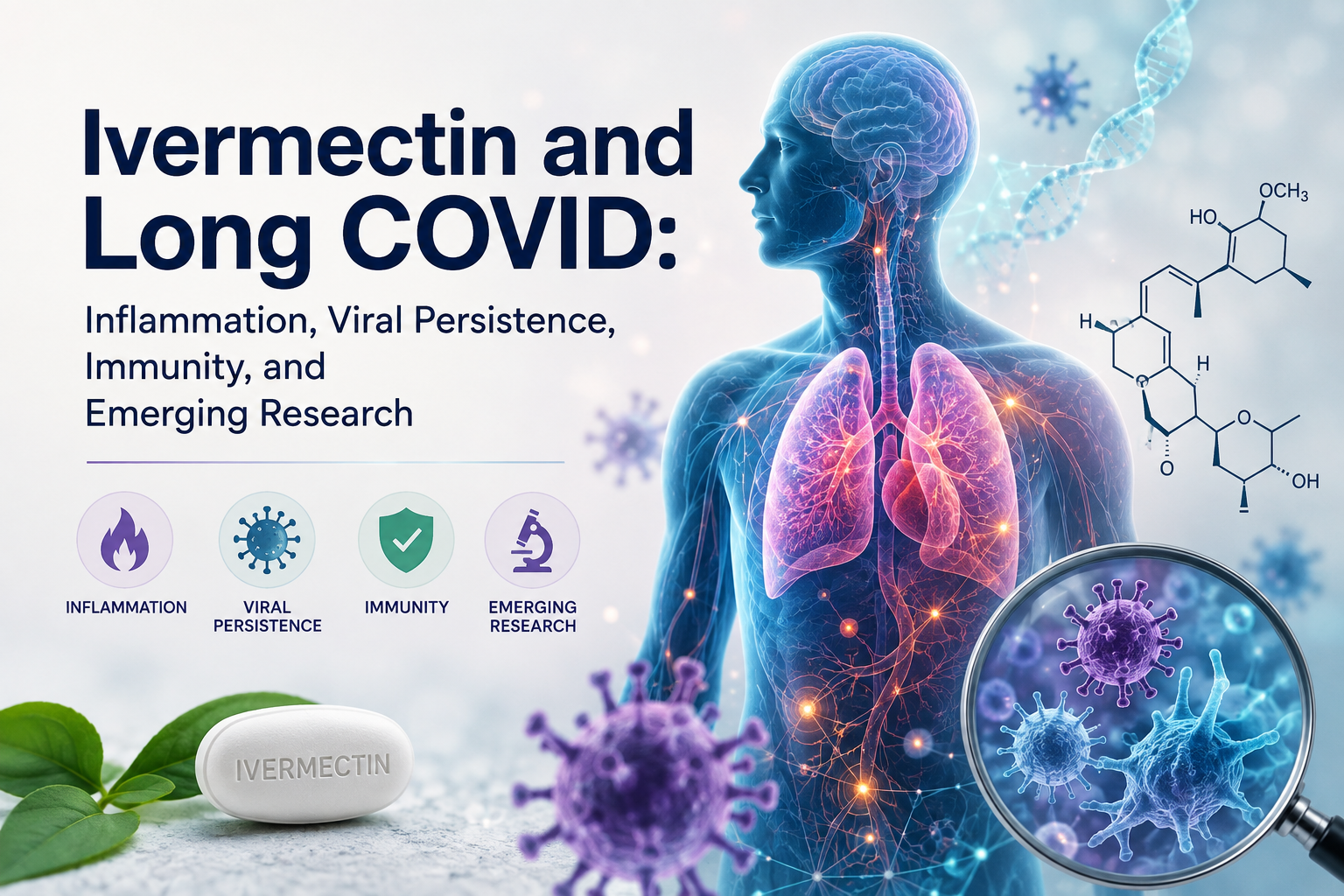
Ivermectin and Long COVID: Inflammation, Viral Persistence, Immunity, and Emerging Research
Explore ivermectin and Long COVID research, including viral persistence, inflammation, immunity, POTS, PEM, gut health, circulation, mitochondria, and emerging possibilities.
Exploring the Biology, the Questions, and the Possibilities
For many people, COVID-19 ends within days or weeks.
For others, the acute infection becomes the beginning of a much longer biological story.
Symptoms may linger, disappear and return, or emerge after someone initially thought they had recovered. Fatigue, brain fog, dizziness, unusual heart-rate changes, shortness of breath, disrupted sleep, weakness, pain, digestive changes, exercise intolerance, and other symptoms may continue for months or longer.
This condition has become known as Long COVID.
Its medical name is often post-acute sequelae of SARS-CoV-2 infection, or PASC.
“Post-acute” simply means after the initial stage of infection.
“Sequelae” means health effects that remain or develop afterward.
One of the most important discoveries emerging from Long COVID research is that the condition may involve different biological patterns in different people.
Researchers are investigating:
persistent inflammation
immune dysregulation
viral persistence
autoimmune activity
blood-vessel and clotting changes
autonomic nervous-system dysfunction
mitochondrial and cellular-energy changes
gut and microbiome disruption
reactivation of dormant viruses
neurological changes
sleep disruption
metabolic abnormalities
These processes can overlap.
Persistent viral material may continue stimulating immune activity.
Immune activity can influence inflammation.
Inflammation can affect blood vessels and circulation.
Changes in circulation can influence oxygen delivery and cellular energy.
Mitochondrial stress can interact with inflammation and oxidative stress.
The autonomic nervous system can affect heart rate, blood pressure, temperature, digestion, and circulation.
The digestive system and its microbiome can influence immunity, metabolism, and neurological signaling.
Long COVID is therefore increasingly being understood as a network of interconnected biological processes rather than one isolated abnormality.
That complexity gives researchers more places to look.
A biomarker.
A pathway.
A subgroup.
A measurable immune pattern.
A circulatory abnormality.
A persistent viral signal.
A cellular-energy disturbance.
Every part of the biological map creates another opportunity for more precise research and more targeted treatment.
This is where ivermectin becomes an interesting research question.
Experimental ivermectin research has reported activity involving several systems that also appear in Long COVID investigation, including:
inflammatory signaling
NF-κB
cytokines
immune regulation
oxidative stress
cellular receptors
viral biology
A more precise question is now possible:
Could one or more of ivermectin's biological effects become relevant to a particular form of Long COVID after the condition has already developed?
That question brings ivermectin into a much larger scientific landscape involving immunity, inflammation, viral persistence, circulation, cellular energy, and nervous-system regulation.
Understanding Long COVID as a Whole-Body Condition
Long COVID can look remarkably different from one person to another.
Some people primarily experience overwhelming fatigue.
Others struggle with memory or concentration.
Some develop dizziness, palpitations, or dramatic changes in heart rate when standing.
Others experience respiratory, digestive, neurological, sleep, pain, or temperature-regulation problems.
Many experience several systems at once.
Commonly reported symptoms include:
persistent fatigue
brain fog
difficulty concentrating
memory changes
dizziness
heart palpitations
rapid heart rate
shortness of breath
chest discomfort
headaches
disturbed or unrefreshing sleep
muscle or joint pain
altered smell or taste
digestive symptoms
numbness or tingling
temperature-regulation problems
difficulty tolerating physical or mental activity
worsening symptoms after exertion
Symptoms may fluctuate.
Someone can have a relatively good day followed by a substantial setback.
A symptom may disappear and later return.
Different symptoms may dominate at different stages.
This changing pattern is one reason researchers increasingly approach Long COVID as a multi-system chronic condition.
Instead of assuming one mechanism must explain every person, the research field is increasingly asking:
Which biological processes are most important in this particular person?
That shift toward precision may ultimately become one of the most important developments in Long COVID medicine.
Viral Persistence and the Question of a Lingering Trigger
One of the most closely watched areas of Long COVID research is viral persistence.
Viral persistence means that viral material, and in some circumstances biologically active virus, may remain within particular tissues after the acute infection has passed.
Researchers sometimes use the phrase viral reservoir.
A viral reservoir simply means a location within the body where virus or viral material persists.
Scientists have investigated persistent SARS-CoV-2 proteins, RNA, and other viral material within different tissues.
The digestive tract has attracted particular interest, although researchers are studying other possible locations as well.
Why might this matter?
The immune system is designed to recognize material belonging to viruses.
If viral material remains present, immune cells may continue receiving signals that something foreign is still there.
That continuing signal could contribute to:
persistent immune activation
inflammatory signaling
altered immune-cell behavior
tissue stress
prolonged symptoms
Viral persistence may represent one important biological pattern within Long COVID.
If researchers can identify the people in whom it is relevant, treatment studies can become much more targeted.
And this is where one part of the ivermectin question begins.
Why Viral Persistence Keeps Ivermectin in the Research Conversation
Ivermectin demonstrated antiviral activity against SARS-CoV-2 in laboratory experiments.
Those experiments became one of the reasons the molecule attracted enormous attention during the COVID-19 pandemic.
Laboratory findings allow researchers to identify biological interactions.
Human pharmacology then asks a different set of questions:
Can the medicine reach the relevant tissue?
At what concentration?
For how long?
At what stage of disease?
Against which biological target?
Long COVID creates a particularly interesting variation of those questions.
If persistent viral material contributes to illness in a subgroup of patients, researchers can ask:
Could a virus-directed intervention matter in that subgroup?
Does the location of the persistent material matter?
Could tissue exposure matter?
Could treatment timing matter?
Could combination therapy influence the response?
Could biomarkers help identify the people most likely to benefit from a particular strategy?
Could a post-acute biological process respond differently from the original acute infection?
These are precisely the kinds of questions that make biological subgroups so important.
Ivermectin's experimental antiviral history gives researchers one reason to continue examining where the molecule's biology may intersect with persistent post-viral illness.
Acute COVID and Established Long COVID Are Different Research Questions
One ivermectin-related Long COVID question has already been studied during acute infection.
The COVID-OUT randomized trial examined whether several treatments given early during COVID-19 could reduce the later occurrence of Long COVID.
The ivermectin regimen tested during acute infection did not reduce later Long COVID incidence.
That finding helps sharpen the research question.
Preventing Long COVID during the original infection and treating Long COVID after it has already developed are different biological situations.
During acute COVID, researchers are dealing primarily with the initial infection and the body's immediate response.
Months later, established Long COVID may involve:
persistent immune changes
altered inflammatory signaling
autonomic dysfunction
vascular abnormalities
mitochondrial stress
metabolic changes
persistent viral material
neurological changes
combinations of several mechanisms
That means the next ivermectin question is more specific:
What happens when ivermectin is studied in people who already have Long COVID and whose biological pattern matches a pathway ivermectin appears capable of influencing?
That is the question this page explores.
Immune Dysregulation: When Regulation Changes
Another major area of Long COVID research is immune dysregulation.
Immune dysregulation is different from simply having weak immunity.
It means the regulation of immune activity itself has changed.
One part of the immune response may remain unusually active.
Another part may become less responsive.
Inflammatory signals may remain elevated.
Immune cells may respond differently than they did before infection.
Healthy immunity requires timing and balance.
The immune system needs to recognize a threat.
Respond.
Control it.
Repair damaged tissue.
Then return toward a more balanced state.
When that cycle is disrupted, immune signaling can continue influencing other systems long after the original infection.
This may help explain why Long COVID can involve such different parts of the body.
Inflammation: When Protective Signaling Persists
Inflammation is one of the body's essential defense and repair systems.
It helps immune cells respond to infection and tissue injury.
Normally, inflammatory activity rises when needed and then begins resolving as the threat is controlled.
In Long COVID, researchers are studying whether inflammatory signaling remains altered in some people.
Persistent inflammation may influence:
blood vessels
nerves
muscles
brain function
metabolism
mitochondrial activity
cellular energy
immune behavior
This creates an important biological overlap with ivermectin research.
Ivermectin, NF-κB, and Inflammatory Messages
Experimental ivermectin research has repeatedly examined NF-κB.
NF-κB is a family of proteins involved in controlling inflammatory gene activity.
A simple way to understand it is as one of the cellular systems that helps turn inflammatory programs on.
When cells detect:
infection
injury
toxins
oxidative stress
other biological danger
NF-κB can help activate inflammatory instructions.
Those instructions include production of cytokines.
Cytokines are chemical messages cells use to communicate with one another.
Several cytokines frequently appearing in ivermectin research include:
IL-6, involved in immune communication, inflammation, and metabolism.
IL-1β, involved in inflammatory activity, fever, and immune-cell activation.
TNF-α, a powerful messenger participating in inflammation and immune responses.
Experimental ivermectin studies have reported changes involving NF-κB and these inflammatory cytokines.
That creates a clear biological question:
If persistent inflammatory signaling contributes to a particular Long COVID subgroup, could ivermectin's effects on NF-κB and inflammatory cytokines become relevant in that setting?
This is one of several mechanistic intersections worth investigating directly in people.
Autoimmunity: When Immune Recognition Becomes Misdirected
Another increasingly important Long COVID research area is autoimmunity.
Autoimmunity occurs when the immune system begins reacting against the body's own cells, tissues, proteins, or receptors.
The immune system normally uses antibodies to recognize biological targets.
Sometimes infection or immune disruption can alter that recognition.
The body may begin producing autoantibodies, antibodies that recognize something belonging to the person rather than a foreign organism.
Researchers have identified autoimmune patterns in subsets of people with Long COVID.
Recent research has also connected particular nervous-system-targeting autoantibodies with neurological Long COVID symptoms in some patients.
This strengthens the idea that Long COVID may contain biologically distinct immune subgroups.
One person may have a stronger autoimmune pattern.
Another may show persistent inflammatory signaling.
Another may have prominent autonomic dysfunction.
Another may show evidence of persistent viral material.
That diversity matters because different mechanisms may require different treatment strategies.
The Gut, Microbiome, and Immune Communication
The digestive system has become another major area of Long COVID research.
The human gut contains trillions of bacteria, fungi, viruses, and other microorganisms collectively called the microbiome.
These microorganisms interact with:
digestion
metabolism
immune regulation
the intestinal lining
nervous-system communication
production of biologically active compounds
Researchers use the word dysbiosis when the normal microbial community becomes significantly altered.
Long COVID research has investigated persistent microbiome changes and their relationship with immune and metabolic abnormalities.
The intestinal lining also matters.
Normally, the gut wall acts as a highly selective barrier.
It allows useful nutrients to enter circulation while helping keep microbial products appropriately contained.
Researchers are investigating whether altered intestinal-barrier function contributes to immune activation in some Long COVID patients.
This creates an intriguing biological intersection involving:
viral persistence + microbiome changes + intestinal-barrier function + immune signaling + inflammation.
The gut may therefore represent one of the places where several Long COVID mechanisms converge.
The Gut-Brain-Immune Connection
The digestive and nervous systems constantly communicate.
Researchers call this the gut-brain axis.
Signals can travel in both directions through:
nerves
immune molecules
hormones
microbial metabolites
circulation
This means changes in the gut can potentially influence neurological and immune activity elsewhere in the body.
Likewise, nervous-system stress and autonomic changes can influence digestion.
Long COVID increasingly shows why researchers cannot always study one organ in isolation.
A change in the gut may influence immunity.
Immune changes may affect the nervous system.
Autonomic dysfunction may affect digestion and circulation.
These systems speak to one another continuously.
Circulation, Blood Vessels, and the Endothelium
Several Long COVID symptoms may connect through circulation.
An important term here is endothelium.
The endothelium is the thin living layer lining the inside of blood vessels.
It helps regulate:
blood flow
widening and narrowing of vessels
inflammation
clotting
movement of oxygen and nutrients into tissues
Endothelial dysfunction means this lining is no longer regulating vascular activity as smoothly as it normally would.
Long COVID research has identified vascular and endothelial abnormalities in some patients.
This matters because every tissue depends upon circulation.
The brain needs oxygen.
Muscles need oxygen.
Nerves need oxygen.
The heart needs oxygen.
Mitochondria need the materials carried through blood to produce cellular energy.
A vascular disturbance can therefore create consequences far beyond the blood vessel itself.
Microcirculation: The Final Journey Into Tissues
Microcirculation refers to blood flow through the body's smallest blood vessels.
This is where oxygen and nutrients make their final journey from circulating blood into tissues.
If microcirculation becomes disrupted, tissues may struggle to receive or use oxygen efficiently.
That could potentially influence:
muscle fatigue
exercise tolerance
cognitive function
cellular energy
recovery after activity
Researchers are continuing to study how endothelial function, inflammation, platelet activity, clotting, and microcirculation interact in Long COVID.
Platelets, Coagulation, and Microvascular Research
Platelets are tiny blood components that help form clots when a vessel is damaged.
Coagulation means the biological process through which blood forms a clot.
Some Long COVID studies have found alterations involving:
platelet behavior
inflammatory clotting pathways
endothelial function
vascular signaling
microcirculation
Researchers are also investigating fibrin-rich microclot-like structures as part of this broader vascular picture.
The most important question is how these different processes may interact.
Could inflammation change vascular behavior?
Could altered endothelial function influence clotting?
Could microcirculatory changes affect oxygen delivery?
Could impaired oxygen delivery contribute to fatigue or exercise intolerance?
These questions connect circulation directly with cellular energy.
The Autonomic Nervous System: The Body's Automatic Regulator
Circulation is closely linked with the autonomic nervous system.
This part of the nervous system automatically regulates functions we usually never have to think about.
It helps control:
heart rate
blood pressure
digestion
sweating
temperature regulation
blood-vessel constriction
aspects of breathing
Autonomic dysfunction, also called dysautonomia, means these automatic regulatory systems are no longer functioning normally.
Someone may experience:
heart-rate changes
dizziness
palpitations
digestive disturbances
temperature problems
weakness
exercise intolerance
difficulty remaining upright
Long COVID has brought enormous attention to these disorders of automatic regulation.
POTS: When Being Upright Becomes a Biological Challenge
One form of autonomic dysfunction associated with Long COVID is POTS, short for postural orthostatic tachycardia syndrome.
Breaking the name apart makes it easier:
Postural means related to body position.
Orthostatic means being upright.
Tachycardia means a faster-than-normal heart rate.
POTS is a form of orthostatic intolerance, meaning the body has difficulty adjusting normally when a person becomes upright.
Heart rate may rise dramatically as the body attempts to maintain circulation.
Symptoms can include:
dizziness
palpitations
weakness
fatigue
brain fog
difficulty standing
exercise intolerance
This is another important example of symptoms that may appear unrelated until researchers identify the biological system connecting them.
Cellular Energy, Mitochondria, and Long COVID Fatigue
Another major Long COVID research direction involves mitochondria.
Mitochondria are tiny structures inside cells that help transform nutrients into usable cellular energy.
The brain depends heavily upon mitochondrial energy.
So do muscles.
The heart does.
Nerves do.
Mitochondrial dysfunction means these cellular energy systems are no longer functioning as efficiently or normally as they should.
Long COVID research has increasingly identified metabolic and mitochondrial abnormalities that may contribute to:
profound fatigue
muscle weakness
exercise intolerance
slow recovery
neurological symptoms
post-exertional worsening
Recent research has continued strengthening the relationship among Long COVID, mitochondrial dysfunction, altered energy production, immune abnormalities, and oxidative stress.
This is particularly important because mitochondria sit at the intersection of several biological systems.
Oxidative Stress and Cellular Energy
Mitochondria are closely connected with oxidative stress.
Oxidative stress occurs when reactive molecules accumulate faster than cells can safely control them.
These molecules can affect:
DNA
proteins
membranes
mitochondria
cellular signaling
Inflammation can increase oxidative stress.
Oxidative stress can damage mitochondria.
Damaged mitochondria can generate additional cellular stress.
That creates a biological loop.
Experimental ivermectin research has also reported effects involving oxidative-stress pathways.
This creates another biological intersection between ivermectin research and the cellular-energy abnormalities being investigated in Long COVID.
Post-Exertional Malaise: The Long COVID Crash
One of the most important and disabling Long COVID symptoms is post-exertional malaise, usually shortened to PEM.
The word “malaise” dramatically understates what many people experience.
PEM means a worsening of illness after physical, mental, or sometimes emotional effort.
The worsening may be delayed.
A person might complete an activity and initially feel reasonably well.
Hours later or the next day, symptoms may increase dramatically.
A relatively small amount of activity can sometimes trigger:
overwhelming fatigue
increased brain fog
pain
weakness
sleep disturbance
flu-like symptoms
worsening autonomic symptoms
The setback may last for days or longer.
PEM represents something very different from ordinary exercise fatigue.
It suggests that the body's response to exertion itself has changed.
Researchers are investigating relationships among:
mitochondria
metabolism
circulation
immune activity
autonomic regulation
oxygen utilization
Understanding PEM is important because it changes how researchers think about both illness and recovery.
Long COVID and ME/CFS
Long COVID has substantial overlap with ME/CFS, or myalgic encephalomyelitis/chronic fatigue syndrome.
ME/CFS is another complex multi-system illness associated with:
profound fatigue
PEM
cognitive problems
unrefreshing sleep
orthostatic intolerance
neurological and autonomic symptoms
Long COVID and ME/CFS are distinct diagnoses with important areas of biological and symptom overlap.
That connection matters.
Decades of ME/CFS experience can help researchers understand:
exertion-related worsening
energy limitations
autonomic dysfunction
sleep disturbance
neurological symptoms
patterns of relapse and recovery
One field can help illuminate the other.
Sleep Is Part of the Biology Too
Sleep problems are common in Long COVID.
People may experience:
difficulty falling asleep
repeated waking
unrefreshing sleep
altered sleep timing
daytime sleepiness
sleep that no longer restores energy normally
Sleep is deeply connected with:
immune regulation
nervous-system function
metabolism
cognition
hormones
tissue repair
Long COVID may also disrupt sleep through autonomic changes, neurological symptoms, pain, breathing disturbances, or immune signaling.
Sleep can therefore become part of a larger biological loop rather than simply another symptom on a list.
Brain Fog, Nerves, and Neuroinflammation
Long COVID frequently affects thinking and the nervous system.
People may experience:
brain fog
difficulty concentrating
memory changes
headaches
dizziness
numbness
tingling
altered smell or taste
neuropathic pain
sleep disruption
One term researchers use is neuroinflammation.
Neuroinflammation refers to immune and inflammatory activity affecting the brain, spinal cord, or nerves.
It can involve altered immune signaling that changes how nerve cells function and communicate without requiring obvious swelling.
The nervous and immune systems communicate continuously.
Inflammatory signals can affect nerves.
Nerves can influence immune responses.
Blood-vessel changes can influence brain function.
Autonomic dysfunction can affect circulation.
Gut-derived signals can influence neurological activity.
Once again, Long COVID begins to look less like a collection of separate symptoms and more like an interconnected biological network.
Dormant Viruses and Immune Stress
Some viruses can remain inside the body long after the initial infection.
They become latent, meaning present but largely inactive.
Several members of the herpesvirus family behave this way.
One familiar example is Epstein-Barr virus, or EBV.
Latent-virus reactivation means a previously dormant virus becomes biologically active again.
Researchers are studying whether SARS-CoV-2 infection and associated immune stress can contribute to reactivation of dormant viruses in some people.
This could create another layer of biological activity.
The original infection may alter immune regulation.
A dormant virus becomes active.
The immune system receives additional signals.
Inflammation and symptoms may then be influenced by more than one biological process.
This reinforces one of the central themes of Long COVID research:
similar symptoms can arise through different combinations of biological events.
Mast Cells and Histamine Signaling
Another emerging area involves mast cells.
Mast cells are immune cells found throughout many tissues.
They release substances including histamine, a chemical messenger involved in:
allergic reactions
inflammation
blood-vessel behavior
communication with nerves
tissue responses
Researchers are studying whether altered mast-cell signaling contributes to a subgroup of Long COVID.
Symptoms potentially overlapping with mast-cell activity can include:
flushing
itching
headaches
digestive symptoms
heart-rate changes
sensitivity reactions
Mast-cell signaling may therefore represent another biological pattern, particularly where histamine-related, vascular, neurological, and sensitivity symptoms cluster together.
Long COVID May Contain Different Biological Subgroups
This may ultimately become one of the most important lessons from Long COVID research.
Two people can receive the same diagnosis while the biological processes contributing to their illness differ substantially.
One person may have prominent autonomic dysfunction.
Another may have stronger inflammatory abnormalities.
Another may have evidence suggesting persistent viral material.
Another may show mitochondrial or metabolic changes.
Another may have gut-related abnormalities.
Another may show autoimmune patterns.
Another may have several interacting mechanisms at once.
This creates an important possibility.
Treatments may eventually be matched to biological patterns rather than given to everyone under one enormous Long COVID label.
That could fundamentally change how Long COVID trials are designed.
Biomarkers: Finding the Biological Clues
A biomarker is a measurable biological clue showing what may be happening inside the body.
A biomarker could come from:
blood
immune cells
antibodies
proteins
metabolism
imaging
tissue
genetic activity
vascular measurements
autonomic testing
Imagine being able to say:
This person's dominant pattern appears inflammatory.
This person's pattern appears strongly autonomic.
This person shows a particular autoimmune signature.
This person has evidence consistent with persistent viral material.
This person's cellular-energy system appears altered.
This person has a prominent vascular pattern.
Treatment could then become much more precise.
That possibility offers considerably more hope than endlessly searching for one medicine expected to work identically for every person with Long COVID.
Why Ivermectin Continues to Draw Interest
Ivermectin intersects with several areas under investigation in Long COVID.
Experimental research has explored effects involving:
inflammatory signaling
NF-κB
cytokines
immune modulation
oxidative stress
cellular receptors
antiviral biology
Ivermectin also has decades of human medical use, meaning scientists already understand a considerable amount about its general pharmacology.
Pharmacology means how a medicine behaves inside the body, including:
how it is absorbed
where it travels
how it is metabolized
what biological systems it interacts with
how it leaves the body
Studying an existing medicine for a new purpose is called drug repurposing.
Drug repurposing allows researchers to begin with a molecule whose human pharmacology is already substantially characterized and then ask whether newly discovered biological effects have value in a different disease setting.
Long COVID provides several mechanisms where that question can now be explored more precisely.
Why Tissue Distribution Could Matter
Another important concept is tissue distribution.
Tissue distribution means where a medicine actually travels after entering the body and how much reaches different organs or tissues.
That matters because Long COVID may involve biological activity in very different locations.
The digestive tract.
Blood vessels.
Immune tissues.
Muscles.
The nervous system.
Other organs.
A concentration measured in blood does not necessarily tell researchers exactly how much medicine reaches every tissue.
This is one of the central challenges of translating laboratory discoveries into human medicine.
In a laboratory, scientists can place a chosen concentration directly onto cells.
Inside the body, the medicine must be:
absorbed,
distributed,
carried into the relevant tissue,
and remain there long enough to interact with the intended biological target.
Understanding tissue distribution can therefore help researchers determine which Long COVID mechanisms are realistically accessible to a repurposed medicine.
Why Dose and Duration Matter
Dose and duration are part of the biological question.
A short treatment designed for acute infection addresses a different situation from treatment aimed at a process that has persisted for months.
Dose and duration therefore need to be matched to:
the biological target
tissue exposure
patient population
timing
treatment goal
measurable outcome
Research can then ask:
How much exposure is needed to influence the pathway?
Where does the medicine need to reach?
How long does the biological effect last?
Which people carry the mechanism being targeted?
These are the kinds of questions that turn broad drug-repurposing interest into precision research.
Patient Experiences Help Reveal Patterns
People living with Long COVID played an unusually important role in making the condition visible.
Before medicine fully understood how to categorize the illness, patients were already documenting:
activity-related crashes
heart-rate abnormalities
brain fog
temperature dysregulation
neurological symptoms
digestive changes
relapsing patterns
unusual responses to exertion
Patient experience helped reveal the shape of Long COVID itself.
The same process has occurred around treatments.
Some people with Long COVID have reported improvement after using ivermectin.
Patient reports and surveys can help researchers identify patterns such as:
Which symptoms changed?
When was treatment started?
How long had the person been ill?
Did particular symptom clusters appear more responsive?
Were inflammatory features present?
Did autonomic symptoms change?
Did people with similar biological patterns report similar experiences?
These observations can help generate increasingly precise research questions.
Patient experience can be the beginning of discovery.
What Patient-Led Surveys Can Teach Researchers
Patient-led surveys provide another way to organize real-world experiences.
Rather than isolated stories, surveys can reveal repeated patterns across groups of people.
When ivermectin appears within these reports, researchers can ask:
Which symptoms changed most often?
Did timing matter?
Did duration matter?
Were particular Long COVID patterns represented?
Did people with inflammatory symptoms respond differently from those with primarily autonomic symptoms?
Were there similarities among those who reported meaningful change?
The greatest value of this information may be the clues it provides for designing better human studies.
A repeated signal gives researchers somewhere more specific to look.
Why Better Long COVID Trials Need Biological Subgroups
Traditional clinical trials often begin with a diagnosis.
Everyone with that diagnosis may then be studied together.
Long COVID may require a more precise approach.
Imagine a trial containing hundreds of people.
Some have prominent autonomic dysfunction.
Some have severe PEM.
Some have persistent inflammatory abnormalities.
Some show autoimmune patterns.
Some may have evidence of viral persistence.
Some primarily have neurological, vascular, respiratory, or gut-related problems.
If a medicine strongly affects only one of those biological patterns, the effect could become difficult to detect when every subgroup is averaged together.
This creates a much more useful research question.
Rather than asking only:
Does ivermectin work for Long COVID?
Researchers can ask:
Does ivermectin influence a measurable inflammatory pattern in a particular Long COVID subgroup?
Or:
Does it influence people with evidence suggesting persistent viral material?
Or:
Does a particular biomarker predict response?
Or:
Does treatment affect one symptom cluster more strongly than another?
Or:
Does ivermectin become more meaningful when combined with another intervention targeting a different mechanism?
This moves Long COVID research from a universal-treatment model toward precision medicine.
And precision may be exactly what a biologically diverse condition needs.
Combination Treatment May Become Important
Long COVID may involve several interacting biological systems.
That means future treatment may ultimately involve different approaches aimed at different mechanisms.
One intervention might address autonomic dysfunction.
Another might influence inflammation.
Another could target persistent viral biology.
Another might address sleep or neurological symptoms.
Another could focus on circulation.
Another might address gut-related biology.
Another might support cellular energy.
This kind of multi-target strategy is already common in complex areas of medicine.
If future research identifies a meaningful role for ivermectin in a particular Long COVID subgroup, its place could potentially be as one component within a broader biological strategy.
That opens another important area for investigation:
not only which molecule, but which combination for which biological pattern.
What the Research Is Revealing Today
Ivermectin and Long COVID research becomes much easier to understand when the evidence is organized according to the question each type of research answers.
Mechanistic Research
Experimental ivermectin research has identified activity involving:
inflammatory signaling
NF-κB
cytokines
immune regulation
oxidative stress
cellular receptors
viral systems
This gives scientists a biological map of pathways worth exploring.
Human Pharmacology
Decades of ivermectin use in human medicine have created substantial knowledge about:
absorption
metabolism
distribution
dosing
human exposure
drug interactions
general pharmacology
That existing knowledge provides a useful foundation for drug-repurposing research.
Acute COVID and Long COVID Prevention
The COVID-OUT trial examined ivermectin during the initial COVID-19 infection and found that the regimen studied did not reduce later Long COVID incidence.
This helps distinguish acute prevention from the different question of treating established Long COVID.
Established Long COVID Research
The important next research stage is direct investigation in people who already have Long COVID.
Biological subgrouping could make these studies far more informative.
Researchers could examine:
inflammatory markers
autonomic function
viral-persistence markers
vascular biology
mitochondria
cognition
PEM
quality of life
symptom clusters
Patient-Generated Signals
Patient reports and surveys have helped identify treatment experiences and possible responder patterns.
These signals can guide researchers toward the symptoms, timing, and biological subgroups most worth studying.
Precision Research Ahead
The most informative future studies may combine:
biomarkers
biological subgroups
carefully defined treatment exposure
tissue-distribution questions
meaningful patient outcomes
combination strategies
That is how the research can move from a broad question toward increasingly useful answers.
Frequently Asked Questions About Ivermectin and Long COVID
What is Long COVID?
Long COVID is an infection-associated chronic condition in which symptoms or health problems continue, return, or develop after SARS-CoV-2 infection.
It can affect one or several organ systems.
What does PASC mean?
PASC stands for post-acute sequelae of SARS-CoV-2 infection.
It is another medical term used for Long COVID.
Why can Long COVID look so different between people?
Different biological processes may dominate in different individuals.
Researchers are investigating inflammation, immune dysregulation, viral persistence, autoimmunity, autonomic dysfunction, vascular changes, mitochondrial problems, gut changes, neurological activity, and other mechanisms.
What is viral persistence?
Viral persistence means viral material, and in some circumstances biologically active virus, remains within particular tissues after the initial infection.
What is a viral reservoir?
A viral reservoir is a tissue or location where virus or viral material persists.
What is immune dysregulation?
Immune dysregulation means the immune response is no longer being regulated normally.
Some pathways may remain unusually active, become less responsive, or continue signaling for longer than expected.
What is autoimmunity?
Autoimmunity occurs when the immune system reacts against the body's own cells, proteins, receptors, or tissues.
Researchers have identified autoimmune patterns in subsets of people with Long COVID.
What is persistent inflammation?
Persistent inflammation means inflammatory signaling continues after the immediate phase of an infection or injury.
It may influence blood vessels, nerves, metabolism, cellular energy, and immune behavior.
Why is ivermectin being discussed in Long COVID research?
Experimental ivermectin research has reported effects involving inflammatory pathways, NF-κB, cytokines, immune signaling, oxidative stress, cellular receptors, and viral biology.
Several of these systems are also being investigated in Long COVID.
What did the COVID-OUT trial study?
COVID-OUT examined treatments given during acute COVID to see whether they influenced the later development of Long COVID.
The ivermectin regimen studied did not reduce later Long COVID incidence.
Why is established Long COVID a different research question?
After Long COVID develops, the relevant biology may include persistent immune changes, autonomic dysfunction, vascular abnormalities, mitochondrial stress, viral persistence, metabolism, and neurological changes.
This creates a different biological situation from the initial acute infection.
What is endothelial dysfunction?
The endothelium is the thin living layer lining blood vessels.
Endothelial dysfunction means that lining is no longer regulating blood flow, inflammation, clotting, or vascular behavior normally.
What is microcirculation?
Microcirculation is blood flow through the body's smallest vessels, where oxygen and nutrients move into tissues.
What are microclots?
Microclots is a term used in an evolving area of Long COVID vascular research involving very small fibrin-rich clot-like structures.
Researchers are studying how these findings may relate to platelet behavior, endothelial function, circulation, and symptoms.
What is autonomic dysfunction?
Autonomic dysfunction means the nervous system controlling automatic functions such as heart rate, blood pressure, digestion, temperature, and sweating is no longer regulating them normally.
What is POTS?
POTS stands for postural orthostatic tachycardia syndrome.
It is a form of orthostatic intolerance in which being upright can trigger an excessive increase in heart rate along with symptoms such as dizziness, weakness, palpitations, fatigue, and brain fog.
What is mitochondrial dysfunction?
Mitochondrial dysfunction means the cellular structures responsible for producing much of our usable energy are no longer functioning as efficiently or normally as they should.
What is post-exertional malaise?
Post-exertional malaise, or PEM, is a worsening of illness after physical or mental effort.
Symptoms may increase after a delay and can remain worse for days or longer.
PEM is one of the most important symptoms studied in Long COVID.
How is Long COVID related to ME/CFS?
Long COVID and ME/CFS are distinct diagnoses with substantial overlap involving PEM, profound fatigue, cognitive problems, unrefreshing sleep, and autonomic symptoms.
Knowledge from ME/CFS research is helping inform Long COVID research.
Why does sleep matter?
Sleep supports immune regulation, nervous-system function, metabolism, cognition, hormones, and tissue repair.
Sleep disruption can become part of the wider Long COVID biological network.
What is neuroinflammation?
Neuroinflammation means immune and inflammatory activity affecting the brain, spinal cord, or nerves.
It can influence how nerve cells function and communicate.
What is latent-virus reactivation?
Some viruses remain dormant inside the body after an earlier infection.
Reactivation occurs when one of these previously quiet viruses becomes biologically active again.
What are mast cells?
Mast cells are immune cells that release histamine and other signaling molecules involved in inflammation, allergic responses, blood vessels, and nerve communication.
What is gut dysbiosis?
Gut dysbiosis means the normal community of microorganisms living within the digestive tract has become significantly altered.
Why might the gut matter in Long COVID?
The digestive system communicates closely with immunity, metabolism, and the nervous system.
Researchers are investigating microbiome changes, intestinal-barrier function, persistent viral material, and gut-related immune signaling.
What is a biomarker?
A biomarker is a measurable biological clue showing what may be occurring inside the body.
Biomarkers may eventually help researchers identify different forms of Long COVID and match them with more precise treatments.
What does tissue distribution mean?
Tissue distribution means where a medicine travels after entering the body and how much reaches different organs or tissues.
Why could Long COVID subgroups matter?
Two people with Long COVID may have different dominant biological mechanisms.
Identifying those differences could allow treatments to be studied within the groups most biologically relevant to them.
Have people with Long COVID reported improvement after ivermectin?
Yes.
Patient reports and surveys include people describing improvement after ivermectin.
These experiences can help researchers identify symptom patterns, timing, and possible responder groups that deserve structured investigation.
Where does ivermectin research for established Long COVID stand?
Direct research specifically designed around established Long COVID represents an important next stage.
The most informative studies would identify biological subgroups and examine markers involving inflammation, autonomic function, cognition, circulation, mitochondria, viral persistence, PEM, and quality of life.
What would a useful future ivermectin study look like?
A strong study could combine:
people already living with Long COVID
biological subgrouping
biomarkers
carefully defined ivermectin exposure
tissue-distribution questions
symptom and functional outcomes
autonomic measurements
inflammatory markers
PEM
cognition
circulation
quality of life
This could reveal far more than treating every Long COVID case as biologically identical.
Why There Is Real Room for Possibility
One of the hardest parts of Long COVID has been uncertainty.
People knew their bodies had changed long before medicine understood how all the symptoms connected.
Ordinary activity could suddenly become difficult.
Heart rate could become unpredictable.
Thinking could require tremendous effort.
A short outing could produce a crash the following day.
Sleep could stop feeling restorative.
Digestive symptoms might appear alongside neurological ones.
Symptoms could move through seemingly unrelated systems.
And routine medical testing could sometimes provide few obvious answers.
But the biological picture is becoming clearer.
Researchers are studying persistent viral material.
They are identifying immune abnormalities.
They are investigating autoantibodies.
They are examining the gut and microbiome.
They are measuring autonomic dysfunction.
They are studying blood-vessel and clotting biology.
They are examining mitochondrial energy production.
They are learning more about PEM and its overlap with ME/CFS.
They are investigating neurological, metabolic, and sleep-related changes.
Every discovery makes the biological map clearer.
And every clearer mechanism creates another possibility.
A biomarker.
A subgroup.
A better diagnostic clue.
A more precise trial.
A treatment matched to the right pathway.
For ivermectin, the most useful question may therefore become increasingly specific:
Which Long COVID biological pattern, if any, aligns most closely with the pathways ivermectin can influence?
That is a far more sophisticated question than expecting one medicine to behave identically across every person with Long COVID.
And it is precisely the kind of question modern precision medicine is designed to investigate.
Where Long COVID Research Goes From Here
The next generation of Long COVID research needs to look beneath the symptom list.
Researchers can begin asking:
Is persistent viral material present?
Which immune pathways remain active?
Are autoimmune processes involved?
Has the gut microbiome changed?
Is intestinal-barrier function altered?
Is autonomic regulation disrupted?
Are blood vessels and microcirculation functioning normally?
Are mitochondrial energy pathways altered?
Are dormant viruses active again?
Is PEM present?
Are particular neurological pathways involved?
Can biomarkers reveal meaningful biological subgroups?
Then treatments can be matched increasingly closely to mechanisms.
Instead of studying hundreds of biologically different people as though they have exactly the same condition, future trials can become increasingly targeted.
That represents a major step forward.
Ivermectin occupies a particularly interesting place within this larger search because its established human pharmacology intersects with several pathways now being investigated in Long COVID.
The next stage is human research designed specifically around those mechanisms and the people in whom they are most relevant.
A Condition Becoming Less Mysterious
Long COVID has forced medicine to examine how deeply interconnected the human body really is.
The immune system communicates with the nervous system.
The digestive system communicates with immunity.
Blood vessels determine what reaches tissues.
Mitochondria help determine how cells produce and use energy.
Inflammation changes cellular behavior.
Viruses interact with immunity.
Sleep influences restoration and regulation.
The autonomic nervous system quietly coordinates organs throughout every moment of the day.
A disturbance affecting several of these systems can create symptoms that initially appear disconnected.
But every mechanism researchers uncover makes the map clearer.
Every biomarker gives researchers another way to identify what is happening.
Every biological subgroup creates an opportunity for more precise treatment.
Every well-designed trial sharpens the map.
Ivermectin's place within that future is now a question for increasingly precise human research.
The strongest future studies will begin with better biological questions.
Which patient?
Which mechanism?
Which biomarker?
Which tissue?
Which dose and duration?
Which outcome?
Which combination, if any?
That is how a complicated condition becomes more understandable.
And that is how possibility becomes precision.
Long COVID is increasingly moving from an unexplained collection of persistent symptoms toward a biological landscape with identifiable pathways.
The more clearly those pathways come into view, the more opportunities medicine has to find ways forward.
Continue Exploring Ivermectin
Ivermectin: Uses, History, Benefits, Safety, and Research
Explore ivermectin's discovery, Nobel Prize history, established human uses, pharmacology, safety, and broader areas of research.
Ivermectin and Cancer Research: Mechanisms, Studies, and Human Trials
Explore apoptosis, mitochondria, oxidative stress, cancer stem cells, signaling pathways, immunotherapy, drug repurposing, observational research, and emerging human oncology trials.
Ivermectin and Parasites: Human Uses, Strongyloides, River Blindness, and Global Health
Explore ivermectin's established antiparasitic legacy, Strongyloides, river blindness, scabies, whole-body parasite biology, diagnosis, and international disease-control programs.
Ivermectin, Inflammation, and Immune Signaling
Explore NF-κB, cytokines, macrophages, oxidative stress, cellular receptors, immune regulation, and research investigating ivermectin's effects on inflammatory and immune pathways.
Ivermectin, Inflammation, and Immune Signaling
Explore ivermectin and inflammation in clear language, including NF-κB, cytokines, oxidative stress, immune signaling, macrophages, and emerging human research.
Exploring How Ivermectin May Influence Inflammation, Cytokines, and Immune Balance
Ivermectin is best known for its extraordinary antiparasitic history.
But as researchers continued studying the molecule, they discovered that its biological activity extends into systems involved in inflammation, immune communication, oxidative stress, cellular energy, and receptor signaling.
That opened a broader scientific conversation.
Could ivermectin influence the chemical messages that tell the immune system when to react?
Could it affect pathways that turn inflammatory activity up or down?
Could it influence the behavior of immune cells?
Could it interact with the relationship among inflammation, oxidative stress, and cellular energy?
And could some of those effects eventually become meaningful in particular human conditions?
Researchers have explored ivermectin in relation to:
inflammatory signaling
cytokines
oxidative stress
immune cells
macrophages
cellular receptors
mitochondrial biology
molecular pathways involved in injury, infection, and biological stress
Many of these effects have appeared repeatedly in laboratory and animal research.
Human investigation is also beginning to ask more direct questions about immune modulation and inflammatory signaling.
This makes ivermectin's inflammation story an evolving field with a clear biological foundation and growing research interest.
And understanding it begins with something important:
inflammation is one of the body's essential protection and repair systems.
Inflammation Is Part of the Body's Protection and Repair System
Inflammation helps the body respond to infection, injury, and tissue stress.
When cells detect a threat, they begin releasing chemical signals.
Those signals can:
increase blood flow
attract immune cells
help contain infection
remove damaged material
begin tissue repair
This process can produce familiar signs such as warmth, redness, swelling, tenderness, and pain.
Those changes reflect biological work being done.
Short-term inflammation can be highly protective.
The key is balance.
Inflammatory activity needs to rise when the body faces a threat and then return toward normal regulation when that threat has passed.
When inflammatory signaling remains too intense or continues too long, healthy tissues may begin experiencing additional stress.
That is why researchers study inflammation across so many areas of health.
The most useful question is:
Can the body respond strongly when needed and then successfully return toward balance afterward?
That is where immune signaling becomes especially important.
Immune Signaling: How the Body's Defense Cells Communicate
The immune system is an enormous communication network.
Immune cells constantly exchange information.
They need to know:
whether an infection is present
whether tissue has been damaged
whether reinforcements are needed
whether a threat has been controlled
when repair should begin
when inflammatory activity should quiet down
Much of this communication occurs through molecules called cytokines.
Cytokines are small proteins that allow cells to send biological messages to one another.
One cytokine may encourage inflammation.
Another may recruit immune cells.
Another may help produce fever.
Others participate in tissue repair or help bring an immune response back toward balance.
A healthy immune system is therefore not simply powerful.
It is well regulated.
Balance matters.
Cytokines: The Messages That Coordinate Inflammation
Several cytokines appear frequently in ivermectin inflammation research.
Among them are TNF-α, IL-1β, and IL-6.
The names sound complicated, but the ideas are straightforward.
TNF-α, or tumor necrosis factor alpha, is a powerful inflammatory messenger helping alert and activate parts of the immune system.
IL-1β, or interleukin-1 beta, participates in fever, inflammation, and immune-cell activation.
IL-6, or interleukin-6, participates in inflammation, immunity, metabolism, and communication between several tissues.
These molecules are normal parts of immune biology.
What matters is whether their signals are being produced:
at the right time
in the right amount
for the right length of time
Experimental ivermectin research has reported changes in the production of these inflammatory cytokines under selected biological conditions.
That finding helped create interest in ivermectin as a possible immunomodulatory molecule.
What Does Immunomodulatory Mean?
Immunomodulatory means capable of influencing or regulating immune activity.
The goal is not maximum immune force.
The goal is appropriate regulation.
During infection, the body may need a strong immune response.
During prolonged inflammation, some signals may need to quiet down.
One part of immunity may need to become more active while another becomes less active.
That is why immune modulation is a more useful idea than simply describing immunity as stronger or weaker.
Experimental research suggests ivermectin can influence selected inflammatory and immune signals.
Researchers are working to understand which signals change, at what exposure levels, and in which biological settings those effects are most meaningful.
NF-κB: One of the Body's Major Inflammatory Control Systems
One scientific name appears repeatedly in ivermectin inflammation research:
NF-κB.
NF-κB is a family of proteins helping control whether many inflammation-related genes are switched on inside cells.
A useful way to think about NF-κB is as one of the body's major inflammatory control systems.
When cells detect infection, injury, toxins, or other forms of stress, NF-κB can become activated.
It then helps switch on instructions related to:
inflammation
immune activity
cytokine production
cellular stress responses
cell survival
This pathway is essential to normal defense and repair.
Its importance becomes especially clear when inflammatory signals remain active for too long.
That is why NF-κB has become such an important research target across chronic inflammation and immune-related disease.
How Ivermectin May Influence NF-κB
Experimental studies have reported that ivermectin can reduce NF-κB activity in selected inflammatory models.
Some of these experiments use a bacterial substance called lipopolysaccharide, usually shortened to LPS.
LPS is part of the outer surface of certain bacteria and can provoke a strong immune response.
Researchers use it to create a controlled inflammatory reaction so they can study how immune pathways behave.
In experimental ivermectin research, investigators have reported:
reduced NF-κB activity
lower TNF-α
lower IL-1β
lower IL-6
This is especially interesting because NF-κB belongs to a completely different biological system from the parasite-specific mechanism that originally made ivermectin famous.
It suggests the molecule interacts with human inflammatory systems extending beyond its classical antiparasitic targets.
That discovery helped make immune signaling one of the most important modern ivermectin research directions.
MAPK: Another Cellular Communication Network
Another term appearing in this research is MAPK, short for mitogen-activated protein kinase.
MAPK pathways act as communication relays inside cells.
They help cells respond to:
inflammation
infection
physical or chemical stress
growth signals
environmental changes
A message arrives at the surface of the cell.
Proteins inside the cell pass the message along.
Eventually the cell changes its behavior.
Experimental research involving ivermectin and related compounds has reported changes involving MAPK signaling as well as NF-κB.
This suggests ivermectin's inflammation story may involve several connected communication pathways rather than one isolated switch.
Oxidative Stress: When Cellular Pressure Builds
Inflammation is closely connected with another process called oxidative stress.
Cells naturally produce reactive molecules while generating energy and carrying out ordinary biological work.
Scientists often call these reactive oxygen species, or ROS.
Small amounts are normal and useful.
Cells also have antioxidant systems designed to keep these reactive molecules balanced.
Oxidative stress occurs when reactive molecules accumulate faster than cells can safely manage them.
Excessive oxidative stress can affect:
proteins
DNA
cell membranes
mitochondria
cellular signaling
Inflammation and oxidative stress can also reinforce one another.
Inflammatory activity can increase reactive molecules.
Those molecules can damage tissue.
Damaged tissue can create new inflammatory signals.
A cycle can develop.
Experimental ivermectin studies have reported changes involving oxidative-stress pathways in several models.
Together, these findings suggest ivermectin may interact with biological systems connecting:
inflammation, oxidative balance, mitochondria, and cellular responses to stress.
Mitochondria: Where Cellular Energy and Stress Meet
Mitochondria are small structures inside cells that help convert nutrients into usable energy.
But mitochondria do much more than produce energy.
They also participate in:
metabolism
oxidative balance
stress responses
cellular communication
decisions about whether damaged cells survive
Inflammation can affect mitochondria.
Oxidative stress can damage them.
Damaged mitochondria can create additional cellular stress.
This relationship matters because many chronic conditions involve several biological systems at once.
Inflammation, cellular energy, immune signaling, and oxidative stress often overlap.
Researchers increasingly study these networks together.
Macrophages: Immune Cells That Clean Up, Signal, and Repair
Another important term in inflammation research is macrophage.
Macrophages are immune cells with several major responsibilities.
They can:
engulf microbes
remove damaged cellular material
release cytokines
communicate with other immune cells
coordinate inflammation
participate in tissue repair
Macrophages can also change their behavior depending upon the biological environment around them.
During active inflammation, some macrophages release stronger inflammatory signals.
During later stages, different macrophage behaviors may help support repair and resolution.
Researchers sometimes use the terms M1 and M2 macrophages to describe broad patterns of macrophage activity.
The real biology is more complex, but the central idea is useful:
the same general immune cell can behave very differently depending upon the messages surrounding it.
Ivermectin research has explored changes in macrophage signaling and behavior.
These differences help researchers identify which biological settings produce the most meaningful immune effects.
Immune Dysregulation: When the Immune Response Loses Balance
Immune dysregulation means the immune system is no longer responding in a well-balanced way.
One part of immunity may become too active.
Another may become too quiet.
Inflammation may continue after the original threat has passed.
Cells may respond to signals in ways that no longer help the body return toward equilibrium.
Immune dysregulation is being investigated in:
autoimmune conditions
chronic inflammatory diseases
post-infectious syndromes
other immune-related conditions
This is one reason compounds capable of influencing immune signaling continue to attract research interest.
Immune Modulation: Regulation Rather Than Suppression
Immune modulation is about regulation rather than simply making immunity stronger or weaker.
Researchers are interested in whether particular inflammatory signals can be influenced while preserving the wider immune functions the body still needs.
This is especially important because the immune system performs many jobs simultaneously.
One pathway may need to become quieter while another remains active.
A well-regulated response is far more sophisticated than simply switching immunity on or off.
Ivermectin's experimental immune research belongs within this larger scientific question.
Why Dose Matters in Immune Research
One of the basic principles of pharmacology is that dose changes biology.
Pharmacology is the study of how medicines behave and act within the body.
Different exposures can produce different biological effects.
Researchers therefore need to understand:
which immune effects occur at realistic human exposures
how long those effects last
which tissues receive enough ivermectin to be affected
what exposure influences the desired pathway
how dose and timing shape the biological response
These questions help researchers translate an interesting mechanism into a meaningful human research strategy.
Autoimmune Disease: When Immunity Mistakes Healthy Tissue for a Threat
Autoimmune disease occurs when the immune system mistakenly treats some of the body's own healthy cells or tissues as though they were dangerous.
Different autoimmune conditions can involve:
joints
skin
digestive system
nervous system
endocrine glands
connective tissue
other organs
Because autoimmune disease involves both immune activity and inflammation, researchers naturally investigate molecules capable of influencing inflammatory signaling.
Ivermectin has been explored in experimental autoimmune and inflammatory models, including research involving arthritis and myocarditis.
These models give scientists additional ways to examine how ivermectin interacts with immune communication across different biological settings.
Ivermectin and Inflammatory Skin Biology
There is one area where ivermectin's relationship with inflammation is already visible in human medicine:
rosacea.
Rosacea is a chronic skin condition that can involve:
facial redness
inflammatory bumps
pustules
sensitivity
visible blood vessels
Topical ivermectin is used for inflammatory rosacea lesions.
The biology appears to involve several factors.
One involves Demodex mites, microscopic organisms that naturally live on human skin and may become more numerous or contribute to inflammation in some people with rosacea.
Another involves inflammatory activity within the skin itself.
This creates an interesting overlap.
Ivermectin can act against the mite while also interacting with the inflammatory environment surrounding it.
Rosacea therefore provides an established human example showing that ivermectin's biological story can involve both parasite biology and inflammation.
Parasites Can Drive Inflammation Too
Ivermectin's inflammation story also connects naturally with its antiparasitic role.
Parasites can trigger substantial immune responses.
River blindness provides a powerful example.
Microscopic larvae from Onchocerca volvulus migrate through skin and eye tissues.
A substantial amount of the tissue damage associated with the disease develops through inflammation generated as the immune system responds to these organisms.
When ivermectin reduces the parasite burden, the biological trigger driving that inflammatory response is also reduced.
This reveals an important distinction.
Inflammation can be influenced in more than one way.
A medicine may act directly on inflammatory signaling.
Or it may reduce the infection or organism provoking the immune response.
In some biological settings, both processes may contribute.
Lung Inflammation Research
The lungs have also appeared in experimental ivermectin research.
Scientists have explored processes involving:
airway inflammation
inflammatory-cell movement
cytokine signaling
mucus production
tissue stress
The lungs are especially interesting because they are continually exposed to the outside environment.
The respiratory immune system must react quickly when something dangerous arrives while maintaining enough regulation to avoid unnecessary inflammatory activity.
Experimental models have reported ivermectin-related changes in inflammatory signaling within lung tissue.
These findings create another pathway for human research into how ivermectin may influence respiratory inflammatory biology.
Myocarditis: Inflammation of the Heart Muscle
Myocarditis simply means inflammation of the heart muscle.
It can develop after viral infection, through autoimmune activity, from certain medications, or from other causes.
Because inflammation directly affects heart tissue, researchers study which immune signals drive the process and how those signals might be influenced.
Experimental ivermectin research has examined viral and autoimmune myocarditis models.
Researchers have reported:
reduced NF-κB activity
lower IL-1β
lower IL-6
lower TNF-α
changes in macrophage behavior
This brings several concepts from the page together.
NF-κB helps control inflammatory messages.
Cytokines carry those messages.
Macrophages respond to and produce those signals.
Heart tissue experiences the result.
Research like this allows scientists to see how several parts of the inflammatory network interact at once.
Experimental Arthritis Research
Arthritis is a broad category containing different biological processes.
Some forms primarily involve physical wear and structural change.
Others involve substantial inflammation or autoimmune activity.
Rheumatoid arthritis, for example, occurs when abnormal immune activity contributes to persistent joint inflammation.
Experimental animal studies have explored ivermectin in inflammatory arthritis models.
Researchers have reported changes involving:
inflammatory signaling
immune-cell activity
joint inflammation
The value of these studies lies in helping researchers understand whether similar biological effects appear across different inflammatory environments.
When the same pathways repeatedly appear in multiple models, scientists gain clues about which mechanisms deserve deeper investigation.
P2X4: Connecting Cellular Energy, Nerves, Pain, and Inflammation
Another intriguing area of ivermectin research involves P2X4 receptors.
A receptor is a structure on or inside a cell that receives a biological signal.
P2X4 receptors respond to ATP.
ATP is best known as a molecule cells use for energy.
But ATP released outside cells can also become a signal.
During tissue injury or stress, extracellular ATP can influence immune and nerve cells.
P2X4 receptors participate in:
inflammation
immune activity
pain signaling
nervous-system communication
Ivermectin is known to modify how P2X4 receptors respond.
Scientists call this positive allosteric modulation.
In everyday language, that means ivermectin can attach to the receptor in a way that changes how strongly it responds to another signal.
This provides another example of ivermectin interacting with human biological systems extending beyond its classical antiparasitic mechanism.
Integrins: Helping Immune Cells Move and Communicate
Another developing research area involves integrins.
Integrins are proteins found on cell surfaces.
They help cells attach to surrounding tissues and communicate with their environment.
For immune cells, integrins are particularly important because they help those cells move through blood vessels and enter tissues where they are needed.
Integrins participate in:
immune-cell movement
inflammation
blood-vessel biology
tissue repair
cellular communication
Researchers have begun examining ivermectin-related interactions involving integrin biology.
This adds another potential pathway through which ivermectin may influence inflammatory and immune activity.
The Immune System Is a Network
The deeper researchers explore immunity, the clearer one lesson becomes.
NF-κB influences cytokines.
Cytokines influence immune cells.
Macrophages react to surrounding signals.
Oxidative stress changes cellular behavior.
Mitochondria influence energy and stress.
P2X4 receptors detect signals released during tissue injury.
Integrins help immune cells move where they are needed.
Everything communicates.
That complexity creates possibilities.
If researchers can identify the specific parts of the network driving harmful inflammation in a particular condition, they can begin asking whether those pathways can be influenced more precisely.
Ivermectin's ability to interact with several biological systems is part of what makes this research so interesting.
Human Research Is Beginning to Ask Immune Questions
Much of the detailed ivermectin inflammation research has emerged from laboratory and animal studies.
Now an important transition is beginning.
Human oncology research is examining ivermectin alongside immune-checkpoint therapy.
An immune checkpoint is one of the body's natural brakes helping prevent immune cells from becoming excessively aggressive.
Certain cancers exploit these brakes to reduce immune attack.
Checkpoint-inhibitor medicines release some of those brakes, helping immune cells remain active against cancer.
The ICONIC study, short for Ivermectin Combined With Immune-Checkpoint Inhibition in Cancer, is designed in part to investigate dose-responsive immune modulation.
That means researchers can examine whether changes in ivermectin exposure produce measurable changes in immune activity.
This represents something meaningful:
researchers are beginning to carry ivermectin's immune-signaling questions from experimental systems into human investigation.
Inflammation and Post-Infectious Illness
Another important area of modern research involves symptoms that persist after an infection has passed its acute stage.
Scientists are investigating several biological mechanisms that may contribute to these prolonged conditions.
These include:
persistent inflammation
immune dysregulation
blood-vessel changes
autonomic nervous-system dysfunction
mitochondrial changes
lingering viral material
reactivation of dormant viruses
Understanding these mechanisms helps reveal how immune signaling can remain relevant long after the original infection.
Viral Persistence: When a Viral Trigger May Remain
Viral persistence refers to viral material, or in some circumstances biologically active virus, remaining within particular tissues after the initial infection.
If viral material remains, the immune system may continue receiving signals that something foreign is present.
Researchers are studying whether this contributes to persistent inflammation or prolonged symptoms in subsets of post-infectious illness.
Autonomic Dysfunction: When Automatic Body Controls Become Unstable
The autonomic nervous system controls many functions we normally never consciously manage.
These include:
heart rate
blood pressure
digestion
sweating
temperature regulation
blood-vessel constriction
Autonomic dysfunction means this automatic control system is no longer regulating these functions normally.
Someone might experience:
unusual heart-rate changes
dizziness when standing
digestive disturbances
temperature changes
other symptoms depending upon which parts of the system are affected
Researchers increasingly study the relationship among immunity, inflammation, blood vessels, and autonomic function.
Mitochondrial Dysfunction: When Cellular Energy Systems Struggle
Mitochondrial dysfunction means the structures cells rely upon for much of their usable energy are no longer working as efficiently or normally as they should.
This is especially relevant to tissues with large energy demands, including:
muscles
nerves
brain
heart
Inflammation and oxidative stress can affect mitochondria.
Mitochondrial problems can create additional cellular stress.
This provides another example of biological systems influencing one another rather than operating separately.
Latent-Virus Reactivation: When a Sleeping Virus Becomes Active Again
Some viruses can remain inside the body long after the first infection.
They may become latent, meaning present but largely inactive.
Members of the herpesvirus family are familiar examples.
Reactivation occurs when one of these previously quiet viruses becomes biologically active again.
Researchers are studying whether infection-related stress or changes in immunity can contribute to latent-virus reactivation and prolonged symptoms in some people.
This adds another layer to the broader relationship among infection, inflammation, immunity, and recovery.
Ivermectin, Inflammation, and Long COVID
Long COVID brings many of these research questions together.
People experiencing persistent symptoms after COVID-19 can have very different biological patterns.
Researchers are investigating possible contributions from:
persistent inflammation
immune dysregulation
viral persistence
autonomic dysfunction
blood-vessel changes
mitochondrial dysfunction
latent-virus reactivation
metabolic changes
Because ivermectin has demonstrated inflammatory, immune-related, and antiviral activity in experimental research, researchers and patients have naturally asked whether some of these biological effects could become relevant to persistent post-COVID illness.
Long COVID brings together a broader network of immune, circulatory, neurological, metabolic, and cellular-energy questions.
That is why it deserves its own deeper exploration.
The dedicated Ivermectin and Long COVID page examines these overlapping possibilities in much greater detail.
What the Research Is Revealing
Ivermectin's inflammation and immune-signaling research occupies an intriguing scientific space.
Experimental studies have reported effects involving:
NF-κB
inflammatory cytokines
MAPK signaling
macrophages
oxidative stress
mitochondria
P2X4 receptors
integrins
immune-cell communication
inflammatory disease models
Some findings have been studied for years.
Others represent newer directions.
Laboratory studies show scientists where to look.
Animal research helps reveal how a mechanism behaves within a whole living system.
Human research can then determine which biological effects become most meaningful in people.
Each stage adds another piece to our understanding of what ivermectin actually does and where that biology may lead.
Ivermectin, Inflammation, and Immune Signaling Through Four Evidence Lanes
Established Human Use
Ivermectin's strongest established systemic role remains antiparasitic.
Topical ivermectin also has an established role in inflammatory rosacea, where mite biology and inflammation overlap.
Laboratory Research
Laboratory studies have examined effects involving:
NF-κB
cytokines
macrophages
MAPK pathways
P2X4 receptors
integrins
oxidative stress
other cellular systems
This is where many of the detailed mechanisms have been mapped.
Animal Research
Animal research has explored ivermectin in experimental models involving:
lung inflammation
inflammatory arthritis
myocarditis
systemic inflammation
other immune-related conditions
These studies allow researchers to see how laboratory findings behave within an entire living system.
Emerging Human Research
Human research examining ivermectin's broader immune effects is beginning to expand.
Studies investigating immune modulation may help reveal which biological effects become most meaningful in people and which conditions deserve deeper investigation.
Frequently Asked Questions About Ivermectin, Inflammation, and Immunity
Is ivermectin being studied for inflammation?
Yes.
Laboratory and animal researchers have studied ivermectin's effects on inflammatory pathways including NF-κB, cytokines, oxidative stress, macrophages, and immune-cell activity.
What is inflammation?
Inflammation is a protective biological response helping the body react to infection, injury, or tissue stress.
Healthy inflammation rises when needed and then returns toward balance as the threat resolves.
What are cytokines?
Cytokines are small signaling proteins cells use to send immune and inflammatory messages to one another.
What are TNF-α, IL-1β, and IL-6?
They are cytokines involved in coordinating inflammation and immune responses.
Experimental ivermectin research has reported changes in their production in selected research models.
What is NF-κB?
NF-κB is one of the major cellular systems controlling whether inflammation-related genes are switched on.
A simple way to think of it is as one of the body's important inflammatory control systems.
Why is NF-κB important in ivermectin research?
Experimental studies have reported reduced NF-κB activity after ivermectin exposure in selected inflammatory models, together with changes in inflammatory cytokines.
What does immunomodulatory mean?
Immunomodulatory means capable of influencing or regulating immune activity so the response can become more appropriately balanced.
What is immune dysregulation?
Immune dysregulation means the immune system has lost some of its normal balance.
Certain responses may become too active, too quiet, or remain active longer than expected.
What is oxidative stress?
Oxidative stress occurs when reactive molecules accumulate faster than a cell's protective systems can manage them.
Excessive oxidative stress can affect proteins, membranes, mitochondria, DNA, and cellular signaling.
What are macrophages?
Macrophages are immune cells that help remove microbes and damaged material while coordinating inflammation and tissue repair.
What is MAPK?
MAPK describes cellular communication pathways used in responding to inflammation, stress, growth signals, and environmental changes.
What is P2X4?
P2X4 is a cellular receptor responding to ATP released outside cells.
It participates in immune signaling, inflammation, pain, and nervous-system communication.
Ivermectin can modify how strongly this receptor responds.
What are integrins?
Integrins are proteins on cell surfaces helping cells attach to tissues, move, and communicate with their surroundings.
They are particularly important in immune-cell movement and inflammatory biology.
What is autoimmune disease?
Autoimmune disease occurs when the immune system mistakenly treats some of the body's own healthy tissues as though they were a threat.
What is myocarditis?
Myocarditis means inflammation of heart muscle.
Ivermectin has been explored in experimental myocarditis research involving NF-κB, cytokines, macrophages, and immune signaling.
What is viral persistence?
Viral persistence refers to viral material, or sometimes biologically active virus, remaining within certain tissues after an initial infection.
What is autonomic dysfunction?
Autonomic dysfunction means the nervous system automatically regulating heart rate, blood pressure, digestion, temperature, sweating, and related functions is no longer controlling them normally.
What is mitochondrial dysfunction?
Mitochondrial dysfunction means the cellular structures responsible for producing much of the body's usable energy are not functioning normally or efficiently.
What is latent-virus reactivation?
Some viruses can remain dormant inside the body after an earlier infection.
Reactivation means one of these previously quiet viruses becomes biologically active again.
What is an immune checkpoint?
An immune checkpoint is one of the body's natural brakes on immune activity.
Some cancers exploit these brakes to reduce immune attack, which is why checkpoint-inhibitor therapies are designed to release them.
Is ivermectin being studied for immune modulation in humans?
Yes.
Human investigation is beginning to include direct questions about whether ivermectin exposure can produce measurable changes in immune activity.
Is ivermectin being researched in relation to Long COVID?
Yes.
The biological overlap has generated interest because Long COVID research includes inflammation, immune dysregulation, viral persistence, autonomic dysfunction, cellular-energy changes, circulation, and other interconnected mechanisms.
The dedicated Long COVID page explores this much more deeply.
What should researchers investigate next?
Important questions include:
which ivermectin-related immune effects occur at meaningful human exposures
which conditions may be most responsive
how long those effects persist
whether biomarkers can identify responder groups
whether certain treatment combinations deserve deeper investigation
how tissue exposure influences biological activity
Where the Research Goes From Here
The ivermectin inflammation story continues to develop.
Scientists have already investigated:
cytokines
NF-κB
macrophages
oxidative stress
mitochondria
P2X4 receptors
integrins
lung inflammation
myocarditis
inflammatory arthritis
cancer immunology
Now the questions become more precise.
Which mechanisms occur at meaningful levels inside people?
Which conditions are most responsive?
Are there measurable biological clues, known as biomarkers, that can identify people whose inflammatory pattern is especially relevant?
What dose produces useful immune changes?
How long do those changes last?
Can particular inflammatory pathways be influenced while preserving the wider immune functions the body needs?
Could ivermectin's effects become more meaningful alongside another therapy?
Could studying these pathways reveal applications scientists never imagined when ivermectin was first developed?
Those questions create genuine room for possibility.
And they give science a clear path forward.
A Molecule With More Than One Biological Story
Ivermectin's first great medical story involved parasites.
Scientists learned how the molecule could disrupt biological systems particular parasites require for movement and survival.
That discovery helped transform global health.
As researchers continued studying ivermectin, another layer became visible.
The molecule interacts with inflammatory communication.
It influences immune signaling in experimental systems.
It affects receptors involved in cellular responses.
It has produced measurable changes in cytokine activity.
It appears to interact with networks connecting:
inflammation
oxidative stress
cellular energy
immune behavior
tissue responses
Some of these effects may eventually reveal useful human applications.
Others may deepen our understanding of inflammation and immunity themselves.
Both outcomes have scientific value.
Sometimes an older medicine becomes more than a treatment.
It becomes a tool for understanding biology.
And that may be one of the most interesting parts of ivermectin's continuing story.
A medicine discovered because of what it could do to parasites is now helping researchers ask deeper questions about:
how immune cells communicate, how inflammation is controlled, how biological signals become persistent, and how those systems might be influenced more precisely.
The biology has given researchers good reasons to keep looking.
And every answer brings the possibilities into sharper focus.
Continue Exploring Ivermectin
Ivermectin: Uses, History, Benefits, Safety, and Research
Explore ivermectin's discovery, Nobel Prize history, established human uses, safety, pharmacology, and broader research.
Ivermectin and Cancer Research: Mechanisms, Studies, and Human Trials
Explore cancer-cell survival, mitochondria, oxidative stress, signaling pathways, cancer stem cells, immunotherapy, observational research, drug repurposing, and emerging human oncology trials.
Ivermectin and Parasites: Human Uses, Strongyloides, River Blindness, and Global Health
Explore ivermectin's established antiparasitic legacy, Strongyloides, river blindness, scabies, whole-body parasite biology, diagnosis, and global disease-control programs.
Ivermectin and Long COVID: Inflammation, Viral Persistence, Immunity, and Emerging Research
Explore persistent inflammation, immune dysregulation, viral persistence, autonomic function, circulation, cellular energy, gut biology, POTS, post-exertional malaise, and emerging Long COVID research.