

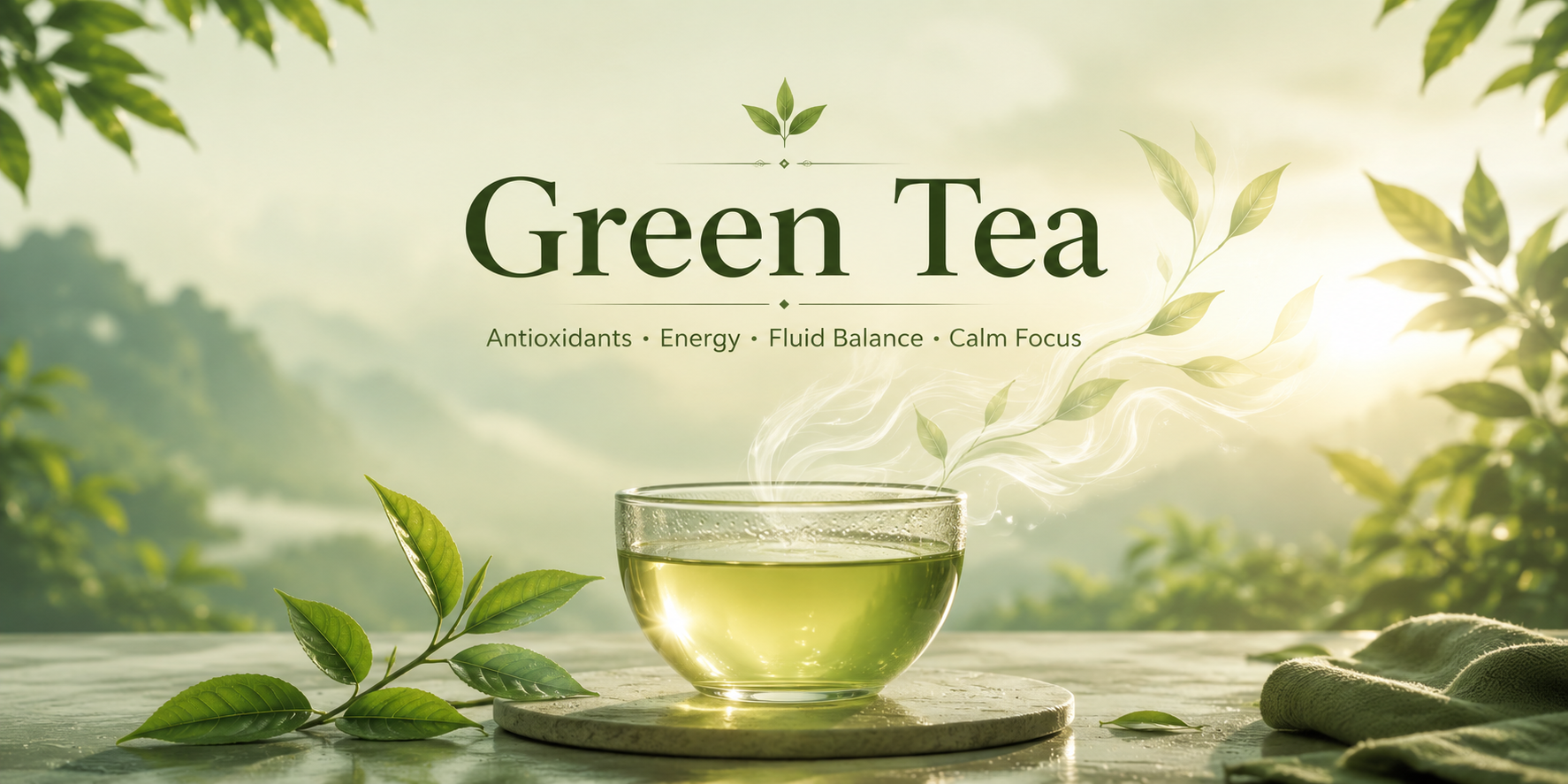
Green Tea
Learn about green tea benefits for antioxidants, calm energy, heart wellness, hydration, fluid balance, focus, and daily natural support.
A Timeless Daily Tea for Antioxidants, Heart Health, Metabolism, Calm Energy, and Healthy Aging
Green tea is one of the world’s oldest and most widely enjoyed wellness drinks. For thousands of years, people have prepared its leaves not only for refreshment, but also for clarity, digestion, vitality, hospitality, contemplation, and the simple pleasure of pausing over a warm cup.
Its strength begins with simplicity. Green tea does not require an elaborate routine. A few leaves, warm water, and several quiet minutes release a remarkable collection of natural plant compounds into the cup. These compounds have made green tea one of the most extensively studied traditional beverages in modern nutrition research.
Green tea offers antioxidants, gentle caffeine, the amino acid L-theanine, and a broad family of polyphenols that interact with the body in many ways. Regular consumption has been studied in connection with cardiovascular health, cholesterol, blood sugar regulation, brain function, inflammation, oral health, liver wellness, metabolic balance, and healthy aging.
A brewed cup will not behave like a concentrated supplement or a medication. Its value is found in steady nourishment, thoughtful use, and the way a small daily habit can support many parts of the body at once.
Green Tea and the Camellia Sinensis Family
Green tea comes from Camellia sinensis, the same plant that gives us white tea, oolong tea, black tea, and pu-erh tea. These teas are not produced by entirely different plants. Their distinctive colors, flavors, aromas, and chemical profiles develop largely through cultivation, harvesting, oxidation, fermentation, and processing.
After green tea leaves are picked, they are quickly heated by steaming or pan-firing. This slows the natural oxidation that would otherwise darken the leaves and change their flavor. The leaves are then rolled, shaped, and dried.
Because oxidation is limited, green tea retains its fresh color and a high proportion of its original catechins. These naturally occurring polyphenols are responsible for much of green tea’s bitterness, astringency, antioxidant activity, and scientific interest.
Black tea is allowed to oxidize more fully, creating its darker color and deeper flavor. Oolong is partially oxidized and occupies the wide middle ground between green and black tea. White tea is delicately processed, while pu-erh develops through microbial fermentation and aging.
Each form has its own character. Green tea is especially valued for its combination of catechins, caffeine, L-theanine, aroma compounds, and centuries of traditional use.
An Ancient Leaf with a Living History
Green tea has deep roots in China, where tea cultivation and preparation gradually grew from medicinal and ceremonial traditions into an important part of daily life. Over time, tea traveled throughout East Asia and became closely woven into food, art, hospitality, spiritual practice, trade, and social connection.
In Japan, powdered green tea eventually became central to the tea ceremony, where preparing and receiving a bowl of matcha could become an act of presence, respect, discipline, and beauty. Different regions developed their own cultivation methods and signature teas, including sencha, gyokuro, bancha, jasmine green tea, dragon well, gunpowder tea, and many others.
Green tea’s history matters because it reminds us that this leaf was never valued for only one isolated compound. People experienced it as a complete beverage: warming yet refreshing, gently stimulating, mentally clarifying, socially meaningful, and easy to return to day after day.
Modern research has helped explain some of those longstanding observations, but the cup itself remains beautifully uncomplicated.
What Green Tea Contains
Green tea contains hundreds of naturally occurring compounds. Their amounts vary according to the tea variety, growing conditions, harvest season, leaf age, processing method, storage, water temperature, and steeping time.
Among its most important components are:
Catechins
Catechins are polyphenols with antioxidant and cell-signaling activity. The best known is epigallocatechin gallate, usually shortened to EGCG.
Other green tea catechins include epigallocatechin, epicatechin gallate, and epicatechin. Together, these compounds contribute to green tea’s taste and many of the biological effects being explored in research.
L-Theanine
L-theanine is an amino acid naturally concentrated in tea leaves. It can cross into the brain and influence pathways involved in attention, relaxation, and mental state.
The relationship between L-theanine and caffeine helps explain why green tea often feels different from coffee. The stimulation may feel clearer and more measured, especially when the tea is brewed moderately.
Caffeine
Green tea naturally contains caffeine. The amount varies considerably, but an ordinary cup often provides less caffeine than a typical cup of coffee.
Shade-grown teas, matcha, larger servings, hotter water, and longer steeping can all increase caffeine exposure. Decaffeinated varieties provide another option, although decaffeination may reduce some of the tea’s natural compounds.
Flavonols, Phenolic Acids, and Aromatic Compounds
Green tea also supplies smaller amounts of quercetin-related flavonols, phenolic acids, chlorophyll, carotenoids, volatile aromatic compounds, minerals, and other plant constituents.
These compounds do not work in isolation. A cup of tea is a plant matrix, meaning its constituents are consumed together and may influence one another’s absorption and activity.
Antioxidant Protection and Cellular Wellness
Every cell in the body continually produces reactive molecules as part of ordinary metabolism, immune activity, exercise, environmental exposure, and energy production. The body has its own antioxidant systems to keep these molecules in balance.
Green tea’s catechins can support this antioxidant network. They may interact with free radicals, influence antioxidant enzymes, affect inflammatory signaling, and help protect fats, proteins, and cellular structures from excessive oxidative stress.
This does not mean antioxidants create an invisible shield around the body. Their role is more intricate. They participate in the body’s ongoing chemistry and may help cells respond more effectively to daily stress.
Green tea’s antioxidant activity is one reason it appears across research involving the heart, brain, blood vessels, metabolism, liver, skin, and healthy aging. These systems are deeply connected. Supporting cellular balance in one area can ripple into many others.
Green Tea and Inflammation
Inflammation is an essential part of immune defense and tissue repair. Problems arise when inflammatory signaling remains elevated or poorly regulated over time.
Laboratory and human research suggests that green tea catechins may influence several pathways involved in inflammation. They have been studied for their effects on inflammatory messengers, oxidative stress, vascular function, and metabolic activity.
Results vary according to the population, dose, form of green tea, study length, and the health of participants. Even so, the broader picture suggests that regularly drinking unsweetened green tea can contribute to an eating pattern rich in anti-inflammatory plant compounds.
This becomes especially meaningful when green tea replaces beverages loaded with added sugar. The benefit comes from what the tea provides and from what it may gently move out of the daily routine.
Heart, Cholesterol, and Circulation
Green tea has been studied extensively for cardiovascular wellness. Its catechins may support the inner lining of blood vessels, influence cholesterol metabolism, reduce oxidation of LDL particles, and contribute to healthier vascular function.
Clinical trials and pooled research have found modest reductions in total cholesterol and LDL cholesterol in some groups consuming green tea or green tea compounds. Blood-pressure findings are more varied, although some studies suggest small improvements with regular use.
These are usually subtle changes rather than dramatic shifts. Their importance lies in consistency. Cardiovascular health is shaped by many small influences repeated over years: food choices, movement, sleep, stress, smoking exposure, blood sugar, blood pressure, and the beverages a person drinks every day.
Green tea can fit naturally into that larger picture. An unsweetened cup provides plant compounds without the sugar found in soda, sweet tea, flavored coffee drinks, or many energy beverages.
Its gentle caffeine may temporarily increase heart rate or blood pressure in people who are sensitive, while regular tea drinkers may experience less of this effect. Personal response matters, and decaffeinated green tea remains available for those who enjoy the leaf but prefer less stimulation.
Blood Sugar and Metabolic Balance
Green tea is frequently studied in connection with glucose metabolism, insulin sensitivity, body composition, and the risk factors associated with type 2 diabetes.
Catechins may influence digestive enzymes, glucose absorption, cellular signaling, fat metabolism, and the way the liver handles energy. Some clinical studies have found modest improvements in fasting glucose, cholesterol, or other metabolic markers, while others have found little change.
This mixed picture tells us something important: green tea is most valuable as part of a complete pattern, not as a shortcut around that pattern.
When green tea replaces a high-sugar drink, it can immediately reduce added sugar and excess calories. When it becomes part of a routine that includes fiber-rich foods, protein, movement, sleep, and regular meals, it supports a metabolic environment that is far more meaningful than any single extract or “fat-burning” claim.
Weight Management Beyond the Marketing
Green tea is often promoted as a weight-loss drink because caffeine and catechins can slightly influence energy expenditure and fat oxidation. The actual effect on body weight is usually modest and varies considerably among individuals.
Its deeper contribution to weight management may be practical rather than dramatic.
Green tea can provide flavor, warmth, refreshment, and mild energy without requiring sugar, cream, syrups, or a large number of calories. It can replace sweet drinks, create a satisfying pause between meals, and support a more intentional daily rhythm.
Matcha lattes and bottled green teas can be very different. Many contain significant amounts of sugar, sweetened milk, or flavored syrups. The words “green tea” on a label do not automatically make a beverage metabolically gentle.
Plain brewed tea, lightly sweetened tea, or homemade matcha offers greater control over what enters the cup.
Brain Health, Alertness, and Calm Focus
Green tea occupies an unusual space between stimulation and calm.
Caffeine blocks adenosine receptors in the brain, which helps reduce feelings of drowsiness and supports alertness. L-theanine influences neurotransmitter activity and patterns of brain function associated with relaxed attention.
Consumed together in tea, these compounds may support concentration, reaction time, working memory, and a steadier mental state. Many people describe green tea as providing a more even form of energy than coffee.
The experience depends on the tea and the person. Strong matcha may contain substantial caffeine, while lightly brewed bancha or decaffeinated green tea may feel very gentle.
Long-term research is also exploring associations between tea consumption and cognitive aging. Green tea’s catechins may affect oxidative stress, inflammation, circulation, and cellular pathways relevant to the aging brain. Observational findings are encouraging in some populations, although they do not prove that green tea alone prevents dementia or neurological disease.
Still, the combination of hydration, flavonoids, modest caffeine, and L-theanine makes green tea a thoughtful beverage for people who want mental energy without turning every afternoon into a caffeine thunderstorm.
Stress, Mood, and the Ritual of Tea
The chemistry of green tea deserves attention, but so does the ritual.
Preparing tea asks the body to slow down long enough to heat water, measure leaves, wait, breathe, and receive the cup. That small sequence can create a boundary between one part of the day and another.
Tea can mark the beginning of work, the close of a meal, an afternoon reset, a conversation, a moment of prayer, or a quiet return to oneself.
L-theanine may contribute to the relaxed concentration associated with tea, while the ritual itself creates another kind of support. Warmth, aroma, repetition, and intentional pauses all communicate with the nervous system.
Wellness sometimes arrives through compounds measured in a laboratory. Sometimes it arrives because a person finally sat down for five peaceful minutes. Green tea carries room for both.
Liver Wellness and the Difference Between Tea and Extracts
The liver processes nutrients, medications, hormones, alcohol, environmental compounds, and many of the substances we consume. Green tea has been studied for its possible effects on liver fat, oxidative stress, inflammation, and metabolic liver health.
Moderate consumption of brewed green tea appears well tolerated by most adults and may be associated with favorable liver and metabolic patterns.
Concentrated green tea extracts are a different matter. Capsules and high-dose products can deliver far more EGCG at one time than a person would ordinarily receive from a cup of tea. Rare cases of liver injury have been linked primarily to concentrated extracts, particularly when taken in large doses or on an empty stomach.
This distinction honors green tea rather than diminishing it. Traditional brewed tea and high-dose supplemental extracts are not interchangeable experiences.
Someone using a concentrated product should follow the label carefully, avoid stacking several catechin-containing supplements, and pay attention to unusual fatigue, nausea, abdominal discomfort, dark urine, itching, or yellowing of the skin or eyes.
For everyday wellness, brewed tea offers the leaf in its gentler and more traditional form.
Digestion and the Gut
Green tea can feel refreshing after a meal, and its polyphenols interact with the digestive tract before they ever reach the bloodstream.
Some catechins are absorbed in the small intestine, while others travel into the colon, where they can be transformed by gut microorganisms. Researchers are investigating how this two-way relationship may influence the gut microbiome, intestinal barrier, inflammation, and metabolism.
Green tea also contains tannins and caffeine, which can feel uncomfortable to some people on an empty stomach. Nausea, stomach irritation, or acid reflux may occur when the tea is brewed very strongly or consumed without food.
A lighter brew, lower-caffeine variety, shorter steeping time, or enjoying tea after a meal may feel better. The ideal preparation is the one the body welcomes.
Oral Health and Freshness
Green tea catechins have been studied for their activity against certain oral bacteria. They may help influence the microbial environment associated with plaque formation, gum health, and breath.
Tea also provides fluoride in varying amounts depending on the plant, soil, and growing region. Fluoride can support tooth enamel, although the concentration differs among teas.
Drinking unsweetened green tea is far friendlier to the teeth than continually sipping sugar-sweetened beverages. It cannot replace brushing, flossing, dental care, or treatment for gum disease, but it can be part of an oral-health-conscious routine.
Green tea can also stain teeth over time, although it generally stains less heavily than black tea or coffee. Rinsing the mouth with water after tea may help reduce residue.
Skin and Healthy Aging
Skin reflects circulation, hydration, inflammation, nutrition, hormones, sun exposure, sleep, and overall health. Green tea’s antioxidant and anti-inflammatory compounds have therefore attracted interest in skin research.
Both oral green tea and topical preparations have been studied for their possible roles in supporting the skin’s response to ultraviolet exposure, redness, oil production, and signs of aging.
Green tea does not replace sun protection. Its compounds may, however, support some of the biological systems that help the skin respond to environmental stress.
Unsweetened tea also contributes to daily fluid intake. Caffeinated tea still provides water, and ordinary servings do not automatically dehydrate a healthy person who is accustomed to caffeine.
Immune Function
Green tea catechins have demonstrated antimicrobial and antiviral activity in laboratory research. They can also influence immune signaling and inflammatory pathways.
Laboratory activity does not always translate directly into the same effect inside the human body. Digestion, absorption, metabolism, dose, and tissue exposure all shape what happens after tea is consumed.
Green tea is best understood as a nutrient-rich beverage that supports the broader environment in which the immune system works. It contributes polyphenols and hydration while fitting comfortably beside adequate sleep, nourishing food, movement, sunlight, and regular care.
Green Tea and Cancer Research
Green tea has been studied extensively in relation to cancer because catechins, especially EGCG, can influence oxidative stress, inflammation, cell signaling, blood-vessel formation, and the growth or death of abnormal cells in laboratory settings.
Animal and cell studies have produced many intriguing findings. Human research is more complex. Some observational studies have found associations between higher green tea consumption and lower rates of particular cancers, while others have found weak, inconsistent, or no clear association.
Cancer is not one disease, and tea consumption is only one part of a person’s diet, genetics, environment, lifestyle, and medical history. Preparation methods and typical intake also vary greatly among populations.
Green tea deserves a place in cancer research because its compounds are biologically active and scientifically interesting. At the same time, drinking tea should never delay screening, diagnosis, or cancer treatment.
For most people, the most grounded way to include green tea is as one component of a varied, plant-rich way of eating.
Fluid Balance and Mild Puffiness
Green tea contributes to hydration while its caffeine may temporarily increase urine production, particularly in people who do not regularly consume caffeine.
This may leave some people feeling a little less heavy or puffy, but green tea is not a dependable treatment for swelling. Persistent swelling can have many causes, including long periods of sitting, high sodium intake, heat, medication effects, circulation problems, kidney concerns, heart conditions, hormonal changes, or pregnancy-related complications.
Gentle movement, adequate water, comfortable footwear, rest, and elevating the legs may support ordinary end-of-day puffiness.
Swelling that is sudden, severe, painful, one-sided, accompanied by shortness of breath, or connected with a rapid change in health deserves prompt evaluation.
The original page gave fluid balance a prominent role. Green tea may contribute gentle support, but its wider value reaches far beyond this single use.
Green Tea During Pregnancy
Pregnancy changes how the body handles caffeine and increases the importance of folate, iron, hydration, blood-pressure awareness, and individualized medical guidance.
Green tea can fit into some pregnancies when total caffeine intake remains within the limit recommended by the person’s prenatal clinician. Caffeine from coffee, tea, matcha, soda, chocolate, energy products, and medications all counts toward the daily total.
Green tea should not be used as a home treatment for pregnancy swelling. Sudden swelling of the face or hands, rapidly worsening swelling, severe headache, visual changes, upper abdominal pain, shortness of breath, or elevated blood pressure can be warning signs that need immediate medical attention.
Tea polyphenols can also reduce the absorption of non-heme iron. Drinking green tea between meals rather than alongside iron-rich foods or prenatal iron supplements may be a helpful adjustment.
Very large amounts of green tea or concentrated extracts are a different exposure than an occasional brewed cup. Pregnancy is an important time to avoid experimenting with high-dose green tea supplements unless they have been specifically reviewed by the prenatal care team.
Women’s Wellness
Green tea offers several areas of interest for women throughout adulthood.
Its modest metabolic and cardiovascular effects may be especially relevant as cholesterol patterns, insulin sensitivity, and body composition change through midlife and menopause. Research in postmenopausal women is still developing, with some studies suggesting small improvements in cholesterol but inconsistent effects on weight and blood sugar.
Women with heavy menstrual cycles, low ferritin, or iron-deficiency anemia should pay attention to tea timing. The tannins and catechins in green tea can interfere with non-heme iron absorption when consumed with meals or supplements.
Spacing green tea one or two hours away from iron-rich meals or iron supplements allows women to enjoy the tea while protecting the nutritional work being done elsewhere in the day.
Women who are sensitive to caffeine may also notice changes in sleep, breast tenderness, anxiety, heart rate, hot flashes, or bladder urgency. A lighter brew or decaffeinated green tea may provide a better fit.
Men’s Wellness
For men, green tea can support a practical daily routine centered on heart health, metabolic wellness, alertness, and healthy aging.
Research has also explored green tea catechins in relation to prostate cells and prostate cancer risk. Laboratory findings have been interesting, but human evidence remains mixed and does not establish green tea as a treatment.
Its strongest everyday value lies in the larger pattern. Replacing sugary drinks, receiving more plant polyphenols, moderating caffeine, supporting hydration, and choosing a beverage that fits a heart-conscious lifestyle can all add up over time.
Men who take blood-thinning medication, have heart-rhythm concerns, manage iron deficiency, or use concentrated supplements should consider how green tea fits with their individual care.
Brewed Green Tea, Matcha, and Extracts
Although all three begin with tea leaves, they are not equivalent.
Brewed Green Tea
Brewed green tea is prepared by steeping leaves in water and then removing them. It provides catechins, L-theanine, caffeine, aroma, and flavor in a relatively gentle form.
This is the easiest choice for regular use and offers enormous variety, from delicate Japanese sencha to nutty Chinese dragon well and fragrant jasmine green tea.
Matcha
Matcha is made from shade-grown green tea leaves that are processed and ground into a fine powder. Because the entire leaf is consumed, matcha generally provides a more concentrated dose of catechins, caffeine, chlorophyll, and other leaf compounds.
A bowl of matcha can provide stronger stimulation than lightly brewed green tea. Serving size matters, and café matcha drinks may contain more sugar than tea.
Green Tea Extract
Green tea extract is concentrated and often sold in capsules, tablets, powders, beverages, or weight-management products. The amount of EGCG may equal several cups of tea and can sometimes be difficult to identify when it is hidden inside a proprietary blend.
Extracts deserve greater care, especially at high doses or when taken while fasting. People with liver disease, medication concerns, pregnancy, or multiple supplement use should review concentrated products with a qualified professional.
The traditional cup and the concentrated capsule may share a name, but they do not deliver the leaf in the same way.
Choosing a Green Tea
Fresh, well-stored tea usually has a cleaner aroma and brighter flavor than tea that has sat for years in a warm, open container.
Look for tea stored away from light, heat, moisture, and strong odors. Loose-leaf tea can offer excellent quality, but tea bags remain convenient and can still produce a valuable cup.
Different varieties offer different experiences:
Sencha has a fresh, grassy, gently savory character.
Gyokuro is shade-grown, rich in umami, and often higher in caffeine and L-theanine.
Bancha is made from more mature leaves and usually has a mild, approachable flavor.
Genmaicha combines green tea with roasted rice, creating a warm, nutty cup.
Dragon well, also called Longjing, is pan-fired and known for its soft chestnut-like flavor.
Jasmine green tea is scented with jasmine blossoms and offers a fragrant, floral cup.
Gunpowder tea is rolled into small pellets and produces a stronger brew.
Matcha is whisked rather than steeped and delivers the whole powdered leaf.
There is no single “best” green tea. The best choice is fresh, enjoyable, and well suited to the person drinking it.
How to Brew Green Tea Without Bitterness
Green tea often becomes bitter when the water is too hot, the leaves are over-steeped, or too much tea is used.
A helpful starting point is water between approximately 160°F and 180°F, depending on the tea. Delicate Japanese teas often prefer the lower end, while sturdier Chinese teas may handle slightly hotter water.
Steep for about one to three minutes and adjust from there. More leaf with a shorter steep can create a flavorful cup without extracting excessive bitterness.
Matcha is usually whisked into warm water rather than boiling water. A small amount of powder can be sifted into a bowl, mixed with water, and whisked until smooth and lightly frothy.
Green tea can be enjoyed plain or paired with lemon, mint, ginger, jasmine, honey, fruit, or a splash of milk. Lemon and other vitamin C-rich additions may also help preserve catechins during digestion.
Creating a Daily Green Tea Rhythm
Green tea can be used in many uncomplicated ways.
A cup in the morning may provide a gentler beginning than strong coffee. An early-afternoon cup can create a clear transition into the second half of the day. Iced green tea can replace soda or heavily sweetened tea. Decaffeinated green tea can bring warmth and ritual later in the day.
People who are caffeine-sensitive may prefer tea with food, a shorter steep, fewer leaves, or an earlier drinking time.
Consistency matters more than forcing a large amount. One enjoyable cup that becomes part of the day is more valuable than a demanding routine that is abandoned within a week.
Enjoying Green Tea Wisely
Green tea is well tolerated by many adults, but the body still deserves a vote.
Caffeine can contribute to restlessness, anxiety, headaches, rapid heartbeat, reflux, frequent urination, or disrupted sleep. Reducing the strength, amount, or timing may solve the problem.
Tea can reduce non-heme iron absorption. People with low iron may benefit from drinking it between meals.
Some medications can interact with caffeine, vitamin K, or concentrated tea compounds. Warfarin users, people taking stimulant medications, and those managing significant health conditions should discuss regular high intake or supplements with their care team.
Brewed green tea contains some vitamin K, although usually far less than leafy green vegetables. Consistency is often more important than complete avoidance for people using warfarin, but individualized guidance matters.
Concentrated extracts require greater awareness because they can expose the liver to high amounts of catechins at once. Taking more is not the path to receiving more wisdom from the plant.
Green tea has endured for centuries because the ordinary cup already holds so much.
A Grounded Takeaway
Green tea is a remarkable meeting place between ancient tradition and modern research.
Its leaves offer catechins, L-theanine, caffeine, and an intricate family of plant compounds. Together, they may support antioxidant defenses, cardiovascular wellness, cholesterol balance, mental alertness, metabolic health, oral wellness, and the body’s response to everyday inflammation.
Its benefits are often modest, cumulative, and beautifully practical. Green tea can replace sugary beverages, create a calmer caffeine rhythm, contribute to hydration, and bring a moment of intention into an otherwise crowded day.
Matcha offers a more concentrated experience. Extracts require greater care. The traditional brewed cup remains the gentlest and most enduring way to know the leaf.
Green tea does not need exaggerated promises to be valuable. It has history, substance, versatility, and a quiet ability to support several dimensions of wellness at once.
A few leaves open in warm water, releasing color, aroma, and centuries of human appreciation. That is simple, but it is far from small.
Questions and Answers About Green Tea
Is green tea good to drink every day?
Many adults can enjoy green tea daily. The best amount depends on caffeine sensitivity, iron status, medications, pregnancy, sleep patterns, and the strength of the tea.
One to several cups can fit comfortably into a balanced routine. Drinking more is not automatically better, especially when caffeine begins affecting sleep or digestion.
How much caffeine is in green tea?
A typical cup may contain approximately 20 to 50 milligrams of caffeine, although the amount can fall outside that range.
Tea variety, leaf quantity, water temperature, steeping time, serving size, and whether the entire leaf is consumed all matter. Matcha frequently contains more caffeine per serving than lightly brewed green tea.
Does green tea hydrate the body?
Yes. Brewed green tea is mostly water and contributes to daily fluid intake.
Caffeine can mildly increase urine output, especially in people who are not accustomed to it, but ordinary tea consumption still provides meaningful hydration.
Is green tea better than coffee?
They offer different experiences.
Coffee usually provides more caffeine and can create stronger stimulation. Green tea generally supplies less caffeine along with L-theanine and high levels of catechins.
The better choice is the one that supports energy without disturbing sleep, digestion, heart rhythm, or emotional steadiness.
Can green tea help lower cholesterol?
Research suggests that regular green tea consumption or green tea catechins may produce modest reductions in total and LDL cholesterol in some people.
Green tea works best beside nourishing food, movement, healthy body composition, and appropriate medical care rather than as a replacement for them.
Can green tea lower blood sugar?
Some studies have found small improvements in fasting glucose or other metabolic markers, while others have found limited effects.
Unsweetened green tea can still support blood sugar goals by replacing soda, sweet tea, and other high-sugar beverages.
Does green tea burn belly fat?
Green tea may slightly increase energy expenditure or fat oxidation, but the effect is generally modest.
It cannot selectively remove fat from the abdomen. Its most dependable contribution is as a low-calorie, unsweetened beverage within a larger eating and movement pattern.
Is matcha healthier than ordinary green tea?
Matcha is more concentrated because the entire powdered leaf is consumed. It may provide more catechins, L-theanine, caffeine, chlorophyll, and other leaf compounds per serving.
That concentration can be useful, but it also means caffeine and total exposure may be higher. Ordinary brewed green tea is gentler and easier to adjust.
Can green tea help the brain?
Caffeine and L-theanine may support alertness, attention, reaction time, and a calmer form of concentration.
Long-term research is examining possible connections with cognitive aging, but green tea has not been established as a treatment or guaranteed prevention for dementia.
Can green tea reduce inflammation?
Green tea catechins can influence oxidative stress and inflammatory pathways. Human studies suggest possible benefits, although outcomes vary.
Regularly drinking unsweetened green tea can contribute to a wider anti-inflammatory lifestyle rich in whole plant foods, movement, rest, and healthy metabolic habits.
Is green tea good for the liver?
Moderate brewed green tea appears safe for most adults and may support metabolic and liver wellness.
Concentrated extracts have occasionally been linked to liver injury, especially in high doses or when taken on an empty stomach. Brewed tea and high-dose supplements should be treated as different products.
Can green tea upset the stomach?
Yes. Strong tea, tannins, and caffeine can cause nausea, reflux, or irritation, particularly when consumed on an empty stomach.
Using cooler water, steeping for less time, choosing a milder variety, or drinking tea with food may help.
Does green tea interfere with iron?
Green tea can reduce absorption of non-heme iron, the form found in plant foods and many supplements.
People with low iron, heavy menstrual cycles, pregnancy-related iron needs, or iron-deficiency anemia may benefit from drinking tea between meals and spacing it away from iron supplements.
Can green tea be consumed during pregnancy?
Some people include modest amounts of brewed green tea during pregnancy while remaining within the caffeine limit recommended by their prenatal clinician.
Total caffeine from every source matters. High-dose green tea extracts are a separate concern and should be reviewed with the prenatal care team.
Does green tea help pregnancy swelling?
Green tea should not be relied upon to treat pregnancy swelling.
Sudden swelling of the face or hands, severe or rapidly increasing swelling, headache, visual changes, upper abdominal pain, or elevated blood pressure should be evaluated promptly because these symptoms can accompany serious pregnancy complications.
What is the best time to drink green tea?
Morning or early afternoon works well for many people because green tea contains caffeine.
People who metabolize caffeine slowly may need to stop earlier in the day. Decaffeinated green tea can provide the ritual and flavor with less interference with sleep.
Is bottled green tea as healthy as brewed tea?
It depends on the product.
Some bottled teas contain useful tea compounds, while others contain large amounts of added sugar and relatively little brewed tea. Reading the ingredient list and added-sugar information reveals more than the picture on the front.
Can milk be added to green tea?
Yes. Milk can soften bitterness and create a more filling drink.
Research continues to examine how milk proteins affect the availability of tea polyphenols, but adding a small amount of milk does not erase the entire value of the tea. Enjoyability and the overall dietary pattern remain important.
Can lemon be added to green tea?
Yes. Lemon brightens the flavor and supplies vitamin C, which may help preserve catechins as they move through digestion.
Allowing boiling-hot tea to cool slightly before adding lemon can preserve more of its fresh flavor.
How should green tea be stored?
Keep green tea tightly sealed and protected from heat, moisture, light, and strong odors.
Fresh green tea is delicate. Proper storage helps preserve its aroma, color, and flavor.
If this wellness page supported you, you may also enjoy:
Natural Wellness ↑
Explore more gentle, grounded wellness pages in the Natural Wellness library ↑
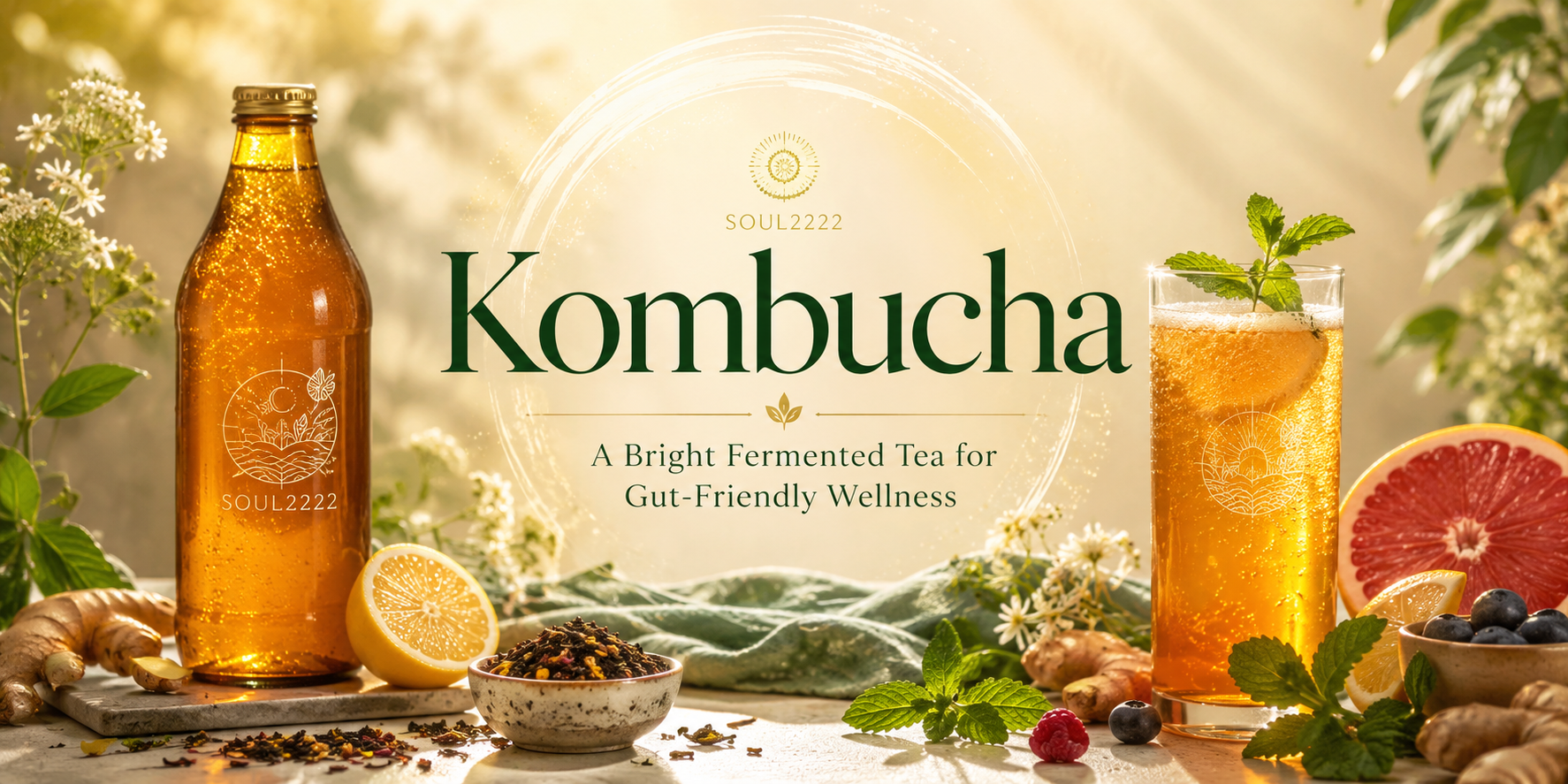
Kombucha - A Bright Fermented Tea for Gut-Friendly Wellness
Learn what kombucha is, how this fermented tea supports gut-friendly habits, hydration variety, antioxidants, and everyday wellness in a simple, refreshing way.
Kombucha is a fizzy fermented tea with a bright, tangy flavor and a long-loved place in the world of natural wellness. Made from brewed tea, sugar, bacteria, and yeast, kombucha transforms through fermentation into a lively drink with organic acids, tea compounds, gentle bubbles, and a refreshing taste that feels both ancient and modern.
At its heart, kombucha is simple: tea meets fermentation, and the result is a sparkling drink with character.
For many people, kombucha is a beautiful alternative to soda, sweet tea, or ordinary flavored drinks. It has movement, brightness, and flavor without feeling too heavy. It can be enjoyed with meals, poured into a glass over ice, or sipped as an afternoon refresh when the body wants something more interesting than plain water.
Kombucha is not only about taste. Its value comes from the combination of fermented tea, natural acids, tea antioxidants, and live cultures found in many raw or unpasteurized varieties. That is what gives kombucha its unique place in the wellness world.
What Is Kombucha?
Kombucha begins with brewed tea, usually black tea or green tea. Sugar is added to feed the fermentation process. Then a culture of bacteria and yeast, often called a SCOBY, is introduced. SCOBY stands for symbiotic culture of bacteria and yeast.
As the tea ferments, the flavor changes. The sweetness softens, the tang grows, and natural bubbles begin to form. The final drink is lightly acidic, fizzy, and often flavored with fruit, herbs, ginger, berries, citrus, or botanicals.
This is why kombucha feels different from ordinary tea. It carries the grounding qualities of tea and the lively energy of fermentation in one bottle.
Why People Love Kombucha
Kombucha has become popular because it offers something many people enjoy: a drink that feels refreshing, flavorful, and supportive without being complicated.
Its natural fizz makes it satisfying. Its tangy flavor wakes up the senses. Its fermented nature connects it to a long tradition of foods and drinks made through natural transformation, like yogurt, kefir, sauerkraut, kimchi, miso, and fermented vegetables.
For someone looking for a more balanced drink option, kombucha can feel like a beautiful upgrade. It still gives that bubbly, flavorful experience, but with more depth, more character, and the added interest of fermentation.
Kombucha and Gut-Friendly Living
One reason kombucha gets attention is because it belongs to the family of fermented foods and drinks. Many raw kombuchas contain live microorganisms, which are part of the conversation around digestive wellness and gut balance.
A healthy gut is connected to many everyday rhythms: digestion, comfort after meals, nutrient use, and the way the body feels throughout the day. Kombucha can be one small part of a gut-friendly lifestyle that also includes fiber-rich foods, fruits, vegetables, hydration, movement, and steady meals.
The beauty of kombucha is that it makes fermented living feel easy. You do not have to prepare anything elaborate. You can simply choose a well-made bottle, enjoy a small glass, and let it become part of a balanced routine.
Raw vs. Pasteurized Kombucha
Kombucha may be sold raw or pasteurized, and this can change what the drink offers.
Raw kombucha is usually kept refrigerated and may contain live cultures from fermentation. This is one reason people often connect kombucha with gut-friendly living.
Pasteurized kombucha has been heated, which can make the drink more stable, though it may reduce or remove live cultures. It can still offer refreshing flavor, organic acids, and tea-based compounds. It simply means the live-culture piece may be different.
For someone choosing kombucha mainly for the fermented, probiotic-style experience, raw and refrigerated options are usually the ones to look for. For someone who simply enjoys the taste, sparkle, and tea-based refreshment, either style may fit.
The Tea Benefits Inside Kombucha
Because kombucha starts with tea, it also carries some of the natural plant compounds found in tea. Black and green tea contain polyphenols, which are often valued for their antioxidant activity.
Antioxidants help support the body’s natural balance as it moves through everyday life. Green tea kombucha may have a lighter, brighter taste, while black tea kombucha often has a deeper, richer flavor.
Different brands and brewing styles create different results, so kombucha is not always exactly the same from bottle to bottle. That is part of its charm. Some are crisp and clean. Some are fruity. Some are gingery and bold. Some are soft and floral.
A Refreshing Swap for Sugary Drinks
One of kombucha’s strongest everyday benefits is how useful it can be as a drink swap.
If someone is used to soda, sweet tea, or heavily flavored drinks, kombucha can offer a more refreshing option. It still feels fun. It still has bubbles. It still has flavor. But many brands offer lighter choices with less sugar than traditional soda.
The key is to choose one that tastes bright and balanced. Some kombuchas are very light and crisp, while others are sweeter and more dessert-like. A good everyday choice is one that feels refreshing, clean, and enjoyable.
How to Choose a Good Kombucha
A good kombucha should feel fresh, balanced, and clean.
Look for one with simple ingredients: tea, culture, sugar, and natural flavorings such as fruit, herbs, or ginger. Choose a sweetness level that fits your goals and taste preferences. Many people enjoy kombucha that is tangy, lightly sweet, and not overpowering.
Refrigerated kombucha is usually the best choice, especially when it is raw or contains live cultures. The refrigerator helps preserve the flavor and keeps the drink stable.
If you are new to kombucha, start with a small serving. A few ounces may be enough at first. Then you can see how your body likes it and decide what amount feels right for you.
How to Read a Kombucha Label
A kombucha label can tell you a lot.
Look at the sugar amount first. Some kombuchas are light and crisp, while others are sweeter because of added juice or flavoring. Choose one that feels refreshing and balanced for your goals.
Check whether it is raw, pasteurized, refrigerated, or shelf-stable. Raw kombucha is usually found in the refrigerated section.
Because kombucha is made from tea, it can contain caffeine. The amount depends on the tea base and brewing style.
Kombucha may also contain trace amounts of naturally occurring alcohol from fermentation. Most store-bought kombucha sold as non-alcoholic is made with this in mind, but the label is still the best place to check if that matters to you.
A good kombucha label should feel simple, clear, and easy to understand.
How to Start with Kombucha
If kombucha is new to you, start with a small glass instead of a full bottle.
A few ounces can be enough at first. This gives your body time to get used to the tang, bubbles, acidity, and fermentation. From there, you can decide what amount feels good in your own routine.
Kombucha is best enjoyed as a bright addition to wellness. It can be a small, enjoyable upgrade: a little sparkle with lunch, a refreshing afternoon drink, or a fun swap when you want something more interesting than plain water.
Ways to Enjoy Kombucha
Kombucha can be enjoyed in simple, everyday ways.
Pour it into a pretty glass with ice and citrus.
Drink a small serving with lunch.
Use it as a fun afternoon beverage instead of soda.
Try ginger kombucha when you want something bold and warming.
Choose berry, peach, lemon, or herbal flavors when you want something light and bright.
Kombucha can also be used as a mocktail base. Add fresh mint, berries, lemon slices, or a splash of sparkling water for a beautiful drink that feels special without being complicated.
Gentle Things to Keep in Mind
Kombucha is naturally tangy because of its fermentation. Enjoying it with a meal or sipping water afterward can help it fit smoothly into your routine.
Because kombucha is made from tea, it can contain caffeine. The amount depends on the tea used and the brewing process. If you are sensitive to caffeine, a smaller serving or a lower-caffeine option may feel best.
Kombucha is also a fermented drink, so it can contain trace amounts of naturally occurring alcohol. Most store-bought kombucha sold as non-alcoholic is made with this in mind, but reading the label is a good habit, especially for anyone who prefers very clear ingredient and alcohol information.
During pregnancy, breastfeeding, or times when the body needs extra care, it is worth choosing carefully. Some people may prefer pasteurized kombucha or guidance from a trusted health professional to choose the best fit.
This simply helps place kombucha in the right lane: a refreshing fermented tea to enjoy with awareness, balance, and pleasure.
Kombucha and Everyday Wellness
Kombucha fits best as part of a larger wellness rhythm.
It pairs well with nourishing meals, mineral-rich hydration, fiber, movement, sunlight, rest, and foods that support the gut naturally. It can add variety to your day and help make better beverage choices feel enjoyable instead of restrictive.
Sometimes wellness becomes easier when the choices feel alive. Kombucha has that little spark. It is fizzy, bright, tangy, and flavorful. It brings a sense of ritual to something as ordinary as taking a drink.
Q&A About Kombucha
Is kombucha good for gut health?
Kombucha can support a gut-friendly lifestyle because it is fermented and many raw varieties contain live cultures. It works best as part of a balanced routine that includes fiber-rich foods, hydration, and steady nourishment.
Does kombucha have probiotics?
Many raw kombuchas contain live bacteria and yeast from fermentation. The amount and type can vary by brand, brewing method, storage, and whether the drink has been pasteurized.
Is raw kombucha better than pasteurized kombucha?
Raw kombucha is usually the better choice for people who want live cultures, because pasteurization may reduce or remove them. Pasteurized kombucha can still be enjoyable as a fermented tea drink with flavor, tea compounds, and organic acids.
Is kombucha better than soda?
For many people, kombucha can be a more refreshing everyday choice than soda, especially when it is lower in sugar. It still gives bubbles and flavor, but with the added character of fermented tea.
Does kombucha have caffeine?
Yes, kombucha can contain caffeine because it is made from tea. The amount varies depending on whether black tea, green tea, or another tea base is used.
Does kombucha contain alcohol?
Kombucha can contain trace amounts of naturally occurring alcohol because it is fermented. Most store-bought kombucha sold as non-alcoholic is made with this in mind. Checking the label is the easiest way to know what you are choosing.
How much kombucha should you drink?
Many people do well starting with a small serving, such as a few ounces, then adjusting based on how their body responds. Kombucha is best enjoyed as part of a balanced wellness routine.
The Takeaway
Kombucha is a bright, fizzy fermented tea that brings flavor, refreshment, and gut-friendly tradition into everyday life. Its value comes from the beauty of fermentation, the natural compounds in tea, and the way it can help make better beverage choices feel enjoyable.
It is simple, lively, and full of personality.
A little tang, a little sparkle, a little ancient kitchen wisdom in a modern glass.
If this wellness page supported you, you may also enjoy:
Ginger
Natural Wellness ↑
Explore more gentle, grounded wellness pages in the Natural Wellness library ↑
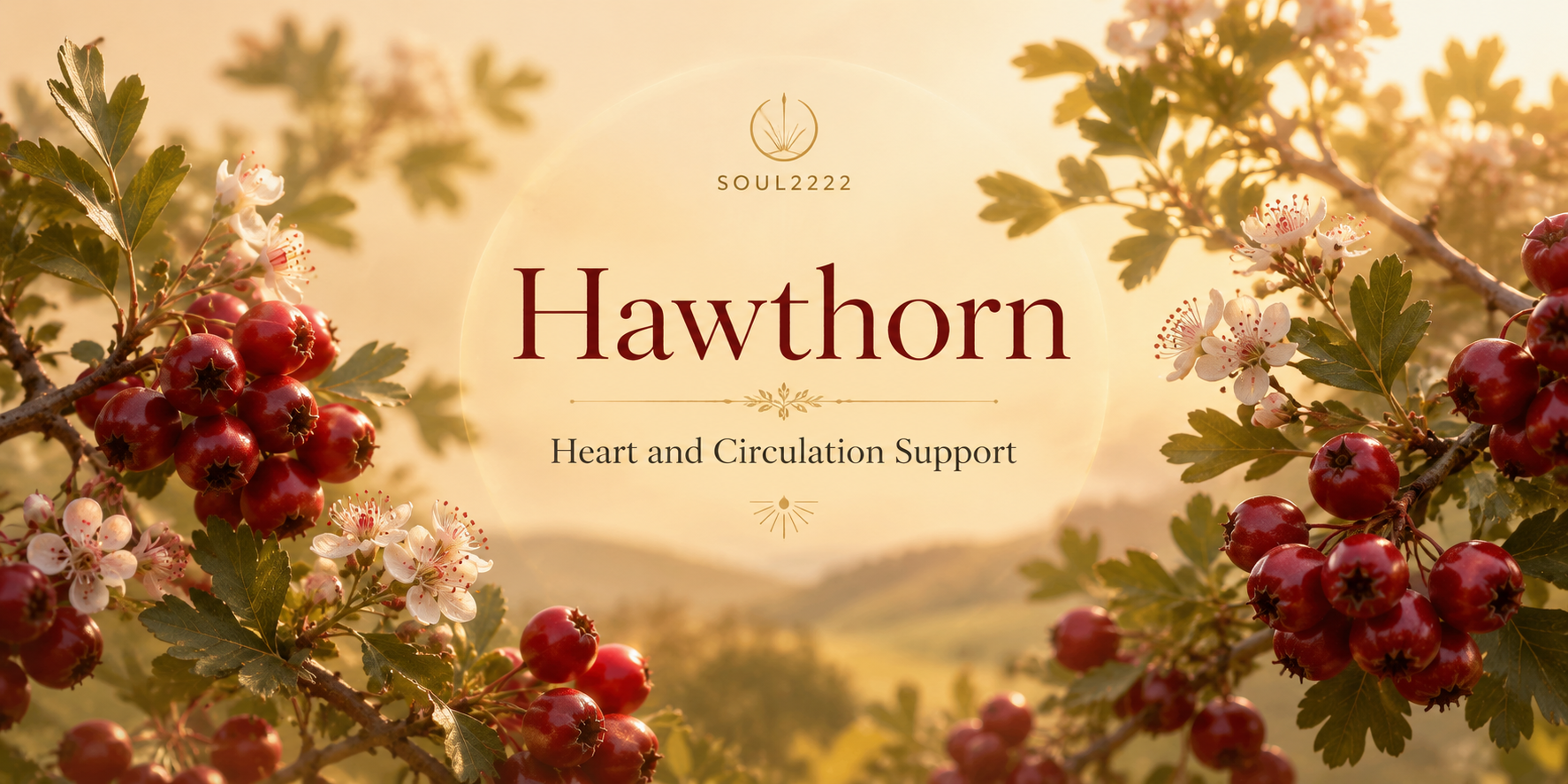
Hawthorn for Heart and Circulation Support
Learn about hawthorn, including hawthorn berry, leaf, flower, tea, supplements, extracts, and its traditional use for heart, circulation, antioxidant, and digestive support.
Hawthorn is one of the most heart-connected plants in traditional wellness.
Many people know hawthorn for its deep red berries, but this plant offers more than the berry alone. The berry, leaf, and flower have all been used in herbal preparations, giving hawthorn a long-standing place in heart, circulation, antioxidant, and digestive support.
Hawthorn comes from the Crataegus plant family and belongs to the rose family. This gives it a beautiful botanical connection to both strength and softness. It produces clusters of small red berries, delicate blossoms, green leaves, and protective thorns. There is something meaningful about that combination. Hawthorn carries beauty, nourishment, structure, and protection on the same branch.
In European herbal traditions, hawthorn has long been associated with heart and circulation support. In Traditional Chinese Medicine, hawthorn berry is known as Shan Zha and has traditionally been used to support digestion, especially after rich or heavier meals.
At its core, hawthorn is a plant of nourishment, movement, rhythm, and balance.
What Hawthorn Is
Hawthorn grows as a shrub or small tree and produces small red fruits often called haws. These berries have a tart, earthy, slightly fruity taste and are commonly used in teas, syrups, powders, extracts, tinctures, capsules, and herbal blends.
Hawthorn belongs to the Crataegus genus, which includes many species used in herbal traditions around the world. Different products may use different hawthorn species, but the berry, leaf, and flower remain the most commonly discussed plant parts in wellness preparations.
The berry is the part many people recognize first, but hawthorn’s wellness value includes more than the fruit. The leaves and flowers are also widely used, especially in extracts and formulas made for heart and circulation support.
This is why hawthorn products can look different from one brand to another. One tea may focus mostly on dried hawthorn berries. Another supplement may use hawthorn leaf and flower extract. Another formula may combine the berry, leaf, and flower together.
Hawthorn’s value comes from the way each part of the plant contributes something meaningful. The berry is often loved for teas, traditional digestive use, and its deep red nourishment. The leaf and flower are commonly used in heart and circulation formulas because they contain important plant compounds. Together, the berry, leaf, and flower give hawthorn its rich place in herbal wellness.
Hawthorn Berry, Leaf, and Flower
Hawthorn can be used in different ways depending on the part of the plant.
Hawthorn berry is often used in teas, syrups, powders, jams, traditional digestive preparations, and herbal blends. It has a tart flavor and a deep red color that makes it especially beautiful in tea formulas.
Hawthorn leaf is commonly used in extracts and supplements. The leaves naturally contain flavonoids and other plant compounds that help explain hawthorn’s long-standing connection to cardiovascular wellness.
Hawthorn flower is also used in herbal preparations, often alongside the leaf. Leaf-and-flower extracts are common in modern hawthorn supplements and are frequently used in heart and circulation formulas.
Some products use one part of the plant. Some combine several parts. This does not make one form automatically better than another. It simply means hawthorn can be prepared in different ways depending on the purpose, tradition, and type of product.
This is why hawthorn is best understood as a whole plant, with the berry, leaf, and flower each adding to its traditional use and modern wellness value.
What Gives Hawthorn Its Value
Hawthorn contains natural plant compounds that help explain why it has remained so respected in traditional wellness. These include:
Flavonoids
Procyanidins
Polyphenols
Phenolic acids
Antioxidant compounds
Plant pigments and protective nutrients
These compounds are part of what makes hawthorn especially interesting for heart-centered wellness. Flavonoids and procyanidins are often discussed in relation to antioxidant support, blood vessel function, and cardiovascular health.
Antioxidants help the body handle everyday oxidative stress. The body is always working, repairing, moving, responding, and renewing. Plant compounds from foods and herbs can support the body’s natural protective systems and help nourish resilience from the inside.
Hawthorn has been valued for generations, and modern wellness interest helps explain why. Its berries, leaves, and flowers contain natural plant compounds that support its long-standing connection to heart, circulation, and antioxidant wellness.
Heart and Circulation Support
Healthy circulation matters because the body depends on movement. Blood carries oxygen, nutrients, warmth, and life-giving support throughout the body. When circulation is supported, the whole system can feel more nourished.
Hawthorn has traditionally been used to support the heart’s natural strength and flow. It is often included in teas, tinctures, capsules, extracts, and herbal blends created for cardiovascular wellness.
A grounded way to understand hawthorn is this:
It supports the heart by honoring the movement of the whole body.
Hawthorn is often connected with healthy blood vessel function. Blood vessels need flexibility, tone, and ease so circulation can move well. The plant compounds in hawthorn are part of why it has been studied for its relationship with cardiovascular wellness, blood vessel support, and circulation.
This makes hawthorn a thoughtful herb for people who are interested in heart-centered wellness from a natural living perspective.
Blood Pressure and Vascular Wellness
Hawthorn is often discussed in connection with healthy blood pressure support because of its relationship with the heart and blood vessels.
A grounded way to understand this is that hawthorn has traditionally been used to support the systems involved in healthy circulation, including the heart, blood vessels, and overall cardiovascular balance.
For someone creating a wellness lifestyle, hawthorn may fit alongside other heart-supportive habits such as:
Daily movement
Mineral-rich foods
Hydration
Stress-calming practices
Good sleep
Steady nourishment
Time outdoors
Breathwork or quiet reflection
The heart responds to the whole life we live. Hawthorn belongs in that bigger picture.
Antioxidant Support
One of hawthorn’s important strengths is its antioxidant value.
The body uses antioxidants to help protect cells from everyday oxidative stress. Oxidative stress can come from normal metabolism, busy schedules, environmental exposure, and the natural demands of everyday life.
Hawthorn’s flavonoids and polyphenols help give the plant its protective character. This antioxidant support is one reason hawthorn has remained respected in both traditional herbalism and modern wellness conversations.
Its berries, leaves, and flowers contain protective plant compounds that help explain why hawthorn has been valued for heart, circulation, and antioxidant support.
Cholesterol and Lipid Metabolism Support
Hawthorn has also been studied for its relationship with cholesterol, lipids, and metabolic health.
Hawthorn’s connection to cardiovascular wellness goes beyond circulation alone. Some research has looked at how hawthorn may relate to lipid metabolism, including cholesterol and triglyceride patterns.
Its traditional use centers on the heart and circulation, while modern interest also includes antioxidant support, blood vessel function, and lipid metabolism. This gives hawthorn a fuller wellness picture without making exaggerated claims.
Digestive Support and Traditional Use
Hawthorn is not only a heart herb. It also has a long relationship with digestion.
In Traditional Chinese Medicine, hawthorn berry, or Shan Zha, has been used to support digestion, especially after rich, heavier, or fatty meals. This traditional use gives hawthorn a second wellness lane that is very helpful to include.
The berry is especially important in this digestive tradition. Its tart flavor gives a clue to its use. Tart fruits and berries have often been valued because they awaken the senses and bring brightness to meals, teas, and tonics.
Hawthorn berries have also been used in traditional food preparations such as syrups, preserves, fruit leathers, and tonics. Their tart flavor makes them especially suited for blends with warming spices, citrus, rosehips, hibiscus, or apple.
Digestion is part of how the body receives nourishment, breaks down food, and keeps energy moving. Hawthorn’s traditional digestive use makes it a beautiful example of how one plant can support more than one part of the wellness picture.
Hawthorn berry tea can feel especially grounding after dinner or during a quiet evening routine.
Hawthorn Tea
Hawthorn tea is one of the simplest ways people enjoy this plant.
The flavor is usually tart, earthy, fruity, and slightly woody. It is less sweet than many common fruit teas, but it blends beautifully with other herbs and fruits.
Hawthorn pairs well with:
Hibiscus
Rosehips
Cinnamon
Ginger
Lemon balm
Orange peel
Apple pieces
Elderberry
Rooibos
Holy basil
Nettle
Dandelion root
A hawthorn tea blend can feel warming, heart-centered, and steady. Hibiscus and rosehips bring tart brightness. Cinnamon adds warmth. Lemon balm adds calm. Ginger adds movement. Elderberry adds depth.
Hawthorn tea is one of the more traditional and comforting ways to enjoy the plant. It can be used on its own or blended with other herbs for a deeper flavor and broader wellness profile. For people who enjoy herbal tea, hawthorn offers a simple way to bring this plant into a daily or seasonal routine.
Hawthorn Supplements, Capsules, Extracts, and Tinctures
Hawthorn is also commonly used in supplement form. This includes capsules, tablets, tinctures, liquid extracts, powdered herbs, and standardized extracts.
These options can be helpful for people who want a more consistent way to include hawthorn in their wellness routine. Tea has a softer ritual feeling, while capsules, tinctures, and extracts can feel more practical for steady use.
Many hawthorn supplements, especially extracts made for heart and circulation support, use hawthorn leaf and flower rather than berry alone. This is one reason the plant-part information on the label matters.
Hawthorn capsules may contain powdered hawthorn berry, hawthorn leaf and flower, or a concentrated extract. Some formulas combine several parts of the plant, while others focus on leaf-and-flower extract because those parts are commonly used in heart and circulation formulas.
Hawthorn tablets are similar to capsules and may contain powdered hawthorn or extract. The label should clearly show the plant part used and the serving directions.
Hawthorn tinctures are liquid herbal extracts. These are often used by people who prefer herbal drops instead of capsules or tea.
Hawthorn extracts may be more concentrated than simple powdered herb. Some extracts are standardized to certain plant compounds, such as flavonoids or procyanidins. Standardization means the product is made to contain a consistent level of specific compounds.
Hawthorn powders may be added to drinks, smoothies, or herbal preparations, depending on the product.
Hawthorn blends may combine hawthorn with other herbs used for heart, circulation, relaxation, or digestion support.
The best form depends on the person’s goal, preference, and comfort level. Some people love the simplicity of tea. Others prefer the convenience of capsules. Some like tinctures because they feel more traditional and easy to adjust. Others choose extracts when they want a more concentrated supplement.
How to Choose a Hawthorn Supplement
Quality matters with herbs, especially when choosing supplements.
When looking for a hawthorn supplement, it helps to check for:
The plant name, such as Crataegus
The plant part used, such as berry, leaf, flower, or extract
Clear serving directions
Clean ingredient labeling
A trusted brand
Quality testing when available
Whether the product is berry-only, leaf-and-flower, or whole-plant
Whether it is a powder, tincture, capsule, tablet, or standardized extract
For capsules and tablets, choose brands that clearly state what part of the plant is included. For tinctures, look for clean ingredient information and clear directions. For extracts, notice whether the product mentions standardized compounds.
With hawthorn, the plant part matters because berry, leaf, and flower preparations may be used for slightly different purposes or traditions.
For longer-term supplement use, it is wise to choose quality products, follow product directions, and get personalized guidance when medication or existing health concerns are part of the picture.
Steady Use and Long-Term Wellness
Hawthorn fits beautifully into a steady wellness rhythm.
This matches the nature of heart and circulation support. The heart benefits from daily nourishment, movement, calm, hydration, good sleep, and care that is repeated over time.
A warm cup of hawthorn tea, a consistent supplement routine, or a thoughtfully chosen herbal blend can become part of a larger lifestyle pattern that supports the body gently and regularly.
Hawthorn’s gift is its steadiness. It belongs to the quiet, faithful kind of wellness that builds through care, rhythm, and consistency.
How Hawthorn Fits Into Everyday Wellness
Hawthorn fits best into wellness when it is part of a supportive lifestyle.
It can be used as a tea in the evening, a capsule as part of a daily supplement routine, a tincture in an herbal plan, or an extract when someone wants a more concentrated form. Some people enjoy hawthorn seasonally. Others use it more consistently with guidance.
A hawthorn routine may pair well with:
A quiet morning or evening tea
Capsules or extracts taken according to product directions
Gentle walking
Breathwork
Mineral-rich meals
Colorful fruits and vegetables
Healthy fats
Adequate protein
Time outside
Rest and nervous system care
This is important because the heart is affected by the whole person. Food, sleep, stress, movement, hydration, emotions, and daily rhythm all matter.
Hawthorn adds one steady layer to a heart-supportive lifestyle.
Food and Lifestyle Companions for Heart Wellness
Hawthorn makes the most sense when paired with heart-supportive daily choices.
Foods that naturally fit this conversation include:
Berries
Leafy greens
Beets
Pomegranates
Citrus fruits
Garlic
Onions
Olive oil
Avocado
Nuts and seeds
Beans and lentils
Oats
Wild-caught fish
Herbs and spices
Mineral-rich foods
These foods bring fiber, minerals, antioxidants, healthy fats, and plant compounds that support overall wellness.
Lifestyle matters too. The heart benefits from movement, calm, oxygen, rest, hydration, and steady nourishment. Even a daily walk can support circulation and help the body feel more alive.
Hawthorn belongs beautifully in this kind of wellness rhythm.
Hawthorn and Emotional Symbolism
Hawthorn is often spoken of as a heart plant for physical reasons, but it also carries emotional symbolism.
The heart is more than a muscle in the way people experience life. It is connected to courage, tenderness, love, resilience, steadiness, and hope. This is part of why hawthorn feels so meaningful in a wellness conversation.
The plant itself has blossoms, leaves, berries, and thorns. It carries softness and strength together. It produces red berries that feel vibrant and alive. It reminds us that protection and beauty can live on the same branch.
This symbolism is part of why hawthorn has such a lasting place in herbal traditions. It is practical, beautiful, protective, and deeply connected to the heart.
Thoughtful Use
Hawthorn is a respected herb with a long tradition of use, and because it is closely connected with heart and circulation support, it is best used with a little extra thoughtfulness.
This is especially true for anyone already taking medication for heart health, blood pressure, circulation, or blood-thinning support. In those cases, it is wise to make sure hawthorn fits comfortably with the person’s current wellness or medical plan.
Pregnancy and breastfeeding are also seasons where personalized guidance matters. During those times, herbs are best chosen with extra care and good support.
Every body responds a little differently, so it is wise to notice what feels steady, comfortable, and well-matched. Most people who choose hawthorn are looking for gentle support, and the best approach is always the one that feels clear, grounded, and right for the body.
The goal is simple: honor the body, choose wisely, and use this plant in a way that feels steady, comfortable, and well-matched.
Everyday Use Tips
For someone new to hawthorn, tea is often the most familiar and gentle-feeling place to begin. Capsules, tinctures, and extracts are also common options for people who prefer a more convenient supplement form.
Helpful everyday tips:
Start with a simple hawthorn tea, capsule, or tincture.
Notice what feels steady and comfortable.
Choose products with clear labels.
Check whether the product uses berry, leaf, flower, or extract.
Avoid combining many new herbs at once.
Use hawthorn as part of a larger wellness rhythm.
Keep the heart-supportive basics in place: food, movement, hydration, rest, and calm.
For supplements, follow the product directions and seek guidance when medication is involved.
Hawthorn is best approached with respect, consistency, and common sense.
A Simple Hawthorn Tea Ritual
A hawthorn tea ritual can be simple and beautiful.
Add hawthorn tea to a cup.
Pour hot water over it.
Let it steep until the color and flavor deepen.
Add rosehips or hibiscus for brightness.
Add cinnamon or ginger for warmth.
Add lemon balm for calm.
Sip slowly and let the body settle.
This kind of ritual turns wellness into something gentle and doable. It is about returning to care in a simple, steady way.
Hawthorn Q&A
What is hawthorn best known for?
Hawthorn is best known for heart and circulation support. It has a long history of traditional use as a heart-centered herb and is often included in teas, tinctures, capsules, extracts, and wellness blends focused on cardiovascular vitality.
Is hawthorn the same as hawthorn berry?
Hawthorn refers to the whole plant, including the berry, leaf, and flower. Hawthorn berry refers specifically to the red fruit of the plant. Many teas use the berry, while many supplements and extracts may use the leaf, flower, or a combination of plant parts.
What part of hawthorn is used?
The berry, leaf, and flower can all be used. The berry is common in teas and traditional digestive preparations. The leaf and flower are often used in extracts and formulas focused on heart and circulation support.
Is hawthorn only used for heart support?
No. While hawthorn is most often connected with heart and circulation wellness, it also has a traditional relationship with digestion. In Traditional Chinese Medicine, hawthorn berry is known as Shan Zha and has been used to support digestion after richer or heavier meals.
What does hawthorn tea taste like?
Hawthorn tea usually has a tart, earthy, slightly fruity taste. It is not overly sweet, but it blends beautifully with hibiscus, rosehips, cinnamon, ginger, lemon balm, orange peel, apple pieces, and other warming or bright herbs.
Why do some products say hawthorn leaf and flower instead of hawthorn berry?
Different parts of the plant are used in different preparations. Leaf-and-flower extracts are common in heart and circulation formulas because those parts contain valuable plant compounds. Berry-based products are common in teas, powders, syrups, and traditional digestive blends.
Is hawthorn available as a supplement?
Yes. Hawthorn is commonly available as tea, capsules, tablets, tinctures, powders, and extracts. Some products use hawthorn berry, some use leaf and flower, and some combine multiple parts of the plant. The label should clearly explain what form and plant part are included.
What is the difference between hawthorn tea and hawthorn capsules?
Hawthorn tea is often used as a gentle herbal drink and may focus more on dried berries or blended herbs. Hawthorn capsules are more convenient and may contain powdered herb or concentrated extract. Tea can feel more ritual-based, while capsules and extracts may be easier for steady use.
Can hawthorn be used as part of a daily wellness routine?
Some people include hawthorn consistently as part of their wellness routine in tea, capsule, tincture, tablet, or extract form. Tea may feel simple and traditional, while capsules and extracts can be more convenient. The best form depends on the person, the product, and whether they take any medications. Clear labels, quality brands, and product directions matter.
Who should be thoughtful with hawthorn?
Anyone taking medication for heart health, blood pressure, circulation, or blood-thinning support should make sure hawthorn fits comfortably with their current plan. Pregnancy and breastfeeding are also times when herbs are best chosen with extra care and guidance.
How does hawthorn support everyday wellness?
Hawthorn can be a lovely part of a heart-supportive wellness routine. Whether enjoyed as tea, capsule, tincture, or extract, it pairs well with simple daily care like movement, hydration, nourishing meals, quiet moments, and good rest. It brings a steady, grounded quality to wellness without needing to feel complicated.
What herbs pair well with hawthorn?
Hawthorn pairs beautifully with hibiscus, rosehips, cinnamon, ginger, lemon balm, elderberry, orange peel, apple, rooibos, holy basil, nettle, and dandelion root. The best pairing depends on whether someone wants a bright, warming, calming, or grounding tea blend.
A Grounded Takeaway
Hawthorn is a beautiful example of whole-plant wisdom. Its berries, leaves, and flowers each carry a place in traditional wellness, from heart and circulation support to antioxidant nourishment and digestive comfort.
Its value comes from both tradition and plant chemistry. Hawthorn contains flavonoids, procyanidins, polyphenols, and other antioxidant compounds that help explain why this plant has remained so respected in herbal wellness.
Hawthorn is best understood as part of a thoughtful wellness lifestyle. It pairs well with nourishing food, movement, hydration, rest, calm, and daily choices that support the heart and body as a whole.
Sometimes wellness feels like a major life change. Other times, it begins with something smaller: a warm cup of tea, a deeper breath, a walk outside, a better meal, a moment of care.
Hawthorn reminds us that the heart deserves support, steadiness, and kindness.
Used thoughtfully, hawthorn can be a lovely part of a grounded wellness routine that supports heart vitality, honors circulation, brings antioxidant nourishment, and invites the body into a steadier rhythm.
If this wellness page supported you, you may also enjoy:
Magnesium
Natural Wellness ↑
Explore more gentle, grounded wellness pages in the Natural Wellness library ↑
Glutathione and the Body’s Inner Antioxidant Support System
Learn how glutathione supports antioxidant protection, cellular health, liver function, immune balance, energy, skin radiance, and everyday wellness.
Glutathione is one of the body’s most important antioxidant compounds. It is made inside the body and works within the cells, helping protect cellular health, support liver function, maintain immune balance, and assist the body’s natural renewal process.
This is why glutathione matters. It is not just another wellness trend. It is part of the body’s built-in antioxidant system, and the body depends on it every day.
Glutathione supports the deeper foundation of wellness: the cells, the liver, the immune system, the mitochondria, and the body’s ability to stay balanced through daily life.
What Glutathione Is
Glutathione is made from three amino acids: glutamine, glycine, and cysteine. These amino acids come together to form a powerful compound the body uses throughout the cells.
One of glutathione’s main roles is antioxidant protection. Antioxidants help the body manage oxidative stress, which can come from normal metabolism, aging, exercise, stress, environmental exposure, and everyday life.
Glutathione is often called the body’s “master antioxidant” because it works inside the cells and helps support the larger antioxidant network. It also works closely with nutrients like vitamin C, selenium, and other protective compounds that help the body maintain balance.
Why Glutathione Matters
Glutathione matters because cellular health is the foundation of whole-body wellness. Every day, the body is producing energy, repairing tissue, responding to stress, clearing waste, and renewing itself. Glutathione supports that work.
It helps protect cells from oxidative stress. It supports the liver’s natural processing pathways. It helps maintain immune balance. It supports mitochondria, which are involved in cellular energy. It also plays a role in healthy aging because oxidative stress is one of the major factors that affects how the body feels and functions over time.
When glutathione is well supported, the body has a stronger foundation for energy, clarity, resilience, recovery, and long-term wellness.
How Glutathione Keeps Working in the Body
One of the most important things to understand about glutathione is that the body can use it, restore it, and keep it moving through a natural cycle.
Glutathione has an active form, often called GSH, and an oxidized form, often called GSSG. A simple way to understand this is that glutathione helps the body respond to oxidative stress, and then the body works to refresh it so it can continue supporting the cells.
This makes glutathione more than a one-time nutrient. It is part of an ongoing system. The body is always producing energy, repairing, clearing, rebuilding, and adapting. Glutathione helps support that steady internal rhythm.
Glutathione and Liver Support
The liver is one of the body’s hardest-working wellness organs. It helps process nutrients, hormones, metabolic byproducts, environmental exposures, and substances the body needs to clear.
Glutathione plays an important role in liver function because it supports the liver’s natural antioxidant and detoxification pathways. The liver uses glutathione as part of its built-in system for processing and protection.
This is one reason glutathione is so important for whole-body wellness. Supporting glutathione helps support the body’s natural ability to process, protect, and renew itself.
Glutathione and Immune Balance
Glutathione also supports immune balance. A healthy immune system needs to be strong, but it also needs to be steady, responsive, and well regulated.
Because glutathione helps protect cells from oxidative stress, it supports the immune system’s ability to function with balance. This matters because immune health is connected to cellular health, inflammation balance, recovery, and overall vitality.
Good immune support is not only about one nutrient. It also includes sleep, protein, minerals, hydration, sunlight, movement, stress support, and nourishing foods. Glutathione fits into that bigger picture as one of the body’s important internal support compounds.
Glutathione and Cellular Energy
Glutathione is connected to energy because it helps protect the mitochondria. Mitochondria are often described as the energy centers of the cells. When mitochondria are better supported, the body has a stronger foundation for energy, focus, endurance, and resilience.
This is not the same as a quick stimulant feeling. Glutathione’s value is deeper. It supports the cellular environment that allows the body to produce energy, repair itself, and function well over time.
When the cells are better protected from oxidative stress, the body has a stronger foundation for steady vitality.
Glutathione and Healthy Aging
As the body moves through different seasons of life, cellular support becomes more important. Glutathione is part of the body’s natural antioxidant defense system, which helps protect cellular wellness and supports resilience over time.
Healthy aging is not only about the passing of years. It is about how well the body is nourished, rested, protected, and supported along the way. Glutathione supports this bigger picture because it helps with antioxidant balance, liver function, cellular renewal, immune steadiness, and mitochondrial wellness.
This makes glutathione a meaningful wellness topic for people who care about energy, clarity, vitality, recovery, and long-term body support.
Glutathione and Skin Radiance
Glutathione is often discussed in connection with skin because it supports antioxidant balance and cellular wellness. Healthy-looking skin is closely connected to what is happening inside the body. Hydration, minerals, sleep, circulation, antioxidants, protein, healthy fats, and liver support all matter.
Glutathione supports skin radiance by supporting the body’s internal antioxidant system. Some studies have looked at glutathione for skin brightness and tone, but for everyday wellness, the best way to understand glutathione is as deeper cellular and antioxidant support.
The skin often reflects the body’s inner environment. When the body is nourished, hydrated, rested, and supported at the cellular level, the skin has a better foundation for looking clear, fresh, and vibrant.
Foods That Support Glutathione
The body makes glutathione, but it needs the right nutrients to do it well. Food can be a powerful part of that support.
Some foods provide the building blocks the body uses to make glutathione. Others provide nutrients that help support the antioxidant network around it.
Helpful foods include:
Broccoli
Kale
Cabbage
Cauliflower
Garlic
Onions
Eggs
Fish
Chicken
Lentils
Beans
Avocado
Spinach
Asparagus
Sulfur-rich foods are especially helpful because they provide compounds the body can use to support glutathione production. Protein also matters because glutathione is made from amino acids.
Vitamin C, selenium, and other antioxidants also help support the body’s antioxidant network.
What Helps the Body Make Glutathione
Glutathione support is not only about taking glutathione itself. The body also benefits from the nutrients and habits that help it make, use, and recycle glutathione well.
Helpful glutathione support may include:
Protein-rich foods for amino acids
Sulfur-rich foods like garlic, onions, broccoli, cabbage, kale, and cauliflower
Vitamin C to support the antioxidant network
Selenium to support glutathione-related enzymes
Mineral-rich foods for overall body balance
Quality sleep
Hydration
Steady nourishment
Gentle daily movement
This is where glutathione becomes more than a supplement topic. It becomes a whole-body support topic. The body works best when it has the materials it needs every day.
Glutathione Supplements
Glutathione is available in supplement form, often as capsules, sublingual formulas, or liposomal glutathione. Liposomal forms are designed to support absorption by surrounding the active ingredient in tiny fat-like particles.
Some people also support glutathione naturally through nutrients that help the body make more of its own. One well-known example is NAC, which provides cysteine, one of the building blocks used to make glutathione.
For everyday wellness, the best approach is simple and steady: nourish the body, support the liver, eat enough protein, include mineral-rich foods, and choose supplements thoughtfully when they fit your needs.
Glutathione supplements may be especially interesting for people who want antioxidant support, liver support, cellular wellness, healthy aging support, skin radiance support, immune balance, or help maintaining inner vitality.
Glutathione, NAC, and the Body’s Building Blocks
NAC is often discussed alongside glutathione because it helps provide cysteine. Cysteine is one of the three amino acids the body uses to make glutathione.
This gives people two common paths to consider. Some choose glutathione directly, especially liposomal or sublingual forms. Others choose precursor support, such as NAC, to help the body make glutathione naturally.
Both approaches are centered around the same idea: giving the body support for one of its most important antioxidant systems.
A Thoughtful Note for Women and Men
Glutathione can be valuable for both women and men because cellular health, antioxidant support, liver function, immune balance, and energy support matter for everyone.
For women, glutathione may be especially interesting during seasons when the body is doing more internal work, such as hormonal changes, busy life seasons, skin changes, or times when energy and radiance feel more noticeable. It can support the body’s deeper antioxidant foundation, which connects to skin, liver function, immune balance, and cellular wellness.
Women who are pregnant or breastfeeding often prefer to be extra thoughtful with supplements and choose guidance that fits that season of life.
For men, glutathione may be especially interesting for exercise recovery, oxidative stress support, aging well, liver support, and reproductive wellness. Because oxidative stress can affect sperm health, antioxidant support is often discussed in connection with male fertility and overall vitality.
The bigger message is the same for both women and men: glutathione supports the body at the cellular level, where so much of wellness begins.
Glutathione Q&A
What is glutathione?
Glutathione is a natural compound made by the body from three amino acids: glutamine, glycine, and cysteine. It works inside the cells and helps support antioxidant balance, cellular wellness, liver function, immune balance, and the body’s natural renewal process.
Why is glutathione called the body’s master antioxidant?
Glutathione is often called the body’s master antioxidant because it works throughout the cells and helps support the body’s larger antioxidant network. It also works closely with nutrients like vitamin C, selenium, and other protective compounds that help keep the body balanced from within.
What does glutathione do for the body?
Glutathione supports cellular health, antioxidant protection, liver function, immune balance, mitochondrial wellness, healthy aging, and natural inner radiance. Its work is important because so much of wellness begins at the cellular level.
Can food help support glutathione?
Yes. The body makes glutathione, and certain foods provide the building blocks and nutrients that help support that process. Protein-rich foods, sulfur-rich vegetables, garlic, onions, broccoli, cabbage, kale, cauliflower, eggs, fish, chicken, lentils, beans, spinach, asparagus, and avocado can all be part of a glutathione-supportive lifestyle.
What nutrients help the body make glutathione?
The body uses amino acids to make glutathione, especially cysteine, glycine, and glutamine. Nutrients like vitamin C and selenium also support the antioxidant network around glutathione. This is why steady nourishment matters so much. The body works best when it has the materials it needs.
What is the difference between glutathione and NAC?
Glutathione is the antioxidant compound itself. NAC is a nutrient that provides cysteine, one of the building blocks the body uses to make glutathione. Some people choose glutathione directly, while others use NAC to support the body’s natural glutathione production.
What is liposomal glutathione?
Liposomal glutathione is a form of glutathione designed to support absorption. It surrounds glutathione in tiny fat-like particles, which may help the body use it more effectively than some standard oral forms.
Is glutathione good for skin radiance?
Glutathione supports skin radiance by supporting antioxidant balance and cellular wellness. It is best understood as part of the body’s deeper inner support system. Healthy-looking skin often reflects hydration, nourishment, sleep, minerals, antioxidants, liver support, and overall wellness.
Does glutathione support energy?
Glutathione supports the mitochondria, which are the energy centers inside the cells. It is not a quick energy stimulant. Its value is more foundational because it helps support the conditions that allow cells to function well over time.
Who may be interested in glutathione?
Glutathione may be interesting for people who want to support antioxidant balance, liver wellness, cellular health, healthy aging, immune balance, energy foundations, skin radiance, and overall vitality from within.
Can glutathione be part of a daily wellness routine?
Yes. Glutathione support can be part of a daily wellness routine through nourishing foods, protein, sulfur-rich vegetables, hydration, sleep, movement, and thoughtful supplements when they fit a person’s needs.
A Simple Wellness Takeaway
Glutathione is one of the body’s most important antioxidant support compounds. It helps protect cells, supports liver function, works with the immune system, supports antioxidant balance, and plays a role in cellular energy and renewal.
Its value is deep and practical. Glutathione supports the body where wellness begins: inside the cells.
When you support glutathione through food, nutrients, healthy habits, and thoughtful supplementation, you are supporting one of the body’s built-in ways of staying balanced, resilient, clear, and well cared for from within.
If this wellness page supported you, you may also enjoy:
Natural Wellness Library ↑
Continue exploring simple, grounded ways to support the body in Natural Wellness.
Astaxanthin: The Ruby Antioxidant for Skin, Eyes, and Cellular Strength
Learn how astaxanthin supports skin glow, eye comfort, cellular strength, exercise recovery, antioxidant protection, and healthy aging.
Astaxanthin is a deep red-orange antioxidant found in certain microalgae and in the seafood that eat them, including salmon, shrimp, krill, lobster, crab, and trout. It is the natural pigment that gives many of these foods their rich pink, red, and coral color.
In the body, astaxanthin is valued because it helps protect cells from oxidative stress. Oxidative stress is part of everyday life. It can come from sunlight, stress, exercise, screen exposure, environmental exposure, inflammation, and the natural aging process. The body already has its own antioxidant defense system, and nutrients like astaxanthin help support that system.
Astaxanthin is best known for supporting skin health, eye comfort, cellular strength, exercise recovery, and healthy aging. It is a useful wellness nutrient because it supports the body in both visible and deeper ways.
Why Astaxanthin Matters
Astaxanthin belongs to a family of natural pigments called carotenoids. Carotenoids are the colorful compounds found in foods like carrots, tomatoes, peppers, salmon, and shrimp.
What makes astaxanthin special is how it works in the body. It is fat-soluble, which means it works closely with the fatty layers of cells and is best absorbed with food that contains healthy fat. This matters because cell membranes, skin tissue, the eyes, the brain, and many internal systems depend on healthy fats and strong cellular protection.
Astaxanthin is important because it supports the body where oxidative stress often shows up first: the skin, eyes, muscles, circulation, energy, and aging process.
Where Astaxanthin Comes From
Astaxanthin begins in microalgae. One of the most common natural sources used in supplements is Haematococcus pluvialis, a tiny freshwater microalgae known for producing a rich red-orange pigment.
That pigment moves through the food chain into salmon, trout, shrimp, krill, lobster, crab, and other reddish seafood. This is why these foods naturally have their pink or red-orange color.
For supplement use, many people look for astaxanthin sourced from microalgae because it is close to the original natural source.
Skin Glow and Healthy Aging Support
Astaxanthin is one of the most meaningful antioxidants for skin wellness. Skin is constantly exposed to sunlight, pollution, stress, dehydration, and normal aging. These all affect how the skin looks and feels over time.
Astaxanthin supports skin moisture, elasticity, smoothness, and a more refreshed appearance. It helps protect the skin from oxidative stress, which is one reason it is often used in beauty-from-within routines.
This is deeper than surface-level beauty support. Healthy skin depends on what is happening inside the body too. Hydration, circulation, collagen support, antioxidant balance, healthy fats, and minerals all play a role. Astaxanthin supports that deeper foundation.
For people who want skin that looks more vibrant and feels more resilient, astaxanthin is a strong wellness nutrient to know.
Eye Comfort and Screen-Time Support
Astaxanthin is also valuable for eye support. The eyes use a lot of energy and are exposed to light all day. Phones, computers, tablets, bright indoor lighting, reading, driving, and long hours of close-up focus can all leave the eyes feeling tired.
Astaxanthin supports visual comfort, eye endurance, and a healthier response to screen-related eye strain. It is often used by people who spend long hours on computers or devices because it supports the eyes from within.
It pairs well with simple habits like screen breaks, good lighting, hydration, outdoor light, and regular eye care. For people who work on screens, read often, drive at night, or feel eye fatigue from daily visual demands, astaxanthin can be a meaningful part of a supportive routine.
Cellular Strength and Antioxidant Protection
Astaxanthin’s deeper value is cellular support. Every day, the body’s cells produce energy, repair tissue, respond to stress, and protect themselves from damage. Antioxidants help support this process by helping the body manage oxidative stress.
Astaxanthin supports cellular strength by helping protect cell structures from oxidative pressure. This is why it is connected to skin health, eye health, circulation, muscle recovery, and healthy aging. These benefits may look separate, but they are all connected through the same deeper foundation: healthier, more resilient cells.
When the cells are better supported, the body has a stronger foundation for energy, repair, and long-term wellness.
Exercise Recovery and Muscle Support
Exercise is good for the body, and it also increases energy demand and oxidative stress. This is a normal part of physical activity. The body adapts through movement, recovery, protein, minerals, hydration, sleep, and antioxidant support.
Astaxanthin supports exercise recovery by helping the body respond to exercise-related oxidative stress. It is often used by active adults who want support for endurance, muscle recovery, and long-term resilience.
This can be helpful for walkers, runners, lifters, busy workers, and anyone who wants to stay strong and active over time. Astaxanthin supports the body’s ability to keep going, recover well, and handle physical demands.
Heart, Circulation, and Whole-Body Wellness
Astaxanthin’s antioxidant activity also makes it useful for whole-body wellness. Oxidative stress affects many systems in the body, including the heart, blood vessels, skin, eyes, muscles, and brain.
Astaxanthin is often included in wellness routines that focus on healthy circulation, inflammation balance, cellular protection, and long-term vitality. These areas matter because the body works as one connected system. Skin, eyes, energy, muscles, and circulation are not isolated from each other.
A nutrient that supports antioxidant balance can have wide value because oxidative stress touches many parts of health.
How to Take Astaxanthin
Astaxanthin is commonly found in supplement form, often in softgels. Many adult supplements are found in the range of 4 to 8 mg per day, depending on the product and personal wellness goals.
Since astaxanthin is fat-soluble, it is best taken with a meal that contains healthy fat. Good options include avocado, eggs, olive oil, salmon, nuts, seeds, or a balanced meal with healthy oils. Taking it with food helps the body absorb and use it more effectively.
Consistency matters. Astaxanthin works best as part of a steady wellness rhythm for skin, eyes, cellular wellness, and healthy aging.
How Long Astaxanthin Takes to Support the Body
Astaxanthin works best with consistent use. Because it supports antioxidant balance and cellular health, its benefits often build over time.
Skin support, eye comfort, and exercise recovery are benefits that are supported by daily habits. Astaxanthin fits well into that kind of routine because it is simple, steady, and easy to pair with meals.
For best absorption, it should be taken with food that contains healthy fat.
What to Look for in an Astaxanthin Supplement
A quality astaxanthin supplement should clearly list the source, amount per serving, and serving directions. Many people look for astaxanthin sourced from Haematococcus pluvialis microalgae.
Because astaxanthin is fat-soluble, it is commonly sold in oil-based softgels. This format works well with the way the body absorbs it. If using capsules, powders, or blends, taking the product with a meal that contains healthy fat can still support absorption.
Look for clear labeling, a trusted source, and a dose that matches your wellness goals.
A Thoughtful Note for Women and Men
Astaxanthin can be useful for both women and men.
Women may be especially interested in astaxanthin for skin glow, healthy aging, eye comfort, antioxidant balance, and cellular support. It fits well into beauty-from-within routines because it supports skin health from the inside.
Men may appreciate astaxanthin for exercise recovery, muscle support, eye comfort, cellular energy, circulation, and overall vitality. It can be a strong addition to routines focused on staying active, resilient, and energized.
During pregnancy, breastfeeding, or when using medication, supplement choices should be made with personal guidance. That keeps wellness thoughtful, individualized, and aligned with the body’s season of life.
Astaxanthin Q&A
What is astaxanthin?
Astaxanthin is a natural red-orange antioxidant pigment found in microalgae and certain seafood, including salmon, trout, shrimp, krill, lobster, and crab. It belongs to the carotenoid family, the same family of colorful compounds found in foods like carrots, tomatoes, and peppers.
What is astaxanthin best known for?
Astaxanthin is best known for supporting antioxidant balance, skin health, eye comfort, exercise recovery, cellular strength, and healthy aging.
Is astaxanthin good for skin?
Yes. Astaxanthin supports skin moisture, elasticity, smoothness, and a more refreshed appearance over time. It is often used in beauty-from-within routines because it supports the skin from the inside.
Can astaxanthin help with eye comfort?
Yes. Astaxanthin supports eye comfort and visual endurance, especially for people who spend a lot of time on screens, reading, driving, or doing close-up work.
Why is astaxanthin helpful for healthy aging?
Astaxanthin helps the body manage oxidative stress, which is one of the major factors connected to aging. By supporting antioxidant balance, it helps protect cells and supports long-term wellness.
Can astaxanthin support exercise recovery?
Yes. Astaxanthin supports the body’s response to exercise-related oxidative stress. It is often used by active adults for muscle recovery, endurance support, and physical resilience.
When is the best time to take astaxanthin?
Astaxanthin is best taken with a meal that contains healthy fat because it is fat-soluble. Meals with avocado, eggs, olive oil, nuts, seeds, salmon, or other healthy fats can help the body absorb it better.
How much astaxanthin do people usually take?
Many astaxanthin supplements are found in the 4 to 8 mg range per serving. The best amount depends on the product, personal goals, and individual needs.
What should I look for in an astaxanthin supplement?
Look for a supplement that clearly lists the source, amount per serving, and whether it comes from microalgae. Many quality astaxanthin supplements use Haematococcus pluvialis as the source.
Can women and men both take astaxanthin?
Yes. Astaxanthin can support both women and men. Women may value it for skin, eye, and healthy-aging support. Men may value it for exercise recovery, circulation, eye comfort, and cellular energy.
Can astaxanthin be part of a daily wellness routine?
Yes. Astaxanthin fits well into a daily wellness routine because it supports the body in a steady, practical way. It works best alongside healthy meals, hydration, movement, sleep, sunlight awareness, and other supportive habits.
A Simple Wellness Takeaway
Astaxanthin is a powerful natural antioxidant with real value for skin, eyes, muscles, cells, and healthy aging.
Its importance comes from the way it helps the body manage oxidative stress. That matters because oxidative stress affects how the skin ages, how the eyes handle daily strain, how muscles recover, and how the body protects itself over time.
Astaxanthin offers both beauty support and deeper cellular support. It helps the body stay more resilient in a world that asks a lot from the skin, eyes, energy system, and whole body.
For people who want a simple, steady nutrient that supports visible glow and deeper wellness, astaxanthin is a strong choice.
If this wellness page supported you, you may also enjoy:
Natural Wellness Library ↑
Continue exploring simple, grounded ways to support the body in Natural Wellness.
Vitamin C
Learn how Vitamin C supports immune health, collagen, skin repair, antioxidant protection, iron absorption, wound healing, gum health, and everyday wellness.
The Bright Nutrient for Immune Strength, Skin Support, Iron Absorption, and Everyday Repair
Vitamin C is one of the most familiar nutrients, but it is also one of the most quietly powerful.
It supports the body in ways that feel both practical and deeply foundational: immune strength, skin repair, collagen formation, antioxidant protection, iron absorption, wound healing, gum health, and everyday resilience.
This is the bright, helpful nutrient many people think of during cold season, but Vitamin C is not only a “when you feel something coming on” vitamin. It is something the body values every day.
Because Vitamin C is water-soluble, the body does not store large amounts of it for long periods. That means it works best when it is part of a regular rhythm through food and, when needed, thoughtful supplementation.
Vitamin C helps the body stay ready.
Ready to repair.
Ready to protect.
Ready to rebuild.
Ready to respond.
What Vitamin C Is
Vitamin C, also known as ascorbic acid, is an essential water-soluble vitamin. The body needs it, but it cannot make it on its own. That means Vitamin C has to come from food, drinks, or supplements.
Vitamin C is found mostly in fruits and vegetables, especially citrus fruits, berries, kiwi, peppers, broccoli, Brussels sprouts, tomatoes, potatoes, and leafy greens.
Inside the body, Vitamin C works as an antioxidant and a repair-support nutrient. It helps protect cells from oxidative stress and supports the creation of collagen, one of the body’s most important structural proteins.
This is why Vitamin C matters for skin, gums, blood vessels, connective tissue, wound healing, immune function, and overall vitality.
Vitamin C may feel simple.
But simple nutrients can carry enormous value.
Why the Body Values Vitamin C
Vitamin C helps the body make collagen, a protein that supports skin, blood vessels, connective tissue, gums, bones, cartilage, and wound healing.
This makes it important for the body’s natural repair process.
Vitamin C also works as an antioxidant, helping protect cells from free radical stress. Free radicals can come from everyday life: stress, pollution, smoke, sunlight, inflammation, illness, and the body’s own natural energy production.
Vitamin C helps bring a layer of protection to the body’s inner landscape.
It also supports the immune system. A well-nourished body has more of what it needs to respond, recover, and stay steady.
Vitamin C supports the body’s ability to protect itself and repair well.
That is real everyday wellness.
Key Benefits of Vitamin C
Vitamin C supports the body in several meaningful ways.
Vitamin C supports:
Immune system function
Collagen formation
Skin repair and firmness
Wound healing
Gum health
Blood vessel support
Connective tissue strength
Antioxidant protection
Iron absorption from plant foods
Energy support through better iron use
Everyday cellular repair
Cold-season resilience
Healthy aging and tissue renewal
Vitamin C is bright, practical, and useful.
It helps the body protect what is delicate and rebuild what needs repair.
Vitamin C and Immune Strength
Vitamin C is deeply connected to immune support.
The immune system uses Vitamin C as part of its normal function. Vitamin C supports immune cells, helps protect those cells from oxidative stress, and contributes to the body’s natural defense system.
This is why Vitamin C gets so much attention during colder months. It belongs in the seasonal wellness conversation alongside sleep, hydration, minerals, protein, colorful food, fresh air, sunlight, and rest.
The strongest cold-season message is this: Vitamin C works best as steady daily support.
Regular Vitamin C intake may slightly shorten the length of colds for some people, especially those under higher physical stress or those who may not be getting enough Vitamin C. Taking Vitamin C only after symptoms begin is usually less helpful than keeping the body nourished before it is under pressure.
That kind of support still matters.
A body that is nourished consistently has more to work with when life asks it to respond.
Vitamin C and Skin Support
One of Vitamin C’s strongest gifts is its connection to collagen.
Collagen helps give skin its structure, firmness, elasticity, and ability to repair. This is why Vitamin C is often connected with skin health, not only in skincare products, but through nutrition.
When the body has enough Vitamin C, it has better support for the natural processes that help skin stay strong, healthy, and resilient.
Healthy skin is built from the inside and outside. Hydration, minerals, protein, healthy fats, sleep, sunlight rhythm, hormones, and nourishment all matter. Vitamin C is one important piece of that larger picture.
Vitamin C supports skin that can rebuild, renew, and protect itself.
It is not about chasing perfect skin.
It is about helping the body care for the skin it lives in.
Vitamin C and Collagen Repair
Vitamin C is essential for collagen formation.
Collagen is found throughout the body, including the skin, tendons, ligaments, blood vessels, gums, bones, cartilage, and connective tissue. When the body is repairing a wound, healing tissue, strengthening gums, or maintaining skin structure, Vitamin C is part of that process.
This makes Vitamin C especially meaningful during times of healing, tissue stress, skin changes, gum concerns, or increased physical demand.
Protein provides the building blocks.
Vitamin C helps the body build and organize collagen properly.
That is why Vitamin C is a true repair-support nutrient.
Vitamin C and Iron Absorption
Vitamin C helps the body absorb non-heme iron, which is the type of iron found in plant foods such as spinach, beans, lentils, tofu, pumpkin seeds, and fortified cereals.
This is one of Vitamin C’s most practical benefits.
Pairing Vitamin C-rich foods with iron-rich meals can help the body use that iron more effectively. For example:
Lentils with lemon
Spinach with strawberries
Beans with bell peppers
Oatmeal with berries
Iron-fortified cereal with citrus
Greens with a squeeze of lime
Tofu with broccoli or peppers
This is where Vitamin C becomes more than immune support.
It becomes part of energy support, oxygen support, and nourishment at a deeper level.
Vitamin C and Women’s Wellness
Vitamin C can be especially helpful for women because of its connection to iron absorption, skin support, collagen formation, immune strength, gum health, and everyday repair.
Women with heavier monthly cycles may lose more iron through bleeding. Vitamin C does not replace iron, but it helps the body absorb non-heme iron from plant foods and fortified foods. This can be especially helpful for women who rely on plant-based iron sources or who are trying to support energy, oxygen flow, and mineral balance through food.
Women who eat mostly plant-based meals may also benefit from pairing Vitamin C-rich foods with iron-rich foods more intentionally.
During pregnancy and breastfeeding, Vitamin C needs increase. The body is supporting growth, tissue building, immune function, and nourishment for both mother and baby. This does not mean the body needs extreme amounts. It means steady intake matters.
Vitamin C also supports skin, gums, connective tissue, wound healing, and collagen repair through many stages of a woman’s life, including pregnancy, postpartum, perimenopause, menopause, and later adulthood.
For women, Vitamin C is a bright daily support for repair, resilience, and renewal.
Vitamin C and Men’s Wellness
Vitamin C matters for men too.
It supports immune function, collagen formation, tissue repair, gum health, blood vessel support, antioxidant protection, and everyday resilience.
Men who train hard, work physically demanding jobs, smoke, experience high stress, spend time around pollution, or are focused on healthy aging may benefit from paying closer attention to Vitamin C-rich foods.
Vitamin C also supports connective tissue, which matters for muscles, tendons, ligaments, joints, skin, and recovery. It helps the body maintain the structures that support strength and movement.
For men, Vitamin C is practical wellness.
It helps the body repair, protect, and keep going with more support.
Best Food Sources of Vitamin C
Vitamin C is easy to find in colorful, fresh foods.
Some of the best sources include:
Oranges
Grapefruit
Kiwi
Strawberries
Red bell peppers
Green bell peppers
Broccoli
Brussels sprouts
Tomatoes
Cantaloupe
Cabbage
Potatoes
Lemon juice
Lime juice
Papaya
Pineapple
Kale
A fun little truth: red bell peppers are one of the strongest everyday sources of Vitamin C. Many people think oranges are the star of the show, but red peppers can quietly outshine them.
This makes Vitamin C easy to bring into daily life.
A bowl of berries.
A squeeze of lemon.
A handful of peppers.
A kiwi with breakfast.
A side of broccoli.
Small colorful choices can carry real value.
A Simple Food Tip
Vitamin C can be reduced by long storage, high heat, and cooking water.
That does not make cooked vegetables a bad choice. It simply means it is helpful to include some Vitamin C foods fresh or lightly cooked when possible.
Steamed broccoli, fresh citrus, raw bell peppers, strawberries, kiwi, cabbage slaw, tomatoes, or a squeeze of lemon over food can all be simple ways to bring more Vitamin C into daily meals.
Vitamin C-rich foods do not need to be complicated.
They just need to show up regularly.
How Much Vitamin C Do Adults Need?
Most adults do well with steady, consistent Vitamin C intake.
General daily recommendations are:
Adult women: 75 mg per day
Adult men: 90 mg per day
Pregnancy: 85 mg per day
Breastfeeding: 120 mg per day
People who smoke need more Vitamin C because smoking increases oxidative stress in the body. In general, people who smoke need about 35 mg more Vitamin C per day than nonsmokers.
People exposed to secondhand smoke often may also need to pay more attention to Vitamin C intake.
The goal is not to chase the highest dose.
The goal is to give the body steady, useful support it can actually use.
Signs the Body May Be Low in Vitamin C
Low Vitamin C is not as common as it once was, but it can still happen when someone eats very few fruits and vegetables, has limited food variety, smokes, is exposed to secondhand smoke, or has trouble absorbing nutrients.
Possible signs of low Vitamin C may include:
Feeling unusually tired
Slower wound healing
Bleeding or tender gums
Easy bruising
Dry or rough skin
General weakness
Joint discomfort
Low resilience
Swollen or irritated gums
Severe Vitamin C deficiency is called scurvy. It is rare today, but it is still a reminder that the body needs fresh nourishment regularly, not just once in a while.
When the body is missing Vitamin C, repair can become slower, tissues can become more fragile, and the body may have a harder time keeping up with everyday renewal.
This is one reason Vitamin C deserves a steady place in a well-rounded wellness rhythm.
Vitamin C Supplements
Vitamin C is available in several supplement forms.
Common forms include:
Ascorbic acid
Sodium ascorbate
Calcium ascorbate
Other mineral ascorbates
Vitamin C with bioflavonoids
Buffered Vitamin C
Liposomal Vitamin C
Ascorbic acid is the common form found in many supplements. Buffered forms, such as calcium ascorbate or sodium ascorbate, may feel gentler for some people. Liposomal Vitamin C is often marketed for absorption, though food and regular supplement forms can still be useful.
For many people, food is the best foundation. Supplements can be helpful when intake is low, food variety is limited, needs are higher, or someone wants extra seasonal support.
Taking Vitamin C with food may be gentler on the stomach, especially at higher doses.
Some people prefer splitting supplement doses during the day instead of taking a large amount at once because Vitamin C is water-soluble and the body tends to use moderate amounts more efficiently.
How to Use Vitamin C in Everyday Life
Vitamin C can be taken through food first, which is usually the best foundation.
A colorful plate with fruit and vegetables can naturally provide steady Vitamin C.
Food gives Vitamin C in a natural package alongside fiber, water, minerals, and other plant compounds, which is why colorful fruits and vegetables are still the best starting place.
Simple ways to use Vitamin C daily:
Add lemon or lime to water or meals
Eat berries with breakfast
Snack on kiwi or oranges
Add bell peppers to eggs, salads, wraps, or beans
Pair citrus with iron-rich meals
Add broccoli or Brussels sprouts to dinner
Use tomatoes, cabbage, or peppers in bowls and soups
Choose fruit instead of skipping fresh food entirely
Small choices can carry a lot of value.
Smart Vitamin C Use
Vitamin C is generally well tolerated by most people, especially from food.
Very high-dose supplements can cause stomach upset, nausea, cramps, or diarrhea. For adults, the upper limit is 2,000 mg per day.
The body absorbs moderate amounts of Vitamin C better than very large doses, and extra Vitamin C is usually removed through urine. This is why steady intake often makes more sense than mega-dosing.
People with kidney stone history, kidney disease, iron overload conditions such as hemochromatosis, or those receiving certain cancer treatments should be more thoughtful with high-dose Vitamin C supplements.
Vitamin C works best when it is used in a way that supports the body well.
Food first.
Steady intake.
Thoughtful supplements when needed.
Balance over excess.
A Grounded Takeaway
Vitamin C is a bright, everyday nutrient that helps the body stay ready, repair well, and protect itself from daily stress.
It supports immunity, skin, collagen, wound healing, gums, iron absorption, blood vessels, connective tissue, antioxidant protection, and the body’s natural renewal process.
It is simple, accessible, and powerful in a quiet way.
A few colorful foods each day can help the body feel supported from the inside out: citrus, berries, peppers, greens, tomatoes, kiwi, potatoes, and fresh little sparks of nourishment that bring real value to everyday life.
Vitamin C reminds us that wellness does not always have to be complicated.
Sometimes support can be found in something as simple as a bright orange, a handful of strawberries, red peppers on a plate, or a squeeze of lemon over a meal.
Frequently Asked Questions About Vitamin C
What does Vitamin C do?
Vitamin C supports immune function, collagen formation, wound healing, skin repair, gum health, antioxidant protection, blood vessel support, connective tissue strength, and iron absorption from plant foods.
Is Vitamin C good for immune support?
Yes. Vitamin C supports normal immune function and helps protect immune cells from oxidative stress. Regular intake is a strong daily foundation for seasonal wellness.
Can Vitamin C prevent a cold?
Vitamin C is best understood as daily immune support. Regular intake may slightly shorten the length of colds for some people, especially those under higher physical stress or those who may not be getting enough Vitamin C.
Is Vitamin C good for skin?
Yes. Vitamin C helps the body make collagen, which supports skin structure, firmness, connective tissue, and wound healing.
Does Vitamin C help with iron?
Yes. Vitamin C helps the body absorb non-heme iron from plant foods like beans, lentils, spinach, tofu, pumpkin seeds, and fortified cereals.
Why is Vitamin C helpful for women?
Vitamin C can be especially helpful for women because it supports iron absorption, skin health, collagen formation, immune function, gum health, wound healing, and tissue repair. Women with heavier monthly cycles or mostly plant-based diets may benefit from pairing Vitamin C foods with iron-rich meals.
Is Vitamin C important during pregnancy and breastfeeding?
Yes. Vitamin C needs increase during pregnancy and breastfeeding. Pregnant women generally need about 85 mg per day, and breastfeeding women generally need about 120 mg per day.
Why is Vitamin C helpful for men?
Vitamin C supports men’s immune health, tissue repair, collagen formation, gum health, blood vessels, antioxidant protection, and recovery from daily stress or physical demand.
What foods are highest in Vitamin C?
Citrus fruits, kiwi, strawberries, bell peppers, broccoli, Brussels sprouts, tomatoes, potatoes, papaya, pineapple, cabbage, kale, and cantaloupe are all good sources. Red bell peppers are especially rich in Vitamin C.
Should Vitamin C be taken with food?
Vitamin C can be taken with or without food, but taking supplements with food may be gentler on the stomach. Food-based Vitamin C is usually the best foundation.
What is the best form of Vitamin C?
Ascorbic acid is the common form used in many supplements. Buffered forms such as calcium ascorbate or sodium ascorbate may feel gentler for some people. The best form depends on the person’s needs and tolerance.
Can you take too much Vitamin C?
Yes, especially from high-dose supplements. Too much can cause digestive upset, and adults should generally stay below 2,000 mg per day unless guided by a qualified professional.
Who may need more Vitamin C?
People who smoke, people exposed to secondhand smoke, people with very limited food variety, people who eat few fruits and vegetables, pregnant or breastfeeding women, and people with certain absorption challenges may need more attention to Vitamin C intake.
What are signs of low Vitamin C?
Possible signs include fatigue, slower wound healing, bleeding or tender gums, easy bruising, dry or rough skin, general weakness, and swollen or irritated gums.
Does cooking reduce Vitamin C?
Yes, long storage, high heat, and cooking water can reduce Vitamin C. Fresh or lightly cooked Vitamin C-rich foods can help preserve more of the nutrient.
If this wellness page supported you, you may also enjoy:
Zinc
Natural Wellness ↑
Explore more gentle, grounded wellness pages in the Natural Wellness library ↑
Vitamin D
Learn how Vitamin D acts like a hormone messenger and supports sunlight wellness, strength, mood, immunity, muscles, magnesium balance, women’s wellness, and everyday vitality.
The Sunshine Hormone for Strength, Mood, Immunity, and Everyday Wellness
Vitamin D is often called the sunshine vitamin, but it is much more than something the body receives from sunny days. In the body, Vitamin D behaves more like a hormone messenger, helping support strength, energy, mood, immune balance, muscle function, bone health, and whole-body wellness.
The body can make Vitamin D when sunlight reaches the skin, but many people do not get enough from sunlight alone. Indoor lifestyles, cloudy seasons, long workdays, aging, darker skin tones, heavy sunscreen use, clothing coverage, digestion issues, and limited outdoor time can all affect how much Vitamin D the body is able to make.
That is why Vitamin D deserves attention.
Real respect.
Real understanding.
Real support.
Vitamin D helps the body feel better supported from the inside out.
Vitamin D Is More Than a Vitamin
Vitamin D is called a vitamin, but once it is activated in the body, it functions more like a hormone messenger.
When Vitamin D comes from sunlight, food, or supplements, the body still has to activate it. Once activated, it helps guide important processes connected to bone strength, muscle function, immune wellness, mood, inflammation balance, metabolic rhythm, and whole-body regulation.
This is one reason Vitamin D matters so much. It does not simply add nutrition to the body. It communicates with the body.
Vitamin D receptors are found in many tissues, which helps explain why Vitamin D is connected to so many areas of wellness. When levels are healthy, Vitamin D can support the body in feeling more steady, responsive, strong, and alive.
Why Vitamin D Matters
Vitamin D plays an important role in bone remodeling, calcium balance, muscle function, immune health, inflammation balance, mood support, and everyday vitality.
It is one of those nutrients that works quietly in the background, helping the body stay steady and strong.
When Vitamin D levels are low, some people may feel tired, weak, achy, heavy, low in mood, or less resilient. These symptoms can come from many causes, but low Vitamin D is one possibility worth paying attention to.
This is why testing can be helpful. A simple blood test called 25-hydroxyvitamin D can show whether Vitamin D is low, high, or in a healthy range.
Vitamin D is about having enough for the body to feel supported.
Key Benefits of Vitamin D
Vitamin D supports the body in several important ways.
Vitamin D supports:
Bone strength and mineral balance
Calcium and phosphorus absorption
Muscle function
Immune system balance
Mood and emotional steadiness
Inflammation balance
Everyday energy and vitality
Metabolic wellness
Healthy aging
Women’s wellness through pregnancy, breastfeeding, perimenopause, and menopause
Men’s wellness through muscle, immunity, mood, and long-term strength
The body’s natural relationship with sunlight and rhythm
Vitamin D belongs in the conversation about whole-body wellness because it touches so many systems.
It supports the structure.
It supports the rhythm.
It supports the light inside the body’s daily function.
Vitamin D and Magnesium Work Together
Vitamin D does not work alone. One of its most important partners is magnesium.
Magnesium helps the body use and activate Vitamin D. It also supports muscle function, nerve signaling, energy production, mineral balance, blood pressure regulation, and strong structural wellness throughout the body.
This matters because wellness is not built from one nutrient doing everything by itself. The body works through relationships. Vitamin D and magnesium are part of that deeper mineral-and-light partnership.
A strong Vitamin D routine should not ignore magnesium. They belong in the same conversation.
Vitamin D brings light.
Magnesium helps the body use that light wisely.
Sunlight and the Body’s Natural Rhythm
Sunlight does more than help the body make Vitamin D. Natural light also helps the body understand time.
Gentle morning light can support circadian rhythm, mood, alertness, and sleep-wake timing. It helps the body receive the signal that the day has begun.
Dawn and evening light can be especially beautiful for rhythm, calm, and nervous system support. The softer light at those times can help the body feel connected to the natural flow of the day.
For Vitamin D production, stronger sunlight usually comes closer to midday, depending on location, season, skin tone, and time outdoors. For rhythm, mood, grounding, and gentle light exposure, morning and evening light have their own quiet value.
The body was designed to live in relationship with natural light.
Not just screens.
Not just indoor bulbs.
Real sky.
Real air.
Real rhythm.
Gentle Dawn and Dusk Light
Dawn and dusk light have been valued in many traditions as times of stillness, reflection, prayer, grounding, and connection with nature.
Some people call this kind of practice sun gazing, especially when it is connected to sunrise or sunset. For this page, the safest and most helpful way to understand it is as a gentle dawn-or-dusk light practice: stepping outside during softer light, allowing the body to receive natural light, and letting the nervous system settle into the rhythm of the day.
A simple way to understand the timing is this: around sunrise or sunset, when the light is softer and the sun is not at its daytime intensity.
The safest approach is to enjoy the light without staring directly at the sun. Let your eyes stay relaxed. Look toward the sky, the horizon, the trees, the ground, or the open space around you. The body can receive the rhythm of natural light without forcing the eyes into harsh exposure.
For many people, this kind of gentle light practice is about presence.
A few quiet minutes outside.
A slower breath.
A softer nervous system.
A reminder that the body belongs to the natural world.
For Vitamin D production, sunlight works through the skin. For rhythm, mood, and light signaling, gentle outdoor light can still have value.
Vitamin D and Eye Support
Natural outdoor light may support healthy visual patterns, especially when children spend more time outside. Outdoor time gives the eyes a chance to look at distance, receive natural brightness, and rest from constant close-up screen work.
This does not mean outdoor light fixes every eye concern. It means natural light is part of how the body connects with the world around it.
Outdoor light gives the body signals that indoor lighting cannot fully replace. Even a short time outside in the morning or evening can feel different because the body recognizes real light, real air, and real rhythm.
The eyes were not designed to live only under artificial light and screens. They benefit from distance, natural brightness, changing scenery, and time away from close-up strain.
For Vitamin D production, sunlight needs to reach the skin. For rhythm, mood, and eye support, gentle outdoor light can still be valuable.
Vitamin D and Immune Wellness
Vitamin D is deeply connected to immune system support.
It helps the body respond in a balanced way and is involved in many immune processes. This is one reason Vitamin D gets so much attention during colder months, when people tend to spend less time outdoors.
Supporting healthy Vitamin D levels can be part of a strong seasonal wellness routine.
Vitamin D works beautifully alongside sleep, hydration, nourishing food, movement, fresh air, minerals, and rest. When the body has what it needs, it can respond with more steadiness.
Vitamin D is one of those quiet pieces that helps the whole system feel better prepared.
Vitamin D, Mood, and Energy
Many people notice that sunlight affects how they feel.
A bright morning can lift the spirit. A long stretch without sunlight can feel heavy.
Vitamin D is connected to mood and energy support, especially when someone is low in it. Light itself also supports the body’s rhythm, alertness, and sleep-wake cycle.
The body is not separate from the spirit. Light, rest, minerals, nourishment, movement, and peace all speak to the same inner system.
Sometimes feeling more alive begins with giving the body what it has been quietly missing.
Vitamin D reminds us that wellness is not always complicated.
Sometimes the body needs light.
Sometimes it needs rhythm.
Sometimes it needs the simple support of stepping outside and letting the day reach you again.
Vitamin D, Bones, and Muscle Strength
Vitamin D is essential for bone and muscle wellness.
It helps the body absorb calcium and phosphorus, two minerals needed for bone structure. It also supports bone remodeling, which is the ongoing process of breaking down and rebuilding bone tissue.
This matters through every season of life. Children need Vitamin D for growth. Adults need it for strength and maintenance. Older adults need it for bone health, muscle function, balance, and long-term mobility.
Vitamin D also supports muscle function. Low levels can contribute to weakness or achiness in some people, especially when other nutrients, protein, movement, and mineral balance are also lacking.
Strong bones are not built from one nutrient alone.
They need Vitamin D, magnesium, calcium, protein, movement, sunlight, hormones, and steady nourishment.
Vitamin D is one of the pillars.
Vitamin D and Blood Sugar Support
Vitamin D may also play a role in metabolic wellness.
It is involved in processes connected to insulin function, inflammation balance, glucose metabolism, and whole-body regulation. For people paying attention to blood sugar, weight, energy, inflammation, or long-term wellness, healthy Vitamin D status is worth understanding.
The strongest value is having a healthy Vitamin D level, especially when someone is low. Correcting low levels can support the body’s overall foundation.
For anyone managing diabetes, prediabetes, insulin resistance, or metabolic concerns, Vitamin D can be discussed as part of the bigger picture alongside food, movement, protein, fiber, sleep, minerals, stress support, and proper glucose care.
The body’s systems are connected.
Mood, metabolism, immune response, hormones, sleep, movement, and sunlight all influence one another.
Vitamin D belongs in that larger wellness conversation.
Food Sources of Vitamin D
Vitamin D is not naturally found in a large number of foods, which is one reason many people run low.
Food sources include:
Salmon
Trout
Sardines
Tuna
Mackerel
Cod liver oil
Egg yolks
UV-exposed mushrooms
Fortified milk
Fortified plant milks
Fortified yogurt
Fortified orange juice
Fortified cereals
Food can help, but sunlight and supplementation are often part of the conversation too, depending on the person.
Because Vitamin D is fat-soluble, it is often better absorbed when taken with food that contains some fat. This does not need to be complicated. A balanced meal can make a difference.
Vitamin D2 and Vitamin D3
Vitamin D supplements usually come in two main forms: Vitamin D2 and Vitamin D3.
Vitamin D2 often comes from plant-based sources, including certain fungi and yeast.
Vitamin D3 is the form the body naturally makes from sunlight and is also found in some animal-based sources. Many people prefer D3 because it is commonly used to help raise and maintain Vitamin D levels.
Both forms can have value, but D3 is often the form people choose for everyday Vitamin D support.
The best choice can depend on personal needs, diet preferences, lab levels, and guidance from a knowledgeable provider.
How Much Vitamin D Do Adults Need?
Vitamin D needs can vary by age, life stage, health status, sun exposure, and lab levels.
General daily recommendations are often listed as:
Adults ages 19 to 70: 600 IU, or 15 mcg, per day
Adults over 70: 800 IU, or 20 mcg, per day
Pregnancy and breastfeeding: 600 IU, or 15 mcg, per day
Some people may need more than the general daily amount when levels are low, but higher-dose supplementation should be based on a clear reason, not guesswork.
The adult upper limit is generally 4,000 IU, or 100 mcg, per day from supplements and food combined, unless guided differently by a healthcare provider.
Vitamin D is powerful because the body stores it.
That is why the goal is a healthy level, not the highest possible amount.
Testing Vitamin D Levels
A 25-hydroxyvitamin D blood test is the main test used to understand Vitamin D status.
Testing can be especially helpful for people who have limited sun exposure, darker skin, older age, digestive conditions that affect fat absorption, higher body weight, bone concerns, muscle weakness, low mood during darker months, or a history of low Vitamin D.
Testing can also help people avoid guessing.
If levels are low, supplementation may be useful. If levels are already healthy, a person may only need maintenance through food, light, and sensible supplement use.
Vitamin D is one of those nutrients where knowing your level can bring clarity.
Signs You May Need More Vitamin D
Low Vitamin D can show up in different ways, and symptoms can overlap with many other issues.
Possible signs may include:
Fatigue
Muscle weakness
Body aches
Low mood
Low resilience during seasonal months
Bone discomfort
Frequent immune dips
Feeling heavy or depleted
Slow recovery
These signs do not automatically mean Vitamin D is low, but they can be clues that the body may need a closer look.
Testing, food, sunlight patterns, health history, and lifestyle all matter.
Who May Be More Likely to Run Low
Some people are more likely to have low Vitamin D or need extra attention to their levels.
This may include:
Older adults
People with limited sun exposure
People with darker skin tones
People who cover most of the skin outdoors
People who work indoors most of the day
People living in northern climates
People with digestive conditions that affect fat absorption
People with obesity
People who have had gastric bypass surgery
Breastfed infants
People who eat very few Vitamin D-rich or fortified foods
This is why Vitamin D is personal. Two people can spend the same amount of time outside and still make or maintain different amounts.
The body’s needs are shaped by real life.
What Women Should Know About Vitamin D
Vitamin D matters for women in several meaningful ways.
For women, Vitamin D is connected to bone strength, immune wellness, mood, muscle function, hormone-season support, pregnancy and breastfeeding needs, and long-term vitality.
Women may want to pay extra attention to Vitamin D during pregnancy, breastfeeding, perimenopause, menopause, and later adulthood.
During pregnancy and breastfeeding, Vitamin D needs should be handled thoughtfully because both mother and baby rely on healthy nutrient status. Many prenatal vitamins include Vitamin D, but the amount may vary.
During perimenopause and menopause, women may become more aware of changes in energy, mood, sleep, muscle strength, balance, and long-term structural wellness. Vitamin D and magnesium both deserve attention during that season of life.
Vitamin D is also important for bone health as estrogen changes. Bone strength depends on minerals, hormones, movement, protein, sunlight, and nourishment.
Vitamin D supports the whole woman through changing seasons of life.
What Men Should Know About Vitamin D
Vitamin D matters for men too.
It supports muscle function, immune strength, mood, bone health, metabolic wellness, and long-term vitality. Men who work indoors, spend little time in sunlight, carry more body weight, train hard, sleep poorly, or feel low in energy during darker seasons may benefit from paying attention to Vitamin D status.
Vitamin D is also part of the broader conversation around healthy aging, strength, and resilience.
For men, the goal is steady support: healthy levels, real light, enough minerals, movement, protein, sleep, and a body that feels strong from the inside.
Smart Vitamin D Use
Vitamin D is fat-soluble, which means the body can store it. More is not always better.
Taking too much supplemental Vitamin D over time can disrupt mineral balance and raise calcium levels too high. This is one reason very high doses are best guided by lab work and a knowledgeable provider.
Vitamin D works best when the whole foundation is supported:
Sunlight when possible
Vitamin D-rich or fortified foods
Magnesium-rich foods
Movement
Protein
Mineral balance
Testing when needed
Sensible supplementation when levels are low
People absorb, store, and use Vitamin D differently. Age, skin tone, location, season, body weight, digestion, liver and kidney health, and time outdoors can all influence Vitamin D status.
Wellness is about listening and supporting the body with wisdom.
A Grounded Takeaway
Vitamin D is one of the body’s great light-based supports.
It supports strength, immunity, mood, muscle function, rhythm, bone health, metabolic wellness, and everyday vitality. It works beautifully with magnesium and reminds us that the body was designed to respond to light, nourishment, movement, and balance.
Vitamin D support can be simple and steady: time in natural light, nourishing foods, magnesium, movement, and testing when you want clarity.
Sometimes the simplest support is the most powerful:
Step into the morning light.
Nourish the body well.
Move with care.
Pay attention to what your body is asking for.
Test when you need clarity.
Vitamin D is not just about sunlight.
It is about helping the body remember its strength.
Frequently Asked Questions About Vitamin D
Is Vitamin D really a hormone?
Vitamin D is commonly called a vitamin, but once it is activated in the body, it functions more like a hormone messenger. This is one reason it plays such a wide role in whole-body wellness.
What is Vitamin D good for?
Vitamin D supports bone remodeling, calcium balance, muscle function, immune wellness, mood, inflammation balance, metabolic wellness, and everyday vitality.
Can sunlight help Vitamin D levels?
Yes. The body can make Vitamin D when sunlight reaches the skin. The amount made depends on season, location, skin tone, age, time outdoors, cloud cover, clothing, sunscreen use, and other factors.
Is morning sunlight good for Vitamin D?
Morning sunlight may not be the strongest time for Vitamin D production, but it can be wonderful for circadian rhythm, mood, alertness, and helping the body start the day.
What is a gentle dawn or dusk light practice?
A gentle dawn or dusk light practice means stepping outside during softer light, allowing the body to receive natural outdoor light, and letting the nervous system settle into the rhythm of the day. Keep the eyes relaxed and avoid staring directly at the sun.
Can dawn and dusk light support the eyes?
Gentle outdoor light can support the eyes, mood, and natural body rhythm by helping the body reconnect with real light and the natural flow of the day. Outdoor time also gives the eyes distance, scenery, and a break from close-up screen strain.
Does Vitamin D come from sunlight through the eyes?
Vitamin D production happens when sunlight reaches the skin. The eyes respond to natural light for rhythm, alertness, and light signaling, but Vitamin D itself is made through the skin.
Is Vitamin D3 better than Vitamin D2?
Vitamin D3 is often preferred because it is the form the body naturally makes from sunlight and is commonly used to help maintain healthy Vitamin D levels. Vitamin D2 can still have value, especially for people choosing plant-based options.
Does Vitamin D work with magnesium?
Yes. Magnesium helps the body use and activate Vitamin D. These two nutrients work together and should not be thought of as completely separate.
Should Vitamin D be taken with food?
Vitamin D is fat-soluble, so it is usually absorbed better when taken with a meal that contains some fat. This can be something simple like eggs, avocado, olive oil, nuts, salmon, yogurt, or another balanced meal.
What blood test checks Vitamin D levels?
The main blood test for Vitamin D status is called 25-hydroxyvitamin D. This test can help show whether Vitamin D is low, high, or in a healthy range.
What foods have Vitamin D?
Vitamin D foods include salmon, trout, sardines, tuna, mackerel, cod liver oil, egg yolks, UV-exposed mushrooms, fortified milk, fortified plant milks, fortified orange juice, yogurt, and fortified cereals.
How much Vitamin D do adults need?
Many adults need around 600 IU, or 15 mcg, per day. Adults over 70 generally need around 800 IU, or 20 mcg, per day. Some people may need more if their levels are low, but testing is the best way to know.
Can too much Vitamin D be harmful?
Yes. Vitamin D can be stored in the body, and very high supplemental amounts over time can raise calcium too high and create problems. Testing can help show whether your level is low, high, or balanced.
Who is more likely to have low Vitamin D?
Older adults, people with limited sun exposure, darker skin tones, digestive absorption issues, obesity, gastric bypass history, indoor lifestyles, northern climates, and low intake of Vitamin D-rich or fortified foods may be more likely to run low.
Is Vitamin D important for women?
Yes. Vitamin D supports women’s bone strength, immune wellness, mood, muscle function, pregnancy and breastfeeding needs, perimenopause, menopause, and long-term structural wellness.
Is Vitamin D important for men?
Yes. Vitamin D supports men’s muscle function, immune strength, mood, metabolic wellness, bone health, healthy aging, and everyday vitality.
Wellness Pathways ↑
Explore more gentle, grounded wellness pages in the Wellness Pathways ↑
If this message supported you, you may also enjoy:
Elderberry
Learn how elderberry supports seasonal immune wellness, respiratory comfort, antioxidant protection, gut health, blood sugar response, metabolic balance, and natural wellness.
A Deep Purple Berry for Seasonal Wellness, Immune Support, Blood Sugar Balance, and Everyday Resilience
Elderberry is one of those natural wellness staples that feels both old-fashioned and useful today.
Made from the small, dark berries of the elder tree, elderberry has been used for generations during colder months, especially when people wanted extra support for the body’s natural defenses.
Its deep purple color is part of what makes it so valuable. Elderberries are rich in plant compounds called anthocyanins, which are also found in other dark blue, purple, and red foods. These compounds are one reason elderberry is often connected with antioxidant support, immune wellness, respiratory comfort, blood sugar balance, gut health, and overall seasonal care.
Elderberry is most commonly used as syrup, tea, gummies, capsules, extracts, or lozenges. Many people keep it on hand during cold and flu season because it can be a comforting part of a thoughtful wellness routine.
Elderberry belongs beside warm tea, raw honey, lemon, ginger, cinnamon, rest, hydration, minerals, nourishing food, and the quiet wisdom of listening when the body asks for care.
It is simple.
It is beautiful.
It is useful.
What Elderberry Is
Elderberry comes from the elder tree, most commonly the black elder, also known as Sambucus nigra. The berries are small, dark purple-black, and naturally tart.
For wellness use, elderberries are usually cooked and prepared into syrups, teas, tinctures, extracts, capsules, gummies, powders, or lozenges. Elderberry flowers are also used in some teas and traditional preparations, but the berries are the best-known part for seasonal wellness.
The deep color of elderberry reflects the presence of anthocyanins and polyphenols, natural plant compounds that support antioxidant activity in the body.
Elderberry has a bold, earthy, slightly sweet-tart flavor. It blends beautifully with honey, cinnamon, ginger, clove, lemon, and other warming seasonal ingredients.
That is one reason elderberry feels so connected to winter wellness.
It is a berry that feels like it belongs in a warm cup, a quiet kitchen, and a season of deeper body care.
What Gives Elderberry Its Value
Elderberry’s value comes from its dark pigment, antioxidant-rich plant compounds, traditional use, and growing research around immune and metabolic wellness.
Elderberries contain anthocyanins, flavonoids, and other polyphenols that help support the body’s response to oxidative stress. Oxidative stress can increase during illness, poor sleep, stress, inflammation, environmental exposure, and normal daily metabolism.
This is why dark-colored plant foods matter. Berries, purple fruits, leafy greens, herbs, spices, and deeply pigmented foods bring protective compounds that help the body stay resilient.
Elderberry is especially valued because it brings this antioxidant support in a simple, familiar form.
It can be stirred into tea.
Taken as syrup.
Used during seasonal months.
Kept close when the body feels run down.
Elderberry’s strength is deep, dark, steady, and seasonal.
Key Benefits of Elderberry
Elderberry supports the body in several meaningful ways.
Elderberry supports:
Seasonal immune wellness
Upper respiratory comfort
Antioxidant protection
Cellular resilience
Cold and flu season routines
Healthy inflammatory balance
Gut microbiome support
Metabolic wellness
Healthy blood sugar response
Insulin sensitivity support
Everyday winter wellness
Family seasonal care when used appropriately
Elderberry is best known for immune support, but its value reaches further than that. Its plant compounds are also being studied for gut health, glucose response, insulin signaling, and metabolic function.
This makes elderberry more than a syrup people keep in the cabinet during cold season.
It is a deep purple plant ally with a wider wellness story.
Elderberry and Seasonal Immune Support
Elderberry is best known for seasonal immune support.
Some research suggests elderberry may help support the body during colds, flu, and upper respiratory symptoms, especially when used early. This is one reason many people reach for elderberry syrup, tea, or lozenges at the first sign of seasonal discomfort.
Elderberry supports the immune system through its antioxidant-rich plant compounds and its connection to respiratory wellness. It fits naturally into the bigger rhythm of seasonal care: rest, hydration, mineral-rich foods, warm drinks, sleep, nourishing meals, and slowing down before the body has to shout.
A strong immune routine is built from many small supports working together.
Elderberry can be one of those supports.
Elderberry and Respiratory Comfort
Elderberry is often used when people want extra support for the upper respiratory system during seasonal months.
Many people use elderberry when they feel a scratchy throat, stuffy nose, tired body, or the beginning of that run-down seasonal feeling. Syrups and lozenges can feel soothing, while teas can bring warmth and comfort.
Elderberry pairs well with other traditional seasonal ingredients like ginger, lemon, honey, cinnamon, thyme, and echinacea. The goal is to help the body feel supported while it does the work of recovering and rebalancing.
For respiratory comfort, elderberry is often most useful when brought in early and paired with real rest.
The body heals better when it is supported, nourished, and listened to.
Elderberry and Antioxidant Protection
Elderberry’s deep purple color comes from anthocyanins, the same family of plant compounds that give color to blueberries, blackberries, purple grapes, red cabbage, and other richly pigmented foods.
These compounds help support the body’s antioxidant defenses.
Antioxidants help protect cells from oxidative stress, which can increase during immune challenges, stress, poor sleep, pollution, inflammation, and normal aging.
This is one of the reasons elderberry belongs in a wellness routine.
It is not only about cold season. It is also about giving the body more plant-based protective support.
The dark color is part of the medicine of the food.
Elderberry, Blood Sugar, and Metabolic Wellness
Elderberry deserves a clear place in the conversation about blood sugar and metabolic wellness.
The deep purple color of elderberry comes from anthocyanins and other polyphenols, which are plant compounds being studied for their role in glucose response, insulin sensitivity, inflammation balance, gut health, and cellular protection.
These compounds are one reason elderberry is becoming more interesting for people who are paying attention to blood sugar, energy, weight, metabolism, and long-term wellness.
Research suggests elderberry may help support a healthier blood sugar response after meals. A recent randomized controlled trial found that elderberry juice changed the gut microbiome and suggested improvements in glucose tolerance and fat oxidation after one week of use.
This is important because the gut, blood sugar, and metabolism are deeply connected. When the gut microbiome shifts in a healthier direction, the body may handle fuel, glucose, and energy differently.
Elderberry is also being studied for how its plant compounds may influence glucose metabolism and insulin-related pathways. Early research suggests elderberry extracts and elderberry polyphenols may support healthier glucose handling, which gives this berry real value in the broader metabolic wellness conversation.
For people with diabetes, insulin resistance, or blood sugar concerns, the form of elderberry matters.
Many elderberry syrups, gummies, and lozenges contain added sugar. That can work against the very goal someone is trying to support. Capsules, unsweetened extracts, elderberry tea, or lower-sugar formulas may be better options for people who are watching glucose levels.
Elderberry can be understood as a helpful plant support with antioxidant, gut, and metabolic value. It works best inside a bigger rhythm that includes nourishing meals, protein, fiber, movement, hydration, sleep, minerals, stress support, and proper glucose monitoring when needed.
This is where elderberry becomes more than a seasonal immune berry.
It becomes part of the deeper story of how dark plant foods can help support the body’s balance.
Elderberry and Gut Wellness
Elderberry may also support the gut in interesting ways.
Newer research is looking at how elderberry may influence the gut microbiome, which is the community of bacteria and other organisms that help support digestion, metabolism, immune function, and overall wellness.
This matters because the immune system and gut are deeply connected. Many plant foods help support that connection through fiber, polyphenols, and antioxidant compounds.
Elderberry can fit beautifully into a gut-supportive lifestyle alongside colorful fruits, herbs, fermented foods, minerals, water, warm meals, and whole foods that help the body feel steady and nourished.
Elderberry is not only a seasonal berry.
It is also a polyphenol-rich food with a connection to the deeper gut-immune-metabolic story.
Elderberry and Women’s Wellness
Elderberry can be especially useful for women during busy seasons, colder months, family caregiving seasons, travel, school exposure, stress, or times when the body feels run down.
Women often carry a lot: work, family, caregiving, home rhythm, hormones, stress, and sometimes not enough rest. Elderberry can be a simple seasonal support to keep close when the immune system needs extra care.
Its antioxidant compounds may also support the broader wellness areas women often care about: skin, inflammation-related balance, blood sugar balance, gut health, metabolic wellness, and cellular protection.
For women watching blood sugar, label quality matters. Many syrups and gummies contain added sugar, so lower-sugar elderberry options may be a better fit.
During pregnancy and breastfeeding, food-like amounts and occasional use are different from concentrated supplement routines. Because strong safety data is limited in those seasons, concentrated elderberry supplements are best used thoughtfully.
For women, elderberry can be a beautiful seasonal support when the form, amount, and timing fit the body.
Elderberry and Men’s Wellness
Elderberry also has meaningful value for men.
It supports seasonal immune wellness, antioxidant protection, respiratory comfort, metabolic health, blood sugar balance, and everyday resilience. Men who are focused on immune strength, recovery, energy, healthy aging, glucose balance, weight management, and long-term wellness may benefit from including polyphenol-rich foods like elderberry in a broader routine.
Elderberry’s anthocyanins support the body’s antioxidant defenses, which matter for cells, blood vessels, metabolism, and immune response.
For men who tend to push through fatigue or ignore early signs of seasonal illness, elderberry can be a simple reminder to support the body sooner.
Warm tea.
Rest.
Hydration.
Nourishing food.
A little seasonal support before the body is depleted.
That is practical wellness.
How Elderberry Fits Into Everyday Wellness
Elderberry is often used seasonally rather than all year long.
Many people keep elderberry syrup, capsules, tea, or gummies available during colder months, travel, school season, or times when the body feels run down.
It can be taken at the first sign of seasonal discomfort or used as part of a daily winter wellness routine. The right form depends on the person.
Syrups are traditional and comforting.
Teas feel warm and gentle.
Capsules and extracts are convenient.
Gummies are easy, though they often contain more added sugar.
Elderberry works best as part of a full wellness rhythm: sleep, hydration, mineral-rich foods, protein, colorful fruits and vegetables, sunlight when possible, gentle movement, and rest before exhaustion takes over.
The body responds beautifully to being supported early.
Elderberry Syrup, Tea, Gummies, Capsules, and Extracts
Elderberry comes in many forms, and each one has its place.
Elderberry syrup is one of the most traditional and comforting forms. It is often made with cooked elderberries, honey, cinnamon, clove, ginger, or lemon.
Elderberry tea is warm, gentle, and easy to enjoy during colder months.
Elderberry gummies are convenient, especially for families, but they often contain added sugar.
Elderberry capsules and extracts are more concentrated and may be a better fit for people who want a low-sugar option.
Elderberry lozenges can feel soothing when the throat feels dry or irritated.
The best elderberry form depends on the person’s goal.
For comfort, syrup or tea may feel best.
For blood sugar awareness, capsules or low-sugar options may fit better.
For travel, gummies or capsules may be easier.
For throat comfort, lozenges may be helpful.
The form matters because the ingredients matter.
How to Choose a Good Elderberry Product
A good elderberry product should be clear, simple, and properly prepared.
Look for products that list the form of elderberry used, the serving size, and any added ingredients. A quality product should not need dramatic promises to be valuable.
A simple checklist:
Choose properly prepared elderberry
Check the serving size
Look at added sugar
Notice added herbs or stimulants
Choose age-appropriate products for children
Use trusted brands
Follow the label directions
Avoid products with dramatic miracle claims
For general seasonal wellness, syrup or tea may feel comforting.
For blood sugar-conscious use, capsules, unsweetened extracts, or lower-sugar formulas may be better.
For children, choose products made specifically for their age group and follow the label carefully.
With elderberry, quality and preparation matter.
Homemade Elderberry Syrup
Homemade elderberry syrup can be a beautiful seasonal tradition when it is prepared correctly.
Many people make it with dried elderberries, water, honey, cinnamon, cloves, ginger, and lemon. It can feel deeply comforting to keep a jar of homemade syrup ready during colder months.
The important part is preparation.
Elderberries should be ripe and cooked. The stems, leaves, bark, and roots should not be included. Raw or unripe elderberries and the wrong plant parts can upset the stomach and are not suitable for wellness use.
When made properly, elderberry syrup can be a lovely part of a seasonal wellness routine.
Warm.
Dark.
Traditional.
Useful.
Smart Elderberry Use
Elderberry is useful, and preparation matters.
Raw or unripe elderberries should not be eaten. The leaves, stems, bark, and roots of the elder plant should also be avoided. Proper cooking and safe processing are what make elderberry suitable for common wellness use.
People with blood sugar concerns should check labels carefully because many elderberry syrups and gummies are sweetened. Added sugar matters, especially for anyone monitoring glucose.
People taking diabetes medication should be thoughtful with concentrated elderberry products because elderberry may support blood sugar changes in some people.
People with autoimmune conditions or those taking immune-suppressing medication may also want to be thoughtful with concentrated elderberry products because elderberry is commonly used for immune support.
Pregnancy and breastfeeding are seasons where concentrated supplement routines deserve extra thought. Food-like use and occasional tea are different from daily high-dose supplements.
Some people may experience digestive upset from elderberry products, especially if they take too much or use formulas with several added herbs.
Elderberry is best used with good preparation, good labeling, and good sense.
That is how a helpful plant stays helpful.
A Grounded Takeaway
Elderberry is a beautiful example of simple seasonal wellness.
Its deep color, traditional use, antioxidant content, immune support reputation, respiratory comfort, and growing connection to metabolic and gut health make it a helpful plant to understand.
Used wisely, elderberry can be part of a thoughtful wellness rhythm: warm tea, nourishing food, real rest, hydration, minerals, sunlight when possible, and listening to the body before it has to shout.
Elderberry is a small dark berry with a long memory.
It reminds us that wellness is often built through simple things kept close, prepared well, and used with care.
Frequently Asked Questions About Elderberry
What is elderberry most commonly used for?
Elderberry is most commonly used for seasonal immune support, especially during cold and flu season. People often take it as syrup, tea, gummies, capsules, extracts, or lozenges.
Can elderberry help with colds or flu?
Elderberry may help support the body during colds, flu, and upper respiratory symptoms, especially when used early. It works best as part of a bigger seasonal wellness rhythm that includes rest, hydration, nourishing food, and listening to the body.
Is elderberry good for immune support?
Yes. Elderberry is widely used for immune support because it contains anthocyanins and other polyphenols that support antioxidant protection and seasonal wellness.
Can elderberry support respiratory comfort?
Yes. Elderberry is often used during seasonal months for upper respiratory comfort, especially when the body feels run down, stuffy, chilled, or under extra immune stress.
Can elderberry help with blood sugar or diabetes?
Elderberry may support healthy blood sugar response because it contains anthocyanins and other polyphenols being studied for glucose balance, insulin sensitivity, gut health, and metabolic wellness. Early research is promising, especially around post-meal glucose response, gut microbiome changes, and fat oxidation.
People with diabetes or blood sugar concerns should choose elderberry products carefully because many syrups and gummies contain added sugar.
What kind of elderberry is best for blood sugar concerns?
People watching blood sugar may prefer unsweetened capsules, extracts, elderberry tea, or lower-sugar formulas instead of traditional sweet syrups or gummies.
Can elderberry support gut health?
Yes. Elderberry may support gut wellness through its polyphenols and plant compounds, which are being studied for their connection to the gut microbiome. It can fit well into a gut-supportive lifestyle with whole foods, hydration, minerals, and colorful plant foods.
Can elderberry be taken every day?
Some people take elderberry daily during seasonal months, while others use it only when they feel run down. Follow the product directions and choose a form that fits your body and your goals.
Can children take elderberry?
Many elderberry products are made for children, but the product should be age-appropriate and used according to the label. Raw elderberries or improperly prepared homemade elderberry products should not be given to children.
Is elderberry good for women?
Yes. Elderberry may support women’s seasonal immune wellness, antioxidant protection, respiratory comfort, gut health, blood sugar balance, metabolic health, and everyday resilience. Women who are pregnant, breastfeeding, watching blood sugar, or using concentrated supplements should choose products thoughtfully.
Is elderberry good for men?
Yes. Elderberry supports men’s seasonal immune wellness, antioxidant protection, respiratory comfort, metabolic health, blood sugar balance, and healthy aging. It can be a practical seasonal support for men who want to care for the body early instead of pushing through fatigue.
Is elderberry safe during pregnancy?
Pregnancy is a season for extra thought with concentrated supplements. Elderberry in occasional food-like forms is different from daily high-dose products. Pregnant or breastfeeding women should be thoughtful with concentrated elderberry formulas.
What is the most important elderberry safety point?
Raw or unripe elderberries should not be eaten, and the leaves, stems, bark, and roots should be avoided. Elderberry should be properly cooked or professionally prepared for safe use.
Is homemade elderberry syrup safe?
Homemade elderberry syrup can be safe when it is prepared correctly with ripe or dried elderberries that are properly cooked. The stems, leaves, bark, and roots should not be included.
Wellness Pathways ↑
Explore more gentle, grounded wellness pages in the Wellness Pathways ↑
If this message supported you, you may also enjoy:
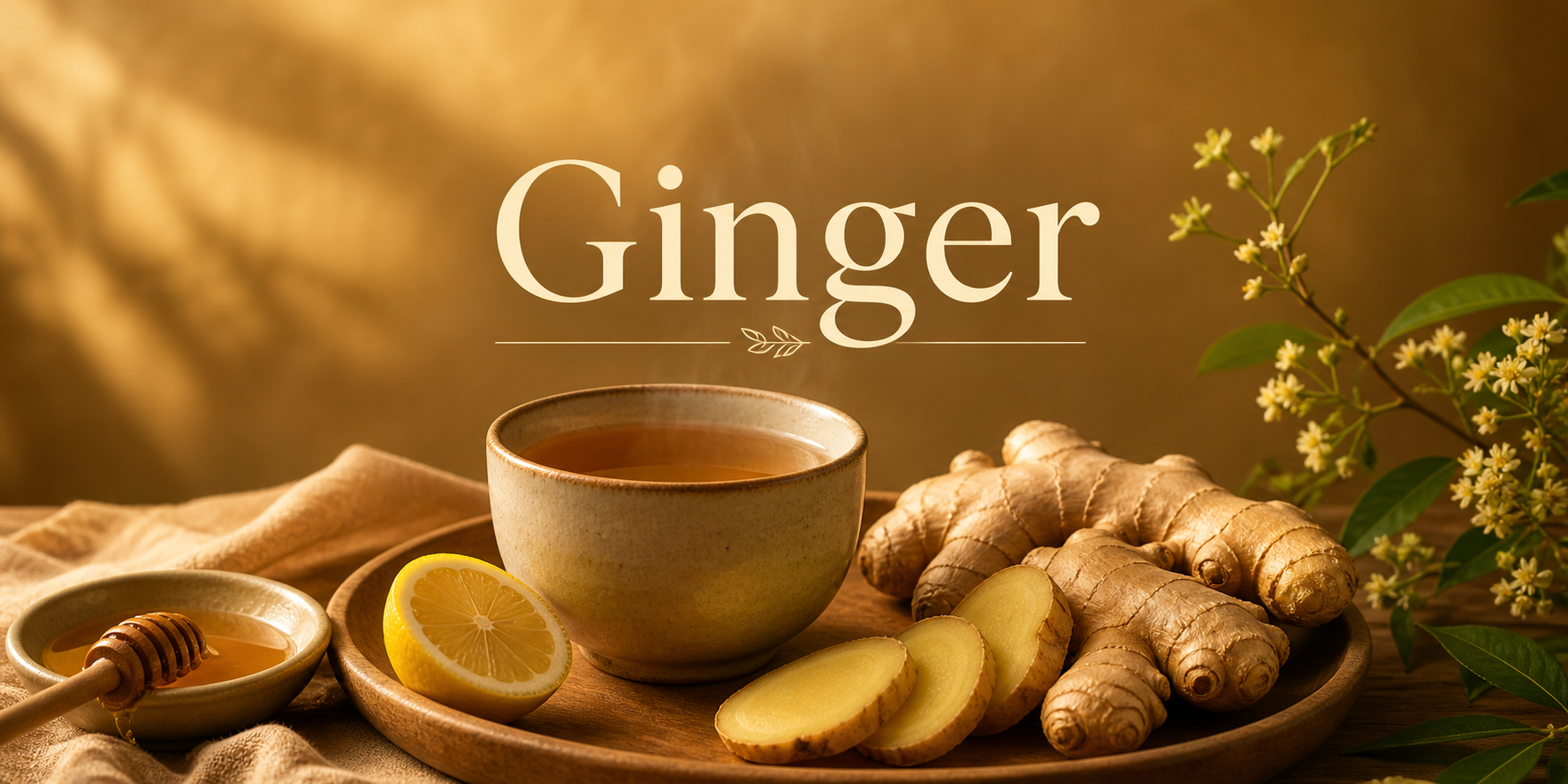
Ginger
Learn how ginger supports digestion, nausea relief, menstrual comfort, circulation, inflammation-related wellness, blood sugar balance, and everyday natural health.
A Warm Root for Digestion, Nausea, Menstrual Comfort, Circulation, and Everyday Wellness
Ginger is one of the most familiar natural wellness ingredients in the world. It is warming, spicy, earthy, and easy to recognize in food, tea, and traditional wellness routines.
Many people know ginger as a kitchen spice, but it has also been valued for generations as a natural support for digestion, occasional nausea, menstrual comfort, circulation, body warmth, inflammation-related wellness, and everyday balance.
That is what makes ginger so useful. It is simple. It is affordable. It is easy to bring into daily life. A person does not need a complicated wellness plan to begin receiving its support. Ginger can start with a warm cup of tea, a little fresh root in soup, a homemade broth, a smoothie, or a simple meal that helps the body feel more settled.
Ginger brings warmth.
Ginger brings movement.
Ginger brings comfort.
Ginger helps the body feel supported from the inside.
What Ginger Is
Ginger, also known by its botanical name Zingiber officinale, is a flowering plant native to warm parts of Asia. The part most people use is the rhizome, which is the underground stem often called ginger root.
That knobby, golden piece found in grocery stores can be used fresh, dried, powdered, steeped into tea, added to recipes, blended into drinks, or taken as a supplement.
Fresh ginger has a bright, sharp, spicy flavor.
Dried ginger is warmer, stronger, and slightly sweeter.
Because ginger is both a food and a wellness ingredient, it fits naturally into everyday routines. It can be part of a meal, a warm drink, a simple home remedy, or a more focused supplement plan.
Ginger belongs in the kitchen and in the wellness cabinet.
That is part of what makes it so valuable.
What Gives Ginger Its Value
Ginger contains small amounts of nutrients like vitamin C, magnesium, potassium, copper, and manganese. Those nutrients are helpful, but ginger’s deeper wellness value comes from its natural plant compounds.
The most talked-about compounds in ginger are gingerols and shogaols.
Gingerols are found more in fresh ginger and help give it that sharp, spicy warmth.
Shogaols become more concentrated when ginger is dried or heated, which is one reason dried ginger can feel stronger.
These plant compounds are part of why ginger is connected to digestive comfort, nausea support, antioxidant activity, inflammation-related wellness, circulation, and menstrual comfort.
In everyday terms, ginger is valued because it brings warmth, movement, and support to the body’s natural rhythms.
It helps the body feel less stuck.
Key Benefits of Ginger
Ginger supports the body in several practical ways.
Ginger supports:
Digestive comfort
Occasional nausea relief
Pregnancy-related nausea support
Menstrual cramp comfort
Body warmth and circulation
Inflammation-related wellness
Antioxidant protection
Muscle and joint comfort
Metabolic wellness
Healthy blood sugar support
Everyday immune resilience
Male reproductive wellness
Simple food-based wellness routines
Ginger is more than a seasonal spice or something people reach for only when they feel queasy.
It is a practical root with everyday value.
Ginger and Digestion
One of ginger’s best-known uses is digestive support.
Many people drink ginger tea after meals or use fresh ginger in food when the stomach feels heavy, slow, bloated, or unsettled. Ginger is often connected with digestive movement, which means it may help the stomach feel more comfortable after eating.
This is one reason ginger is commonly used in soups, broths, stir-fries, teas, and traditional digestive remedies.
Ginger can be especially comforting after heavier meals, during colder seasons, while traveling, or anytime the stomach feels like it needs warmth and support.
For everyday digestion, ginger tea is one of the easiest places to begin.
Warm water.
Fresh ginger.
A little time.
Simple support.
Ginger and Nausea Support
Ginger is widely known for nausea support.
It has been studied for different kinds of nausea, including pregnancy-related nausea. Many people use ginger tea, ginger chews, capsules, or fresh ginger when they feel queasy, unsettled, or sensitive to smells and food.
Pregnancy-related nausea is one of the areas where ginger has received meaningful attention. For many women, ginger can be a helpful natural option, especially when used thoughtfully.
Food and tea amounts are different from concentrated extracts or high-dose capsules. During pregnancy and breastfeeding, stronger supplement forms deserve more care, especially when used regularly.
For everyday occasional nausea, ginger tea or fresh ginger in food is often a gentle place to begin.
Ginger has earned its place as one of the most trusted natural nausea supports.
Ginger and Menstrual Comfort
Ginger deserves a clear place in the conversation about menstrual comfort.
Research suggests ginger can help reduce menstrual cramp pain in some women, especially when used near the beginning of the cycle. Studies on primary dysmenorrhea, which means menstrual cramps not caused by another pelvic condition, have found ginger helpful for reducing pain intensity and duration.
This matters because period pain affects real life.
It can affect work, sleep, mood, energy, movement, and the ability to function comfortably.
Ginger appears to support menstrual comfort partly through its inflammation-related activity and its influence on prostaglandin pathways. Prostaglandins are hormone-like compounds involved in uterine contractions, cramping, and period discomfort.
For many women, ginger tea during the first days of the cycle can feel warming, settling, and supportive. Some studies used ginger powder or capsules during the first few days of menstruation, which makes sense for women using ginger specifically for cramp support.
Ginger can be a beautiful cycle-support root.
Warm.
Practical.
Accessible.
Helpful.
Ginger and Women’s Wellness
Ginger can be especially useful for women because it connects to several areas that matter in everyday life: digestion, nausea, menstrual comfort, body warmth, circulation, inflammation-related support, and pregnancy-related nausea.
During the menstrual cycle, some women use ginger tea, ginger powder, or ginger capsules for cramping and lower belly discomfort. Ginger’s warmth may feel soothing, especially during the first days of the cycle.
For women who feel cold, sluggish, bloated, or uncomfortable around their period, ginger can bring a sense of warmth and movement.
Tea or food amounts are usually gentler.
Capsules and extracts are more concentrated.
For women with very heavy monthly bleeding, anemia concerns, bleeding disorders, or regular use of blood thinners, aspirin, or frequent NSAIDs, concentrated ginger supplements are best used thoughtfully. This is especially true during the cycle. Ginger tea or food amounts are usually gentler than capsules and extracts.
Pregnancy is another area where ginger can be helpful. Ginger is widely used for pregnancy-related nausea, and research supports its usefulness for some women. Normal amounts in food or tea are different from concentrated supplements, extracts, or high-dose capsules.
Women who are pregnant, trying to become pregnant, or breastfeeding should be thoughtful with concentrated ginger supplements, especially if they plan to use them regularly.
Ginger can also feel too warming for some women, especially those who deal with acid reflux, heartburn, sensitive stomachs, or nausea that gets worse with spicy foods. In those cases, smaller amounts may feel better.
The simple truth is this:
Ginger can be a beautiful wellness support for women when used in a way that fits the body.
Ginger and Men’s Wellness
Ginger also has meaningful value for men.
It supports digestion, circulation, antioxidant protection, inflammation-related wellness, metabolic balance, and everyday resilience. Men who are focused on energy, recovery, immune strength, muscle comfort, joint comfort, or long-term wellness may benefit from using ginger regularly in food or tea.
Ginger also belongs in the conversation about male reproductive wellness because oxidative stress can affect sperm health. Ginger has been studied for its relationship to sperm quality, sperm DNA protection, antioxidant activity, and male reproductive function.
For men, ginger may support the deeper foundation behind reproductive and cellular wellness: circulation, antioxidant protection, inflammation balance, nourishment, and metabolic health.
Ginger is a warming root that supports strength from the inside.
Steady.
Practical.
Useful.
Ginger, Inflammation, Muscles, and Joints
Ginger is often discussed in connection with inflammation-related wellness.
Its natural compounds, including gingerols and shogaols, are part of why ginger is studied for discomfort, soreness, and inflammatory balance. Some people use ginger as part of a wellness routine for muscle soreness, joint stiffness, or body aches related to daily wear and tear.
Ginger fits well inside a larger support rhythm that includes movement, hydration, protein, minerals, rest, sunlight, and antioxidant-rich foods.
It brings warmth to the body’s repair story.
For people who feel stiff, cold, tight, or slow-moving, ginger can be a comforting food-based support to explore.
Ginger, Blood Sugar, and Metabolic Wellness
Ginger is also being studied for metabolic wellness.
Some research suggests ginger may support healthy blood sugar markers, insulin sensitivity, and lipid balance in certain people. This makes ginger interesting for people who are paying attention to energy, cravings, circulation, inflammation, and long-term metabolic health.
Food-based ginger is a simple way to bring this support into daily life.
Add it to tea, soups, stir-fries, smoothies, broths, or warm lemon water. Pair it with protein, fiber, minerals, hydration, and steady meals.
Ginger can be part of a smart wellness foundation for people who want better daily rhythm around energy and metabolism.
The body responds best to patterns.
Ginger can be one helpful pattern.
Ginger and Circulation
Ginger is warming by nature, and many people feel that warmth in the body after drinking ginger tea or eating ginger-rich foods.
This is one reason ginger is often connected with circulation, body warmth, cold hands and feet, and that “stuck” feeling some people notice when they are tired, tense, or sluggish.
Ginger’s warmth does not only come from its flavor. Its plant compounds help create a sensation of movement and heat in the body.
For people who feel chilled, heavy, or slow after meals, ginger tea can be a simple way to bring warmth back into the day.
How to Use Ginger in Everyday Life
Ginger can be used in simple, practical ways.
Fresh ginger can be sliced into hot water for tea. It can be grated into soups, stir-fries, sauces, dressings, marinades, and broths.
Ground ginger can be added to oatmeal, smoothies, baked goods, warm drinks, spice blends, or homemade wellness drinks.
Ginger tea is one of the easiest ways to enjoy ginger. It can be used after meals, during colder seasons, while traveling, during monthly discomfort, or anytime you want something warm and settling.
Some people prefer ginger chews, capsules, powders, or extracts. These can be convenient, but they are usually more concentrated than food amounts.
For everyday use, many people find that ginger tea or fresh ginger in meals is a gentle place to begin.
Simple Fresh Ginger Tea
To make simple ginger tea, slice or grate a small piece of fresh ginger and simmer it in water for 10 to 20 minutes.
You can drink it plain or add lemon, honey, turmeric, cinnamon, or a little fresh mint.
The longer it simmers, the stronger and spicier it becomes.
Ginger tea can be a comforting choice after meals, during cold weather, when the stomach feels unsettled, during menstrual discomfort, or when you want a warm drink that feels both simple and useful.
It is one of the easiest wellness rituals to keep close.
Fresh Ginger, Dried Ginger, and Supplements
Fresh ginger is bright, sharp, and lively. It works well in tea, cooking, smoothies, sauces, dressings, and everyday meals.
Dried ginger is warmer, stronger, and more concentrated in flavor. It works well in baked goods, spice blends, warm drinks, and recipes where you want a deeper ginger taste.
Ginger supplements are the most concentrated form. Capsules, powders, and extracts may be useful for people who want a more targeted option, especially for nausea, menstrual comfort, digestion, or inflammation-related support.
Because supplements are stronger, they deserve more awareness than ginger in food or tea.
This is especially important for people taking blood thinners, aspirin, frequent NSAIDs, blood pressure medication, diabetes medication, or anyone preparing for surgery. Women with heavy monthly bleeding, anemia concerns, pregnancy, or breastfeeding should also be thoughtful with concentrated ginger supplements.
Food and tea are the gentle path.
Supplements are the focused path.
Both can have a place when used wisely.
Smart Ginger Use
Ginger is well tolerated by many people, especially when used in normal food amounts.
Food and tea are the gentler forms. Capsules, powders, and extracts are more concentrated, so the amount matters more.
Some people may feel heartburn, stomach warmth, burping, gas, diarrhea, mouth irritation, or throat irritation when they use larger amounts of ginger. People with reflux, ulcers, sensitive stomachs, gallbladder concerns, or gallstones may feel better starting with smaller amounts.
People taking blood thinners, aspirin, frequent NSAIDs, blood pressure medication, or diabetes medication should be thoughtful with concentrated ginger supplements. The same is true for anyone preparing for surgery, pregnant or breastfeeding women, and women with very heavy monthly bleeding or anemia concerns.
Ginger is most helpful when it is used in the way that fits the body best.
Food and tea can be gentle daily supports, while concentrated supplements work best with more awareness.
A Grounded Takeaway
Ginger is a warm, practical, time-tested root with real everyday wellness value.
It can support digestion, help with occasional nausea, bring comfort during menstrual cycles, support circulation, offer inflammation-related support, and add meaningful plant compounds to a simple wellness routine.
It is affordable, familiar, and easy to use.
A cup of ginger tea, a little fresh ginger in food, or a thoughtful supplement can all be ways to enjoy its benefits.
Ginger reminds us that natural wellness does not always have to be complicated.
Sometimes support begins with something humble, earthy, warm, and already waiting in the kitchen.
Frequently Asked Questions About Ginger
What is ginger good for?
Ginger is commonly used for digestive comfort, occasional nausea, menstrual cramp support, circulation, inflammation-related wellness, blood sugar support, and everyday body warmth. It is also widely used as a warming spice in food and tea.
Is ginger good for digestion?
Yes. Ginger is often used after meals to support digestive comfort. Many people enjoy ginger tea when their stomach feels heavy, slow, bloated, or unsettled.
Can ginger help with nausea?
Yes. Ginger has been studied for nausea, including pregnancy-related nausea. It may be helpful for some people, especially when used thoughtfully in tea, food, chews, or capsules.
Is ginger helpful for menstrual cramps?
Yes. Ginger may help some women with menstrual cramp discomfort, especially when used near the beginning of the cycle. Research on primary dysmenorrhea suggests ginger can reduce pain intensity and duration for some women.
When do women usually use ginger for period cramps?
Some studies used ginger during the first few days of the menstrual period. Many women also use ginger tea during the first days of their cycle because it feels warming and comforting.
Can ginger affect period flow?
Concentrated ginger supplements may affect bleeding for some people, especially when combined with blood thinners, aspirin, frequent NSAIDs, bleeding disorders, anemia concerns, or already-heavy periods.
Ginger tea and food amounts are usually gentler than concentrated capsules or extracts. Women who already have very heavy monthly flow may want to pay closer attention to how their body responds.
Is ginger safe for women to use?
Many women tolerate ginger well in food or tea. Concentrated supplements should be used more thoughtfully during pregnancy, breastfeeding, heavy bleeding, blood thinner use, medication use, or before surgery.
Is ginger safe during pregnancy?
Ginger in normal food amounts is commonly used during pregnancy, especially for nausea. Concentrated ginger supplements are different and should be used thoughtfully, especially during pregnancy or breastfeeding.
Is ginger good for men?
Yes. Ginger supports men’s digestion, circulation, antioxidant protection, inflammation-related wellness, metabolic health, and reproductive wellness. It may support sperm health through antioxidant protection and overall cellular support.
Does ginger help with blood sugar?
Ginger has been studied for blood sugar and metabolic wellness. It may support healthy blood sugar markers in some people, especially when paired with steady meals, fiber, protein, movement, hydration, and overall nourishment.
Does ginger help with circulation?
Ginger is warming and is often used to support body warmth and circulation. Many people enjoy ginger tea when they feel cold, sluggish, or heavy after meals.
What is the difference between fresh ginger and dried ginger?
Fresh ginger has a brighter, sharper taste and is commonly used in tea, cooking, smoothies, and fresh recipes. Dried ginger is warmer, stronger, and more concentrated in flavor.
Is ginger tea better than ginger capsules?
Ginger tea is gentler and easier to use as part of everyday life. Ginger capsules are more concentrated and may be better for targeted use, but they should be used with more care, especially for people with medication, pregnancy, bleeding, or stomach concerns.
Can you drink ginger tea every day?
Many people drink ginger tea regularly and tolerate it well. People with reflux, heartburn, sensitive stomachs, medication concerns, pregnancy, breastfeeding, or heavy monthly bleeding may want to use it more thoughtfully.
Who should be thoughtful with ginger supplements?
People who are pregnant, breastfeeding, taking blood thinners, using aspirin, taking frequent NSAIDs, using blood pressure or diabetes medication, preparing for surgery, dealing with gallbladder concerns, or experiencing heavy bleeding concerns should be thoughtful with concentrated ginger supplements.
Wellness Pathways ↑
Explore more gentle, grounded wellness pages in the Wellness Pathways ↑
If this message supported you, you may also enjoy:
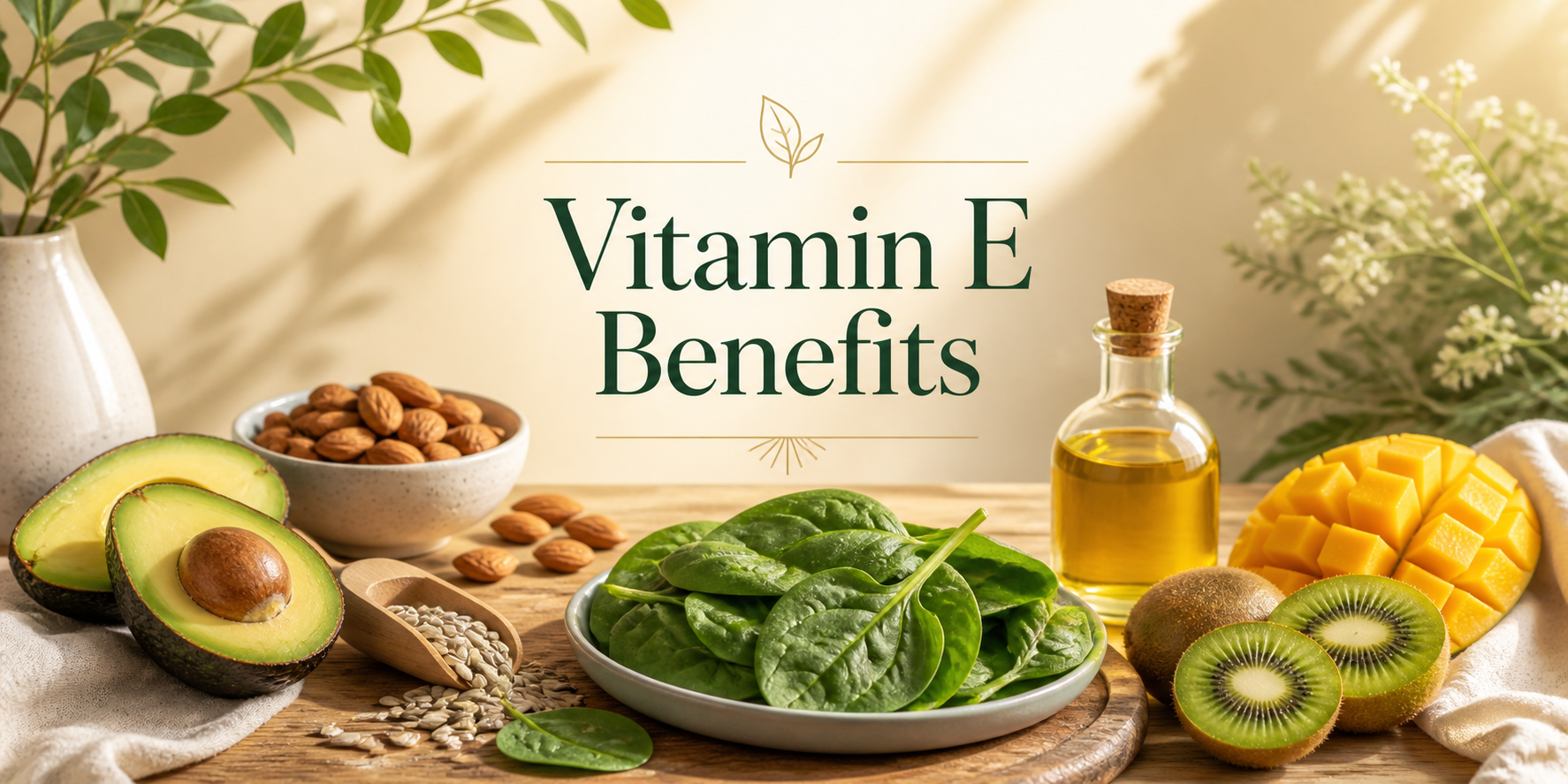
Vitamin E
Learn how vitamin E supports skin health, immune function, cellular protection, eyes, blood vessels, menstrual comfort, heavy-period support, food sources, dosage, and wellness.
The Protective Nutrient for Skin, Cells, Immunity, Eyes, Cycles, and Everyday Vitality
Vitamin E is a protective nutrient that supports the body in quiet but meaningful ways.
It helps protect cells, supports immune function, nourishes the skin, and plays a role in healthy eyes, blood vessels, menstrual comfort, and everyday vitality. Many people first hear about vitamin E because of skin and beauty, but its value goes much deeper than surface care.
Vitamin E is part of the body’s natural antioxidant protection system. It helps guard cells from oxidative stress, which can come from normal aging, inflammation, sunlight, pollution, stress, metabolism, and daily life.
For women, vitamin E can be especially meaningful because the body moves through many changing seasons: monthly cycles, pregnancy, breastfeeding, perimenopause, menopause, skin changes, and the ongoing need for steady nourishment.
This nutrient matters for everyone.
Vitamin E supports protection, balance, resilience, and cellular wellness. Because it is fat-soluble, the body absorbs it best when it is eaten with healthy fats. That is one reason many of the best vitamin E foods are nuts, seeds, avocados, leafy greens, and plant-based oils.
Vitamin E helps the body protect, nourish, and renew.
What Vitamin E Is
Vitamin E is not just one single nutrient. It is a family of fat-soluble compounds, including tocopherols and tocotrienols. Alpha-tocopherol is the form most used and maintained by the human body.
Its main role is antioxidant protection.
Antioxidants help neutralize free radicals, which are unstable molecules that can place stress on the body’s cells over time. When the body has enough antioxidant support from food and healthy habits, it has more of what it needs to stay steady, nourished, and resilient.
Vitamin E is especially important because it helps protect cell membranes. This matters for the skin, eyes, brain, immune system, blood vessels, nerves, reproductive tissues, and other parts of the body that rely on healthy cell function.
In simple terms, vitamin E helps protect the body at the cellular level.
That kind of support matters every day.
Key Benefits of Vitamin E
Vitamin E supports the body in several important ways.
Vitamin E supports:
Cellular protection from oxidative stress
Immune system function
Skin nourishment and skin barrier support
Eye and vision health
Healthy blood vessels
Normal inflammatory balance
Cell membrane protection
Menstrual comfort support
Heavy-period and flow support for some women
Reproductive wellness
Healthy aging and cellular wellness
Everyday vitality
This is why vitamin E belongs in a thoughtful wellness routine.
It helps the body protect, repair, renew, and stay resilient through daily life.
Vitamin E and Skin Health
Many people first connect vitamin E with skincare.
It is common in creams, oils, and beauty products because it is connected with moisture, softness, and protection. But vitamin E is also important from the inside.
Food-based vitamin E helps support the body’s antioxidant defenses, which can be helpful for skin exposed to dryness, stress, aging, sunlight, and environmental strain.
Healthy skin reflects more than what is applied on the surface. It is also shaped by hydration, minerals, essential fats, protein, sleep, stress, hormones, circulation, and overall nourishment. Vitamin E is one piece of that larger picture.
For women moving through perimenopause or menopause, skin may become drier or less elastic as hormones shift. Vitamin E-rich foods, healthy fats, hydration, protein, minerals, and gentle daily care can all work together to support the skin during those changes.
The goal is to nourish the body so the skin has better support from within.
Vitamin E helps support skin that feels cared for, protected, and resilient.
Vitamin E and Immune Support
Vitamin E also plays a role in immune health.
The immune system needs steady nourishment to function well, and antioxidant nutrients help support that foundation. Vitamin E helps protect immune cells from oxidative stress and supports the body’s ability to respond to everyday challenges.
As people age, immune support becomes even more important. The body continues to need protein, minerals, hydration, sleep, movement, sunlight, and antioxidant-rich foods to stay resilient.
Vitamin E is one part of that stronger foundation.
It works beautifully as part of a nourished body.
Vitamin E and Heart and Blood Vessel Health
Vitamin E is connected to cardiovascular wellness because of its role in protecting cells and supporting healthy blood vessels.
Vitamin E from food can be part of a heart-friendly eating pattern, especially when it comes from foods like nuts, seeds, leafy greens, avocado, and healthy oils. These foods bring more than vitamin E. They also offer healthy fats, minerals, fiber, and plant compounds that work together.
Food-based vitamin E is different from high-dose supplementation. Whole foods bring balance, while supplements bring a concentrated amount.
For most people, the better first step is a food-first approach.
Food brings vitamin E in a naturally supportive package.
Vitamin E and Eye Health
Vitamin E also plays a role in eye health.
The eyes are especially sensitive to oxidative stress, and antioxidant nutrients help support long-term protection. Vitamin E belongs in the larger conversation about healthy aging, vision support, and cellular protection.
Foods rich in vitamin E often bring other eye-supportive nutrients too, especially when the diet includes leafy greens, colorful fruits, nuts, seeds, and healthy fats.
The eyes need steady nourishment just like the rest of the body.
Vitamin E helps support that protection.
Vitamin E and Women’s Wellness
Vitamin E can be especially helpful to understand from a women’s wellness perspective because it connects to several areas women often care about: skin, immune strength, menstrual comfort, heavy-period support, pregnancy, breastfeeding, and healthy aging.
Some women are drawn to vitamin E because of period discomfort, and there is real reason for that. Vitamin E has been studied for menstrual cramp support and cycle comfort, partly because of its antioxidant activity and its connection to prostaglandin pathways. Prostaglandins are hormone-like compounds involved in uterine contractions, inflammation, cramping, and period discomfort.
Vitamin E may also support women who deal with heavier menstrual flow. Some studies have found that vitamin E helped reduce menstrual blood-loss scores, which means it may help some women experience a lighter, more manageable period.
That matters.
Women deserve to know when a nutrient has been studied for something that affects their real life.
A food-first approach is a gentle place to begin. Sunflower seeds, almonds, spinach, avocado, and other vitamin E-rich foods can help the body receive this nutrient in a balanced way.
Vitamin E may also be meaningful during hormonal seasons because oxidative stress and inflammation can affect how the body feels. Vitamin E supports the foundation beneath hormonal wellness: cell protection, immune support, skin nourishment, blood vessel support, and healthy inflammatory response.
For women, vitamin E is a protective nutrient that supports the body through many seasons of change.
Vitamin E, Heavy Periods, and Menstrual Comfort
Vitamin E deserves a clear place in the conversation about heavy periods, menstrual flow, and cramp support.
Research suggests vitamin E can help reduce menstrual cramp intensity in some women, especially when used around the menstrual cycle. Studies have also found that vitamin E can reduce menstrual blood-loss scores, which means it may help some women experience a lighter, more manageable flow.
This is important information for women who are dealing with painful cramps, heavy bleeding, fatigue around their cycle, or monthly discomfort that affects their quality of life.
Vitamin E appears to support menstrual comfort partly through its antioxidant activity and its influence on arachidonic acid and prostaglandin pathways. Prostaglandins are involved in uterine contractions, inflammation, and period discomfort. When those pathways are better supported, some women may feel less cramping and a calmer monthly rhythm.
Vitamin E is also discussed in connection with blood vessel and capillary support, which may be one reason it has been explored for heavier menstrual bleeding and flow support.
Some studies used vitamin E a few days before the period and continued it during the first days of bleeding. This timing makes sense for women using vitamin E specifically for cycle support instead of taking higher amounts continuously.
Vitamin E is not just a “skin vitamin.”
For some women, it may be part of a more comfortable, more manageable monthly cycle.
Vitamin E During Pregnancy and Breastfeeding
Vitamin E is needed during pregnancy and breastfeeding, and the amount matters.
During pregnancy, the recommended daily amount of vitamin E is about 15 mg per day. Many prenatal vitamins already contain vitamin E, and food adds more throughout the day. That is why it is helpful to know what is already in your routine before adding extra supplements.
Vitamin E-rich foods such as nuts, seeds, leafy greens, avocado, and healthy oils can be a steady way to support nourishment during pregnancy.
Breastfeeding women need slightly more vitamin E, about 19 mg per day. Vitamin E is naturally present in breast milk, and the body uses it as part of nourishment passed from mother to baby.
Food-first support is a grounded choice.
Sunflower seeds, almonds, nut butters, spinach, avocado, and vitamin E-rich oils can help support this increased need in a practical everyday way.
What Men Should Know About Vitamin E
Vitamin E matters for men too.
It supports immune function, cellular protection, blood vessel health, skin health, eye health, and overall antioxidant balance. Men who are focused on long-term wellness, recovery, healthy aging, cardiovascular support, or reproductive wellness may benefit from getting vitamin E through a balanced food-first approach.
Vitamin E also belongs in the conversation about male fertility because sperm cells are sensitive to oxidative stress. Antioxidant nutrients help protect cells from oxidative damage, and vitamin E has been studied as part of antioxidant support for sperm health and male reproductive function.
This does not mean men need high doses of vitamin E. It means steady antioxidant nourishment matters.
For men, vitamin E is best approached as steady nourishment through real food, good fats, and wise support.
Best Food Sources of Vitamin E
The best way to receive vitamin E is usually through whole foods.
Food brings vitamin E along with fiber, minerals, healthy fats, and other nutrients that work together naturally.
Some of the best vitamin E foods include:
Sunflower seeds
Almonds
Hazelnuts
Peanuts and peanut butter
Wheat germ oil
Sunflower oil
Safflower oil
Avocado
Spinach
Swiss chard
Broccoli
Mango
Kiwi
Red bell pepper
Fortified cereals
A small handful of almonds or sunflower seeds can be an easy way to add more vitamin E to your day. Avocado on toast, spinach in a smoothie, or sunflower seeds sprinkled over a salad can bring this nutrient into your rhythm without making wellness feel complicated.
Vitamin E absorbs best with fat, which is another reason whole-food sources make sense. Many vitamin E-rich foods already contain healthy fats, making them naturally supportive for absorption.
How Much Vitamin E Do Adults Need?
Most adults need about 15 mg of vitamin E per day.
Pregnant women also need about 15 mg per day.
Breastfeeding women need about 19 mg per day.
Many people can meet their needs through food, especially if they regularly eat nuts, seeds, leafy greens, avocados, and healthy plant oils.
Vitamin E supplements are available, but they are not always necessary. Because vitamin E is fat-soluble, it can build up in the body when taken in high amounts.
This is why the food-first approach is usually the wiser beginning.
Food gives the body a balanced nutrient package. Supplements are more concentrated, so they deserve more thought.
Vitamin E Deficiency
Vitamin E deficiency is uncommon, but it can happen.
It is more likely in people who have trouble absorbing fat properly, because vitamin E needs fat for absorption. This can include certain digestive, liver, gallbladder, pancreatic, or genetic conditions that affect fat absorption.
Possible signs of low vitamin E may include:
Muscle weakness
Numbness or tingling
Vision concerns
Poor coordination
Weakened immune function
Dry skin alone does not automatically point to vitamin E deficiency. Skin can reflect many things, including hydration, hormones, minerals, essential fats, protein, stress, sleep, and overall nourishment.
When true deficiency is suspected, it is best to understand what the body needs before using high-dose supplements.
Smart Vitamin E Supplement Use
Vitamin E from food is a gentle and nourishing choice for most people. Nuts, seeds, avocado, leafy greens, and healthy oils bring vitamin E in a balanced way the body can use well.
Supplements are more concentrated, so the amount matters. If using a vitamin E supplement, it is best to choose a sensible dose, pay attention to what is already in a multivitamin or prenatal, and avoid stacking high amounts without a clear reason.
For cycle support, some women choose to use vitamin E around the menstrual period rather than taking higher amounts continuously. This can be a more focused approach when the goal is menstrual comfort or heavier-flow support.
Supplement labels may use different forms of vitamin E. Natural vitamin E may appear as “d-alpha-tocopherol,” while synthetic vitamin E may appear as “dl-alpha-tocopherol.” These forms are not exactly the same, so reading labels matters.
Some labels also use IU instead of mg. The recommended daily amount is usually discussed in mg, so it is worth reading the label carefully and knowing what amount you are actually taking.
A grounded wellness approach is simple:
Begin with food.
Know why you are supplementing.
Pay attention to your full routine.
Choose balance over excess.
Vitamin E is valuable support for the body, especially when it comes from food first.
It simply works best when used with balance.
Easy Ways to Add More Vitamin E Daily
Add sunflower seeds to salads or yogurt.
Snack on almonds with fruit.
Use avocado in wraps, bowls, or smoothies.
Add spinach to eggs, soups, or pasta.
Choose nut butter on whole-grain toast.
Use vitamin E-rich oils in simple dressings.
Add mango or kiwi to breakfast bowls.
Sprinkle chopped hazelnuts over oatmeal.
Add leafy greens to soups, eggs, and grain bowls.
Mix sunflower seeds into homemade trail mix.
The goal is steady nourishment.
Small choices made often can support the body in powerful ways.
A Grounded Takeaway
Vitamin E reminds us that protection can be quiet.
Some of the most important forms of care happen beneath the surface: in the cells, in the daily choices, in the simple foods we return to again and again.
Vitamin E supports cellular protection, skin health, immune strength, eye health, blood vessel health, menstrual comfort, heavy-period support, reproductive wellness, and everyday vitality.
For women, it can be part of a nourishing rhythm through menstrual years, pregnancy, breastfeeding, perimenopause, menopause, and skin changes.
For men, it can support antioxidant protection, cardiovascular wellness, skin, eyes, immune strength, and reproductive health.
You do not have to make wellness complicated to support your body.
Sometimes nourishment begins with a handful of seeds, a ripe avocado, a bowl of greens, or the choice to feed yourself with more intention.
Let food lead the way.
Let supplements be thoughtful.
Let your wellness rhythm feel grounded, practical, and kind.
Frequently Asked Questions About Vitamin E
What does vitamin E do?
Vitamin E helps protect cells from oxidative stress. It also supports immune function, skin health, eye health, blood vessel health, menstrual comfort, reproductive wellness, and everyday cellular health.
What foods are highest in vitamin E?
Some of the best sources include sunflower seeds, almonds, wheat germ oil, sunflower oil, safflower oil, hazelnuts, peanuts, avocado, spinach, Swiss chard, broccoli, mango, kiwi, and fortified cereals.
Is vitamin E good for skin?
Yes. Vitamin E supports skin by helping protect cells from oxidative stress and supporting moisture, nourishment, and skin barrier health. It is often used in skincare, but food-based vitamin E also matters because it supports the body from the inside.
Is vitamin E good for women?
Yes. Vitamin E supports women’s wellness through antioxidant protection, skin health, immune support, cellular nourishment, menstrual comfort, heavy-period support, blood vessel wellness, pregnancy and breastfeeding nourishment, and healthy aging.
Can vitamin E help with period cramps?
Yes, vitamin E may help support menstrual comfort for some women. Research suggests vitamin E can reduce menstrual cramp intensity, likely through antioxidant activity and its influence on prostaglandin pathways.
Can vitamin E help with heavy periods?
Vitamin E may help some women experience a lighter, more manageable menstrual flow. Research has found reduced menstrual blood-loss scores in some women using vitamin E around the menstrual cycle.
When do women usually take vitamin E for cycle support?
Some studies used vitamin E a few days before the period and continued it during the first days of bleeding. This timing is often discussed for women using vitamin E specifically for menstrual comfort and heavier-flow support.
Is vitamin E safe during pregnancy?
Vitamin E is needed during pregnancy, and the recommended daily amount is about 15 mg. Many prenatal vitamins already contain vitamin E, so it is helpful to know what is already in your routine before adding anything extra.
How much vitamin E do breastfeeding women need?
Breastfeeding women need about 19 mg of vitamin E per day, which is slightly higher than the general adult recommendation.
Is vitamin E good for men?
Yes. Vitamin E supports men’s immune health, skin, eyes, blood vessel wellness, antioxidant protection, and reproductive wellness. Sperm cells are sensitive to oxidative stress, so antioxidant nutrients like vitamin E matter as part of a healthy fertility-supportive foundation.
Is it better to get vitamin E from food or supplements?
For most people, food is the best first choice. Whole foods bring vitamin E along with healthy fats, minerals, fiber, and other nutrients that support the body naturally.
Can too much vitamin E be harmful?
Food-based vitamin E is generally the gentlest source. Concentrated supplements should be used thoughtfully because very high amounts can be too much for the body.
What are signs of vitamin E deficiency?
Vitamin E deficiency is rare, but possible signs may include muscle weakness, vision problems, numbness or tingling, poor coordination, and weakened immunity.
Does vitamin E help the immune system?
Yes. Vitamin E supports immune function by helping protect cells from oxidative stress and supporting the body’s natural defense system.
Does vitamin E need fat to absorb well?
Yes. Vitamin E is fat-soluble, so it absorbs best when eaten with healthy fats. Many vitamin E-rich foods, such as nuts, seeds, avocado, and plant oils, naturally contain fat.
Wellness Pathways ↑
Explore more gentle, grounded wellness pages in the Wellness Pathways ↑
If this message supported you, you may also enjoy:
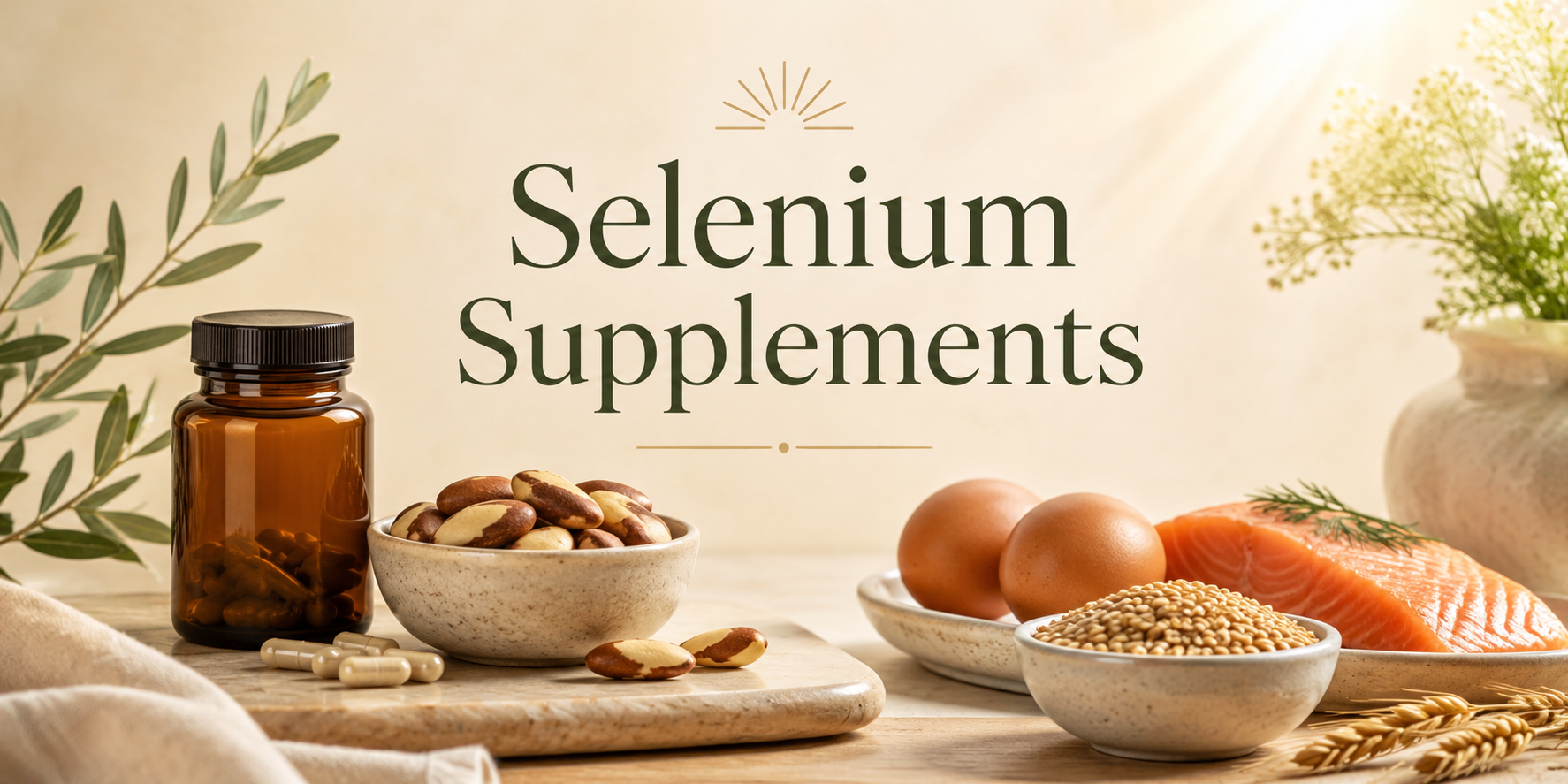
Selenium
Learn how selenium supports thyroid health, antioxidant protection, immune function, reproduction, cellular wellness, food sources, daily needs, and smart supplement use.
The Small Mineral for Thyroid Support, Antioxidant Protection, Immunity, and Cellular Wellness
Selenium is a trace mineral, which means the body only needs it in tiny amounts. But tiny does not mean unimportant.
Selenium plays a meaningful role in thyroid health, antioxidant protection, immune support, reproduction, DNA production, and the body’s natural repair process. It is one of those nutrients that works quietly behind the scenes, helping the body protect cells, regulate important pathways, and stay balanced from the inside out.
The body uses selenium to create special proteins called selenoproteins. These proteins help protect cells from oxidative stress, support thyroid hormone activity, assist immune function, and contribute to reproductive health.
Because selenium needs are small, more is not always better. The goal is not to overload the body. The goal is to receive enough, consistently and wisely.
Selenium is small.
Its value is not.
Why Selenium Matters
Selenium supports several important functions in the body.
It helps the thyroid use and regulate thyroid hormones. It supports antioxidant enzymes that protect cells from oxidative stress. It helps the immune system maintain a healthy defense response. It also plays a role in reproduction, DNA production, and cellular wellness.
This makes selenium more than a “thyroid mineral.”
It is part of the body’s broader wellness foundation.
Selenium works in the background, helping the body stay protected, steady, and responsive. It supports the body’s natural ability to handle stress at the cellular level, protect tissues, and maintain important metabolic rhythms.
A tiny amount can do meaningful work when the body receives it in the right balance.
Selenium and Thyroid Health
Selenium is strongly connected to thyroid wellness because the thyroid contains a high concentration of selenium.
The body uses selenium-containing enzymes to help activate thyroid hormones and protect thyroid tissue from oxidative stress. This matters because thyroid hormones influence energy, metabolism, temperature regulation, mood, hair health, menstrual rhythm, and many other body systems.
Selenium is often discussed in connection with Hashimoto’s and autoimmune thyroid concerns. Some research suggests selenium supplementation can help lower certain thyroid antibodies in some people, but results are not the same for everyone.
The most grounded way to understand selenium is this: it supports thyroid function when the body needs it, but it works best as part of a full wellness picture that includes minerals, protein, iodine balance, Vitamin D, stress support, sleep, and proper thyroid care when needed.
Selenium supports the thyroid’s deeper rhythm.
It does not need to be dramatic to be valuable.
Selenium and Iodine Work Together
Selenium and iodine belong in the same thyroid conversation.
Iodine helps the body make thyroid hormones. Selenium helps the body activate thyroid hormones and protect thyroid-related pathways.
This is one reason thyroid support works best as a balanced foundation, not by focusing on one nutrient alone. The body does not usually thrive from one isolated piece. It responds best when the whole nutritional picture is supported.
This is especially important because taking high amounts of one thyroid-related nutrient without considering the others can throw the body out of balance.
Selenium and iodine work best with wisdom, not guesswork.
Selenium and Antioxidant Protection
Selenium helps the body make antioxidant enzymes that protect cells from oxidative stress.
Oxidative stress is part of normal life. The body creates it through everyday processes like metabolism, immune activity, exercise, stress, inflammation, and exposure to environmental strain. The body is designed to manage this, but it needs steady nutritional support to do it well.
Selenium supports that protection system.
It helps the body defend cells from unnecessary damage and contributes to the natural repair process that keeps tissues healthier over time.
This is one of selenium’s most important gifts.
It helps the body protect what it is building.
Selenium and Immune Support
Selenium supports the immune system by helping the body maintain healthy defense responses and protect cells during immune activity.
A strong immune system is not only about fighting. It is also about regulation, repair, and balance. Selenium helps support that deeper immune rhythm.
When selenium intake is too low, the body may not have the same nutritional support for immune resilience, antioxidant protection, and cellular defense.
Selenium is not loud immune support.
It is steady immune support.
Selenium and Reproductive Health
Selenium also plays a role in reproductive health.
For women, selenium supports thyroid function, cellular protection, fertility-related processes, pregnancy needs, and antioxidant balance.
For men, selenium is especially important because it supports sperm health and reproductive function. Healthy selenium status contributes to the antioxidant protection needed for sperm quality and normal male fertility.
This does not mean selenium should be taken in high doses for fertility. It means selenium is one of the trace minerals the reproductive system uses as part of normal, healthy function.
Reproductive wellness depends on many things: minerals, hormones, protein, sleep, stress, circulation, thyroid balance, and overall nourishment.
Selenium is one piece of that larger design.
How Much Selenium Do Adults Need?
Most adults need about 55 mcg of selenium per day.
General daily needs:
Adult men: 55 mcg per day
Adult women: 55 mcg per day
Pregnancy: 60 mcg per day
Breastfeeding: 70 mcg per day
The adult upper limit is 400 mcg per day from food and supplements combined.
This matters because selenium is helpful in the right amount, but too much can create problems. With selenium, balance is the beauty.
A Quick Note About mcg and mg
Selenium is measured in mcg, which means micrograms.
This is much smaller than mg, which means milligrams.
When choosing a selenium supplement, always check the label carefully. A normal selenium supplement is usually listed in mcg, not mg.
That tiny label detail matters. With selenium, the difference between mcg and mg is not a small typo. It is a completely different amount.
For selenium, the unit on the label deserves a second look.
Best Food Sources of Selenium
Many people can get enough selenium through food, depending on their diet and the selenium content of the soil where food is grown.
Good food sources include:
Brazil nuts
Tuna
Sardines
Shrimp
Salmon
Eggs
Turkey
Chicken
Beef
Whole grains
Dairy products
Selenium levels in plant foods can vary because soil levels vary by region. This is one reason some people may get less selenium from food than others, especially if their diet is plant-based, limited, or low in selenium-rich foods.
A varied diet can make selenium easier to receive naturally.
Brazil Nuts Are Powerful, So Keep Them Modest
Brazil nuts are one of the richest food sources of selenium.
In many cases, just one Brazil nut can provide the daily amount of selenium, and sometimes more. That can be helpful, but it also means Brazil nuts should be eaten with awareness.
A handful every day may be too much for some people, especially if they are also taking a selenium supplement, thyroid-support formula, hair-skin-nails supplement, immune blend, or multivitamin that contains selenium.
This is one food where “more” is not automatically better.
One or two Brazil nuts occasionally may be plenty for many people. Daily handfuls are where selenium can quietly stack too high.
Selenium Supplements
Selenium supplements may be useful for people who do not get enough selenium through food or who are intentionally supporting thyroid, immune, antioxidant, or reproductive wellness.
Common supplemental forms include:
Selenomethionine
Sodium selenite
Selenium yeast
Selenomethionine is a well-absorbed form that is similar to the selenium naturally found in many foods.
Sodium selenite is another common form used in supplements, though the body handles and stores it differently than selenomethionine.
Selenium yeast can also be used in supplements and may contain selenium in forms similar to food-based selenium.
Many selenium supplements provide between 55 mcg and 200 mcg per serving. For many people, that range is more than enough unless a qualified professional recommends something different.
How to Choose a Selenium Supplement
When choosing a selenium supplement, look for a moderate dose instead of the highest number on the bottle.
A simple checklist:
Check the amount per serving
Make sure selenium is measured in mcg
Avoid doubling up with multivitamins or thyroid formulas
Choose a trusted brand when possible
Be cautious with high-dose daily use
Remember that food sources still count toward total intake
With selenium, the best choice is usually the steady, balanced choice.
The body does not need a dramatic amount to receive value.
Who Might Consider Selenium Supplements?
Selenium supplements may be worth considering for people who:
Want extra thyroid support
Have low selenium intake from food
Eat a very limited diet
Follow a vegetarian or vegan diet with few selenium-rich foods
Live in areas with selenium-poor soil
Want antioxidant and immune system support
Have been advised to check selenium status
Use few animal-based selenium sources
Not everyone needs a selenium supplement. Some people already get enough from food, especially if they eat seafood, eggs, meat, dairy, whole grains, or Brazil nuts.
The best approach is to look at the whole picture: diet, health goals, current supplements, thyroid status, and total selenium intake.
Signs You May Not Be Getting Enough Selenium
True selenium deficiency is uncommon in many places, including the United States and Canada, but low intake can still happen in certain situations.
Possible signs of low selenium may include:
Low immune resilience
Fatigue or low energy
Hair or nail changes
Thyroid imbalance
Muscle weakness
Poor overall nutrient status
These signs can come from many different causes, so they do not automatically mean someone is low in selenium. But they may be a reason to look more closely at diet, nutrition, and lab work.
Low selenium intake may be more likely when someone has a very limited diet, relies heavily on plant foods grown in low-selenium soil, has certain absorption concerns, or has been advised by a healthcare provider to check selenium status.
What Women Should Know About Selenium
Selenium matters for women because it supports thyroid function, reproductive health, antioxidant protection, immune balance, and cellular repair.
This can be especially relevant because thyroid changes are more common in women than men, and thyroid balance can affect energy, mood, metabolism, temperature sensitivity, hair health, fertility, and menstrual rhythm.
During pregnancy and breastfeeding, selenium needs increase slightly because the body is supporting both mother and baby. This does not mean high-dose selenium is needed. It means steady, appropriate intake matters.
Unlike some supplements that may affect bleeding or monthly flow, selenium is not typically discussed as a “blood-thinning” supplement. The main concern with selenium is getting the right amount and not overdoing it.
Women with thyroid conditions, fertility concerns, pregnancy, breastfeeding, or heavy supplement routines should be thoughtful with selenium and avoid doubling up without guidance.
For women, selenium is a small mineral with a meaningful voice in thyroid rhythm, cellular protection, and long-term vitality.
What Men Should Know About Selenium
Selenium is also meaningful for men.
It supports immune function, antioxidant protection, thyroid activity, cellular health, and reproductive wellness. Selenium is especially connected to sperm health because sperm cells need antioxidant protection and proper nutrient support.
Men who are focused on fertility, energy, thyroid balance, immune resilience, or overall vitality may benefit from making sure selenium intake is steady and appropriate.
This does not mean more selenium is better.
It means enough selenium matters.
For men, selenium supports the quiet foundation behind protection, reproduction, and cellular strength.
Smart Selenium Use and Balance
Selenium is one of those nutrients where balance matters.
Too much selenium may cause:
Metallic taste
Garlic-like breath odor
Nausea or stomach upset
Diarrhea
Hair thinning or hair loss
Brittle nails or nail changes
Skin changes
Fatigue
Irritability
Very high selenium intake can become harmful over time, especially when supplements, Brazil nuts, multivitamins, thyroid formulas, immune blends, and fortified products are stacked together.
This matters especially if someone is eating Brazil nuts often and also taking a selenium supplement. It is easy to accidentally stack too much.
Selenium can be supportive, but the dose matters.
Be Thoughtful if You Already Take These
Selenium should not be stacked casually.
Be more mindful with selenium supplements if you already take:
A multivitamin
A thyroid-support supplement
An immune-support supplement
A hair, skin, and nails supplement
A mineral blend
Any product that already contains selenium
Also use extra care if you are pregnant, breastfeeding, being treated for thyroid disease, undergoing kidney dialysis, living with a condition that affects nutrient absorption, or taking medications that may affect mineral status.
The goal is not fear.
The goal is awareness.
Selenium can be a beautiful support when used wisely.
A Simple Way to Use Selenium Wisely
Selenium works best as part of a balanced wellness foundation.
A practical approach:
Eat selenium-rich foods regularly
Be careful with daily Brazil nut intake
Avoid stacking multiple selenium-containing supplements
Stay below the adult upper limit of 400 mcg daily
Choose moderate supplement doses when needed
Consider lab testing if supplementing long-term
Remember that food, multivitamins, and blends all count
The body does not need a flood of selenium.
It needs the right amount.
A Grounded Takeaway
Selenium is small, but it carries real value.
It helps support the thyroid, protects cells from oxidative stress, strengthens the body’s natural defense system, supports reproductive wellness, and plays a role in overall cellular health.
The key with selenium is balance. Enough can support the body beautifully. Too much can create stress the body does not need.
For most people, selenium-rich foods and a thoughtful approach to supplements are the best path.
Simple, steady, and wise.
That is how selenium shines.
Frequently Asked Questions About Selenium
What is selenium good for?
Selenium supports thyroid function, antioxidant protection, immune health, reproduction, DNA production, and cellular wellness.
What is the best form of selenium to take?
Selenomethionine is often considered a well-absorbed form because it is similar to the selenium naturally found in food. Sodium selenite and selenium yeast are also common supplement forms.
Can selenium help the thyroid?
Yes. Selenium helps support thyroid hormone activity and protects thyroid tissue from oxidative stress. It is an important trace mineral for thyroid wellness.
Can selenium help with Hashimoto’s?
Selenium may help lower thyroid antibodies in some people with Hashimoto’s, but results vary. It is best viewed as thyroid support, not a guaranteed result.
Is it safe to take selenium every day?
Normal amounts are generally safe for many adults. The key is staying within safe intake levels and avoiding too much from combined food, Brazil nuts, multivitamins, and supplements.
Can Brazil nuts give you too much selenium?
Yes. Brazil nuts can be extremely high in selenium. One or two may provide plenty, while eating many every day can push intake too high.
How much selenium is too much?
For adults, the upper limit is 400 mcg per day from food and supplements combined.
Do selenium and iodine work together?
Yes. Iodine helps the body make thyroid hormones, while selenium helps activate and protect thyroid hormone pathways. Both matter for thyroid wellness.
Do vegetarians and vegans need selenium supplements?
Not always. Some plant-based diets provide enough selenium, especially if they include selenium-rich foods. But selenium levels in plant foods depend partly on soil quality, so some people may need to pay closer attention.
Should selenium be taken with food?
Many people prefer taking selenium with food because it may be gentler on the stomach and easier to remember. If you already get enough selenium through food, you may not need a separate supplement.
Is selenium important for women?
Yes. Selenium supports thyroid function, reproductive health, antioxidant protection, immune balance, pregnancy needs, breastfeeding needs, and cellular wellness.
Is selenium important for men?
Yes. Selenium supports thyroid activity, immune function, antioxidant protection, sperm health, reproductive wellness, and cellular strength.
Wellness Pathways ↑
Explore more gentle, grounded wellness pages in the Wellness Pathways ↑
If this message supported you, you may also enjoy:
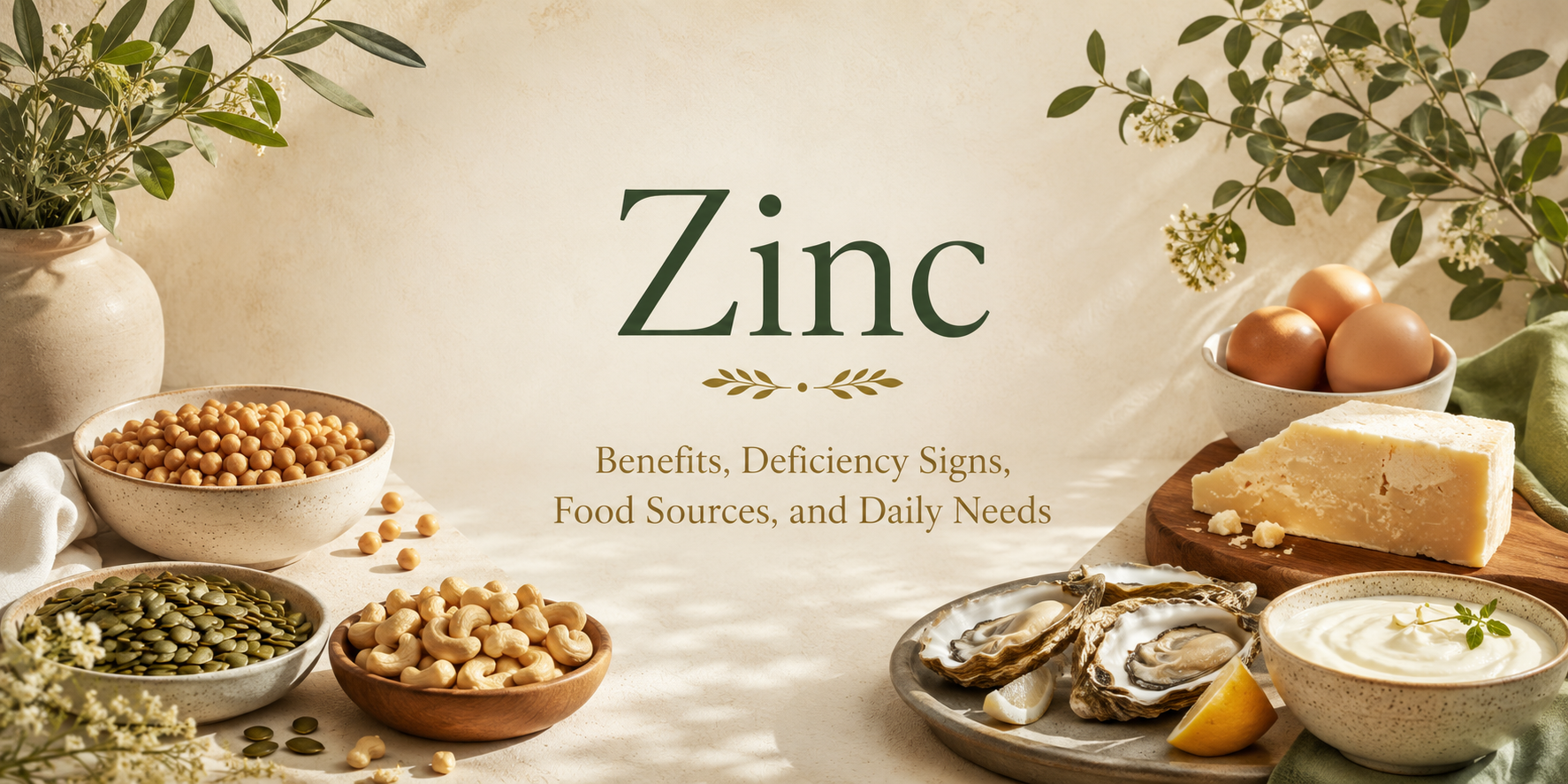
Zinc
Learn how zinc supports immune strength, skin repair, wound healing, taste, smell, growth, reproductive health, food sources, daily needs, and smart supplement use.
The Trace Mineral for Immune Strength, Skin Repair, Growth, and Daily Resilience
Zinc is one of those quiet minerals that does a lot behind the scenes.
You may not think about it every day, but your body uses zinc constantly for immune strength, repair, skin health, growth, normal cell function, taste, smell, and the body’s natural ability to renew itself.
Zinc is considered a trace mineral, which means the body only needs it in small amounts. But those small amounts matter deeply.
Unlike some nutrients that can be stored in larger reserves, zinc needs to be supplied regularly through food or, when needed, thoughtful supplementation. It helps the body stay steady, rebuild well, respond to daily stress, and keep many natural systems working as they should.
Zinc is not flashy.
It is foundational.
What Zinc Does in the Body
Zinc supports many important functions in the body, including immune health, wound healing, skin repair, protein production, DNA production, cell signaling, growth, development, and normal cell renewal.
It also plays an important role in taste and smell, which is why low zinc levels can sometimes be connected with changes in appetite, taste, or smell.
Because zinc is involved in cell growth and repair, the body values it during times of healing, physical stress, growth, pregnancy, breastfeeding, immune challenge, and increased nutritional demand.
Zinc helps the body do the ordinary work of staying strong.
It supports the tissues.
It supports the immune system.
It supports repair.
It supports renewal.
This is why zinc belongs in a strong natural wellness foundation.
Key Benefits of Zinc
Zinc is best known for immune support, but its value reaches further than that.
Zinc supports:
Immune system function
Wound healing and tissue repair
Healthy skin
Normal taste and smell
Protein production
DNA production
Cell growth and renewal
Hair and nail health
Reproductive health
Normal growth and development
The body’s natural repair process
Healthy pregnancy and breastfeeding needs
Everyday resilience
Zinc does not work alone. It works as part of the body’s larger mineral and nutrient system.
That is why balance matters.
Too little zinc can create problems, but too much zinc can interfere with other minerals, especially copper. The goal is not to flood the body with zinc. The goal is to support the body wisely.
Zinc and Immune Strength
Zinc is one of the most important minerals for immune function.
The immune system depends on healthy cell communication, tissue barriers, repair, and the body’s ability to respond well when challenged. Zinc supports these processes by helping immune cells develop and function properly.
This is one reason zinc gets so much attention during cold and flu season. The body needs zinc to maintain strong immune defenses, protect tissue integrity, and support the natural repair process.
Zinc does not replace rest, hydration, nourishing food, sunlight, sleep, or common sense care. But it is one of the minerals that helps the immune system stay prepared.
When the body has enough zinc, it has better support for the everyday work of defense, recovery, and renewal.
Zinc and Skin Health
Zinc is deeply connected with skin health because it supports cell renewal, tissue repair, and wound healing.
Skin is constantly renewing itself. Zinc helps support that natural rebuilding process.
This is one reason zinc is often found in skin creams, ointments, diaper creams, and mineral sunscreens. Topical zinc oxide helps create a protective barrier on the skin, while dietary zinc supports the body from the inside.
Healthy zinc levels can support the body’s natural ability to heal, rebuild, and maintain skin integrity. For people who notice slow healing, irritated skin, blemish-prone skin, or changes in hair and nails, zinc is worth understanding as part of the larger wellness picture.
Zinc is not only about surface beauty.
It helps support the deeper repair work behind healthy skin.
Zinc, Taste, Smell, and Appetite
Zinc plays a role in normal taste and smell.
When zinc levels are low, some people may notice changes in appetite, reduced taste, or reduced smell. This can matter more than people realize, because taste and smell are connected to food enjoyment, nourishment, and daily quality of life.
If food starts tasting dull, appetite drops, or smell changes without a clear reason, zinc is one nutrient worth considering as part of the bigger picture.
The senses are not separate from wellness.
They are part of how the body receives the world.
Daily Zinc Needs
Most adults only need a modest amount of zinc each day.
Adult men generally need about 11 mg per day.
Adult women generally need about 8 mg per day.
Pregnant women generally need about 11 mg per day.
Breastfeeding women generally need about 12 mg per day.
The safe upper limit for adults is 40 mg per day from all sources, including food, supplements, fortified foods, cold remedies, lozenges, and other products that may contain zinc.
More is not always better.
Zinc is helpful when the body needs it, but high-dose zinc taken for long periods can create mineral imbalance. Steady, appropriate intake is the wiser path.
Signs You May Not Be Getting Enough Zinc
Zinc deficiency is not always obvious at first because the signs can look like many other issues.
Still, low zinc may be connected with:
Frequent illness or slow recovery
Slow-healing wounds
Skin irritation or rashes
Hair thinning or hair loss
Reduced sense of taste or smell
Low appetite
Digestive concerns
General weakness
Low resilience
Poor wound repair
These signs do not automatically mean someone is zinc deficient, but they can be clues that the body may need a closer look.
People at higher risk may include older adults, vegetarians, vegans, people with digestive conditions, people with long-term diarrhea or absorption issues, people who drink alcohol regularly, pregnant or breastfeeding women, and those eating diets very high in grains, legumes, nuts, and seeds without preparation methods that support mineral absorption.
Zinc is small, but when the body does not have enough, the effects can ripple.
Best Food Sources of Zinc
Zinc is found in both animal and plant foods, though the body usually absorbs zinc more easily from animal foods.
Good zinc food sources include:
Oysters
Beef
Poultry
Crab
Lobster
Fish and seafood
Pumpkin seeds
Cashews
Chickpeas
Lentils
Beans
Yogurt
Cheese
Eggs
Whole grains
Fortified cereals
Oysters are especially high in zinc, but many people get zinc from a mix of meat, seafood, dairy, legumes, seeds, nuts, whole grains, and fortified foods.
For everyday wellness, the goal does not have to be complicated.
A balanced plate with enough protein, minerals, and whole foods can help the body receive zinc in a steady way.
Plant Foods and Zinc Absorption
Plant-based zinc sources are still valuable, but some plant foods contain natural compounds called phytates. Phytates can bind to minerals like zinc and make them harder for the body to absorb.
This does not mean plant foods are bad.
It means preparation can matter.
Soaking, sprouting, fermenting, or cooking beans, lentils, grains, nuts, and seeds can help improve mineral availability. This is one reason traditional food preparation methods can be so useful. They often make simple foods easier for the body to receive.
For people who eat mostly plant-based, zinc intake may need a little more attention.
A plant-based diet can still be deeply nourishing. It simply works best when mineral absorption is respected.
Zinc and Women’s Health
Zinc can be especially meaningful for women because it supports immune function, skin health, hormone-related processes, reproductive health, pregnancy needs, breastfeeding needs, and normal cell repair.
Women with heavy menstrual cycles may want to pay closer attention to overall mineral status because the body can feel the effects of repeated nutrient loss over time. Zinc is not the same as iron, and it does not replace iron, but it still plays a supportive role in the body’s broader mineral balance.
During pregnancy and breastfeeding, zinc needs increase because the body is supporting growth, development, and nourishment. This is not a time to guess with high-dose supplements, but it is a good time to make sure zinc is included through a balanced diet or prenatal plan.
For women dealing with skin changes, slow healing, low appetite, hair changes, or frequent immune dips, zinc may be worth learning about as part of the bigger wellness picture.
Zinc supports the body’s ability to repair, protect, and renew.
That matters in every season of womanhood.
Zinc and Men’s Health
Zinc is also important for men’s health.
It supports immune function, tissue repair, protein production, reproductive health, and normal hormone-related processes. Zinc is involved in normal male fertility and sperm health, and it plays a role in the body’s broader reproductive system.
This does not mean zinc should be treated like a quick testosterone booster or used in high doses without reason. But healthy zinc intake is part of a strong wellness foundation for men, especially when diet quality, stress, immune resilience, training, recovery, or reproductive health are priorities.
For men, zinc supports strength from the inside: repair, resilience, reproduction, and renewal.
Food First When Possible
For everyday wellness, zinc is best approached through food first when possible.
Foods naturally bring zinc alongside protein, minerals, fats, fiber, and other nutrients the body can use together. That matters because the body does not work from one nutrient alone. It works through patterns, balance, and steady nourishment.
Supplements can be helpful when intake is low, needs are higher, or absorption is an issue, but they do not need to replace a nourishing diet.
Zinc works best as part of the bigger wellness picture.
Not isolated.
Not overdone.
Just steady, wise support.
Zinc Supplements
Some people get enough zinc through food alone. Others may benefit from supplementation, especially if they have low intake, absorption issues, increased needs, or limited food variety.
Common supplement forms include:
Zinc bisglycinate
Zinc picolinate
Zinc citrate
Zinc gluconate
Zinc sulfate
Zinc bisglycinate, zinc picolinate, and zinc citrate are often chosen because many people tolerate them well. Zinc gluconate is common in lozenges and general supplements. Zinc sulfate is also widely used, though some people find it harder on the stomach.
When choosing a supplement, look for the amount of elemental zinc on the label. That is the actual amount of zinc your body is receiving.
Zinc may cause nausea for some people, especially on an empty stomach, so taking it with food can be helpful.
A small amount of zinc in a multivitamin or food-based supplement is very different from taking high-dose zinc every day for months.
With zinc, more is not the goal.
Balance is the goal.
Best Time to Take Zinc
Zinc can be taken at different times of day, but many people tolerate it best with food.
Taking zinc on an empty stomach can cause nausea for some people. A meal or snack can make it easier on the stomach.
If you take iron, calcium, or magnesium supplements, it may be helpful to take zinc at a different time of day so minerals are not competing with each other.
Zinc may also need to be spaced away from certain medications, especially some antibiotics, because it can affect how well they are absorbed.
This does not mean zinc is difficult.
It simply means timing can matter.
The simplest approach is to take zinc in a steady, moderate amount rather than using high doses unless there is a clear reason.
Zinc Lozenges and Seasonal Immune Support
Zinc is often used in lozenge form during seasonal immune challenges.
Lozenges are different from regular zinc capsules because they dissolve slowly in the mouth. For some people, zinc lozenges may support a shorter cold when used early, but the form, timing, and total amount matter.
For general daily wellness, zinc is usually taken through food or a standard supplement. Lozenges are more often used short-term at the first signs of a cold, rather than as an everyday wellness supplement.
Zinc lozenges still count toward total daily zinc intake, so they should not be stacked carelessly on top of other high-dose zinc supplements.
It is also important to avoid zinc nasal products unless directed by a qualified professional, because zinc used inside the nose has been linked with loss of smell.
Zinc can be helpful.
It simply needs to be used the right way.
Smart Zinc Use and Mineral Balance
Zinc is important, but balance matters.
Taking too much zinc for too long can interfere with copper absorption and may contribute to copper deficiency. This is one reason long-term high-dose zinc should be approached carefully.
Zinc may also interact with certain medications, including some antibiotics and other prescriptions, so spacing and guidance may be needed.
Some denture adhesive creams may also contain zinc. When used far beyond label directions, they can add to total zinc intake over time. This is another reason to think about zinc from all sources, not only capsules or tablets.
The goal is not to flood the body.
The goal is to support it wisely.
Food first when possible.
Supplements when needed.
Moderate amounts.
Respect for mineral balance.
That is the cleaner path.
Simple Everyday Takeaway
Zinc is a small mineral with a big job.
It helps the body defend, repair, grow, renew, heal, and stay resilient.
You can support healthy zinc levels by eating a balanced mix of zinc-rich foods, paying attention to absorption, and using supplements thoughtfully when needed.
Zinc reminds us that wellness is not always dramatic.
Sometimes it is built through the quiet essentials: the small daily nutrients that help the body stay strong, clear, and ready for life.
Frequently Asked Questions About Zinc
What is zinc good for?
Zinc supports immune function, wound healing, skin health, taste, smell, cell growth, protein production, DNA production, reproductive health, and normal development.
Can you get zinc from food?
Yes. Zinc is found in oysters, beef, poultry, seafood, pumpkin seeds, cashews, beans, lentils, dairy products, eggs, whole grains, and fortified cereals.
Who may need more zinc?
People with low intake, digestive issues, absorption challenges, plant-heavy diets, older adults, pregnant women, breastfeeding women, and people who drink alcohol regularly may need to pay closer attention to zinc.
Can too much zinc be harmful?
Yes. Too much zinc over time can interfere with copper absorption and may create mineral imbalance. The adult upper limit is 40 mg per day from all sources unless a qualified professional recommends otherwise.
What form of zinc is best?
Common forms include zinc bisglycinate, zinc picolinate, zinc citrate, zinc gluconate, and zinc sulfate. The best choice depends on tolerance, need, and the amount of elemental zinc listed on the label.
Should zinc be taken with food?
Many people tolerate zinc better with food. Taking zinc on an empty stomach may cause nausea for some people.
Can zinc help with skin?
Yes. Zinc supports the body’s natural repair process, which makes it important for wound healing, skin renewal, and tissue integrity. It is also commonly used topically in zinc oxide products.
Can zinc help with colds?
Zinc lozenges may help shorten a cold for some people when used short-term and started early. They should still be counted toward total daily zinc intake.
Should zinc nasal sprays be used?
Zinc nasal products should generally be avoided unless specifically directed by a qualified professional because zinc used inside the nose has been linked with loss of smell.
Can zinc affect copper levels?
Yes. Taking too much zinc for too long can interfere with copper absorption. This is why long-term high-dose zinc should be approached with care and balance.
Can denture creams contain zinc?
Some denture adhesive creams may contain zinc. When used far beyond label directions, they can contribute to excessive zinc intake over time.
Is zinc important for women?
Yes. Zinc supports immune function, skin repair, reproductive health, pregnancy and breastfeeding needs, hormone-related processes, and overall mineral balance.
Is zinc important for men?
Yes. Zinc supports immune function, tissue repair, reproductive health, sperm health, protein production, and normal hormone-related processes.
Wellness Pathways ↑
Explore more gentle, grounded wellness pages in the Wellness Pathways ↑
If this message supported you, you may also enjoy:
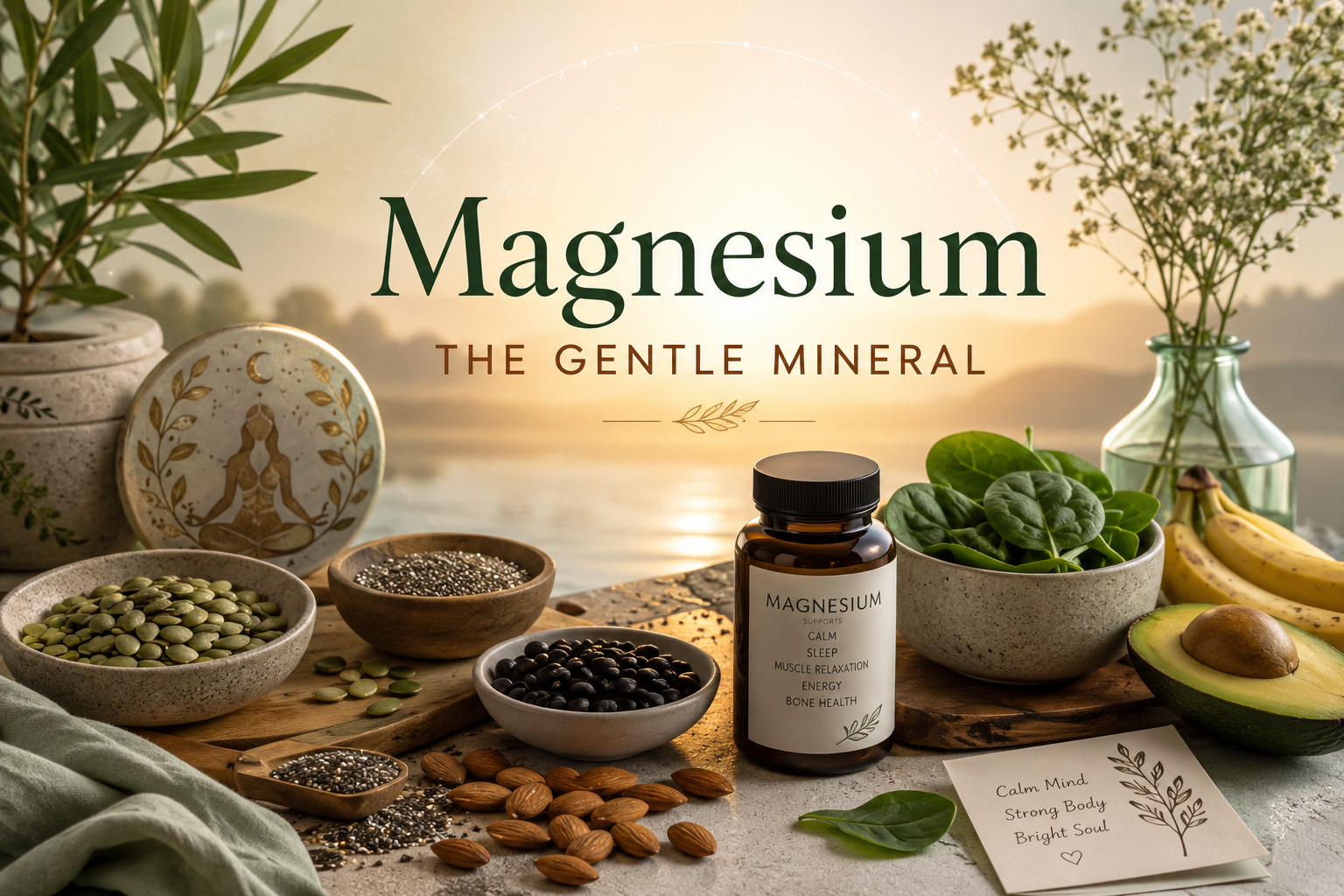
Magnesium
Learn how magnesium supports sleep, calm, energy, muscles, nerves, bones, heart rhythm, blood sugar balance, Vitamin D use, and everyday wellness.
The Gentle Mineral for Calm, Strength, Sleep, and Everyday Energy
Magnesium is one of the body’s most important minerals, and it works quietly behind the scenes every single day.
It supports muscles, nerves, energy production, heart rhythm, blood pressure regulation, blood sugar balance, bone strength, sleep quality, and the body’s ability to relax after stress. Magnesium is often called “nature’s relaxation mineral,” but its value goes much deeper than calm.
Magnesium is not just a bedtime supplement. It is a foundational mineral the body depends on for strength, steadiness, repair, and daily rhythm.
When the body has enough magnesium, many systems can function with more balance and ease. The muscles can contract and relax properly. The nervous system can communicate more smoothly. The heart can maintain its steady rhythm. The body can create energy, support bones, and use other nutrients more wisely.
Magnesium is not flashy.
It is foundational.
Why Magnesium Matters So Much
Magnesium is an essential mineral involved in more than 300 enzyme systems in the body. These enzyme systems help support protein creation, muscle and nerve function, blood sugar regulation, blood pressure regulation, energy production, DNA and RNA formation, heart rhythm, bone strength, and the production of glutathione, one of the body’s important antioxidants.
That is why magnesium should never be treated like a small wellness extra.
It is one of the body’s core minerals.
Magnesium helps the body create energy, communicate through the nervous system, relax and contract muscles properly, maintain rhythm, and stay steady from the inside out.
It also plays an important role in how the body uses Vitamin D, how bones maintain mineral balance, and how the body responds to daily physical and emotional demands.
Magnesium supports the quiet inner work that helps the body feel more settled, strong, and capable.
Why Your Body Needs Magnesium Every Day
Magnesium supports the body in steady, practical ways.
It helps maintain healthy muscle and nerve function. It supports normal heart rhythm. It contributes to energy production. It plays a role in blood pressure regulation and blood sugar balance. It also helps the body build proteins and supports the creation of DNA and RNA, which are essential for cellular health.
Magnesium is also deeply connected to bone health. A large portion of the body’s magnesium is stored in the bones, where it contributes to structure, mineral balance, and long-term strength.
This matters because bone strength is not built by one nutrient alone. The body builds strength through minerals, movement, protein, sunlight, hormones, nourishment, and healthy internal regulation.
Magnesium is one of the minerals that helps hold that rhythm together.
Why Some People May Run Low in Magnesium
Many people do not get as much magnesium as their bodies need.
Modern diets can be low in mineral-rich foods, especially when meals rely heavily on refined grains, processed foods, and fewer seeds, nuts, legumes, leafy greens, and whole grains.
Magnesium needs can also become more noticeable during seasons of stress, poor sleep, heavy demands, or low nourishment. Some people may be more likely to run low, including older adults, people with certain digestive issues, people with blood sugar concerns, those who drink alcohol regularly, and people taking certain medications that affect magnesium levels.
This is one reason magnesium is worth paying attention to in a grounded way.
It is not about chasing a wellness trend.
It is about giving the body a mineral it uses every single day.
Magnesium and Vitamin D Work Together
Magnesium and Vitamin D belong in the same wellness conversation.
Vitamin D is often talked about as the sunshine vitamin or sunshine hormone, but the body has to activate and use it properly. Magnesium plays a role in Vitamin D metabolism and helps support the processes that allow Vitamin D to do its work in the body.
This is one reason magnesium is so important. It does not only support muscles and relaxation. It also helps the body use other nutrients more wisely.
A person can pay attention to Vitamin D, sunlight, and supplementation, but if magnesium is low, the body may not feel as supported as it could.
Magnesium helps bring the mineral-and-light story together.
Magnesium and Bone Strength
Magnesium deserves more attention when people talk about strong bones.
It contributes to the structural development of bone and supports the mineral balance involved in long-term skeletal health. It also works alongside the body’s Vitamin D system, which matters for calcium balance and whole-body structural wellness.
Bones are living tissue. They respond to minerals, movement, hormones, sunlight, protein, and overall nourishment.
Magnesium supports the deeper balance behind strength.
For women especially, this becomes important through changing seasons of life, including perimenopause, menopause, and later adulthood, when muscle strength, balance, sleep, and long-term bone support become even more meaningful.
Signs You May Need More Magnesium
Low magnesium can show up in different ways, and symptoms can overlap with many other issues. It is wise not to assume one nutrient explains everything.
Still, people who are not getting enough magnesium may notice signs such as:
Muscle cramps
Fatigue
Weakness
Tension
Restless sleep
Headaches
Feeling wired but tired
Nervous system sensitivity
Muscle tightness or twitches
More serious deficiency can involve numbness, tingling, abnormal heart rhythm, or other symptoms that should be handled with medical care.
Magnesium status can be difficult to measure perfectly because much of the body’s magnesium is stored inside cells and bones. Blood testing can still be helpful, but diet, symptoms, health history, medications, and lifestyle all matter too.
For everyday wellness, magnesium is worth noticing when the body feels tense, depleted, crampy, restless, or unable to settle.
Sometimes the body is not asking for more pressure.
Sometimes it is asking for minerals.
Magnesium-Rich Foods to Add to Your Routine
One of the best ways to support magnesium levels is through whole foods.
Magnesium is naturally found in seeds, nuts, legumes, leafy greens, whole grains, and some mineral waters. Foods with fiber often provide magnesium too.
Good food sources include:
Pumpkin seeds
Chia seeds
Almonds
Cashews
Cooked spinach
Black beans
Edamame
Peanut butter
Brown rice
Oatmeal
Potatoes with skin
Bananas
Avocado
Salmon
Pumpkin seeds and chia seeds are especially rich sources. A small amount can add meaningful magnesium to the day.
Simple additions can help. Sprinkle seeds into a smoothie. Add black beans to a bowl. Snack on almonds or cashews. Stir chia into yogurt. Enjoy cooked greens with dinner. Choose whole grains more often.
Magnesium does not have to be complicated.
It can be built into everyday meals through small, steady choices.
Which Form of Magnesium Is Best?
Different forms of magnesium are used for different purposes.
Magnesium glycinate is often chosen for calm, sleep support, muscle tension, and people who want a gentler option for the stomach.
Magnesium citrate is well absorbed and is often used when someone also wants digestive support. Because it can loosen stools, it may not be the best choice for everyone.
Magnesium malate is often used for energy support and muscle comfort.
Magnesium taurate is often discussed for heart and nervous system support.
Magnesium threonate is often marketed for brain health and mental clarity because it is designed to support magnesium delivery in the brain. It is usually more expensive and should be viewed realistically, not treated like a miracle product.
Magnesium oxide contains a lot of elemental magnesium on the label, but it is not as well absorbed as some other forms. It is commonly used for occasional constipation.
The best form depends on the person, the reason for taking it, and how the body responds.
The label matters too. Look for elemental magnesium, because that is the amount of magnesium the body is actually receiving.
How Much Magnesium Do Adults Need?
Adult magnesium needs vary by age, sex, and life stage.
Many adult women need around 310 to 320 mg per day from all sources.
Many adult men need around 400 to 420 mg per day from all sources.
Pregnancy can increase magnesium needs.
That total includes magnesium from food, drinks, supplements, and medications.
Supplement amounts are different from total daily needs. The general upper limit for magnesium from supplements or medications is 350 mg per day for adults, unless a healthcare provider recommends otherwise.
This upper limit does not apply to magnesium naturally found in food. Food-based magnesium is handled differently by the body, and healthy kidneys usually remove extra magnesium from food through urine.
That is why food is such a beautiful foundation.
Beautiful Benefits of Magnesium
When the body receives enough magnesium, many people feel more supported.
Magnesium supports:
More restful sleep
A calmer nervous system rhythm
Healthy muscle relaxation
Less muscle tension and cramping
Steady energy production
Healthy blood pressure regulation
Healthy blood sugar balance
Normal heart rhythm
Bone strength and structural wellness
Head comfort and tension supportVitamin D use and mineral balance
These benefits are not instant promises. They are the natural support magnesium can offer when the body truly needs this mineral.
Magnesium works best as part of a bigger rhythm: nourishing food, hydration, sunlight, movement, rest, and enough minerals overall.
It is not about forcing the body to relax.
It is about giving the body what relaxation may require.
Magnesium, Sleep, and the Nervous System
Magnesium is often loved for sleep because it supports muscle relaxation and nervous system balance.
Many people feel tense at night not because they are doing something wrong, but because the body is still carrying the pace of the day. Magnesium can help support the shift from “on” to “rest.”
This is one reason magnesium glycinate is so popular in evening routines. Many people find it gentle, calming, and helpful when the goal is sleep support, less nighttime tension, and a more settled body.
Magnesium is not a sedative.
It is more like a mineral signal that helps the body remember how to soften.
Magnesium and Blood Sugar Support
Magnesium is involved in blood glucose control and energy metabolism.
Healthy magnesium intake supports the body’s ability to manage energy, use glucose, and maintain better internal balance. This makes magnesium especially meaningful for people paying attention to blood sugar, metabolic health, daily energy, and inflammation.
This does not mean magnesium replaces medical care for diabetes or blood sugar conditions. It means magnesium belongs in the larger wellness foundation that supports metabolic health.
The body’s systems are connected. Sleep, stress, minerals, movement, nourishment, Vitamin D, and blood sugar all speak to one another.
Magnesium belongs in that conversation because it helps support the body’s everyday regulation.
Magnesium and Heart Wellness
Magnesium supports normal heart rhythm, muscle function, and blood pressure regulation.
The heart is a muscle with an electrical rhythm, and magnesium plays a role in the movement of minerals involved in nerve signals and muscle contraction.
This makes magnesium deeply connected to the body’s sense of steadiness.
Heart symptoms should always be taken seriously. Chest pain, fainting, severe palpitations, or unusual heart rhythm concerns need medical attention.
For everyday wellness, magnesium is one of the minerals that supports the body’s calm, steady rhythm.
What Women Should Know About Magnesium
Magnesium is especially meaningful for women.
It supports muscle relaxation, calmer nervous system rhythm, restful sleep, mood steadiness, and comfort during times when the body feels tense, depleted, or overstimulated.
Many women pay attention to magnesium around the menstrual cycle because it can support muscle comfort, cramps, tension, headaches, cravings, and mood shifts. It can also be helpful during seasons of higher stress, poor sleep, or heavy daily demands.
During perimenopause and menopause, magnesium becomes even more worth noticing. This season can bring changes in sleep, mood, muscle tension, energy, and structural wellness. Magnesium supports many of the systems women are trying to care for during that time.
During pregnancy and breastfeeding, magnesium needs can change, so supplementation should be handled thoughtfully.
For women, magnesium is not just about relaxation.
It is about strength, rhythm, mineral balance, sleep, muscles, mood, and long-term vitality.
Smart Supplement Use
Magnesium from food is safe for most people, and whole-food sources are a beautiful place to begin.
Supplements are where a little more awareness matters. Too much supplemental magnesium can cause loose stools, diarrhea, nausea, or stomach cramping. Very high intakes can cause more serious problems, especially for people with kidney issues.
People with kidney disease should be especially careful with magnesium supplements because the kidneys help remove excess magnesium from the body.
Magnesium can also interact with certain medications, including some antibiotics, osteoporosis medications, diuretics, and long-term acid-reducing medications. It may need to be taken at a different time of day from certain prescriptions.
This does not make magnesium something to fear.
It simply means magnesium should be used wisely.
Start low. Pay attention to your body. Choose a form that fits your needs. Let food be the foundation, and use supplements with intention.
A Grounded Takeaway
Magnesium is one of the body’s quiet essentials.
It supports calm, strength, sleep, energy, muscles, nerves, heart rhythm, blood sugar balance, bone wellness, and the body’s use of Vitamin D.
It does not need to be presented as a miracle. Its real value is better than that.
Magnesium supports the systems that help you feel steady, rested, strong, and more at home in your body.
Start with mineral-rich foods. Add a supplement only if it makes sense for your body and your season of life. Pay attention to how you feel.
Sometimes wellness is not loud.
Sometimes it is a mineral quietly helping the body come back into balance.
Frequently Asked Questions About Magnesium
What is magnesium good for?
Magnesium supports muscle and nerve function, energy production, normal heart rhythm, blood pressure regulation, blood sugar balance, bone wellness, and relaxation.
Why is magnesium so important?
Magnesium is involved in more than 300 enzyme systems in the body. It supports protein creation, energy production, DNA and RNA formation, muscle and nerve function, blood sugar regulation, blood pressure regulation, heart rhythm, and bone strength.
Why do some people run low in magnesium?
Some people may not get enough magnesium from food, especially if their diet is low in seeds, nuts, legumes, leafy greens, and whole grains. Older adults, people with certain digestive issues, blood sugar concerns, regular alcohol use, or certain medications may also be more likely to run low.
What is the best magnesium for sleep?
Magnesium glycinate is often chosen for sleep and relaxation because many people find it gentle and calming. The best form can vary by person.
Does magnesium help with anxiety?
Magnesium supports a calmer nervous system rhythm, especially when someone is not getting enough. It should not be presented as a cure for anxiety, but it can be part of a supportive wellness routine.
Does magnesium help with leg cramps?
Magnesium supports normal muscle function and relaxation. Some people use it for muscle cramps or tension, though cramps can have many causes.
Does magnesium work with Vitamin D?
Yes. Magnesium plays a role in the body’s use and metabolism of Vitamin D. These two nutrients belong in the same wellness conversation.
Is magnesium important for women?
Yes. Magnesium supports sleep, mood, muscle relaxation, cycle comfort, stress response, pregnancy and breastfeeding needs, menopause support, and long-term structural wellness.
How much magnesium do adults need?
Many adult women need around 310 to 320 mg per day from all sources, and many adult men need around 400 to 420 mg per day. Needs may change during pregnancy and breastfeeding.
Can too much magnesium be harmful?
Too much magnesium from supplements can cause loose stools, diarrhea, nausea, and cramping. Very high intakes can be dangerous, especially for people with kidney problems.
Is magnesium from food different from magnesium supplements?
Yes. Magnesium from food does not usually need to be limited in healthy people because the kidneys remove extra amounts. The upper limit applies to magnesium from supplements and medications, not food.
Wellness Pathways ↑
Explore more gentle, grounded wellness pages in the Wellness Pathways ↑
If this message supported you, you may also enjoy:
Moringa
Learn about moringa, a nutrient-rich green plant valued for antioxidant support, inflammation balance, blood sugar support, and everyday wellness.
A Powerful Green for Nourishment, Strength, and Everyday Body Support
Moringa is one of those plants that carries real substance. Its value comes from nourishment, plant compounds, and the kind of steady body support that fits naturally into a wellness-focused life.
Known as Moringa oleifera, moringa has been used for generations as both food and traditional wellness support. The leaves are especially valued because they contain vitamins, minerals, antioxidants, and natural plant compounds that help make moringa a meaningful green plant for everyday nourishment.
For many people, moringa stands out because it supports the body in several ways at once. It offers plant-based nutrition, antioxidant strength, inflammatory balance, metabolic support, and everyday wellness value. That combination is what gives moringa its strong reputation in natural wellness.
What Moringa Is
Moringa comes from a fast-growing tree often found in warm regions of the world, where its leaves, pods, seeds, and other parts have been used in food and traditional wellness practices.
In supplement form, moringa is most often made from the dried leaves. It may be sold as powder, capsules, tea, or included in greens blends. The leaf is the form most commonly used for everyday nutrition and wellness support.
Moringa leaf has a naturally earthy, green taste and can be mixed into smoothies, juices, teas, soups, sauces, oatmeal, or warm drinks. Capsules are often easier for people who want the benefits without the strong green flavor.
What makes moringa special is that it brings nutritional substance. Moringa leaves are known for containing important nutrients such as vitamin A compounds, vitamin C, calcium, potassium, iron, protein, and protective plant compounds.
Why Moringa Stands Out
Moringa feels different from many supplements because its value is broad. Some supplements are known for one main thing. Moringa supports several areas of the body at the same time.
It may help support:
healthy antioxidant activity
natural inflammatory balance
blood sugar wellness
cholesterol and metabolic health
daily mineral and plant-based nourishment
overall energy through better nutrition support
Moringa’s strength is simple and practical. It is a nutrient-rich green that can become part of a steady wellness routine built around consistency, better nourishment, and daily body support.
Antioxidant Support
One of moringa’s strongest qualities is its antioxidant value. Antioxidants help the body handle oxidative stress, which can build from everyday life, stress, poor sleep, environmental exposure, processed foods, and normal metabolic activity.
Moringa contains protective plant compounds, including polyphenols and flavonoids. These compounds are part of why moringa is often viewed as a strong daily wellness plant.
This kind of support matters because long-term vitality is built through steady care. Moringa supports the body in a deeper, long-game way by helping create a better foundation for nourishment and resilience.
Inflammation Balance and Body Support
Moringa has also drawn attention for its anti-inflammatory potential. This is one of the reasons people often connect it with joint comfort, body ease, movement, and general wellness support.
Inflammation is part of the body’s natural response system. When the body is under extra stress, inflammatory balance becomes especially important for how a person feels, moves, recovers, and functions.
Moringa’s natural plant compounds may help support a healthier inflammatory response. That gives it value for people who want more than basic nutrition. It offers nourishment with an added layer of whole-body support.
Moringa and Body Comfort
Moringa’s natural plant compounds make it especially interesting for people who care about body comfort, joint ease, movement, and everyday physical support.
Because moringa is connected with antioxidant and anti-inflammatory activity, it may help support a body that feels more balanced, nourished, and resilient. For people who feel stiff, sore, heavy, or worn down, moringa can be a meaningful plant to consider as part of a steady wellness routine.
This is where moringa’s value becomes practical. It is about giving the body more of the nutrients and protective plant compounds that support how a person feels, moves, and functions day by day.
Blood Sugar and Metabolic Wellness
Moringa has also been studied for its possible role in blood sugar balance. This is one of the areas where it deserves attention because metabolic wellness affects energy, appetite, cravings, circulation, and long-term body health.
Some research suggests moringa may help support healthier blood sugar patterns. That could make it valuable for people focused on steady energy, better nutrition habits, and overall metabolic support.
Because moringa may support healthy blood sugar patterns, people who already take medication for blood sugar should use it with awareness. A natural plant can still be active in the body, and that is part of what makes moringa worth respecting.
Moringa has also been explored for cholesterol and lipid support. This adds to its broader wellness value. It is a green plant with several possible benefits that connect to everyday body function.
Why Women May Want to Know About Moringa
For women, moringa may be especially interesting because it contains nutrients that can matter during different seasons of life, including iron, calcium, antioxidants, and plant-based nourishment.
Moringa leaf has also been traditionally used by breastfeeding mothers in some cultures, and some studies have explored its connection to breast milk supply. That gives moringa a meaningful place in conversations about postpartum nourishment and maternal wellness.
During pregnancy, postpartum, or breastfeeding, quality and guidance matter. Moringa leaf is the form most commonly connected with food and wellness use, while root and bark products are stronger plant parts that should be handled with more care.
Women in these seasons should choose carefully, use trusted sources, and seek guidance when needed. This keeps the conversation clear, useful, and respectful of women’s bodies, especially during seasons when nourishment matters deeply.
What Men May Want to Know About Moringa
For men, moringa’s strongest value is likely in its everyday metabolic and body-support benefits. Its possible support for blood sugar balance, cholesterol wellness, inflammatory balance, and antioxidant protection may make it useful for men focused on energy, physical comfort, healthy aging, and long-term wellness.
Moringa is also a strong plant-based option for men who want to add more minerals, greens, and protective compounds into their daily routine. Its value is grounded in nourishment, consistency, and whole-body support.
For men who are focused on staying active, supporting healthy aging, maintaining better metabolic habits, or adding more plant nutrition into daily life, moringa may be a simple and useful addition.
How People Use Moringa
Moringa can be used in several simple ways. Some people add the powder to smoothies or green drinks. Others stir it into tea, soups, sauces, oatmeal, or warm drinks. Capsules are often easier for people who prefer convenience.
A gentle approach is usually best. Start small, notice how your body responds, and build slowly if it feels right. Consistency and quality matter more than taking large amounts.
Because moringa is a dried plant product, quality matters. Choose a reputable brand that clearly identifies moringa leaf, uses clean sourcing, and preferably offers third-party testing for purity. A good product should tell you what part of the plant is being used.
For everyday wellness, moringa leaf is the form most commonly used. Moringa root or bark products should be handled with extra care and used only with knowledgeable guidance.
Using Moringa Wisely
Moringa is widely valued as a food plant, especially when using the leaves in normal food amounts. Supplement forms can be more concentrated, so it is wise to use them with intention.
People taking medication for blood sugar, blood pressure, cholesterol, or other ongoing health needs may want to check how moringa fits with their routine. This is especially true for people using diabetes medication, because moringa may support blood sugar balance.
Moringa may also feel different from person to person. Some people do best when they start with a small amount and let the body adjust.
The best approach is simple: choose moringa leaf from a reputable source, start gently, and pay attention to how your body responds.
The Strength of Moringa
Moringa has earned its place in natural wellness because it has substance. It is nourishing, versatile, and rich in plant compounds that support the body in more than one way.
Its value comes from how much it offers in such a simple form. It brings plant-based nourishment, antioxidant support, inflammatory balance, and metabolic wellness into one green, grounded plant.
Moringa fits beautifully into a lifestyle built on consistency, better food choices, hydration, mineral support, movement, rest, and daily care. It is steady, useful, and deeply rooted in the kind of wellness that supports the body over time.
Moringa FAQ
What is moringa best known for?
Moringa is best known as a nutrient-rich green plant that supports everyday nourishment, antioxidant activity, inflammatory balance, and metabolic wellness.
Is moringa better as powder or capsules?
Both can work. Powder is easy to add to smoothies, teas, soups, warm drinks, or foods. Capsules are more convenient for people who do not enjoy the earthy green taste.
Can moringa help with blood sugar?
Moringa has been studied for possible blood sugar support. People taking diabetes medication should use moringa with awareness because it may affect blood sugar patterns.
Can breastfeeding women take moringa?
Moringa leaf has traditional use and research interest for breast milk supply. Because breastfeeding is a sensitive season, quality, dosage, and guidance matter. Women who are breastfeeding should choose trusted leaf-based products and seek guidance when needed.
What part of moringa is usually used for supplements?
Most everyday moringa powders and capsules are made from moringa leaf. This is the form most commonly used for nutrition and daily wellness support. Root and bark products are different plant parts and should be approached with more care.
Practical Takeaway
Moringa is a powerful green plant for people who want more nourishment in their daily wellness routine. It offers antioxidant support, inflammatory balance, metabolic support, and broad body nourishment in one simple plant.
If you are looking for a natural supplement that feels rooted, useful, and easy to include in everyday life, moringa is worth exploring. It is one of the more meaningful plants in the natural wellness world because it brings real support in a simple, grounded, plant-based form.
Wellness Pathways ↑
Explore more gentle, grounded wellness pages in the Wellness Pathways ↑
If this message supported you, you may also enjoy:
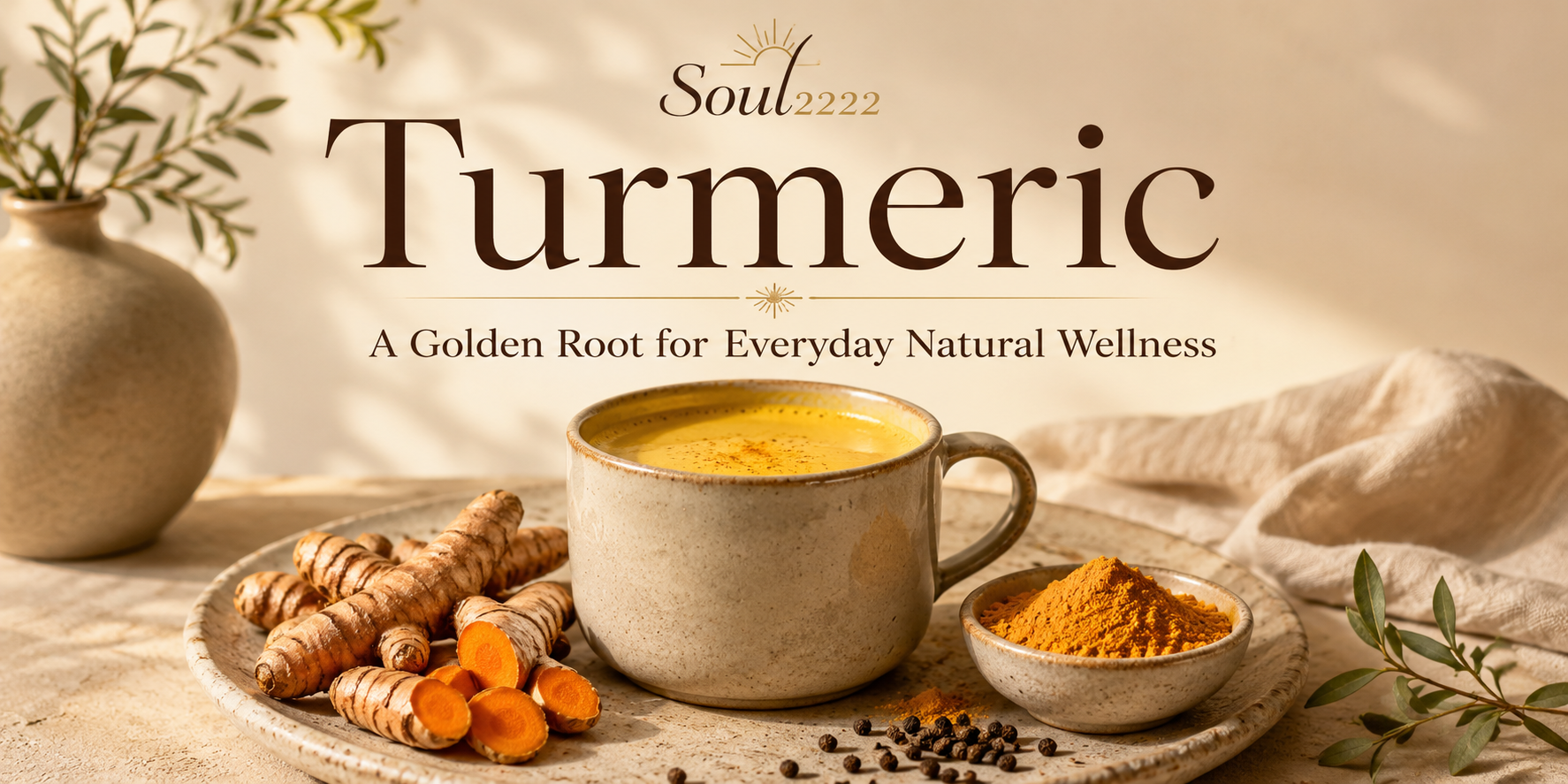
Turmeric
Learn what turmeric is, why curcumin matters, how black pepper helps absorption, and how turmeric can fit into everyday natural wellness routines.
A Golden Root for Everyday Natural Wellness
Turmeric is one of those natural ingredients that has held its place across generations. It is deeply rooted in tradition, yet it still feels useful today because people continue to find simple, everyday value in it. Its warm color, earthy flavor, and strong presence in both food and supplements have made it one of the most recognized roots in the natural wellness world.
Turmeric comes from the rhizome, or underground stem, of a plant in the ginger family. Once it is harvested, dried, and ground, it becomes the golden-orange powder many people know from cooking, teas, broths, and wellness blends. It has a grounding, warming quality that makes it feel nourishing and familiar.
Part of turmeric’s appeal is that it belongs so naturally in everyday life. It can be stirred into food, added to warm drinks, blended into spice mixes, or taken in supplement form by people who want a more concentrated option. That versatility is one reason turmeric has stayed so popular for so long.
For generations, turmeric has been valued in traditional wellness practices as more than just a spice. It has been connected with vitality, balance, and support for the body. Today, modern interest has brought turmeric into capsules, powders, extracts, teas, golden milk blends, and natural wellness routines all over the world.
What Makes Turmeric Valuable
Much of turmeric’s wellness reputation comes from a natural compound called curcumin. Curcumin is one of turmeric’s main active components and is the part most often connected with turmeric’s antioxidant and inflammatory-support properties.
This is one reason turmeric gets so much attention. Many people are looking for natural support that feels steady, practical, and easy to return to. Turmeric fits that beautifully. It is a familiar root with a long history and a useful place in the home.
Turmeric’s value also comes from the way it bridges food and wellness. Some ingredients only show up in supplement bottles, but turmeric has always had a wider life than that. It can season meals, warm up soups, brighten rice dishes, deepen broths, and bring color to roasted vegetables. It can also be used in teas, tonics, powders, and capsules.
That flexibility gives turmeric a natural strength. It can become part of a consistent lifestyle built around nourishment, movement, hydration, rest, and simple daily care.
Curcumin and Antioxidant Support
Curcumin is often discussed because of its antioxidant activity. Antioxidants help the body respond to oxidative stress, which is a normal part of life but can increase with stress, poor sleep, environmental exposure, processed foods, and everyday wear on the body.
Turmeric is also often connected with inflammatory support. This is one of the reasons people use it in wellness routines for joint comfort, general body support, and overall daily balance.
Its value is realistic and practical. Turmeric belongs in the category of supportive natural foods and supplements that can help people build a more thoughtful, nourishing approach to everyday wellness.
Turmeric does not need to be complicated to be valuable. Its strength is in its steady usefulness. It is a root people can understand, use, and return to in a grounded way.
Why Black Pepper Is Often Added
One of the most important things to understand about turmeric is that curcumin is not absorbed very well by the body on its own. That is why black pepper is so often paired with turmeric in supplement formulas.
Black pepper contains a natural compound called piperine. Piperine helps improve curcumin absorption, which means it can help the body take in and use curcumin more effectively. This is why many turmeric supplements include black pepper extract and why turmeric-and-black-pepper blends are so common.
Turmeric also pairs well with food that contains a little healthy fat, such as coconut milk, olive oil, eggs, avocado, nuts, or a nourishing meal. Curcumin is fat-soluble, so enjoying turmeric with a meal that contains a little healthy fat may help support better absorption. This is one reason golden milk, soups, broths, and warm meals are such a beautiful fit for turmeric.
This also explains why turmeric products can be very different from one another. One product may contain simple ground turmeric root. Another may contain a concentrated curcumin extract. Another may combine curcumin with black pepper extract for better absorption.
When comparing turmeric supplements, this is one of the most helpful details to notice. A turmeric product with added black pepper extract may be designed for better absorption, while plain turmeric root may be closer to the whole-food spice form.
Food Turmeric vs. Turmeric Supplements
Turmeric used in food and turmeric used in supplements are not always the same experience.
Food-level turmeric is usually a gentle way to enjoy the root. It can be added to soups, rice, eggs, vegetables, broths, lentils, sauces, teas, and golden milk. This is the form most people recognize from cooking and traditional food use.
Turmeric supplements are usually more concentrated. Some contain turmeric root powder, while others focus on curcumin extract. Some also include black pepper extract or other absorption support to help the body use the curcumin more effectively.
Neither form is automatically better. It depends on the person’s goal. Someone who enjoys cooking may love using turmeric in meals. Someone who wants a more measured amount may prefer a capsule. Someone who enjoys wellness rituals may like turmeric tea or golden milk.
The helpful thing is knowing the difference. A sprinkle of turmeric in soup and a concentrated curcumin supplement are simply different ways to experience the same golden root.
Turmeric and Women’s Wellness
Turmeric may be especially meaningful for women who are looking for natural support during times when the body feels tender, inflamed, or in need of extra comfort.
Curcumin, the active compound in turmeric, has been studied for its connection to PMS and menstrual discomfort. Because curcumin is often connected with inflammatory support, some women may choose to include turmeric as part of a broader wellness rhythm around monthly comfort, warmth, and body balance.
Many women enjoy turmeric in gentle everyday forms such as food, tea, golden milk, or warm wellness blends with ginger, cinnamon, honey, lemon, and black pepper. These simple preparations can make turmeric feel comforting and easy to include without turning it into something complicated.
Supplement-strength turmeric is more concentrated than turmeric used as a kitchen spice. Anyone pregnant, breastfeeding, preparing for surgery, taking blood-thinning medication, or dealing with unusual bleeding concerns may want to be more selective with concentrated turmeric supplements, especially formulas that include black pepper extract for higher absorption.
This keeps turmeric in its proper place: a valuable, supportive root that can be enjoyed thoughtfully as part of a natural wellness lifestyle.
Everyday Comfort and Body Support
Turmeric is often used by people who want support for everyday comfort, movement, and body balance. Because curcumin is connected with inflammatory support, turmeric has become popular among those who want to care for their joints, muscles, and overall physical wellness.
This does not mean turmeric has to be reserved for people with a specific issue. Many people simply enjoy it as part of a daily rhythm that helps them feel more connected to natural nourishment.
A warm turmeric drink in the evening, a golden broth on a cool day, or turmeric added to a nourishing meal can make wellness feel simple and doable. Sometimes the most supportive habits are the ones that feel natural enough to keep.
How Turmeric Fits Into Everyday Life
Turmeric can be used in many simple ways. In the kitchen, it adds color, warmth, and depth to soups, rice, eggs, roasted vegetables, stews, lentils, and broths. It blends well with ginger, cinnamon, garlic, black pepper, lemon, honey, coconut milk, and warm spices.
Some people enjoy turmeric in golden milk, where it is combined with warm milk or a milk alternative, black pepper, and sometimes cinnamon, ginger, or honey. Others prefer turmeric tea, turmeric capsules, drink mixes, or powdered blends.
Turmeric also works well with other warming ingredients. Ginger, cinnamon, honey, lemon, and black pepper are common partners because they make turmeric feel even more natural and inviting in everyday life. It becomes less like a product on a shelf and more like a useful part of the home.
Turmeric works best when it feels easy enough to keep using. Natural wellness does not have to be dramatic to be meaningful. Sometimes the most useful habits are the ones that fit smoothly into ordinary life.
Choosing a Turmeric Supplement
When choosing a turmeric supplement, it helps to look at what the product actually contains. Some formulas are made with turmeric root powder. Others use curcumin extract, which is more concentrated. Some include black pepper extract, also called piperine, to support absorption.
A person who wants a gentle, whole-root option may prefer turmeric root powder. A person looking for stronger curcumin support may prefer a formula with curcumin extract and black pepper.
It is also helpful to choose products from companies that clearly list the amount per serving, the type of turmeric used, and any added ingredients. Simple labels are often easier to understand and compare.
Turmeric is one of those ingredients where the details matter. The root, the extract, and the absorption support can all affect how the product is used.
Using Turmeric Thoughtfully
Turmeric is well loved because it can be used in simple, everyday ways. Food-level turmeric is usually the gentlest place to begin, whether it is added to soups, rice, eggs, vegetables, broths, teas, or golden milk.
Supplements can be more concentrated, especially when they contain curcumin extract or black pepper extract. This can be helpful for absorption and makes the formula stronger than turmeric used as a kitchen spice.
Some people may be more sensitive to concentrated turmeric supplements and may notice digestive discomfort such as reflux, nausea, stomach upset, diarrhea, or constipation. Anyone taking medication, preparing for surgery, pregnant, or breastfeeding may want to be more selective with concentrated turmeric supplements and pay attention to the formula.
The goal is simple: understand the difference between a warm golden spice in food and a stronger concentrated supplement, then choose the form that fits best.
A Pleasant, Grounded Way to See Turmeric
Turmeric makes the most sense when it is seen as a supportive part of a bigger wellness lifestyle. Its strength is in how naturally it fits into daily care.
It is earthy, steady, colorful, and practical. It can support meals, warm drinks, supplement routines, and small rituals of nourishment. It brings a sense of warmth to the body and the home.
Turmeric has remained beloved because it feels both ancient and useful, a golden root that still fits beautifully into modern life.
Practical Takeaway
Turmeric is a golden root with a long history and a strong place in everyday natural wellness. Much of its value comes from curcumin, the compound most often connected with turmeric’s antioxidant and inflammatory-support properties.
Because curcumin is not absorbed well on its own, black pepper is often added to turmeric supplements to help the body use it more effectively. Turmeric can be enjoyed in food, warm drinks, spice blends, powders, or supplements, depending on what feels most realistic for a person’s lifestyle.
Its real beauty is in how naturally it can become part of a rhythm of care, nourishment, warmth, and consistency. Whether used in a comforting drink, a golden meal, or a thoughtful supplement routine, turmeric offers a simple way to bring more plant-based support into everyday life.
FAQ
What is turmeric?
Turmeric is a golden-orange root from the ginger family. It is commonly dried and ground into a spice, but it is also used in teas, powders, capsules, extracts, and natural wellness blends.
What is curcumin?
Curcumin is one of the main active compounds in turmeric. It is the part most often connected with turmeric’s antioxidant and inflammatory-support properties.
Why is black pepper added to turmeric?
Black pepper contains piperine, a compound that helps improve curcumin absorption. Since curcumin is not absorbed very well on its own, black pepper can help the body take in and use more of turmeric’s active compound.
Does turmeric absorb better with food?
Turmeric may pair well with meals that contain a little healthy fat, such as coconut milk, olive oil, eggs, avocado, nuts, or a nourishing meal. Curcumin is fat-soluble, so enjoying turmeric with a meal that contains a little healthy fat may help support better absorption.
Is turmeric better as food or as a supplement?
Both can have value. Food-level turmeric is a gentle way to include it in everyday meals and drinks. Supplements are more concentrated and may be useful for people who want a measured amount.
Can turmeric support women’s wellness?
Turmeric may be helpful for women who are interested in natural inflammatory support, monthly comfort, and overall balance. Curcumin has been studied in connection with PMS and menstrual discomfort, and some women may choose to include turmeric as part of a broader wellness routine.
Who may want to be thoughtful with turmeric supplements?
Anyone taking medication, preparing for surgery, pregnant, breastfeeding, or dealing with gallbladder or bleeding concerns may want to be more selective with concentrated turmeric or curcumin supplements.
What does turmeric taste like?
Turmeric has an earthy, warm, slightly bitter flavor. It works well with black pepper, ginger, cinnamon, garlic, lemon, honey, coconut milk, soups, rice dishes, and broths.
Wellness Pathways ↑
Explore more gentle, grounded wellness pages in the Wellness Pathways ↑
If this message supported you, you may also enjoy:
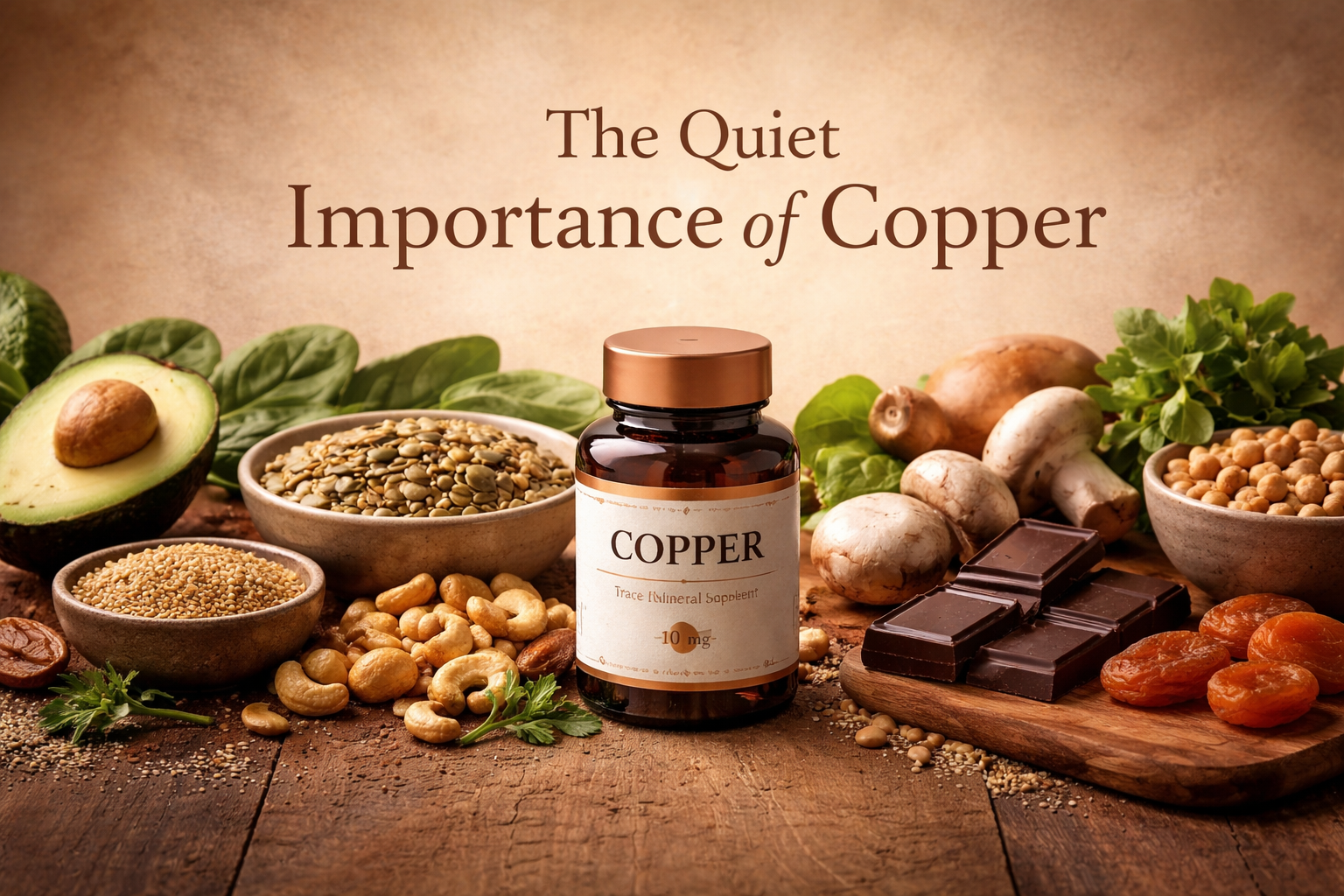
The Quiet Importance of Copper
Learn what copper is, why the body needs it, how it supports iron use, red blood cells, blood vessels, skin, hair, and women’s wellness, and why balance matters.
A Trace Mineral With More Value Than Most People Realize
Copper may not be the first mineral people think about, but it plays an important role in how the body functions every day. It is an essential trace mineral, meaning the body needs only a small amount, yet that small amount matters.
Copper helps the body make energy, supports blood vessels and connective tissue, helps maintain the nervous and immune systems, and plays a role in how the body uses iron. In natural wellness conversations, copper often receives less attention than magnesium, iron, or zinc, but it holds an important place because it supports several systems at once rather than only one narrow function.
That is part of what makes copper so interesting. It is not loud in the body. It does not usually get the spotlight. But sometimes the quiet minerals are the ones doing steady, foundational work behind the scenes.
Copper helps the body build, carry, protect, and maintain. It supports structure. It supports balance. It helps the body do work that may not always be visible right away, but still matters deeply over time.
What Copper Is
Copper is a naturally occurring trace mineral found in food. Because the body cannot make its own copper, it has to come from diet or supplements. Foods that provide copper include shellfish, nuts, seeds, beans, whole grains, potatoes, mushrooms, avocados, chickpeas, tofu, organ meats, cocoa, dark chocolate, and leafy greens.
The body only needs a small amount of copper, but that small amount supports important functions. Copper works with iron to help the body form red blood cells. It also helps maintain healthy blood vessels, nerves, immune function, connective tissue, bones, skin, and hair.
That is why copper is easy to overlook. It does not need to be taken in large amounts to be valuable. Its importance comes from how many systems it touches quietly and consistently.
In everyday wellness, copper belongs in the conversation because it reminds us that the body does not run on one nutrient alone. Minerals work together. Iron, zinc, copper, magnesium, calcium, and other nutrients all have relationships with one another. When one mineral gets too low or too high, the body can feel that shift.
A Short Rooted Background
Copper has been valued throughout human history in many ways. People have used copper for tools, vessels, pipes, jewelry, coins, and daily living. It has long been associated with usefulness, strength, warmth, and durability.
Over time, science also made it clear that copper is not only useful outside the body. It is essential inside the body too.
Today, copper is recognized as a trace mineral needed for normal growth, development, and daily function. It connects to several foundational systems at once, including blood health, iron use, connective tissue, energy production, blood vessels, immunity, and the nervous system.
That is what gives copper its quiet importance. It is not a flashy mineral. It is a support mineral. It helps the body carry out work that can influence energy, strength, tissue health, circulation, and resilience.
Why Copper Matters for Blood and Iron Use
One of copper’s most important roles is helping the body use iron well. Copper does not replace iron, but it helps iron move and function properly in the body. This matters because red blood cell production depends on more than iron alone.
Iron is needed to make hemoglobin, the part of red blood cells that carries oxygen. When iron is low, the body may struggle with energy, stamina, strength, and oxygen delivery. Copper helps support the body’s ability to use iron as part of the larger blood-health picture.
This is one reason copper deserves more attention. Some people focus only on iron when they feel tired, cold, weak, or depleted, but the body’s mineral story can be more layered than that.
Iron still matters deeply, especially for women, but copper is one of the quiet helpers that supports how iron is used. When copper is too low, the body may have a harder time with normal iron handling. When copper is too high, the body can also feel out of balance.
That is why copper should be understood with respect, not fear. It is not about taking more and more. It is about having the right amount in the right relationship with the body’s other nutrients.
Why Copper Matters Differently for Women
Women need to understand copper through the lens of menstrual cycles, blood loss, hormones, pregnancy, breastfeeding, and mineral balance. A woman’s body is not the same as a man’s body when it comes to monthly bleeding, iron demand, hormone shifts, and changing nutrient needs.
This matters because women can lose blood every month through menstruation. For some women, that monthly loss is light and manageable. For others, periods are heavy, long, painful, clot-heavy, or draining. That can change the entire mineral picture.
Copper can be supportive when the body needs it. It helps with iron use, energy production, connective tissue, blood vessels, skin, hair, bones, and immune support. But copper belongs in balance.
For adult women, the body only needs a small daily amount of copper. During pregnancy and breastfeeding, copper needs increase because the body is supporting more growth, repair, and nourishment. These seasons place different demands on the body, which is why women’s mineral needs should never be treated as one-size-fits-all.
Copper is not something women need to fear. It is something women deserve to understand clearly.
Copper, Heavy Periods, and Monthly Blood Loss
Heavy menstrual cycles deserve special attention. When a woman has heavy periods, she can lose more blood and iron month after month. That is not a small detail. It can affect how she feels, how much energy she has, how her hair sheds, how strong she feels, how easily she gets winded, and how well her body recovers.
This is where copper becomes part of a bigger picture. Copper does not replace iron. If a woman’s iron stores are low because of heavy bleeding, copper alone will not refill those stores. But copper still matters because it helps the body use iron properly.
A woman with heavy periods may need to think about iron, ferritin, copper, zinc, B vitamins, thyroid health, and overall mineral balance together. The body is not a set of separate drawers. It is more like a living garden, where one nutrient affects the soil around another.
For women, this matters because heavy bleeding can quietly drain energy and strength over time. A woman may think she is simply tired, overwhelmed, or not sleeping well, when her body may also be asking for deeper mineral support.
Understanding copper in that bigger mineral picture can help women make more informed choices instead of guessing.
Can Copper Affect Menstrual Bleeding?
Copper should be discussed honestly when it comes to women and bleeding.
The clearest example is the copper IUD. A copper IUD is different from taking a copper supplement, but it is still important to mention on a women’s wellness page. Copper IUDs are known to cause heavier bleeding, stronger cramps, spotting, or more painful periods for some women, especially in the first few months.
That does not mean every woman will have that experience. Some women do well with a copper IUD. Others notice a significant change in their cycle. The important thing is that women should know this possibility ahead of time so they are not surprised by it later.
Copper supplements are a different situation. They are not the same as a copper IUD. Still, some women may notice cycle changes when taking copper, especially if copper becomes too high, zinc is too low, estrogen is already influencing copper levels, or the supplement simply does not agree with their body.
That does not make copper bad. It means women should pay attention to patterns.
If bleeding becomes noticeably heavier after starting a copper supplement, if periods become longer, if clotting changes, or if a woman feels more depleted after her cycle, that timing is worth respecting. The body often gives clues before it gives loud warnings.
The goal is not fear. The goal is awareness. Women deserve to know that copper is not just a “skin and hair” mineral or a tiny trace mineral hidden on the back of a bottle. It can be part of the larger conversation around iron, blood loss, hormones, and cycle health.
Copper, Estrogen, and Hormone Seasons
Copper can also be influenced by hormone status. Estrogen can affect copper-related markers in the body, which matters for women because estrogen changes throughout the menstrual cycle and through different life stages.
Birth control, hormone therapy, pregnancy, postpartum changes, breastfeeding, perimenopause, and menopause can all create a different internal landscape. A woman on birth control, a pregnant woman, a breastfeeding woman, and a woman with heavy cycles may not all have the same needs or responses.
This does not mean women should avoid copper. It means copper should be understood in context.
The female body moves through seasons. A mineral that feels supportive in one season may not be needed in the same way in another. That is why women’s wellness should be thoughtful, not automatic.
Copper is best approached as part of the whole picture, not as a one-size-fits-all supplement.
Copper and Zinc Balance
Copper and zinc have a close relationship. They are both important minerals, but they need balance. High zinc intake over time can interfere with copper absorption and may contribute to copper deficiency.
This matters because many people take zinc for immune support, skin, hair, hormones, or general wellness. Zinc can be helpful, but long-term high zinc without copper awareness may shift the balance too far.
The opposite can also matter. Taking copper without paying attention to zinc may not be ideal for everyone either. These two minerals are better understood as partners than as separate solo acts.
For women dealing with fatigue, hair shedding, heavy cycles, low iron, immune changes, or skin and hair concerns, the copper-zinc relationship may be worth knowing about.
Balance is the key word. Copper and zinc do not need to compete when the body has what it needs. They can work beautifully when neither one is overwhelming the other.
Why Copper Matters for Skin and Hair
Copper also has value for skin and hair because it supports connective tissue, pigmentation, and the body’s normal maintenance processes.
This does not mean copper is a magic hair or skin supplement. It means copper helps support some of the deeper systems that affect how the body maintains itself over time.
Skin, hair, bones, blood vessels, and connective tissue all depend on nourishment. Copper is one of the trace minerals that helps support that inner structure. It is not about chasing beauty from the outside in. It is about supporting the body from the inside out.
Copper is also connected to melanin, the pigment that gives color to the skin, hair, and eyes. When people talk about copper and hair color, this is usually the reason. Copper plays a role in normal pigmentation, although hair changes can be influenced by many factors, including genetics, stress, age, thyroid health, iron levels, B vitamins, and overall nutrition.
For women, this can be especially relevant because hair shedding, thinning, texture changes, and dullness often have more than one cause. Copper may be one piece of the puzzle, especially when mineral balance is off, but it is rarely the whole story by itself.
Why Copper Matters for the Heart and Blood Vessels
Copper also matters for the cardiovascular system because it helps support blood vessels and connective tissue. The heart does not work alone. It depends on oxygen delivery, blood flow, vessel strength, mineral balance, and healthy tissue structure.
Blood vessels are part of the body’s transport system. They help carry oxygen, nutrients, and life-giving circulation throughout the body. Copper helps support the structure and maintenance of those vessels.
This is part of why copper has such a foundational place in wellness. It does not only support one area. It supports several systems that help the body feel steady, nourished, and alive.
When the body has enough of the trace minerals it needs, the deeper systems can work with more ease. Copper is one of those minerals that helps support the framework beneath the surface.
When Copper Needs Balance
Copper is valuable, but it is also a balance mineral. Too little can create problems. Too much can create problems too.
Low copper can affect blood health, bones, immune function, connective tissue, pigmentation, and the nervous system. It may become more likely when someone has absorption issues, certain digestive conditions, a history of bariatric surgery, or long-term high zinc use.
Too much copper can also be hard on the body. Higher copper exposure may contribute to nausea, stomach discomfort, cramping, vomiting, diarrhea, and liver stress. This is why copper supplements should not be treated casually or taken in high amounts without a clear reason.
That does not make copper scary. It simply means copper should be respected.
The right amount can support the body beautifully. Too much or too little can throw the system off balance. This is true for many minerals, not just copper.
The body likes rhythm. It likes sufficiency. It likes enough, not excess.
How Copper Can Fit Into Everyday Wellness
For many people, copper fits best as part of a broader mineral-awareness approach. Copper-rich foods can be a natural place to begin. Foods like nuts, seeds, beans, mushrooms, chickpeas, potatoes, dark chocolate, whole grains, and leafy greens can help bring copper into the diet in a gentle, food-based way.
Some people also explore copper supplements. That may make sense in certain situations, especially when copper is low, zinc has been used long-term, or there is a known reason the body may need support.
But copper does not need to be treated like a casual “more is better” supplement. It is better approached with awareness.
For women, the most helpful approach is to look at copper alongside menstrual cycles, iron levels, ferritin, zinc intake, hormone season, pregnancy, breastfeeding, and overall wellness. That gives a clearer picture than looking at one mineral alone.
Copper can be part of a thoughtful wellness lifestyle. It can support blood health, energy, connective tissue, skin, hair, blood vessels, and mineral balance. But its best role is not as a trend. Its best role is as a quiet, steady support when the body truly needs it.
A Practical Way to Think About Copper
A simple way to understand copper is this:
Copper helps the body use iron, but it is not iron.
Copper supports skin and hair, but it is not a beauty shortcut.
Copper helps with blood vessels and connective tissue, but it is not a single answer for every issue.
Copper can be helpful when low, but it can create problems when too high.
For women, copper should be understood with the menstrual cycle in mind. A woman who has heavy periods, takes zinc regularly, uses a copper IUD, is pregnant, is breastfeeding, is on birth control, or is dealing with low iron may need to think about copper differently than someone who does not have those factors.
That is not complicated to scare anyone. It is simply honest.
The more a woman understands her body, the less she has to be surprised by it.
Why People Continue to Value It
Copper continues to matter because it supports functions people care deeply about: energy, blood health, iron use, blood vessels, connective tissue, skin, hair, immune support, bones, and everyday vitality.
For women, copper also deserves a more honest conversation. It should be discussed with awareness of monthly blood loss, heavy periods, iron depletion, copper IUDs, estrogen, pregnancy, breastfeeding, and zinc balance.
Not in a fearful way. In an informed way.
Copper is not something to fear. It is something to understand.
The body often depends on small things being in place. Copper is one of those small things. Quiet, steady, and deeply connected to the way the body builds, carries, repairs, and supports life.
A Grounded Takeaway
Copper is a trace mineral with quiet importance. It helps the body use iron, form red blood cells, support blood vessels, maintain connective tissue, protect nerve and immune function, and nourish the body’s deeper structure.
For women, copper should be understood with extra care because the female body moves through menstrual cycles, blood loss, hormonal shifts, pregnancy, breastfeeding, and changing mineral needs.
The goal is not to take copper blindly. The goal is to understand what it does, why it matters, and how it fits into the larger story of women’s wellness.
Copper may be quiet, but it is not insignificant. In the right balance, it can be one of the small minerals helping the whole body stay strong, supported, and beautifully alive.
Wellness Pathways ↑
Explore more gentle, grounded wellness pages in the Wellness Pathways ↑
If this message supported you, you may also enjoy:
Celtic Salt and Himalayan Salt in a Natural Wellness Life
Learn what Celtic salt and Himalayan salt are, why people value their trace minerals, how sodium supports the body, and how mineral salts fit into a natural wellness lifestyle.
A More Natural Way to Nourish the Body
Celtic salt and Himalayan salt have become meaningful to many people who want a more natural, grounded way to support everyday wellness. They are often chosen for their mineral character, earthy appearance, less altered nature, and connection to a simpler way of living.
In a world filled with overly processed foods and stripped-down ingredients, many people are drawn to what feels closer to its original form. These traditional mineral salts offer more than flavor. They bring texture, color, and intention back into the kitchen.
Wellness is not always built through dramatic changes. Sometimes it begins with small, steady choices that help a person become more aware of what they are eating, drinking, using, and bringing into daily life. Salt may seem simple, but it plays a deeply important role in the body. When used with intention, it can become part of a more mindful relationship with nourishment, hydration, minerals, and daily balance.
What Celtic Salt and Himalayan Salt Are
Celtic salt and Himalayan salt are traditional mineral salts that retain more of their natural character. Both are primarily made of sodium chloride, yet they also contain naturally occurring trace minerals that contribute to their color, texture, and overall wellness appeal.
Celtic salt is usually recognized by its grayish color and slightly moist texture. It is harvested from coastal salt flats and is often valued for its earthy feel, natural moisture, and mineral-rich appearance.
Himalayan salt is known for its soft pink color and crystal-like beauty. It comes from ancient salt deposits and gets its color from naturally occurring minerals, including small amounts of iron and other trace elements.
These salts are valued because they bring together sodium, trace minerals, texture, flavor, and a more traditional relationship with nourishment. Their value is practical, rooted, and deeply connected to the body’s need for fluid balance, minerals, electrolyte rhythm, and real nourishment.
A Short Rooted Background
Part of the draw of Celtic salt and Himalayan salt is that they feel older, more rooted, and less industrial. They carry a sense of continuity with traditional ways of seasoning, preserving, and honoring food.
For many people, that matters. These salts feel closer to the earth, closer to source, and more connected to a long history of human use.
That deeper appeal is part of why they continue to resonate. People are often not just looking for flavor. They are looking for simplicity, recognizability, and ingredients that feel less stripped down than so much of modern life.
Why Sodium Matters to the Body
The body needs sodium. Sodium is one of the body’s key electrolytes, and electrolytes help the body function in essential ways.
Sodium supports fluid balance, nerve signaling, muscle function, and the healthy movement of fluids in and around the cells. It also plays a role in helping the body maintain internal rhythm during heat, sweating, activity, and daily life.
Hydration is not only about water. The body also needs electrolytes to help fluids move and function properly. Sodium is part of that hydration picture because it helps the body hold and distribute fluid where it is needed.
This is why mineral salts matter in wellness conversations. The body is not just structure. It is movement, signaling, hydration, communication, and rhythm. Electrolytes help support those quiet but essential functions that keep life moving well.
How Sodium Supports the Kidneys and Fluid Balance
The kidneys are deeply connected to sodium balance. They help decide how much water, salt, and minerals the body holds onto and how much it releases.
Sodium is part of that process. Inside the kidneys, sodium moves through tiny channels, pumps, and transport systems that help regulate fluid movement. These systems work a little like gates in the body, opening and closing pathways that help manage how fluids and minerals move.
When sodium and electrolytes are in rhythm, the body is better able to manage hydration, fluid balance, and mineral movement. This is one reason salt should be respected as an important part of the body’s natural design. Sodium helps the body keep fluids moving, nerves communicating, muscles responding, and internal systems working together.
The kidneys are not working alone. They are part of a larger mineral-and-fluid conversation happening throughout the body every day.
What Gives Mineral Salts Their Value
Part of what draws people to Celtic salt and Himalayan salt is their trace mineral content. These minerals are part of what gives each salt its color, texture, flavor, and natural character.
Trace minerals matter. Minerals are essential to the human body. They support hydration, nerve function, muscle movement, pH balance, cellular activity, and many quiet processes that keep the body working well.
Celtic salt and Himalayan salt are valued because they retain a natural mineral character. They feel less stripped down and more connected to the earth. Their trace minerals may be tiny, but tiny does not mean unimportant. The body itself depends on small mineral movements, electrical signals, and delicate balances all day long.
In that way, the value of these salts is not only about numbers on a label. It is also about relationship. They invite people to think about nourishment differently. They bring earthiness, beauty, flavor, and awareness into daily meals.
Minerals and Daily Body Balance
Minerals support the body in quiet but essential ways. They help with hydration, fluid movement, nerve communication, muscle response, and the natural rhythm of the body’s internal systems.
Celtic salt and Himalayan salt fit into this larger wellness picture because they bring sodium and naturally occurring trace minerals into daily nourishment in a simple, earthy way. They can be especially meaningful in a lifestyle that pays attention to hydration, real food, sweating, heat, activity, and mineral balance.
The body is always communicating through energy, thirst, cravings, muscle response, and how it feels during ordinary daily life. Paying attention to minerals is one way to become more connected to those signals. It is a way of caring for the body before it has to shout.
How They Fit Into Everyday Wellness
For many people, Celtic salt and Himalayan salt fit into a broader lifestyle of being more intentional about what goes into the body. They are often chosen by people who want ingredients that feel less altered, more recognizable, and more connected to a natural approach to nourishment.
They can be used to season whole foods, add depth to simple meals, or support a more intentional kitchen rhythm. They pair well with fresh vegetables, soups, roasted foods, eggs, homemade dressings, warm broths, and meals made from real ingredients.
That everyday value may look simple, but simple choices often shape the way a person relates to food, hydration, and body awareness. Paying attention to minerals, hydration, and electrolyte balance can help people think more carefully about how they support the body day to day.
For some people, choosing traditional mineral salts becomes part of a broader shift toward ingredients that feel more rooted and less synthetic. It is not always about doing something dramatic. Sometimes it is about becoming more aware, more intentional, and more connected to the basics that help support everyday life.
How to Use Mineral Salts Wisely
Mineral salts are best used with respect for what they do in the body. A little can bring flavor, texture, and nourishment awareness into everyday meals.
Celtic salt and Himalayan salt can be used to season whole foods, soups, eggs, roasted vegetables, broths, homemade dressings, and simple meals made from real ingredients. They may also be helpful after sweating, exercise, outdoor work, or time in the heat when the body has lost fluids and electrolytes.
Salt has a purpose in the body. Sodium supports fluid balance, nerve communication, muscle movement, and electrolyte rhythm. Mineral salts also bring trace minerals and natural character that many people value in a wellness lifestyle.
A simple approach is to use mineral salts mostly in real meals and pay attention to how the body feels. Hydration is not only about drinking water. It is also about supporting the body with the minerals and electrolytes that help water move and function well.
Mineral Salts and Hydration Support
Hydration is more than water alone. The body uses sodium and other electrolytes to help fluids move into the right places and support normal function.
When a person sweats, spends time in the heat, exercises, works outside, or feels depleted, the body can lose both fluid and electrolytes. Mineral salts can help replenish sodium and naturally occurring trace minerals as part of a nourishing lifestyle.
This is one reason some people use a small pinch of mineral salt in water or add mineral salt to broths, soups, and meals after sweating or exertion. It is a simple way to support the body’s mineral rhythm and help bring hydration back into balance.
Why People Continue to Value Them
Celtic salt and Himalayan salt continue to resonate with people who want a more natural, less altered approach to daily wellness. Their appeal is found in their mineral character, traditional feel, earthy beauty, and the way they fit into a lifestyle built on more conscious choices.
For many people, these salts represent a simple but meaningful step toward a more intentional relationship with nourishment. They bring the conversation back to the basics: minerals, hydration, real food, body awareness, and daily choices that feel closer to nature.
They also make food feel more alive. The texture, color, and flavor of mineral salts can turn ordinary meals into something more grounded and satisfying. That matters because wellness is not only about information. It is also about rhythm, enjoyment, and feeling connected to the way we care for ourselves.
Frequently Asked Questions
Why do people value Celtic salt and Himalayan salt?
People value Celtic salt and Himalayan salt because they retain natural character, trace minerals, earthy texture, and a more traditional feel. They are often chosen by people who want ingredients that feel closer to nature and less altered.
How do mineral salts support hydration?
Hydration is not only about water. The body uses sodium and other electrolytes to help fluids move and function properly. Mineral salts can help replenish sodium and trace minerals lost through sweating, heat, exercise, and daily activity.
Why does the body need sodium?
The body uses sodium for fluid balance, nerve signaling, muscle function, and electrolyte rhythm. Sodium helps support the movement of fluids in and around the cells and plays a role in how the body maintains internal balance.
Do trace minerals matter?
Yes. Trace minerals matter because the body depends on minerals for many essential processes, including hydration, cellular activity, nerve communication, muscle movement, and mineral balance. Celtic salt and Himalayan salt are valued because they retain naturally occurring trace minerals that contribute to their character.
How can I use mineral salts in everyday life?
Mineral salts can be used in whole-food meals, soups, eggs, roasted vegetables, broths, homemade dressings, and simple daily cooking. They add flavor, texture, and mineral awareness to everyday nourishment.
Can mineral salts be used after sweating or exercise?
Yes, many people use mineral salts after sweating, heat exposure, exercise, or outdoor work because the body loses electrolytes through sweat. Adding mineral salt to food, broth, or water can be one simple way to support electrolyte replenishment.
Grounded Takeaway
Celtic salt and Himalayan salt remind us that nourishment can be simple, earthy, and deeply connected to the body’s natural design. Salt supports life in quiet but essential ways: fluid balance, mineral rhythm, nerve signaling, muscle movement, and hydration support.
These mineral salts invite people back to simpler ingredients, more mindful meals, and a deeper respect for the body’s natural need for minerals, electrolytes, and balance.
Used with intention, Celtic salt and Himalayan salt can become part of a natural wellness life that feels grounded, nourishing, and beautifully connected to the earth.
Wellness Pathways ↑
Explore more gentle, grounded wellness pages in the Wellness Pathways ↑
If this message supported you, you may also enjoy: